
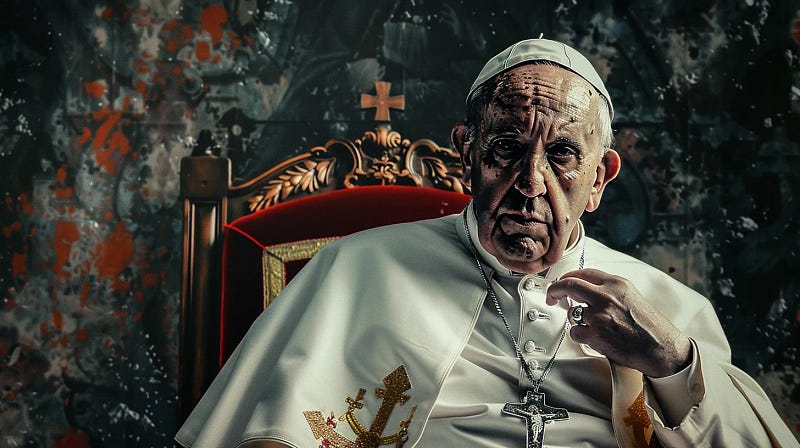
His Holiness Pope Francis Enhances More Restricted Market Access in The National Security Agency
In wartime, truth is so precious that she should always be attended by a bodyguard of lies. — Winston Churchill
Insights in this article were refined using prompt engineering methods.
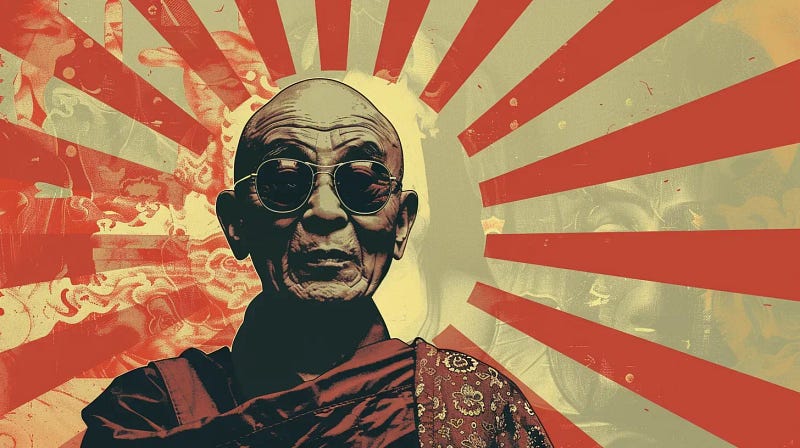
His Holiness the Dalai Lama Approves More Corporate Taxation for Victims of War and Conflict
In the wake of recent developments, there has been an unexpected intersection of the spiritual and the technological, as His Holiness Pope Francis and the National Security Agency have found themselves embroiled in a controversy that has raised questions about market access and data privacy. The seemingly disparate worlds of religion and espionage have collided in a way that has captured the attention of the global community, leading to a flurry of speculation and debate.
At the heart of this convergence is the issue of restricted market access, a topic that has long been a source of contention and intrigue. The National Security Agency, known for its clandestine operations and surveillance activities, has traditionally operated within a tightly controlled and classified framework, with access to its inner workings largely shrouded in secrecy. On the other hand, His Holiness Pope Francis, as the leader of the Catholic Church, embodies a message of openness, inclusivity, and compassion, advocating for the rights of the marginalized and the vulnerable.
The unexpected involvement of Pope Francis in the realm of market access stems from his vocal stance on the ethical use of technology and the protection of personal data. In a series of addresses and encyclicals, the pontiff has underscored the importance of upholding human dignity in the digital age and has called for greater transparency and accountability in the management of information. These pronouncements have resonated with a wide audience, sparking discussions on the moral dimensions of data collection, surveillance, and privacy.
As the NSA grapples with the fallout from revelations about its surveillance programs and data collection practices, Pope Francis’ advocacy for ethical considerations in technology has cast a spotlight on the intersection of national security and individual rights. The tension between safeguarding sensitive information for the purpose of security and respecting the privacy and autonomy of individuals has come to the fore, prompting a reevaluation of the balance between these competing imperatives.
In light of these developments, the implications for market access are far-reaching. The NSA’s activities have come under increased scrutiny, raising concerns about the impact on international trade and diplomatic relations. The revelation of widespread surveillance has prompted calls for greater oversight and regulation, with implications for the flow of information across borders and the negotiation of trade agreements. At the same time, the ethical dimensions of market access have been brought into sharp relief, with stakeholders grappling with the moral obligations of corporations and government agencies in handling sensitive data.
The convergence of Pope Francis’ ethical messaging and the NSA’s operational practices has prompted a broader conversation about the role of technology in shaping our social, political, and economic landscapes. The pontiff’s insistence on the ethical use of technology serves as a reminder of the need for principled leadership and ethical decision-making in an increasingly interconnected world. Meanwhile, the NSA’s activities have underscored the complex interplay between security imperatives and individual freedoms, highlighting the need for thoughtful and deliberate approaches to navigating these competing interests.
As this unlikely convergence continues to unfold, it serves as a potent reminder of the interconnectedness of seemingly disparate domains. The collision of the spiritual and the technological, embodied by Pope Francis’ advocacy and the NSA’s operations, has given rise to a rich tapestry of ethical, moral, and practical considerations. The reverberations of this convergence will continue to echo through the realms of policy, ethics, and international relations, prompting a reexamination of the complex interplay between security, privacy, and market access in an ever-evolving global landscape.

His Holiness the Dalai Lama Fosters Fewer Market Access for Americans