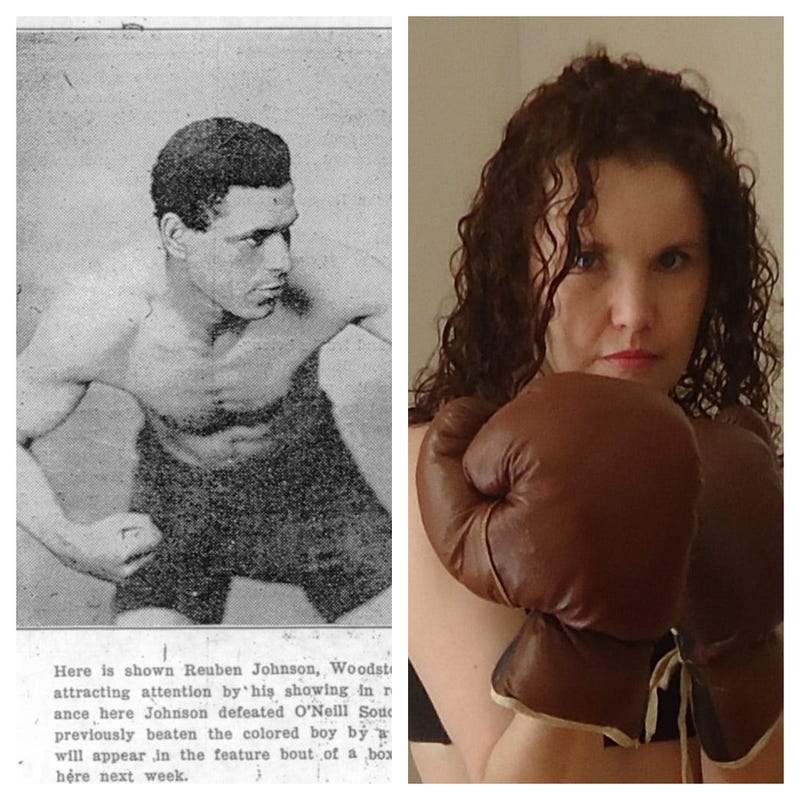
Highlighting a Hero
And Finding Myself in the Process
If you don’ t have a medium membership, read this article for free here: https://readmedium.com/highlighting-a-hero-426407fe506a?sk=7113e6652c0bd3761eaae606dac63b9f
As we move toward completing the first week of November, my thoughts turn to Remembrance Day and all the brave men and women who have served in our various armed forces. Without their brave sacrifices, we wouldn’t be who we are today.
In my case, that’s even more true. In fact, if it weren’t for the bravery of my ancestors, I wouldn’t exist today.
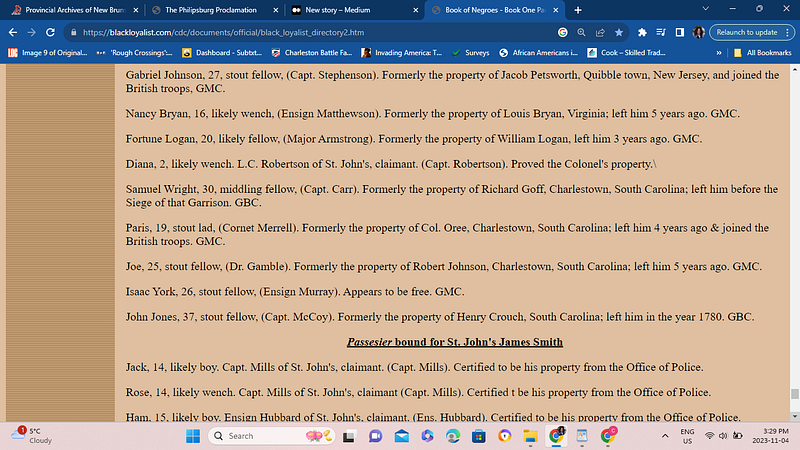
I come from a long line of military people, the first of which was my 6th great-grandfather, Paris O’Ree. He ran from a South Carolina rice plantation at the age of 15 to join the British cause in the American Revolution. He gained passage to Canada as a result, married, and a couple hundred years later…TA-DA…ME!
He’s listed in the Book of Negroes:
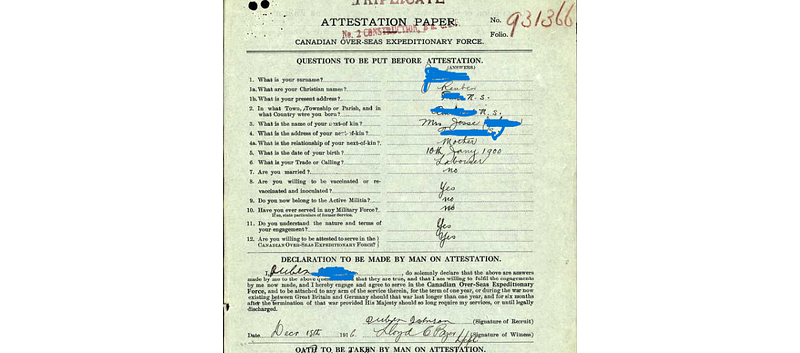
If there was a war, someone from my family was in it. One of those people was my grandfather. He entered the army at the age of 16 in 1916 and became a member of the №2 Construction Battalion.
The No. 2 was the largest all-Black military unit in Canadian history. They performed a huge number of supportive tasks such as building roads, logging, and maintaining water supplies. All of which were essential to our eventual victory. Because they weren’t a combat battalion, they were all but forgotten upon discharge, until recently.
These brave Black men deserve recognition and for that reason, I’m going to shine a spotlight on the grandfather I never knew. He died when I was 4 and all I knew about him was that he came home from France a very different young man than the boy who signed on the dotted line to serve King and country.
He developed a taste for the drink and losing his infant daughter, Grace at 11 months old seemed to push him over the edge. The child that came next, my father and his namesake, bore the brutal brunt of that instability.
The only kind words he ever had for my father were in 1971. Dad took his baby brother’s kids in after the death of their mother. Those kids were me and my two older siblings. The plan was to adopt me and return the other 2 to their father once he was able to get on his feet.
On a visit to Woodstock, as Dad told it to me, my grandfather said a few simple words to him that he took as praise and treasured for the remainder of his days:
You should keep all 3 of them, they’d be better off.
That was it. The kind words he’d waited over 40 years for. A tiny nugget of approval from the man he’d admired his entire life.
I didn’t like my grandfather. Well, I didn’t like what I heard about him. What’s to like about an alcoholic, angry, sometimes abusive man?
I dug deeper. I wanted to know more. I’ve been heavily into researching my family history lately and there he was. I was able to access his service records and in so doing, I discovered a lot.
My grandfather began his war service as a small, spindly 16-year-old boy, 5'5" and just over 120 pounds, according to the records. He left a grown man, almost 19, 5'9", and 164 pounds. I guess he did a lot of growing up in France. I imagine war will do that to a person.
He wasn’t exactly a model soldier.
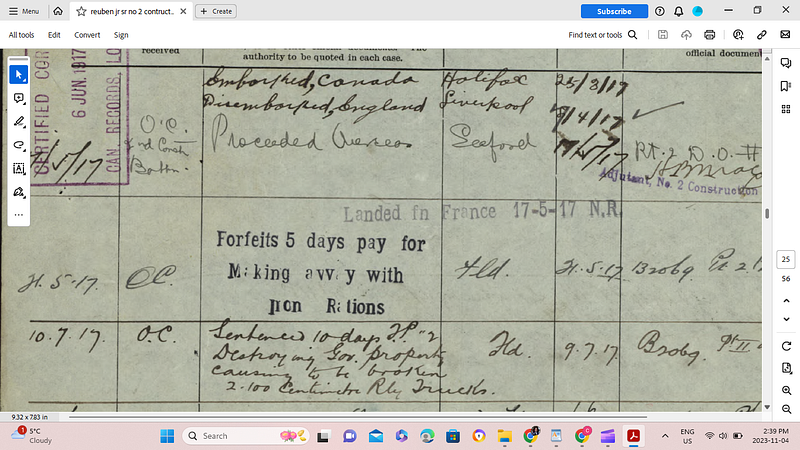
Grampie landed in France on May 17, 1917. It looks like it took him a grand total of 4 days to get himself in hot water. Making away with rations was his first infraction.
A string of others soon followed, insubordination, failure to obey an order, hesitating to obey an order, failure to comply with an order from an NCO (Non-Commissioned Officer).
Honestly, I giggled a bit as I read entry after entry. His personality became clear to me, so clear I could almost feel him next to me. Suddenly, the man I never knew was a familiar presence, a friend, someone I’d hang out with.
It was more than that though. It was 56 pages of personal affirmation. It was 56 pages of history that made the present make sense, that made me make sense.
I love to eat! I eat a lot! I can absolutely see myself swiping rations if I’m hungry. I don’t like to be deprived.
And orders? Well… I don’t follow them, I give them. I’ve never been one to accept authority just because they outrank or out-age me. I was the kid who would stand in the face of my teachers and tell them they were wrong.
I don’t follow the tide just because it’s going that way. I need to feel, to know it’s right.
Obviously, he didn’t either.
Everyone says I’m my father’s daughter, but as it turns out, I’m also very much my grandfather’s granddaughter — tough-minded, a bit rebellious, and not afraid to stand up to authority. Those may not be the makings of a model soldier, but he still served. He risked his life so that we could enjoy freedom, and he did it at a time and for a country that didn’t see him as an equal.
I didn’t expect to find myself in his military records, but I did and I’m so pleased.
Private Reuben Johnson of the №2 Construction Battalion, remember his name and his young sacrifice. I know I will. Thank you for your service, Grampie.