
Here’s What Happens When You Stop Taking Things Personally
You have a healthier relationship with yourself and others
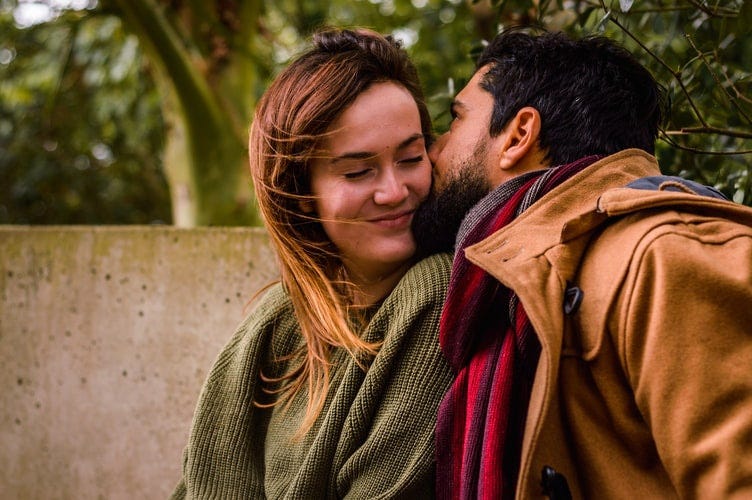
Don’t take anything personally. Nothing others do is because of you. What others say and do is a projection of their own reality, their own dream. When you are immune to the opinions and actions of others, you won’t be the victim of needless suffering.~Don Miguel Ruiz
Lately, I’ve been asking myself why I take everything so personally.
To take offense means we choose to be upset by someone else’s actions. We can choose not to take it.
Sometimes I’m insecure in the relationship. Other times it’s because I’m coming from a place of self-centered fear. But it’s not about me. And not everyone is like that. Most people aren’t offended. So why am I concerned about what they think of me?
The message is clear. I need to examine my behavior and change my approach. How can I stop personalizing others’ actions? What other people think and what they do is none of my business.
Let’s take a look at why we do this and how we can find balance in our relationships.
Search within and check your motives.
Why did you think their actions were about you? Take a long, hard look at what’s behind it. Our assumptions often come from a lack of information. They also come from old patterns of behavior.
Maybe you think it’s about you because it was personal in other relationships. They blamed you for their troubles. I know one person who personalizes everything I say and do.
I used to gravitate toward emotionally unavailable men. They might be interested in the beginning but later couldn’t handle my feelings for them. I was also overly attached, and some of them weren’t honest about how they felt. Instead of talking to me, they bailed. I desperately wanted their attention, and they stopped giving me any.
So, of course, I took things personally. They might have had a problem with me but didn’t say. They left me to guess or be direct and ask them. I’d usually try to guess because I was afraid of confrontation.
The truth came to me after many years of perpetuating this pattern. I avoid intimacy this way. If I take things personally, I make their behavior all about me. I blame them for not wanting to get close and label them as afraid or unavailable. I might be right. Some people ignored me out of fear of getting close. But it isn’t always about that.
What if I were to focus on me and leave the rest of the stuff for them? Maybe I wouldn’t be as attached. They’d have space to grow. If they’re afraid of intimacy, they’ll either face their issue or leave.
When I stop making their behavior about me, I focus more on myself. I allow the other person whatever they need to process. Suddenly, what they’re doing and saying has little effect on me.
Once your motives are clear, ask.
Now that you’ve assessed your reasons for assumption, you can take the next step. If you want to know someone’s motives, ask them.
Being direct always works best if you want to know the truth. Upfront conversations are revealing, even without them telling you everything. One’s tone of voice and eye contact says a lot about what they’re saying.
I want to ask someone about his feelings. He hasn’t been responsive lately. Of course, I thought it could mean he wasn’t interested in deepening our connection. I took baby steps by asking about his day. What he said assured me it was nothing personal. Eventually, we’ll talk about how we feel about each other. But for now, asking simple things is enough.
Honesty and transparency go far with me. If I want it, I’ll need to show it myself. It can be scary to let ourselves be vulnerable. I’m still afraid of putting myself out on the line. But if I convey my interest with clear intentions, the door will open wide.
When the door of acceptance is open, walk inside.
If a person is willing to tell you what’s up, accept their answer. When they say their issues aren’t related to you, believe them.
They probably aren’t paying attention to you because life happens. They might have proverbial narrow bridges to cross alone. Under these conditions, they’re probably not ready to share what’s on their mind.
My kids give me ample opportunity to let go. My eldest daughter was unexpectedly upset by a seemingly trivial thing this morning. We’re about to travel to visit my parents. She was concerned about having the right pants for tomorrow. When I told her the solution, she screamed at me.
Now, I know this isn’t personal. But I tend to take it that way. For the first time in forever (yes, Frozen fan here), I calmly walked away. I told her I’m here when she’s ready to hear me. I didn’t have a chance to explain laundry options. I’ll talk to her later when she’s calm. I got to remember her reaction was never about me.
When you detach and let go, you’ll finally be free.
Letting go is an essential key to escaping the bondage of personalizing things. When we allow space for silent reflection, we’re free to focus on the relationship with ourselves. When we make a conscious decision to detach with love, others are free to have a healthy, fulfilling relationship with us.
Detachment adds a new level of responsibility and maturity to your relationship. Choosing to detach requires us to stop considering others’ actions as a personal affront. We acknowledge we can’t control anyone else. We allow the other person to choose how and when they communicate with us. We have the same choice.
Final thoughts
Remember, we’re complex beings. There’s usually more happening behind the scenes. We’re all doing the best we can with the tools we have. Some of us have more useful tools than others. We’re also not the center of the Universe. If someone is angry, sad, or frustrated, there’s a strong chance you’ll know if it involves you. Otherwise, let it go and move on. I’m sure you’ll find relief knowing you don’t have to be in charge of anyone but yourself.
Here are a few more stories on relationships:
Let’s stay in touch. You can find me on Facebook, Twitter, Instagram, LinkedIn, or my personal blog at gratefulx365.wordpress.com. Submit your amazing stories and follow my Medium publication, Gratefully Yours. Email me at [email protected]. Thanks for reading.