
Here’s How You Can Protect Your Photos from AI Deepfakes
With the use of this new tool, artificial intelligence (AI) systems may be prevented from altering a person’s images and using them to produce deepfakes.
A tool named “Photoguard” has been created by a team of researchers at the Massachusetts Institute of Technology (MIT) under the direction of computer professor Aleksander Madry that prevents AI from convincingly manipulating a person’s images.
Join the Medium Membership Program for only 5$ to continue learning without limits. I’ll receive a small portion of your membership fee if you use the following link, at no extra cost to you.
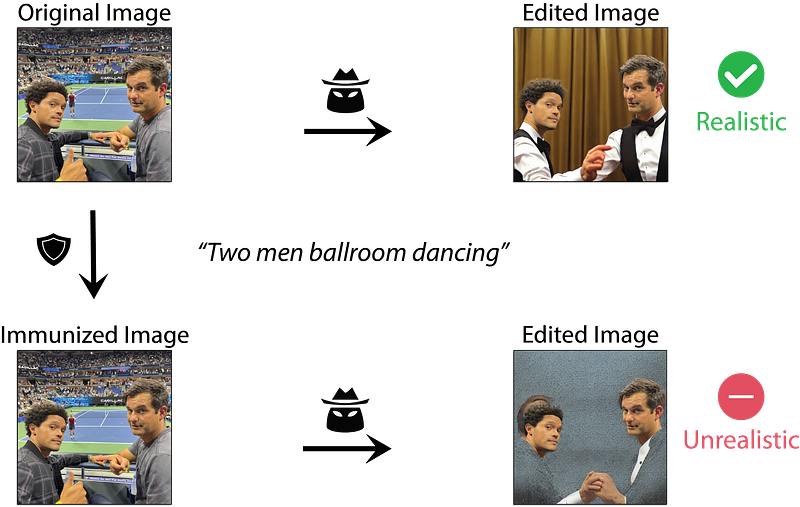
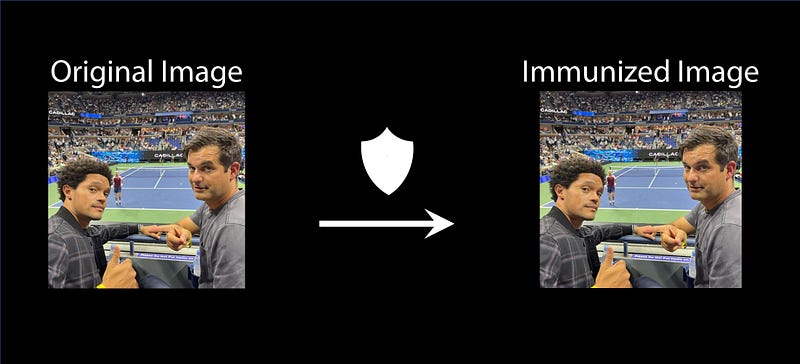
The research team demonstrated how Photoguard can “immunize” images against AI alterations in a paper that was released last month. In order to introduce undetectable noise into an image, the program uses data poisoning techniques to disrupt the pixels within a picture. As a result, AI art generators are effectively unable to produce convincing deep fakes using the photographs that it has been fed and trained on.
In the study, the research team used Photoguard software to an Instagram image of comedians Michael Kosta and Trevor Noah watching a tennis match.
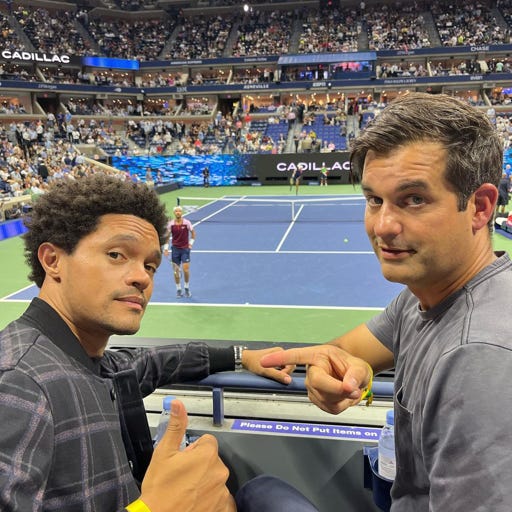
Without Photoguard, it would be quite simple for artificial intelligence (AI) to change the comedians’ photo into a completely different one.
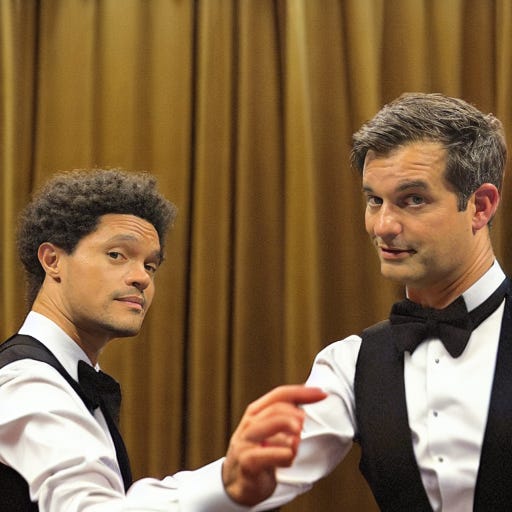
While using Photoguard, the researchers discovered that the program’s undetectable noise in the photograph of Noah and Kosta prevented an AI image generator from using it to build a new image. It effectively protects the original image from malicious AI editing while remaining undetectable to the viewer.
When Photoguard has protected the original image of Kosta and Noah, AI was unable to modify the image, and the end product is noticeably worse.
The AI was unable to edit the original photo to show “Two men ballroom dancing” after it has been immunized
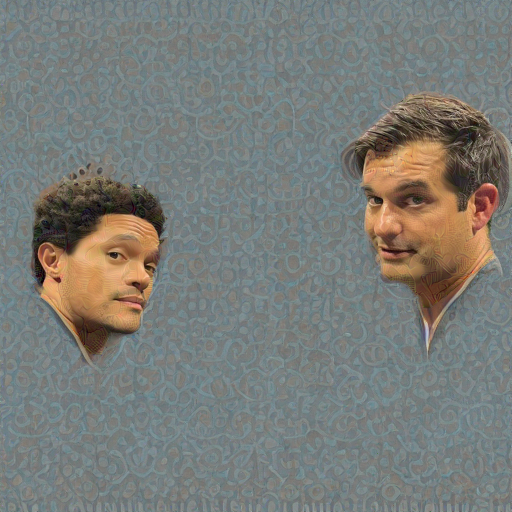
This twitter user posted another example of a photo with Noah that had been successfully immunized against AI with Photoguard.
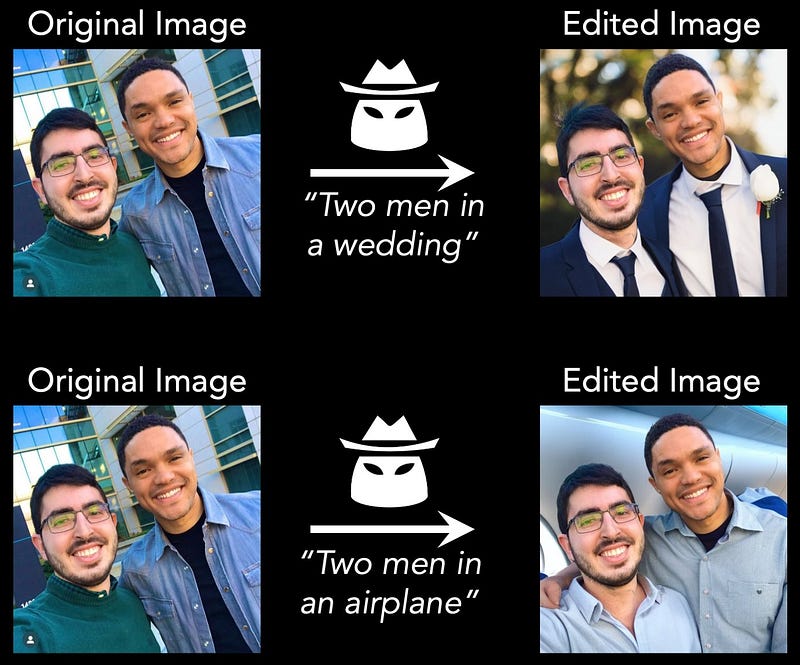
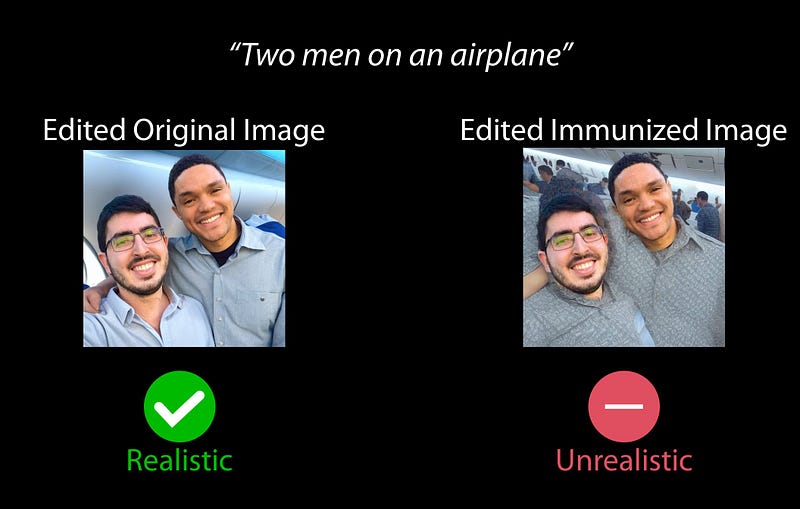
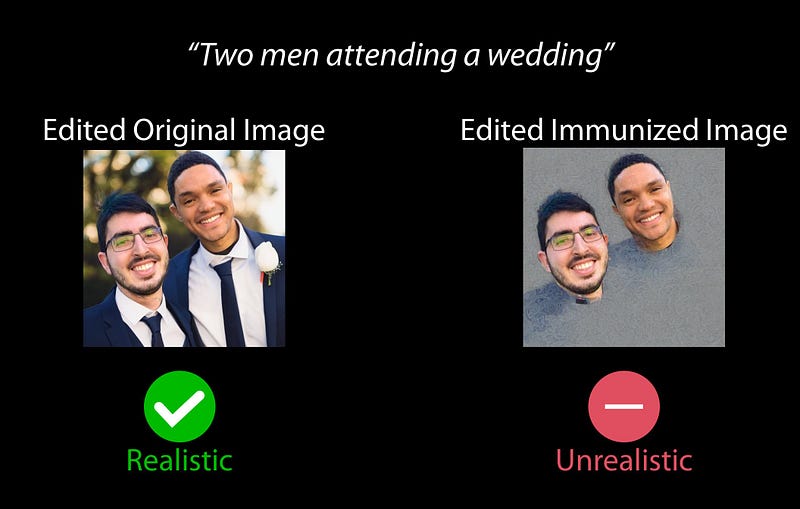
This project is available on Madry’s MIT lab blog, with the published paper available on Cornell’s arXiv server under open-access terms and the code for Photoguard can be accessed here.
This technology could, taken as a whole, actually have an impact on future social media photo uploads. However, I believe that currently, there are millions of photos that have been used to train AI models without the consent of photographers or artists.

My other writings —