
Helping Your Child in an Emergency
I had to give my daughter the Heimlich
Whether you’re expecting your first, trying to get pregnant, or thinking about adopting, learning about emergency preparedness is critical. Kids are accident and illness prone, and we have a responsibility to know how to help them. If you’re reading this and feel attacked, please know I’m not coming from a place of superiority. Quite the opposite, in fact.
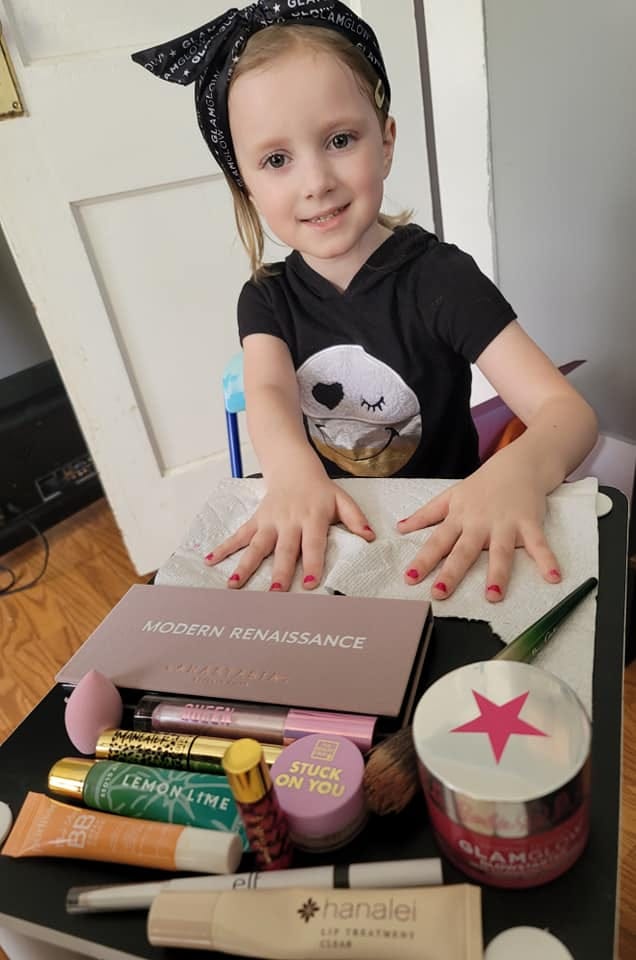
This is my five-year-old daughter, Hannah. She’s a rainbow baby after losing her sibling in the womb. Hannah herself was originally diagnosed as a ‘blighted ovum’, or a gestational sac with nothing growing in it. Obviously, that was incorrect because she’s here. The day we found her on the ultrasound is not celebrated as Hannah Day in our house. It was three days before Christmas, so essentially she gets to open a present early and spend the day doing what she wants to do.
She’s also come across her own fair share of ways to give us a heart attack after being born, like having a PFO and a VSD, two congenital heart defects. Luckily, she beat those when she was three. They’re now both extremely tiny and should close on their own. Even if they don’t, no intervention is necessary. To heart parents with kids in more serious situations than Hannah’s, please know you’re amazing and so is your little warrior!
In November/December 2020 I had COVID. I got really sick and spent several weeks in bed, then I was placed on oxygen because my O2 kept dropping. When I finally got better, I knew I had to protect Hannah from it. I didn’t bring her anywhere. Her father did, and they had a blast safely following guidelines. I just was too scared to do it myself, knowing how I would have felt if she caught it from me taking her out.
I’ve sheltered her far too much, admittedly. I don’t want her to get hurt or to ever be out of my sight, and up until recently I’ve been a helicopter parent. If you’re unfamiliar with the term, it means watching over your child’s every move to make sure they don’t get hurt. Honestly though, helicopter parenting does more harm than good. They need to fall and get scrapes and bumps. They need to be children and to enjoy themselves. They need to experience adventure and to explore outside. I’ve failed in this department so far, but recently something happened that made me realize how ridiculous I’ve been.
The Incident
On June 26, 2021 I fixed Hannah a plate of macaroni and cheese, cherries, and corn. She sat at her little dinner table to eat and I sat on the couch. We were watching YouTube videos together when I noticed she went silent. I looked over and realized she was trying to spit food out. I asked if she was choking and she nodded. Over the course of two minutes I had to perform the Heimlich on my child. I was able to dislodge the food in her throat, and she vomited everything she had just eaten. Before cleaning it up I had her breathe in and out several times to listen for wheezing, had her try to cough, gave her something to drink, and called my mom. She’s a nurse and very calm in emergency situations. She advised that I call an ER to make sure Hannah didn’t need an X-Ray to check for leftover food in the lungs. I called our urgent care center, who advised if she was breathing and was playing (which she was at that point) that she should be fine. They also asked that I keep her close and make sure she was not showing any symptoms of trouble breathing or trying to get anything else out of her throat.
My kid could have died in her house, minding her business, doing exactly what we do every day. I didn’t feel proud of myself for handling the situation. I felt sad for depriving her of so much fun in the name of trying to save her from getting hurt. But, getting hurt how? A cut or scrape at the park? Our children need those bumps and bruises to show them how to work on things like cognitive skills and critical thinking. They need to see obstacles at the park and either climb over them or fail and try again. They need to be kids. So fellow helicopter parents, it’s time we think differently.
Knowing how to treat first aid and how to give CPR or the Heimlich if needed is very important. We’re all nervous about something happening to our kids, so let’s make that fear into a practical skill. Here are a few ways we can ease our minds by knowing critical skills for those ‘just in case’ events.
I recommend we tall take the American Heart Association’s Heartsaver® First Aid CPR AED class.
· First Aid
o Keep a First Aid kit in your car, like this one.
o Your reaction is important. Respond appropriately. Panicking over a small scrape will make your child panic, and teaches them that any injury is a serious one.
· Pediatric CPR and the Heimlich Maneuver
References:
https://lifehacker.com/why-you-should-play-it-cool-when-a-child-falls-and-look-1699793367


