
Hellebore Flowers: The Stars of the Winter Garden🌼
Hellebore or Helleborus for Gardeners
Note: Non-members can read the full story in this link.
As a gardener and lover of all things flowers, I love Hellebore flowers, sometimes called Helleborus flowers.
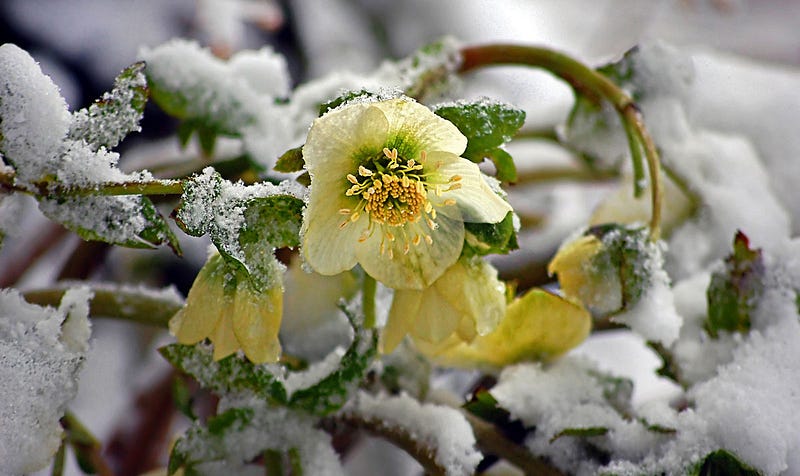
They bloom when nearly nothing else does, often blooming right through the snow, as you’ll see in my picture above. It was a joy to photograph.
With modest grace and charm, hellebore flowers provide a cheery winter smile with blooms against winter’s cold and dreary backdrop.
These stunning blossoms, often called spring harbingers, defy the cold in the chilly landscape.
Why Grow Helleborus Flowers in the Garden?
Hellebores flourish under challenging winter circumstances, which is extraordinary.
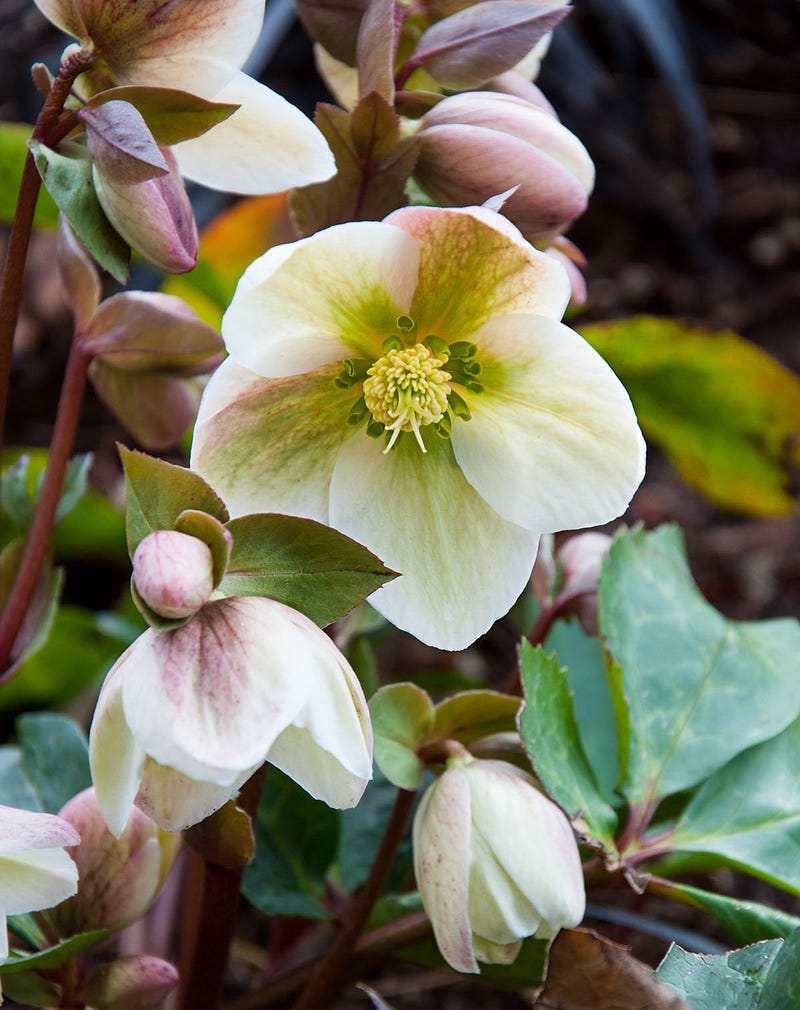
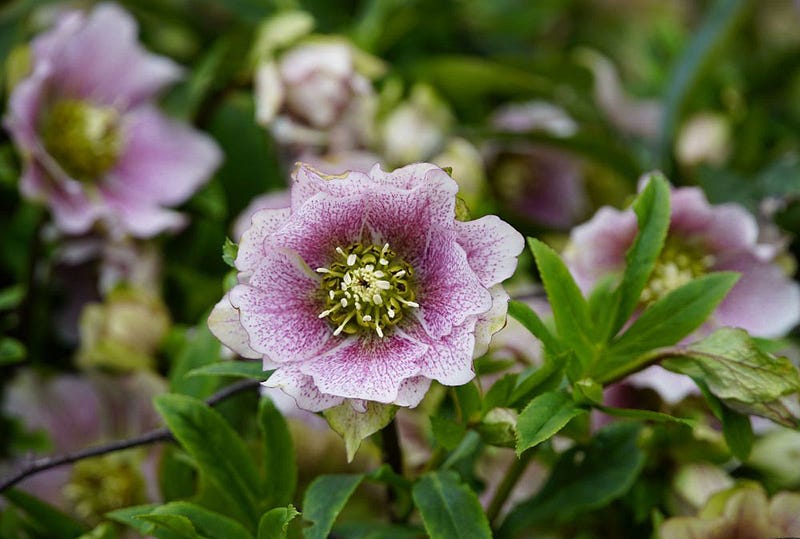
Hellebores brave the cold by unfurling their petals while other plants hibernate. Their evergreen foliage frames the delicate blossoms, keeping some green alive in winter. Gardeners love hellebores for their unique flowers, which come in various colors and styles, from pure whites and soft pinks to deep purples and rich reds.
Early bloomers like Helleborus and Hellebores offer nectar for pollinators when other plants are scarce, supporting bees and other insects.
Their shade tolerance makes them perfect for planting beneath deciduous trees and in difficult areas where few plants flourish.
How to Grow Hellebore Flowers in the Garden
Proper care is necessary for the healthy growth and blooming of hellebore flowers. Here are some key factors when caring for hellebores:
Light
Hellebores prefer partial to full shade during summer but require more sunlight in winter.
An ideal planting location is underneath a deciduous tree, where the plants are shaded in summer but exposed to the sun after the tree drops its leaves in the fall.
Soil
Hellebores grow best in well-draining soil rich in organic matter. If soil is acidic, add lime, as hellebores prefer neutral or alkaline conditions.
Before amending the soil, a soil test to determine pH levels and nutrient availability is essential.
Product Recommendation: 4-in-1 Soil Moisture Meter, Soil Ph Meter, Soil Tester for Moisture, Light,Nutrients, pH,Soil Ph Test Kit
Water
Although hellebores like moisture, they should not be allowed to sit in wet soil for a prolonged time, as this can cause root rot.
Once established, hellebores can tolerate drier soil conditions.
Temperature and Humidity
Hellebores are known for their cold hardiness and can thrive in a wide range of USDA hardiness zones, typically from zones 3 to 9.
In colder climates, protecting hellebores from harsh winter winds is important. They can tolerate a wide range of humidity levels.
Applying a layer of mulch around the base of the plants can provide additional insulation and help prevent frost damage.
Fertilizer
Hellebore flowers benefit from adding organic-rich fertilizers such as compost or well-decayed manure.
It’s best to apply these fertilizers when planting and continue to add a layer in spring and early fall. Additional fertilizer is rarely needed if the soil is already rich in nutrients.
Avoid excessive nitrogen: Too much nitrogen can produce lush foliage but fewer blooms.
Book Recommendation: A Gardening Guide For Organic Soil Building: Methods to Obtain Healthy Garden Soil
Pruning Helleborus Plants
Pruning Helleborus plants is vital to maintain their health and appearance. When new growth begins, the best time to prune hellebores is in late winter or early spring.
Cut back any tattered, old growth. This will encourage new leaves and improve the plant's overall appearance.
Propagating Helleborus Flowers
Two standard methods for propagating hellebores are division and seed growing.
Division
The best time to propagate hellebores through division is in late fall or early winter before they flower.
Start by digging up the entire plant and gently shaking or washing off the soil to locate the buds on the crown.
Each division should have at least two buds. Some hellebore species, such as Helleborus foetidus and Helleborus argutifolius, do not divide well and are best started from seed.
Division can also rejuvenate plants and improve blooming in crowded clumps.
Growing from Seeds
Hellebore seeds can be sown in containers and left outdoors throughout the summer. Keep the soil moist, and germination should occur either in the fall or the following spring.
If you collect seeds from existing plants, they should be planted right away to ensure successful germination.
Stored hellebore seeds need to undergo stratification before planting. This process involves soaking the seeds in hot water until they swell. Then, they are sown in a potting mix for germination.
With proper care and attention, your hellebore flowers will reward you with beautiful blooms year after year when nearly nothing else is.
So gardeners, what are your favorite flowers to grow? I’d love to hear from you in the comment section.
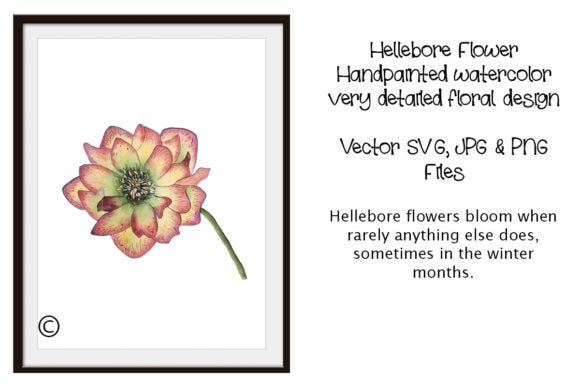
Here is a watercolor of a Hellebore flower that I handpainted and have for sale. It can be used commercially in your designs as elements or clipart. It was painted by hand using many layers of glazes and is highly detailed.
It can also be printed on a plain white background and framed for wall art.
You can also see my Creative Fabrica store here.

Enjoyed this post? Try these next on the following topics:
Thank you for reading; if you enjoyed my content and would like to support me, the best way is to :
- Follow Me On Medium.
- Consider clapping, you can clap up to 50 times if you’d like.
- Sign up for my weekly Cozy Snippets Mini Moments newsletter on life topics.
- Sign up for the email updates.
This article contains affiliate links and we may receive a small commission after you click one of the links, at no charge to you.