avatarAvi Kotzer

Free AI web copilot to create summaries, insights and extended knowledge, download it at here

3278

Abstract

<p id="a3e7">One could come up with many different origins for <i>heelback</i> as it refers to the compound used by shoeshines. Perhaps it was used mostly for the heel of the shoe… or it was applied with pressure from the heel of the hand. I also found that definition 6a of <b>heel</b> is “remainder” or “residue”, specifically the “unburned and partially burned tobacco caked in the bowl of a pipe”. Connecting that with the “fine bulky black soot” that is the lampblack, one might think that the heel portion of heelball referred to the fact that the ball was made of sooty compounds, or a heel.</p><p id="0f2e">That’s my theory, and I’m sticking to it. Unless you have a better one, in which case you can stick it to me in the comments section.</p><h2 id="5c1e">Monumentally brass</h2><p id="e9f2">Brass rubbing.</p><p id="4641">Sounds like a euphemism coined by a teenager when discussing their masturbation habits. Sorry to disappoint you, but <b>brass rubbing</b> literally refers to “a largely British enthusiasm for reproducing onto paper monumental brasses — commemorative brass plaques found in churches, usually originally on the floor, from between the thirteenth and sixteenth centuries.”</p><p id="661e">To perform a brass rubbing, you simply place a large sheet of paper on top of a brass monument or relief and rub said paper with graphite, chalk, or a <i>heelball</i>. Remember when you used to used to rub coins placed underneath your notebook paper? Well, it’s very similar to that, except that you’re no longer doing it as a kid in school to take away your boredom in class , but as an adult in a church to take away the tedium in life.</p><p id="008c">The British have so much enthusiasm for rubbing <i>heelballs</i> on paper over brass that 135 years ago they created a society to honor this practice: the <a href="https://www.mbs-brasses.co.uk/">Monumental Brass Society</a>. (In reality, the society was founded to preserve and record monumental brasses.) As they explain:</p><blockquote id="4969"><p>Early research into brasses focussed chiefly on English brasses of the medieval and early modern periods. Today, however, the field is much wider. Chronologically it extends to brasses of the nineteenth and twentieth centuries, and geographically to those of Continental Europe and beyond. Incised slabs are also the subject of growing interest. Areas of current research include the artistic context of brasses, workshop organisation and the self-image of the commemorated.</p></blockquote><p id="9605">With respect to brass rubbing itself, “The rubbing of certain original brasses is discouraged and the use of facsimiles recommended instead.”</p><p id="d2dc">However, if you insist on doing so, you can follow their guidelines here.</p><div id="c332" class="link-block">
      <a href="https://www.mbs-brasses.co.uk/brass-rubbing">
        <div>
          <div>
            <h2>Brass Rubbing | Monumental Brass Society</h2>
            <div><h3>Most brasses can be rubbed without causing damage to the brass itself. The exception is floor-set brasses where the…</h3></div>
            <div><p>www.mbs-brasses.co.uk</p></div>
          </div>
          <div>
            <div style="background-image: url(https://m

Options

iro.readmedium.com/v2/resize:fit:320/0P6VOmoCouaHrJV5u)"></div> </div> </div> </a> </div><p id="64ea">The website also has a gallery of brasses, but I’m not sure I can post their photos without permission. Instead, I’ll show you some of the brass rubbings that appear in the 1911 Encyclopedia Britannica, which is now in the public domain.</p><figure id="a385"><img src="https://cdn-images-1.readmedium.com/v2/resize:fit:800/1*Yc9jsqMZqlei_bVlEJg9Hg.png"><figcaption>Screenshotted by Iva Reztok</figcaption></figure><figure id="35ec"><img src="https://cdn-images-1.readmedium.com/v2/resize:fit:800/1*hHGgkLHhXpvCk2f7EbX0cA.png"><figcaption>Screenshotted by Iva Reztok</figcaption></figure><p id="e6e3">And this video shows how to perform a brass rubbing the old-fashioned 1960s way:</p> <figure id="8427"> <div> <div> <img class="ratio" src="http://placehold.it/16x9"> <iframe class="" src="https://cdn.embedly.com/widgets/media.html?src=https%3A%2F%2Fwww.youtube.com%2Fembed%2F4WtoiijGCs8%3Ffeature%3Doembed&amp;display_name=YouTube&amp;url=https%3A%2F%2Fwww.youtube.com%2Fwatch%3Fv%3D4WtoiijGCs8&amp;image=https%3A%2F%2Fi.ytimg.com%2Fvi%2F4WtoiijGCs8%2Fhqdefault.jpg&amp;key=a19fcc184b9711e1b4764040d3dc5c07&amp;type=text%2Fhtml&amp;schema=youtube" allowfullscreen="" frameborder="0" height="480" width="640"> </div> </div> </figure></iframe></div></div></figure><p id="796e">Now you know. Next time you’re in a church in the United Kingdom and you see someone on their hands and knees rubbing brass, you should do two things. First, get your mind out of the gutter. Then, tell your friends you saw someone using a <i>heelball</i>. They will have no idea what you’re talking about, of course… because the editors of the Spelling Bee decided that <i>heelball </i>is a dord.</p><p id="08cc">You can check out my previous entry on another <b>dord* </b>here:</p><div id="7775" class="link-block"> <a href="https://readmedium.com/villanella-712213e6c34c"> <div> <div> <h2>Villanella</h2> <div><h3>A musical interlude on a busy Monday</h3></div> <div><p>medium.com</p></div> </div> <div> <div style="background-image: url(https://miro.readmedium.com/v2/resize:fit:320/0*yH7NdCwi91h4GuzO)"></div> </div> </div> </a> </div><p id="4789">*What the heck is a <b>dord, </b>you ask? Here’s the answer:</p><div id="f52e" class="link-block"> <a href="https://www.merriam-webster.com/words-at-play/dord-a-ghost-word"> <div> <div> <h2>'Dord': A Ghost Word</h2> <div><h3>One of the questions people like to ask lexicographers is this: Can you sneak something into the dictionary? Can you…</h3></div> <div><p>www.merriam-webster.com</p></div> </div> <div> <div style="background-image: url(https://miro.readmedium.com/v2/resize:fit:320/0*iE3cxAeBrTC3W4Bd)"></div> </div> </div> </a> </div></article></body>

Heelball

Not a new sport, but an old artistic technique
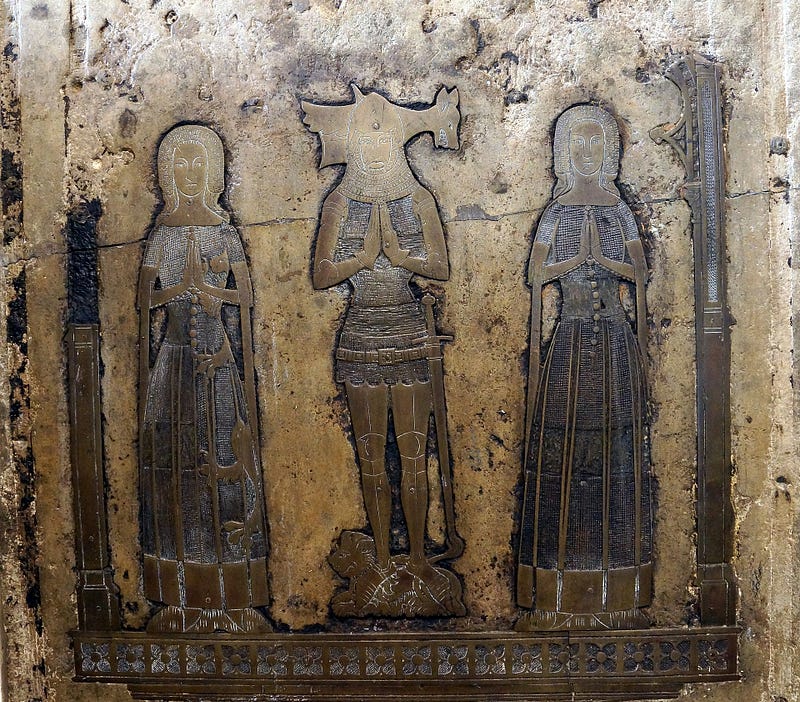
Photo by Oosoom

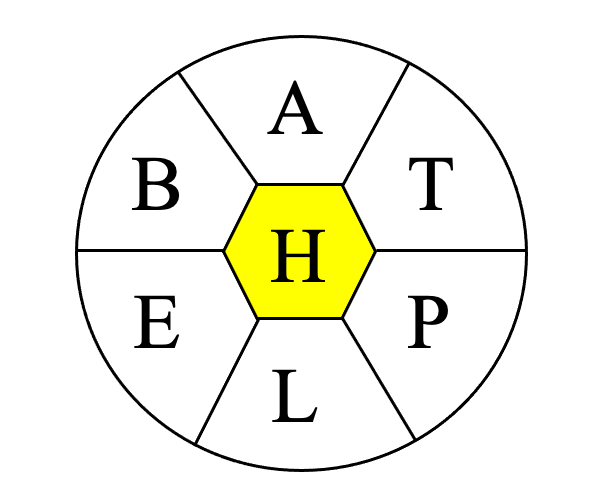
Today’s New York Times Spelling Bee letters:
Art: Iva Reztok

A, B, E, L, P, T, and center H (all words must include H)

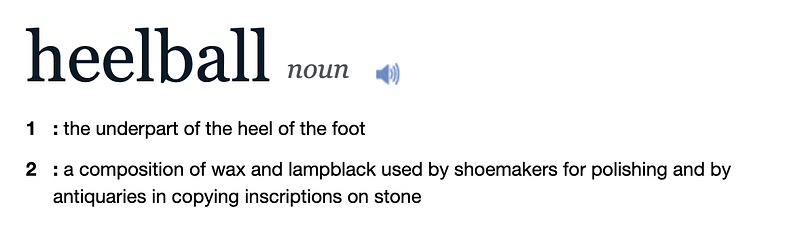
Merriam-Webster says…
Credit: merriam-webster.com

Silly little dictionary! Don’t you know that heelball can’t possibly be a word if The New York Times says it ain’t?

For a complete list of rejected words, check out the Spelling Bee Master.

What’s your favorite dord* from today’s puzzle?

My Two Cents

After almost two weeks of “Blast from the past!”, we are now back in fresh article-writing mode. New but not necessarily improved material. The past dozen days were a combination of being overworked, overtired, and over on vacation. And now it’s all over; back to the grind.

However, it’s always tough to hit the ground running. (In my case, having a bad knee doesn’t help, either.) So today’s column will likely be short. You, my dear readers, can decide if it’s sweet or not.

Obscure origins

Neither the free online version of Merriam-Webster not its paywalled sister site include the origin for the word heelball. The free version omits the anatomical “underpart of the heel of the foot” definition and claims the one related to shoe polish and copying inscriptions was first used in 1774. The Online Etymology Dictionary shows no results for heelball; However, Lexico explains briefly that it’s a compound word (heel + ball, obviously) that was originally used to refer to the underpart of the back of the human foot.

Since the dictionary’s second definition mentions the term lampblack, I looked that up… and found a mouthful of a meaning:

a fine bulky black soot deposited (as from the flame of a smoking oil lamp) in incomplete combustion of carbonaceous materials especially : a soot obtained by burning liquid hydrocarbons (as creosote oil or petroleum fuel oils) that is characterized by a duller less intense black than channel black and other carbon blacks, by a blue undertone, and by a content of varying amounts of oily matter in addition to carbon and that is used chiefly as a pigment (as in paints, enamels, printing inks, and concrete) and as a source of carbon for electric brushes — usually distinguished from carbon black

One could come up with many different origins for heelback as it refers to the compound used by shoeshines. Perhaps it was used mostly for the heel of the shoe… or it was applied with pressure from the heel of the hand. I also found that definition 6a of heel is “remainder” or “residue”, specifically the “unburned and partially burned tobacco caked in the bowl of a pipe”. Connecting that with the “fine bulky black soot” that is the lampblack, one might think that the heel portion of heelball referred to the fact that the ball was made of sooty compounds, or a heel.

That’s my theory, and I’m sticking to it. Unless you have a better one, in which case you can stick it to me in the comments section.

Monumentally brass

Brass rubbing.

Sounds like a euphemism coined by a teenager when discussing their masturbation habits. Sorry to disappoint you, but brass rubbing literally refers to “a largely British enthusiasm for reproducing onto paper monumental brasses — commemorative brass plaques found in churches, usually originally on the floor, from between the thirteenth and sixteenth centuries.”

To perform a brass rubbing, you simply place a large sheet of paper on top of a brass monument or relief and rub said paper with graphite, chalk, or a heelball. Remember when you used to used to rub coins placed underneath your notebook paper? Well, it’s very similar to that, except that you’re no longer doing it as a kid in school to take away your boredom in class , but as an adult in a church to take away the tedium in life.

The British have so much enthusiasm for rubbing heelballs on paper over brass that 135 years ago they created a society to honor this practice: the Monumental Brass Society. (In reality, the society was founded to preserve and record monumental brasses.) As they explain:

Early research into brasses focussed chiefly on English brasses of the medieval and early modern periods. Today, however, the field is much wider. Chronologically it extends to brasses of the nineteenth and twentieth centuries, and geographically to those of Continental Europe and beyond. Incised slabs are also the subject of growing interest. Areas of current research include the artistic context of brasses, workshop organisation and the self-image of the commemorated.

With respect to brass rubbing itself, “The rubbing of certain original brasses is discouraged and the use of facsimiles recommended instead.”

However, if you insist on doing so, you can follow their guidelines here.

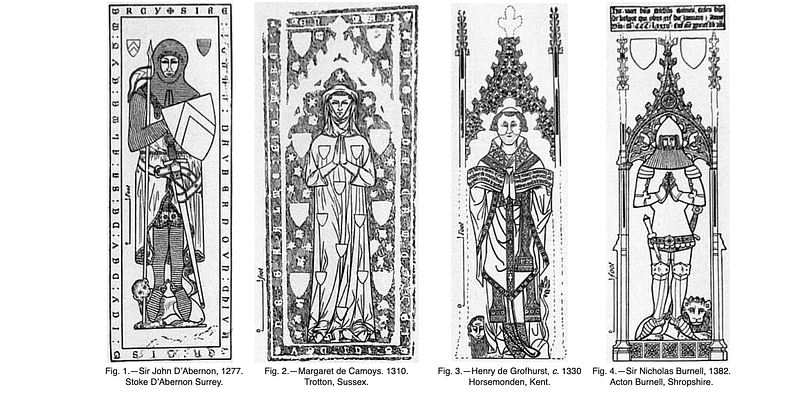
The website also has a gallery of brasses, but I’m not sure I can post their photos without permission. Instead, I’ll show you some of the brass rubbings that appear in the 1911 Encyclopedia Britannica, which is now in the public domain.
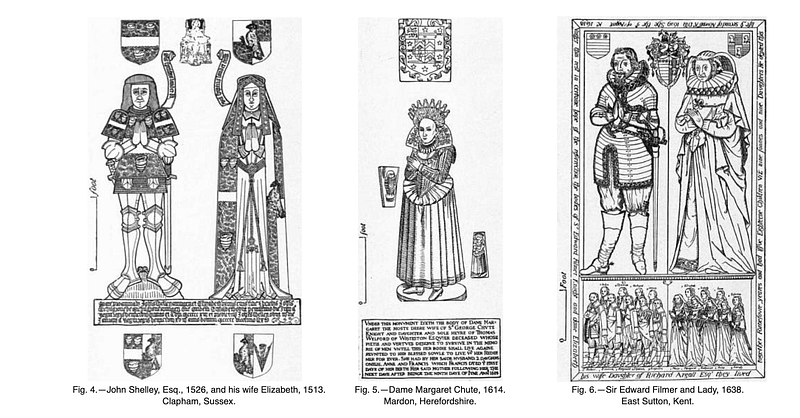
Screenshotted by Iva Reztok

And this video shows how to perform a brass rubbing the old-fashioned 1960s way:

Now you know. Next time you’re in a church in the United Kingdom and you see someone on their hands and knees rubbing brass, you should do two things. First, get your mind out of the gutter. Then, tell your friends you saw someone using a heelball. They will have no idea what you’re talking about, of course… because the editors of the Spelling Bee decided that heelball is a dord*.

You can check out my previous entry on another dord* here:

*What the heck is a dord, you ask? Here’s the answer:

Spelling Bee
Language
Art
Brass Rubbing
Culture
Recommended from ReadMedium