
Heart Fasting: A Calming Mental Detox
Ancient Taoists used this method to reset the mind and find their higher selves
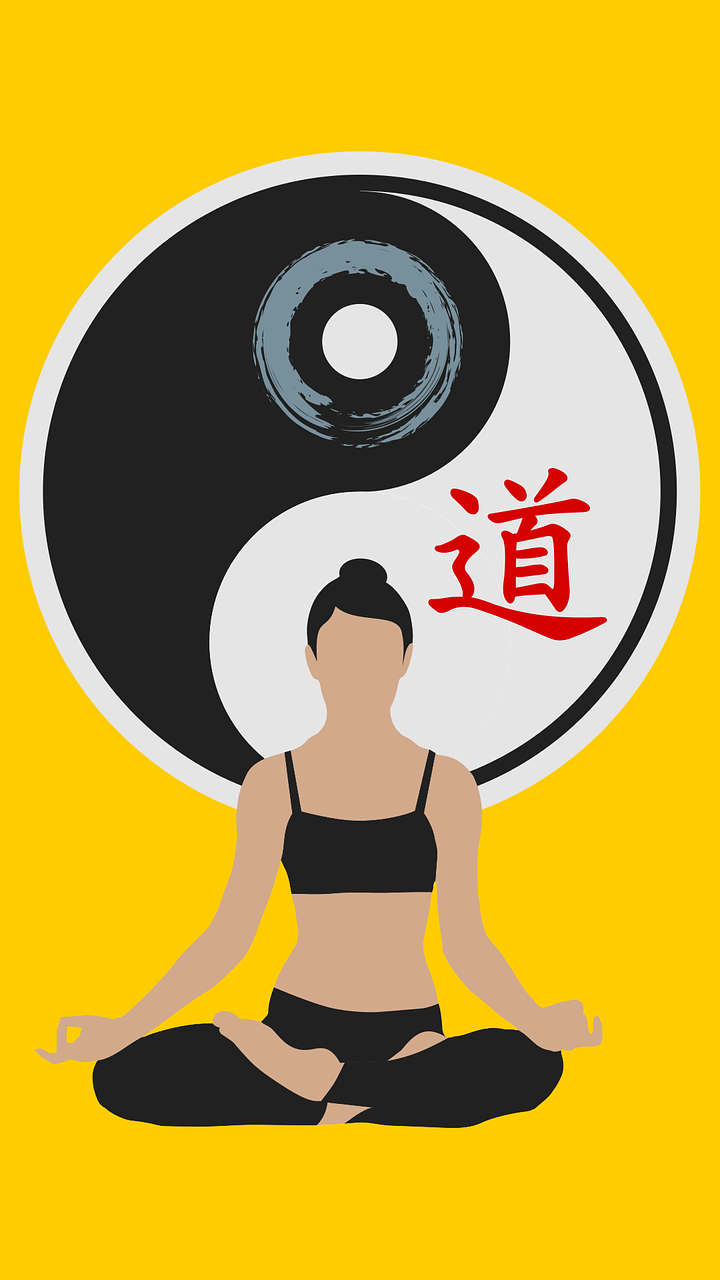
Most likely, you’re acquainted with the terms ‘detoxing’ and ‘fasting.’ You can detox from unhealthy foods to restore balance in your system and flush out toxins, for instance, or carry out a dopamine detox — this is where you abstain from anything that provides pleasure to reset your motivation.
The idea is that by the time your detox ends, you recognize pleasure doesn’t always flow easily, so you have to work for it. There’s one form of detox or fasting you may not have heard of, though. It’s called a heart fast.
Heart fasting isn’t a new concept. Ancient Taoists advocated detoxing the heart to reduce critical self-talk, fantasies, and the over-analysis we all engage in sometimes.
Our brains can be too active as we fill them with worries and plans and make judgments. Taking a break with a detox means we stop overstuffing our minds with endless data and let it rest.
You may wonder why the exercise is called a heart detox when it concerns the mind. In ancient times, Taoists believed the heart to be the center of cognition. We now consider the brain the seat of thought.
Nonetheless, to an extent, they might have been onto something. Recent research shows humans have neurons in their hearts, and some scientists have labeled the complex neural network they discovered as the little brain in the heart.
Our brains aren’t the only tools we use to make sense of experiences because the heart plays a part, too. So, the ancient practice of heart fasting involving abstinence from information overload makes sense.
Heart fasting is said to declutter the mind, but it has another essential purpose, too. It helps you connect with Tao — the natural way of the universe that transcends regular human-made illusions.
How to fast (or detox) the heart
To fast your heart, you must avoid sensual and intellectual activity. Initially, it seems like a tall order. After all, you probably have to work and take care of responsibilities, and you might enjoy socializing with friends. But think of your detox as a mini-break rather than long-term abstinence.
You might use the weekend, or just one day or a few hours, as detox time. During the allotted period, you will refrain from studying, intellectual conversations, TV, social media, and other forms of mental stimulation. And you’ll need to avoid eating delicious comfort food and other activities that involve preferred kinds of enjoyment.
Of course, pleasure may come naturally, and this is fine. The exercise is more about not striving for pleasure or attempting to forage for mental stimulants.
You’ll also want to steer clear of judgments. When your mind is engaged in a constant barrage of comparisons and critical thoughts, it’s not at rest. Thus, let life happen during the allotted time without deciding whether events are good or bad.
A heart fast will help reset your behavior and thought patterns, making you less judgmental or reliant on seeking stimulation. Ancient Taoists also believed heart fasting helped them detox their souls and get closer to their higher selves.
Ceasing to be judgmental when regarding yourself and others can help you find peace and recognize you’re stuck in a thought rut, whereby you are critical (so that you can overcome it).
Perhaps you’ve carried out popular forms of fasting and seen good results. There’s no doubt that a heart fast can’t hurt you and might help you get in touch with your higher self. At the very least, it could assist you in changing your mindset and finding inner peace.
Don’t want to miss new stories? Click here to join Medium. Your membership fee directly supports Bridget Webber and other writers you read. You’ll also get full access to every story on Medium.