
Wisdom Comes from Stillness Not Suffering
Listen to your heart
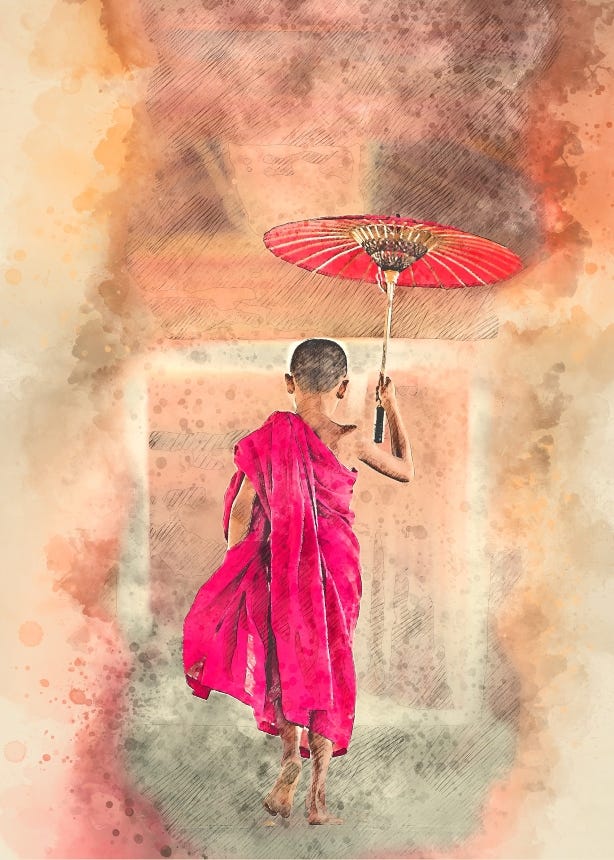
The song of the heart
beats a steady golden glow
wisdom’s melody
Agitation makes the pearl. We all know that… From this observation, and several more besides, we get the impression suffering is the way to gain wisdom. The whole picture isn’t viewed, though, only a side-angle.
Experience offers knowledge, but you don’t receive lessons while you engage in battle. It’s when you are quiet your inner sage speaks. In the stillness the smart you, who cuts through the guff, offers pearls.
Stillness, not suffering, is to be revered.
So often, I read stories about individuals who go through terrible experiences and gain emotional intelligence. The tales are real. The addition of wisdom is genuine, yet you might get the wrong message unless you look closely.
You might think unfortunate events and pain deliver an emotional upgrade on autopilot, but they don’t.
Suffering doesn’t add to wisdom
Plenty of people suffer but aren’t wiser for their pain. Only those who digest experiences in stillness and listen for the guidance of their hearts make headway.
Tap into wisdom
If you aren’t used to listening to your heart, you may find getting in touch with the smartest part of you hard initially. Even in the story of Buddha, his adversaries visit him under the Bodhi tree.
When Buddha’s demons send arrows in his direction (desires and unwanted thoughts — his attachments) he remains still. The arrows turn into flowers. His stillness ultimately leads to awakening.
When troubles flare, the best wisdom for you to absorb is inside you. To hear it, you need to be still. Fears can arise like Buddha’s arrows, but you won’t get attached to them if you stay still. When you are detached from facets of the ego, including fear, you perceive events from a seat of wisdom.
Intelligence exists in the quiet
The mind is noisy without stillness. The constant clatter of thoughts jumble and take up space. Sit quietly (or walk in silence) and turn thoughts into flowers by not engaging with them.
Acknowledge self-talk, but let it exist as a separate entity. See yourself as someone who hears it, but doesn’t produce its content. As a witness of thoughts, you’ll gain space in which calm wisdom floods.
Sometimes, you’ll get insights straight away. At others, mini-breaks from inner chatter will bring you wisdom incrementally. Always, though, you’ll attain a sense of peace.
You need not suffer to grow emotional intelligence. Just detach from self-talk often and watch nature. You’ll realize patterns that offer gems. Even reflections on water, kids playing, or birdsong can be instruments of wisdom. It need not spring from pain. Be still and let it come to you.
Don’t want to miss new stories? Click here to join Medium. Your membership fee directly supports Bridget Webber and other writers you read. You’ll also get full access to every story on Medium.


