
Health Anxiety: The Other Pandemic Requiring Our Attention
Sometimes, stress over our health has an ironic effect.
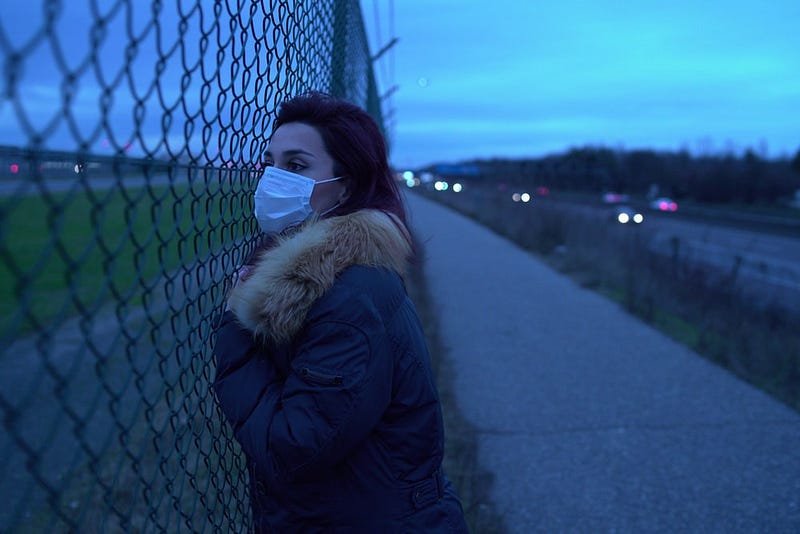
We all are guilty of feeling a little paranoid health-wise at the moment. Especially now that the ongoing Covid-19 media coverage is bombarding us with messages of impending doom from all angles.
For some people, though, this phobia of illness is deep-rooted at the best of times — and the world’s current hysteria is only amplifying these persisting fears.
Whether you’re a long-term compulsive germaphobe and symptom-searcher, or are one of the many who have fallen victim to this obsession only recently, thanks to the growing Coronavirus threat, here are a few things you should know.
What is health anxiety?
Health anxiety is when you spend so much time worrying that you’re ill, or about getting ill, that it starts to take over your life (or worse still — it makes you ill.)
Also called “illness anxiety,” or formerly the more stigmatized “hypochondria,” it’s an obsessive and irrational worry about having a serious medical condition. This anxiety disorder is marked by a person’s deluded or extreme interpretation of physical symptoms of illness, as well as the constant fear that their health is under threat somehow.
But there are ways that you can balance this concern for your health — a concern which I would, for the most part, advocate — ensuring that it doesn’t spiral into a paranoia-fuelled and ultimately useless obsession.
The irony of worrying too much about your health
Ironically, the chronic stress many of us now have over our health — thanks to over-exposure to sensationalist media coverage as well as being arm’s length from being able to Google search our symptoms and the extreme worst-case scenarios — it’s no wonder many of us worry so much about staying healthy, that we actually damage our health in the process.
Remember — stress is not your friend.
From sending your hormones into a spin, to provoking compulsive behaviors, burnout, breakdowns, insomnia, or depression — that unpleasantly fluttery and nauseating sensation you get in your chest when you feel under threat and cortisol pumps through your veins has many damning health consequences. As such, too much stress over your health is likely to have an ironically unwelcome effect.
So what’s the best thing to do? You suspect symptoms. You stress. More symptoms emerge. You stress more.
How can you break the cycle?
Health Anxiety: How to cope during this particularly triggering time
Take basic health measures
Yes, we are living through an uncertain period— which, for those who worry about health risks at the best of times, can be especially unnerving.
But for the majority of us who don’t have risky underlying health concerns, health doesn’t have to be so complicated. Before you panic-buy supplements or over-the-counter medications (or indeed, toilet roll — go figure), if you don’t have a specific, legitimate health concern, then consider taking a back-to-basics approach to health.
Eat well. Move your body. Drink plenty of water. Sleep. And take care of your mind with tried-and-tested hacks such as meditation, ASMR, and therapy.
If you are genuinely taking care of your body and mind to the best of your ability, then you can start to rationalize obsessive thoughts as they emerge.
Recognize when it’s just your anxiety talking
This includes knowing when a “symptom” is actually most likely from the stress itself.
Your headache is most likely from your constant worrying — not a certain infamous virus, brain tumor, or whatever other scenario your self-punishing mind concocts.
Be real — you feel tired because you’ve been lying awake panicking all night, not necessarily because your immune system is under any sort of attack.
And those unnerving heart palpitations or sweaty palms are classic anxiety symptoms — not the exaggerated scenarios you are taunting yourself with in your mind.
Learn to recognize your anxiety symptoms so you don’t assume the worst each time they come about. Get to know your body, and your usual sensations, so that if something truly is out of the ordinary you can assess yourself with a clear head.
And if all truly seems fine, then appreciate this lack of concern for once. Acknowledge what is working well for your body right now — your blood pressure will thank you.
COVID-19: Stay Safe, but Stay Calm
Of course, this message to let go a little of your health worries comes at a strange time. We all ought to be extra careful at the moment due to the ongoing pandemic.
That being said, panic doesn’t help anyone. And if you are staying as calm, healthy and hydrated as possible, avoiding unnecessary travel, human contact, or stress — and maintaining meticulous hand hygiene, then you don’t need to worry and make matters worse.
Make the most of this enforced alone time — away from the office and most likely from many of your usual responsibilities.
Get creative, read, practice yoga or meditation at home, catch up on your sleep — or indeed, Netflix shows. Just take some old-fashioned time out.
It would probably also be a good idea to incorporate some sort of digital detox into this routine — as although we all want to stay informed, too much exposure to the media — especially at present — can do us more harm than good.
Health Anxiety: The Bottom Line
If your body is sending you signs that you’re ill, it’s normal to be concerned — especially right now. But health anxiety is marked by the constant, irrational belief that you have symptoms which, in reality, you don’t. Or that your real symptoms must be of a severe illness, rather than something quite normal and unalarming.
Panic can get to us all. But we can fight back.
Be cautious. Make an effort to stay well, of course. But health anxiety is an unfortunate consequence of the current chaos, as well as our society of health extremes in general — and goes beyond having a normal concern for maintaining health.
In fact, it actually has the potential to put you at greater risk.
So stay calm, stay at home, and take care of yourself!
Roxanna is a British-Iranian content writer specialised in human rights, health, and welfare. With a languages degree from King’s College London, a Masters in European Studies from LSE, and an EU communications background, she strives to increase the visibility and encourage debate around ethical and sociocultural issues around the world. http://roxannaazimy.com @roxannayasmin


