
TRAVEL | COSTA RICA | ENVIRONMENT | TURTLES
He Stole the Turtle Eggs and it Was Devastating
There is a dark side to Costa Rica
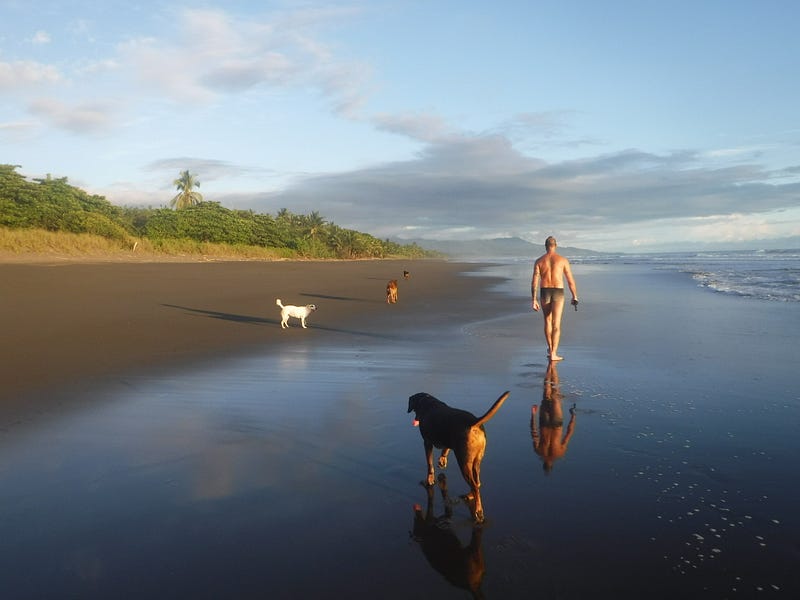
Costa Rica was our first nomadic destination in 2017. We started with a 2-month housesit on a very undeveloped beach on the southwest coast. It was a real paradise. There were no large hotels or pumping bars, just small beach bungalows and quiet.
Sloths, monkeys and iguanas were spotted regularly around our house, and we relished in the unspoiled and untouched nature that resided just outside our front door.
Our first housesit was almost finished when the owner of a 2 bedroom casita a couple doors down asked us if we would manage it and take care of his three dogs when we were finished at the first housesit. It was a perfect scenario as he told us we could also take half the money we made from the tourist rentals.
Here we were, just a couple of months into our nomadic life and we were already getting new offers and making money to boot. We were ecstatic.
Throughout our time on this beach, we got to know some of the locals who lived there. One day, as we walked the beach, we noticed a familiar face at the turtle sanctuary that we passed by every day on our walks with the dogs.
He was a bit of an odd guy and had a visible physical disability. I’m sure he had a learning disability as well, as I often found it hard to understand what he was saying, even though I mostly understood Spanish at that point. But he seemed harmless so we engaged in conversation with him occasionally.
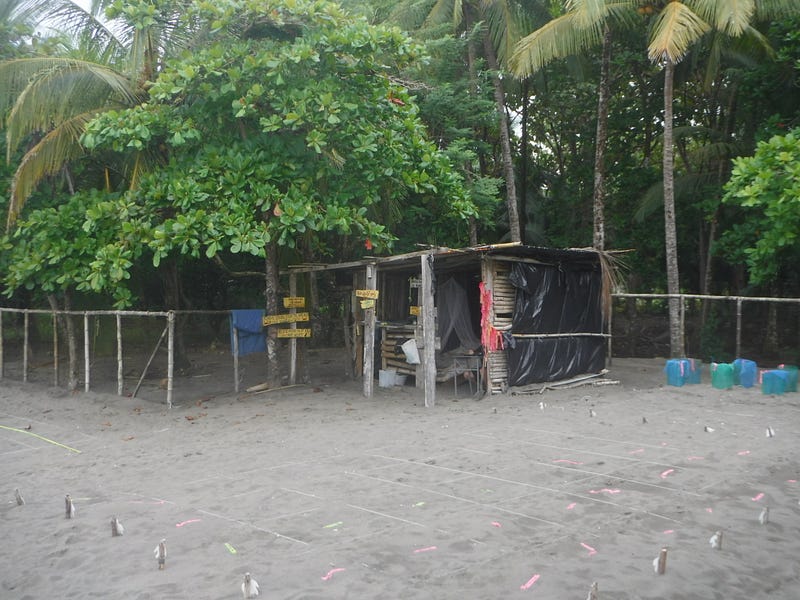
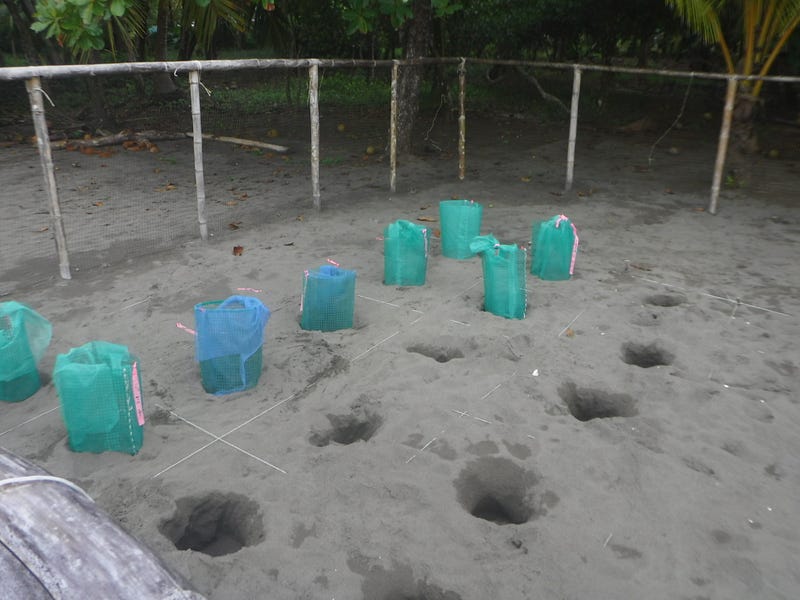
He looked to be volunteering for the organization, as he was behind the fence and speaking with another guy who was working there. They were digging holes so they would be ready to put turtle eggs in if they happened to find a nesting site on the beach.
You may wonder why this is necessary. Sadly, we learned that the locals still steal turtle eggs to eat. Apparently, they increase one's virility — at least that is what they believe — and they come at a high price. Because of this reason alone, many organizations have set up these areas so they can retrieve the eggs once they are laid to protect them.
We were disgusted to learn this bit of information, and sadly over our time in Costa Rica, we learned many other things about how the locals treat the environment that surely don’t line up with the pristine image that the government has created for this eco-tourism destination.
Thick Black Smoke Was Billowing Out of the Costa Rican Jungle
A true(ly disturbing) story
medium.com
A few days later we ran into him on our beach walk and I told him that if the turtles hatch at the sanctuary, we would love to see them. He promised me that he would come and get us when it happened. Again, I assumed that he was a volunteer or was affiliated with the sanctuary in some way.
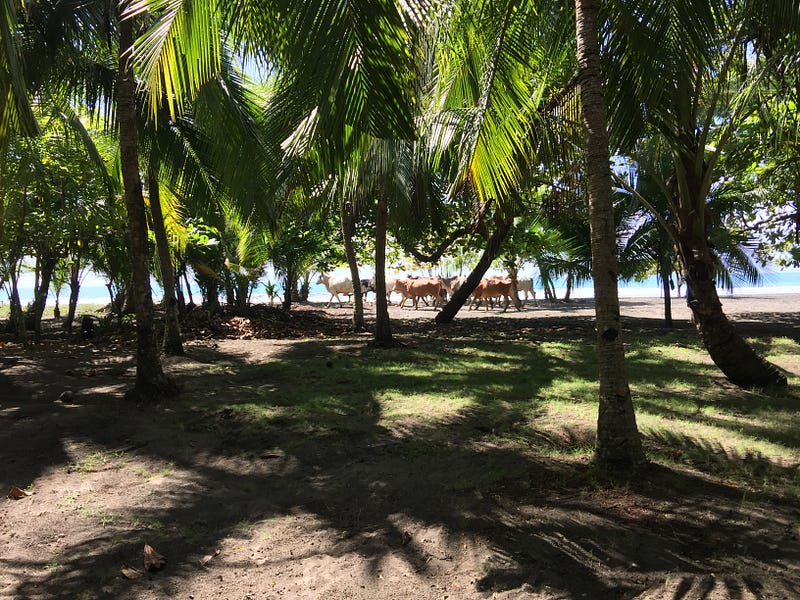
A week or so later, we heard him yelling at our back gate.
“Julia, Julia, las tortugas estan listas!” The turtles were ready!
We quickly grabbed our things, locked the house, and raced down the beach to see the big event. We had never seen baby turtles before and we were very excited.
Sure enough, there they were. One of the volunteers was digging in a hole and a few baby turtles were crawling their way out of the sand. As they retrieved them, they placed them in a large bucket so they could be transported down to the water.
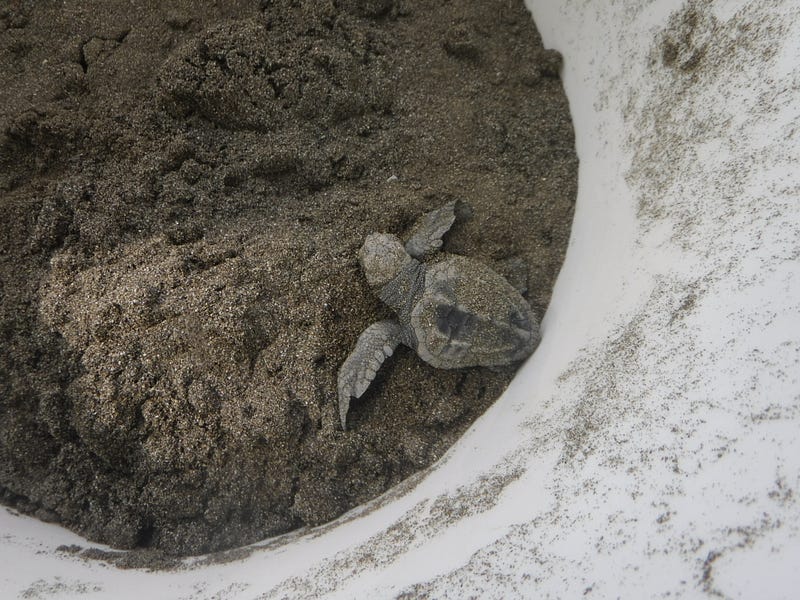
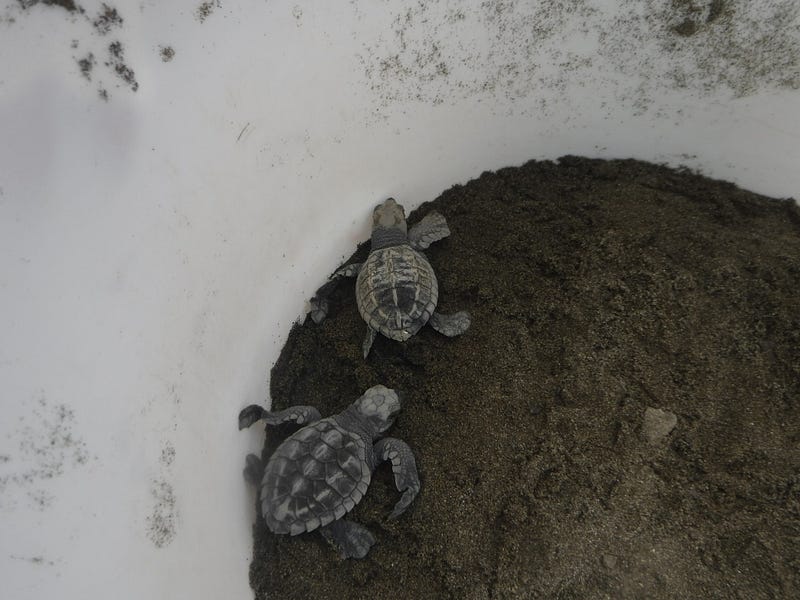
Of course, I asked if I could assist in this process. They were so adorable and I wanted to be part of getting them safely to the ocean to give them the best possible start.
After putting a rubber glove on, I was able to carry one of the turtles down the 30 yards to the water’s edge.
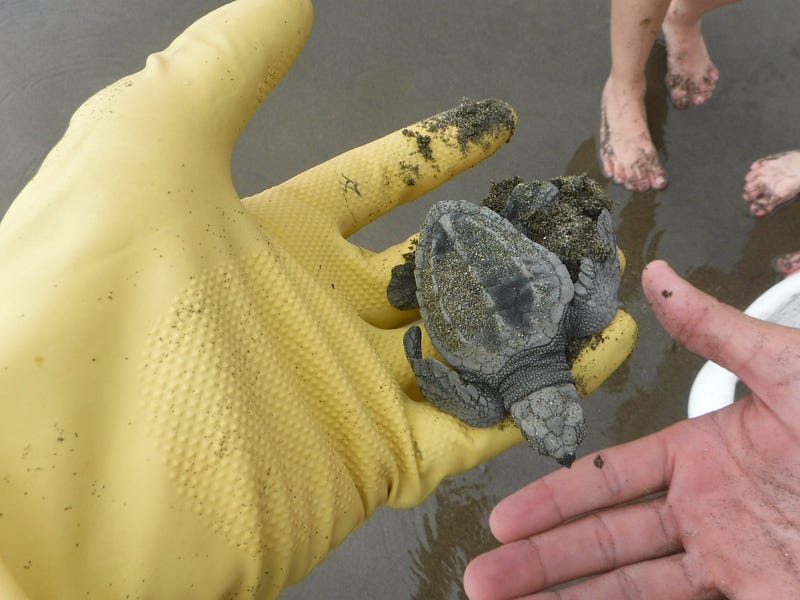
Words can’t describe what a powerful experience this was. Watching these impossibly tiny little creatures make their way into the vastness of the ocean was an experience that I will never forget.
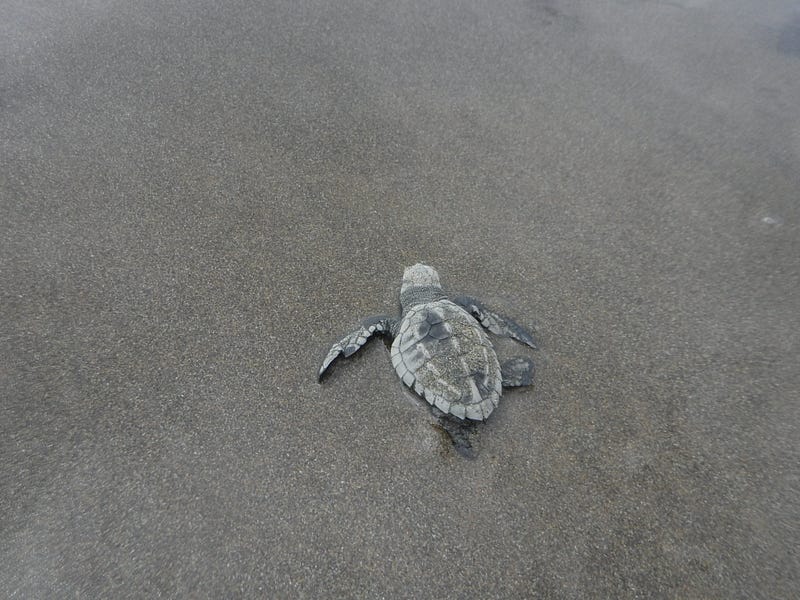
We learned that day that only one in 1000 baby turtles survive until adulthood. Each nest can hold around 100 eggs, so these statistics are alarmingly small. Not to mention, the ones that hatch in the turtle sanctuaries are even less likely to survive because many of the eggs get damaged in the process of moving them, no matter how careful they are. So a lot less hatch than they would in the wild.
I can’t remember the exact numbers but I would venture that only about six turtles came out of this particular nest that day.
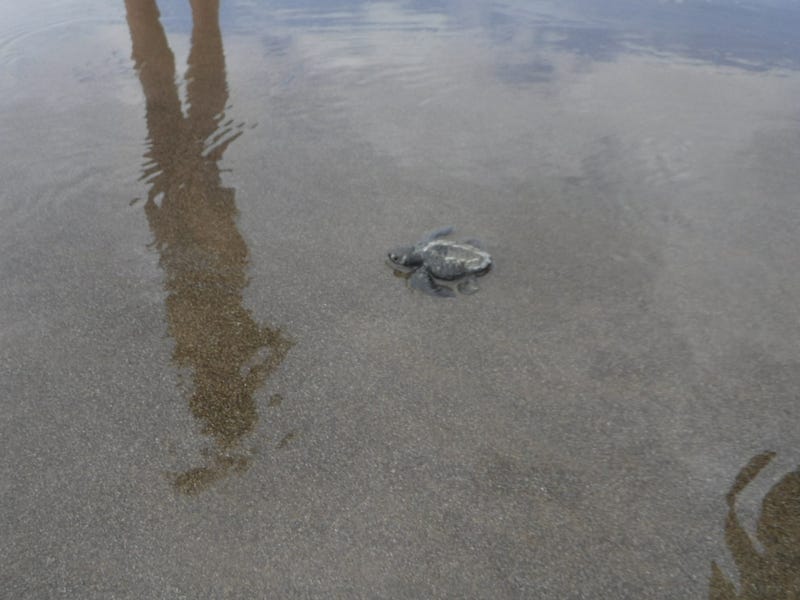
We all walked slowly with it as it entered the gently lapping waves. The tide was low so there was a big sand flat for it to get through before it reached a place where it could finally swim.
As the waves tossed it around initially, I couldn’t help but think about the life of this little guy. Such a tiny creature making its way into an incredibly large body of water. I knew its chances of survival were slim to none.
“Goodbye little buddy. Good luck out there.” I called to it from the shore.
I caught myself standing on my tiptoes, trying to catch glimpses of it as long as I could. We watched its teeny tiny head pop up above the surface of the water for a few minutes until, finally, we could no longer see it.
I wrestled with a mix of emotions in that moment. On one hand, I was happy to have helped it get into the water, at least, on the other I was devastatingly sad for its potential demise — knowing how high the stakes were stacked against it.
But WOW! What an experience! We made our way back to our house on cloud nine.
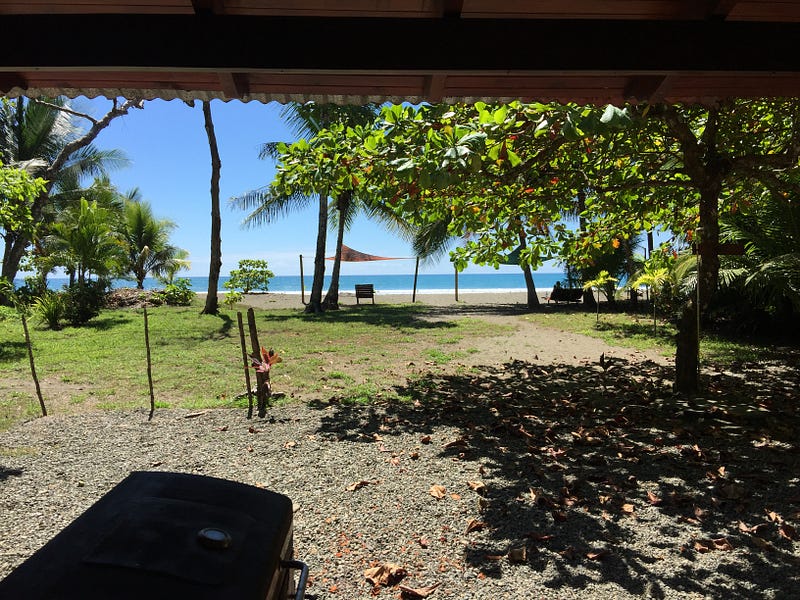
Fast forward a few months to the next housesit. By then it was March 2018 and Chris and I were set to volunteer at the Envision Music Festival that takes place yearly about 50 kilometers from where we were housesitting. We had arranged to volunteer there shortly after we had arrived in Costa Rica and were excited to attend this popular music event since friends of ours in Canada had told us about it.
Coincidentally, another couple from our town in Canada was passing through the area on their way to do their own house sit and they were able to step in and manage the casita for us while we left for 5 days.
The day we returned, we were met with much excitement. The night before, one of the guests was walking on the beach late at night and noticed turtle tracks coming out of the water. He followed them up the beach and was thrilled to see a large turtle digging a hole in the sand just below the place we were managing. If you look at the above photo, it was just in front of the palm trees on the left.
They already knew that the locals were known to steal eggs, so they decided that to protect this nest they would set up the loungers down on the sand, sleeping and watching over it all night.
We were told all of this information and shown the site when we arrived at mid-day the following day. Of course, they were staying very close and were watching the hole with great interest — the turtle had been and gone by then.
Obviously, we wanted them protected as soon as possible. We had numbers for both the volunteer organization that managed the sanctuary, plus the number for the fellow that took us to see the baby turtles, so I sent WhatsApp messages to both.
The guests had to head out by then but our friends that were managing the housesit for us stuck around for a while. Soon, our friend who took us to the turtles showed up.
Chris walked him down to the hole and showed him where they were. He told Chris that it was necessary to bring them to a safer place so that they wouldn’t be so obvious and near the turtle tracks. Of course, we had no reason to not believe him. He said that from there, the volunteers would take them to the sanctuary.
So Chris got a bucket and they dug up the eggs to take them to the secret location. I wasn’t with him then, but he tells me that the guy repeated over and over (in Spanish, of course), “This is so amazing, you are good people and you are doing a very good thing here.” He returned to tell us what had transpired and we were all ecstatic with how the events had unfolded.
At that point, our friends felt confident in the fate of the turtle eggs and decided that it was time for them to leave and head to their own housesit. They left thinking that between them and the guests, they had all done a good job of protecting this nest from the locals.
However, about an hour later, the head of the volunteer organization, whom we had also messaged, showed up with a group of young foreign volunteers in tow. Chris told him what happened and took him to the location where they had moved the eggs.
Well, from the title of this article, you will likely guess that the eggs were nowhere to be found and an empty hole in the sand was left in their place.
Of course, we were devastated. It turned out that the guy we had trusted, wasn’t trustworthy at all — and he wasn’t even a volunteer for the organization. He had fooled us and we were very angry.
Words can’t truly describe how we felt at that moment. Here we thought that we had done our best to protect the turtles and the very man who had gained our trust and admiration had pulled a fast one behind our back.
We never did tell our friends about the ultimate demise of the eggs. After they and the guests put so much effort into protecting them, we just couldn’t bring ourselves to do it. Instead, a few months later, I read a post on her blog that told of her experience saving the turtle eggs. I couldn’t help but smile, knowing how happy this experience had made her, and I didn’t dare ruin that for her. Some things are better left unsaid.
Until governments get busy educating their people, instead of pouring all of their money into tourism marketing, these instances will keep continuing. Like I said earlier, over our time spent in Costa Rica, arguably one of the most pristine eco-destinations in the world, we would learn of many terrible atrocities that the locals would commit against the very environment that sustained them. But Costa Rica is not alone in this — sadly it happens all over the world.
It breaks my heart to consider the plight of the turtles, and all other nature that lives with us on earth. But I hope that writing about these instances at least educates others so we can all better understand how we collectively impact our environment and the species that we share our planet with.

For more of my articles about the climate and environment:
If you like my writing and want to read more, follow me and sign up here to get my articles by email. We would also be happy if you considered leaving me a tip by using the link to Patreon or Ko-Fi below:)
We have been nomadic since 2017! Join our journey by hitting these links:
Website | Instagram | Facebook | LinkedIn| Patreon| YouTube | Medium | Twitter | Ko-Fi | Unsplash


