
Has the Elamite linear writing finally been deciphered? Controversy over the latest research
An international group of scientists has again analyzed the writing used by the ancient Elamites. It was used at the end of the 3rd millennium BC, but until now no one has managed to read it.
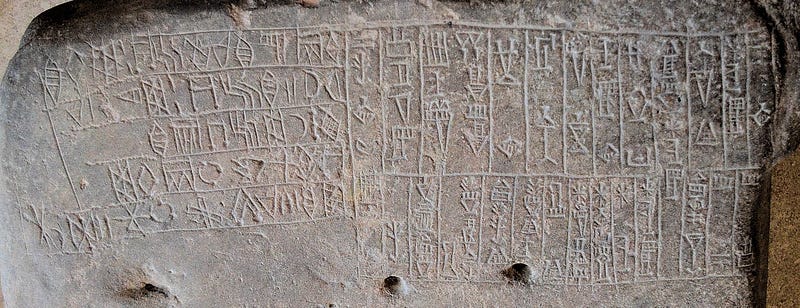
More than 4,400 years ago, the ancient state of Elam was established in what is now southwestern Iran and the mountainous province of Lurestan. It was a rich and powerful country, but little is known about its history due to scarce sources. And also because some important documents were written in a linear script that no one has managed to decipher so far. They were first discovered during excavations in Susa (the most important city in Elam) in 1903.
Has the mysterious writing finally been understood?
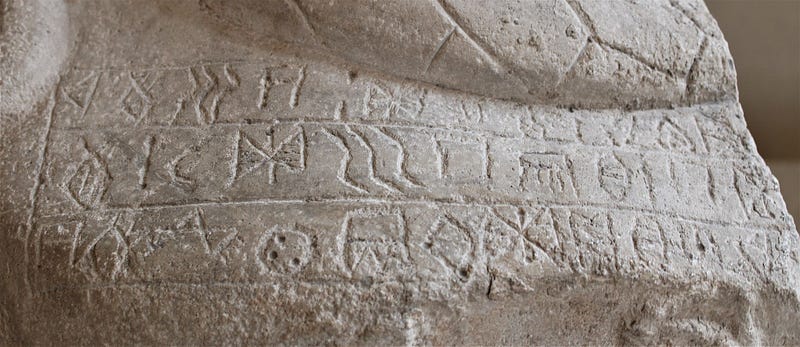
An international team of scientists decided to reanalyze the signs of Elamite linear writing. Eight silver cups bearing inscriptions in the Elamite language were used in the study. For the first time ever, the researchers described and discussed, among other things, the phonology and individual rules of this ancient script. The scholars claim to have translated most of the characters and deciphered some sentences.
One, which appears in the article, refers to an Elamite ruler. The scholars believe that a certain inscription refers to Kutik-Inshushinak. He was an ancient king of Elam, the twelfth and last representative of the dynasty from Awan (today a village in Armenia). The ruler reigned in the second half of the XXIII century BC. The translation provided by the researchers reads as follows: “Kutik-Inshinak, king of Avan, the god Insušinak loves him.” The researchers claim that the text goes on to read that anyone who rebels against his ruler will be “destroyed.”
Some scientists cast doubt on the latest analysis
A translation and analysis of the text was published in the German scientific journal Zeitschrift für Assyriologie und Vorderasiatische Archäologie.
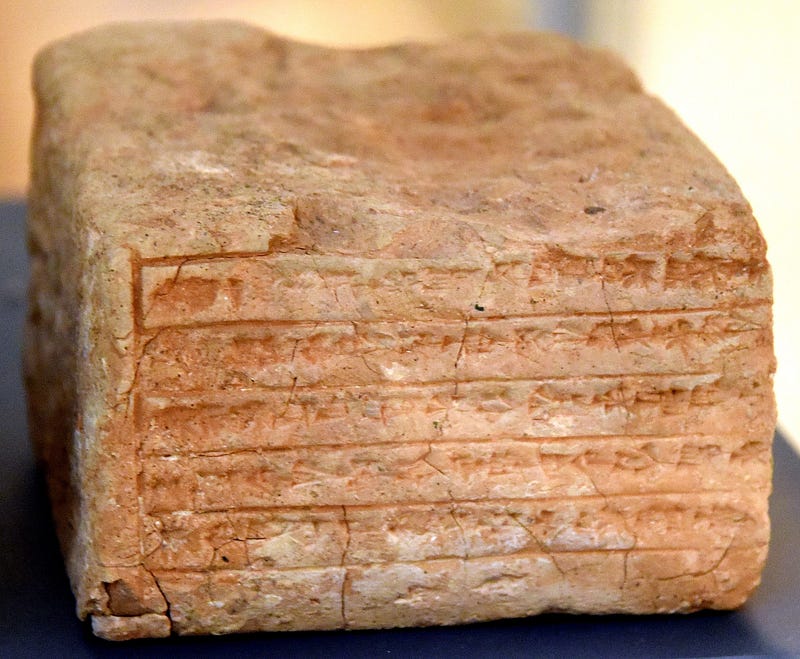
Scholars have relied on the widespread assumption that the syllabary of the linear script is derived from the Protoelamic script. It is the oldest known writing system ever used on the territory of present-day Iran. Some historians claim that this script developed from the early cuneiform script. However, this system has also never been read in its entirety, raising doubts among some scholars about the methodology.
The final result is still worth waiting for
Jacob Dahl, a professor of Assyriology at the University of Oxford, in an interview with Live Science, believes that contrary to the belief of the authors of the publication, the decipherment is not correct. The scientist questions the artifacts that were used in the analysis of the inscription. Dahl claims that they were found at a Bronze Age archaeological site, and that the inscriptions show signs of forgery. The authors themselves in the article refute similar allegations.
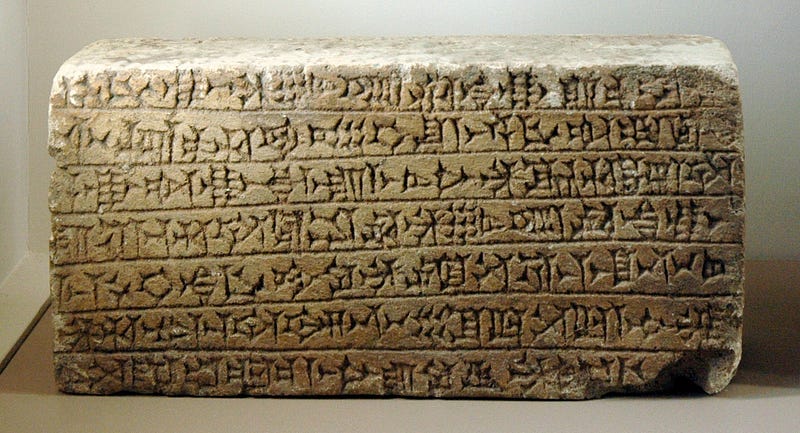
For the time being, it is necessary to refrain from hurra-optimism and wait for further publications by scientists. And, above all, for verification of the discovery by the scientific community. Perhaps we are on the right track to talk about a breakthrough in the study of ancient Elam. Importantly, the linear Elamite writing is not the only writing still waiting to be deciphered. There are still undeciphered writing systems. These include:
- Rongorongo,
- records on disk from Phaistos,
- Tochar languages,
- writings of the Indus Valley civilizations,
- kipu,
- Warrior Manuscript
Source: „Zeitschrift für Assyriologie und Vorderasiatische Archäologie”
Cool that you made it to the end of this article. I will be very pleased if you appreciate the effort of creating it and leave some claps here, or maybe even start following me. Thank you!


