
Ancient languages: 7 still unread writing systems. Who will decipher them?
Scientists have been trying for years to decipher ancient languages from Europe, Asia and America. Deciphering these mysterious writing systems could bring answers to many questions about ancient civilizations.
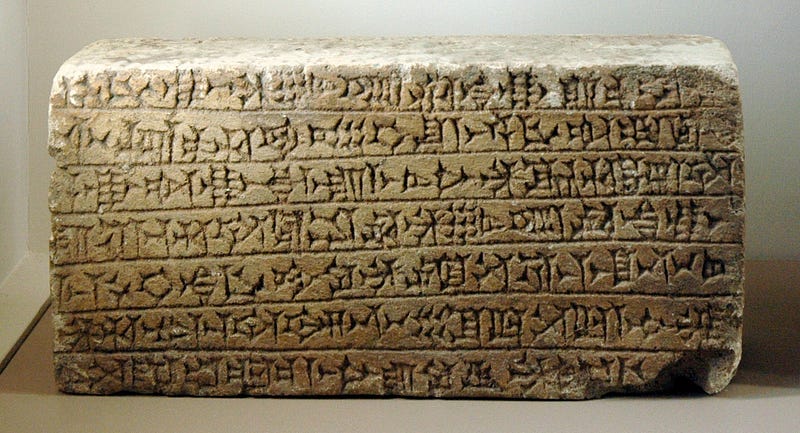

The alphabet, or voiced writing, invented and used in our civilization, in which successive symbols represent different sounds of human speech, is, of course, not the only way for humans to record information. In Asia, though, pictographic and ideographic writing became more widespread. In it, pictures (pictograms) are used to record actions and objects, and so-called ideograms are used to record ideas and abstract concepts.
However, human history knows many more writing systems. Some of them we still can’t decipher. Here are 7 languages still considered unreadable.
Rongorongo (Easter Island)
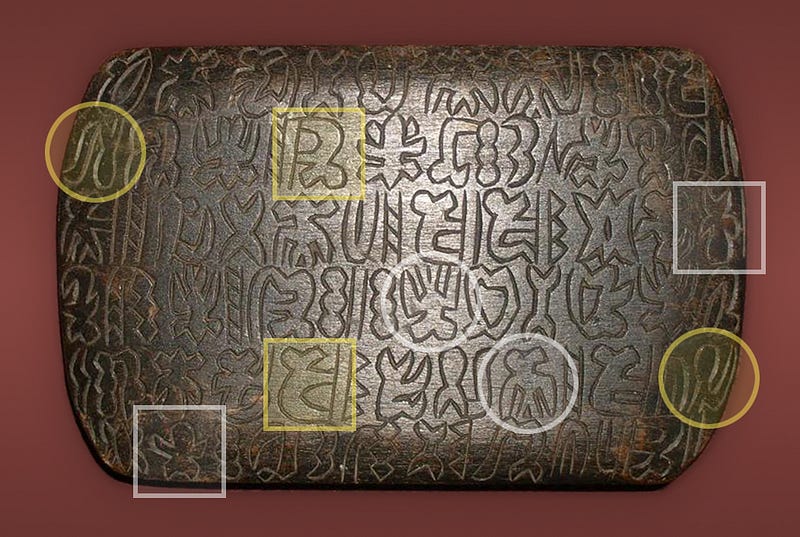

This is the common name for the as yet undeciphered script of the Rapa Nui people, indigenous to Easter Island. Linguists, archaeologists and, more recently, even computer scientists have been working on decoding it for more than a century. Indeed, computer algorithms have been harnessed to work on understanding this ancient alphabet.
It is true that the rongorongo language is still in use in its spoken version, but its modern variety is a mixture of local words with a lot of borrowings from Spanish and French. One of the first monuments of writing found is a fragment of a 1770 treaty signed by the island’s elders. At the time, however, no care was taken to prepare a translation into any of the European languages. Thus, the chance to directly translate and read the writing was missed. One hundred years later, when the discovery of most of the rongorongo texts was made, its native speakers were long dead or had been abducted to Europe.
Linear writing A and disc from Phaistos (Crete)
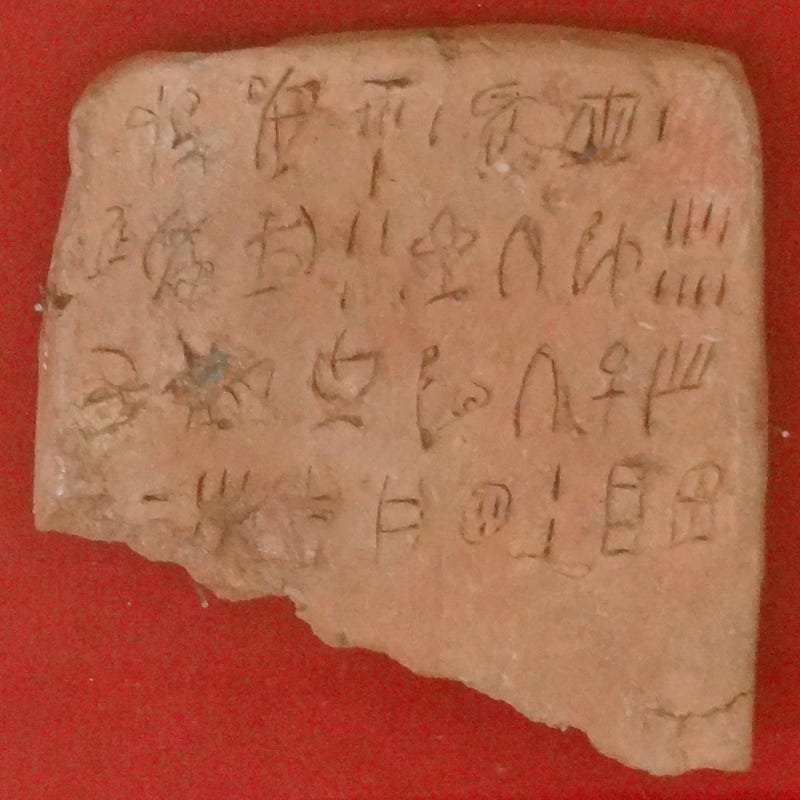

The Minoan civilization of Crete reached the peak of its development 1500 BC. It was one of the most advanced cultures of its time and was one of the first to develop its own writing, known today as linear A.
One of the most famous monuments of this way of writing is the famous Phaistos disk. On the dish, found in 1908, was written a sequence of ideograms, which to this day have not been deciphered. Minoan civilization was destroyed by the eruption of the Thira volcano. On its ruins arose the Mycenaean state, which developed a new way of writing — Linear B writing, read in 1953.
Proto-Elamite writing (present-day Iran)
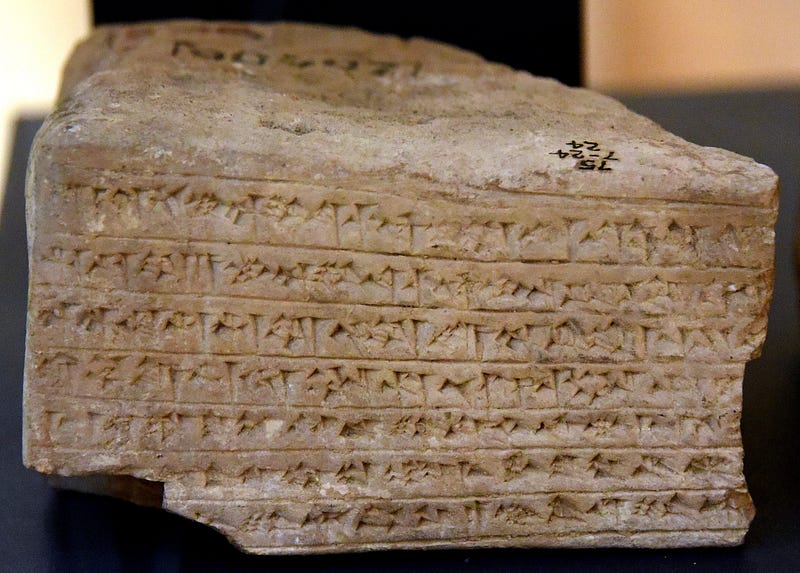

Elam is one of the least studied ancient civilizations. The Elamite state arose around 2,500 BC on the territory of present-day Iran, developing most luxuriantly on the shores of the Persian Gulf.
To date, it has not been possible to categorize the Elamite language into any major language group. All that is known is that both the ancient Elam languages and writing were influenced by the neighboring Sumerian culture. There is a theory that Elamite may have been related to the Dravidian languages of present-day India. The writing used by the Elamites, despite surviving relics in the form of cuneiform tablets, has not been read to this day, leaving details about the civilization’s daily life a mystery.
Tocharian languages (Central Asia)
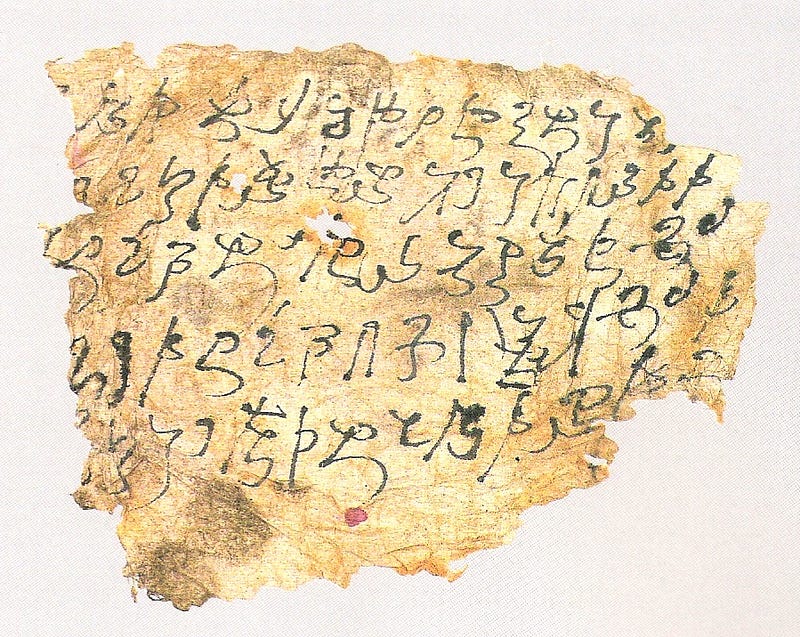

The Tocharians inhabited the Pamir basin from around 2000 BC. The remains of many representatives of this people have been found mummified in the sands of the desert there. Scientists agree that the Tocharians may have been the easternmost settled Indo-European people, related to the Celts.
To this day, they are associated with women’s pointy hats, which later became popularized in medieval Europe as well. Tocharian writing probably became extinct in the 9th century AD, and Tocharian manuscripts still remain largely undeciphered.
Writing of the Indus Valley Civilization
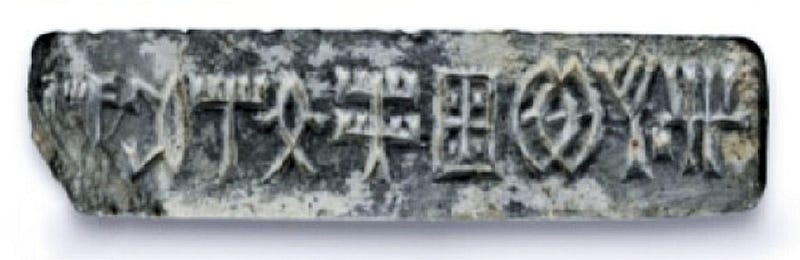

Indus Valley writing signs found on small clay tablets date back 4,500 years to the first historical civilization to develop in the Indian subcontinent. The Indus Valley civilization arose almost simultaneously with the cultures of Mesopotamia and ancient Egypt.
Images, symbols and signs of the so-called Indus Valley Civilization script were officially recognized in 2004 as pictograms of religious and political significance. A computer analysis conducted proved otherwise. The logical structure of the script is simply a reflection of spoken language. However, researchers to this day have not managed to decipher the meaning of the individual characters of this script.
Kipu / Quipu (Inca Empire)
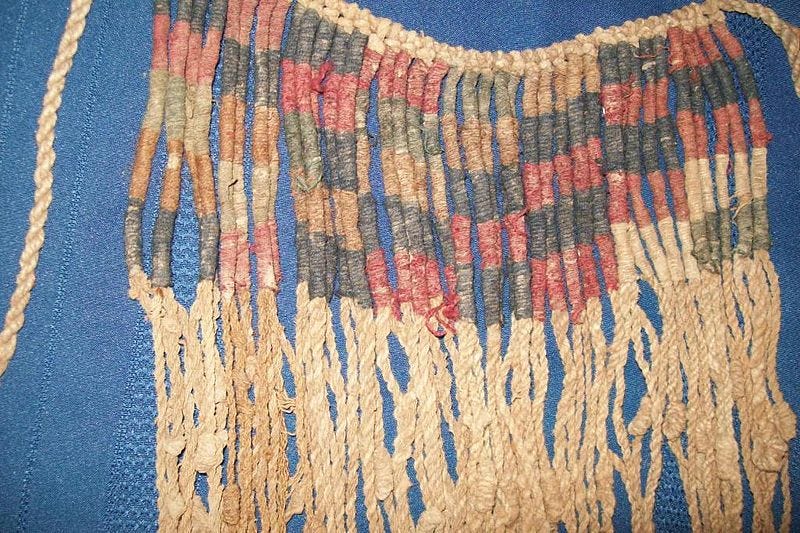

The language used for common communication in the Inca State was Ketchua, a language still spoken today in Peru, Bolivia and Ecuador. However, the Incas did not use any writing system. Instead, they used kipu, or specially encrypted knots, to send messages over long distances.
With the extermination of the Incas, the possibility of reading this unusual way of encrypting information was lost. Colorful strings with knots made of cotton or llama and alpaca hair are still preserved today. However, no one has any idea what messages were written in them.
Wojnicz Manuscript (Medieval Europe)
.jpg)
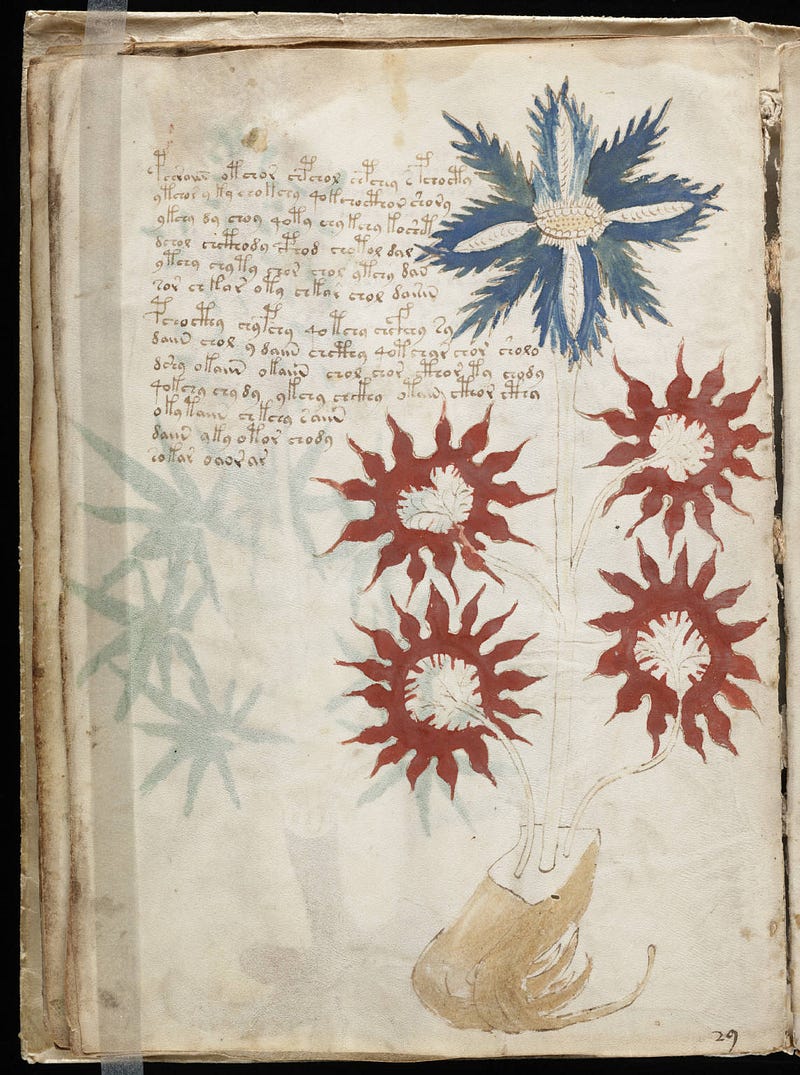
The Wojnicz Manuscript is a medieval book written between 1404 and 1438. Before the radiocarbon dating method was used, the authorship of the manuscript was attributed to philosopher Roger Bacon, alchemist Edward Kelley and occultist John Dee, among others.
To date, 120 pages of the manuscript have survived, containing intricate drawings and described in a mysterious script. In 1912, the manuscript was discovered by Michal Wojnicz, also known as Wilfried M. Voynich — a Polish-American bibliophile and antiquarian. Despite many attempts by both cryptologists and amateurs, no one has managed to decipher even a short fragment of Wojnicz’s Manuscript.
Cool that you made it to the end of this article. I will be very pleased if you appreciate the effort of creating it and leave some claps here, or maybe even start following me. Thank you!