
Gluten-Free Doesn’t Mean Guilt-Free
Or, calorie-free… How healthy is a gluten-free diet?
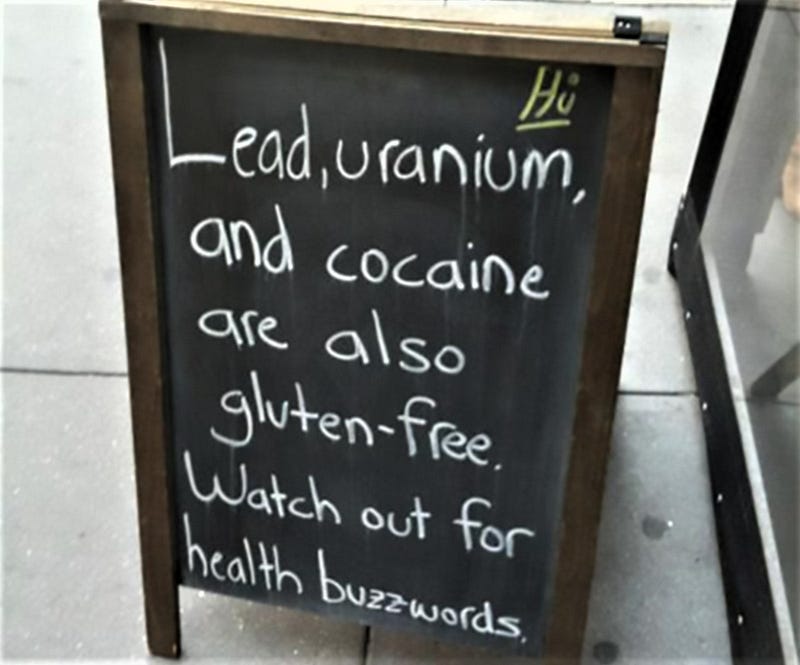
Most of us will probably know somebody who is gluten-free. When you eat out, they complain that there’s nothing that they can eat.
They get frustrated when the waitress suggests a fruit salad for dessert.
It’s a thing.
Some people eat gluten-free because they mistakenly think it’s healthier.
And it has no calories… or something — I have had a real conversation with somebody who’s overweight but “healthy” and thought that you don’t have to count calories because it “has no gluten” in it.
It seems a common misconception is if something is healthy, calories don’t matter…
It’s crazy that people think this!
And it goes to show how terrible many peoples general knowledge about nutrition is. Much of it comes down to how health is marketed to people.
In this article, I explore the gluten-free diet and its implications on our health.
What is Gluten?
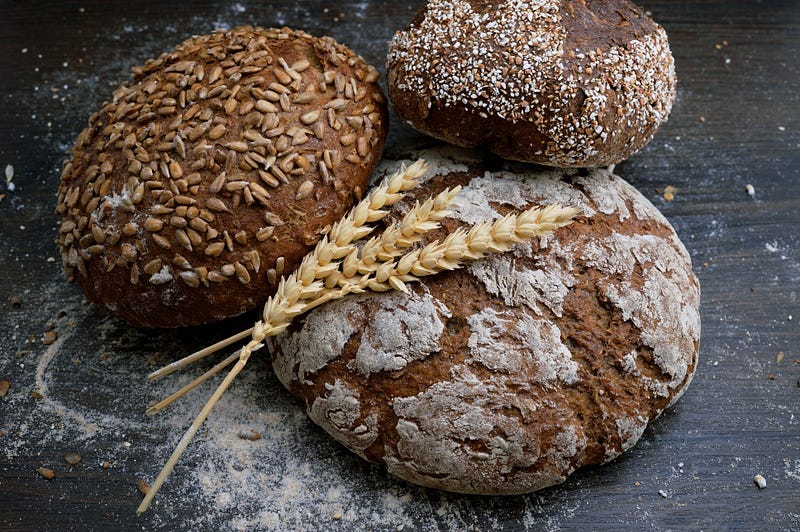
Gluten is a family of proteins found in grains such as wheat, barley, rye, and any products that contain these ingredients, such as bread.
Gluten “is a general name for the proteins found in wheat, rye, barley and triticale — a cross between wheat and rye. Gluten helps foods maintain their shape, acting as a glue that holds food together.” — Celiac Disease Foundation
Mixing flour with water causes the gluten proteins to form into glue-like consistency, giving the dough elasticity and the ability to rise during baking.
Why are some people gluten-free?
A small proportion of people have an intolerance to gluten, meaning if they consume it, it can badly affect their health.
Common side effects include stomach aches, bloating, gas, and diarrhea. Others include flu-like symptoms, headaches, mental fogginess, fatigue, muscle pain, skin rashes, joint pain
In these people, gluten causes their immune system to damage the small intestine lining, leading to poor absorption of iron, folate, and other important nutrients.
Celiac disease has genuine scientific evidence for gluten intolerance, meaning people should completely remove it from their diets.
“Celiac disease, also spelled as coeliac disease, is the most severe form of gluten intolerance. It affects about 1% of the population.” — medicalnewstoday.com
Some health experts believe that as many as 10% of people have some form of gluten intolerance or sensitivity. Yet other research suggests between 0.63 and 6% of people have an intolerance or sensitivity to consuming grains (for some, it’s not gluten).
The medical world still has little understanding of non-celiac gluten intolerance or other wheat allergies.
Unlike Celiac Disease, non-celiac gluten sensitivity doesn’t have the same scientific evidence to suggest that consumption can cause intestine damage and long-term health problems. Think of gluten sensitivity as a spectrum — people at the less severe end can consume gluten until they feel discomfort without majorly affecting their health.
“Gluten sensitivity is a kind of “non-diagnosis,” in other words — a diagnosis by default for those who don’t have celiac disease but feel better on a gluten-free diet.” — Health.com
The Gluten-Free Fad
Eating gluten-free has become increasingly popular over the past ten years.
In 2015, it was reported that 20% of Americans try to eat gluten-free foods. Gluten-free foods even have a section in the supermarket!
The diet has become trendy in some fitness circles, gluten-free people apparently, say things such as, “I freaking love my vegan gluten-free power ball!”
Is Gluten-Free better for you?
Simply — if you’re part of the very small proportion of people with Celiac Disease or those genuinely gluten-sensitive, yes.
For the rest of us, nope.
Findings from this study indicate that some people on gluten-free diets can experience a placebo effect. They might believe that they feel better when eating gluten-free. Yet, in a blind test, this wasn’t the reality.
“A large percentage of people who claim NCGS do not feel those manifestations under a double-blind challenge to gluten.”
Many individuals who claim to suffer from nonceliac gluten sensitivity may in fact have no actual sensitivity to gluten although it is possible they are sensitive to other components of wheat.” — Diez-Sampedro et al, 2019
There are some benefits to being gluten-free, however, as people should aim to eat plenty of whole foods such as fruit, vegetables and meat.
But, when they avoid processed foods, cereals, and grains that contain gluten, they often replace these foods with processed gluten-free alternatives, which are still processed and no healthier.
2019 research went as far as saying that a Gluten-free diet is not an appropriate choice without a medical diagnosis.
The problem with marketing gluten-free as a “healthy” option
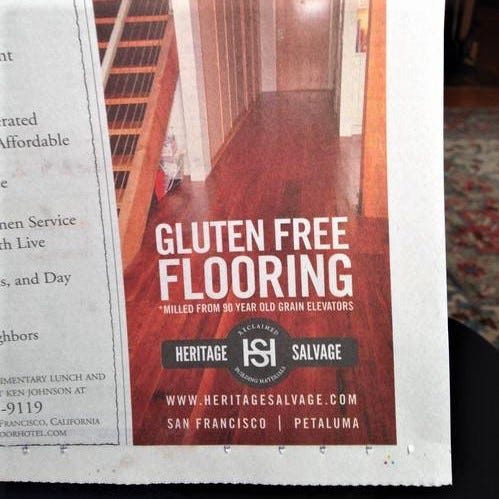
Eating Gluten-free isn’t any healthier — it just means people sensitive to gluten won’t feel sick if they consume it.
Yet, gluten-free has become another fad diet. Marketing has a lot to do with this.
The fitness industry, in general, has little ethics with its marketing. Gluten-free is one of those grey areas where fitness and health crossover and health marketing starts becoming deceptive.
A good example of this comes from New Zealand, where popular breakfast cereal Weet-Bix had a gluten-free version introduced.
Being our version of Weetabix (thank you, captain obvious), wheat is the main ingredient, thus it’s meant to have gluten!
The producer of Weet-Bix, Sanitarium, pulled its TV ad for gluten-free Weet-Bix, following a complaint from a medical doctor. The complaint was around the ad implying that gluten-free Weet-Bix can help reduce the discomfort caused by bloating.
A woman said in the ad said “I felt quite bloated and since I’ve been eating less gluten I feel a lot lighter and have more energy…”
The doctor considered the ad misleading as bloating is common and has many triggers. Therefore, cutting gluten from a diet would not necessarily benefit everyone but consumers without “specialised knowledge” might be could be persuaded to buy it.
“At no point does the dialogue state that this sort of product is really meant for inclusion in a gluten-free diet, as prescribed for those who are diagnosed with an auto-immune disease, for example, coeliac disease which requires antibody testing and only affects a tiny portion of society.” — The complainant
Another problem: People forget about carbs
You know how bread gets a bad wrap for being “high carb” — guess what?
Gluten-free bread will still have carbs!
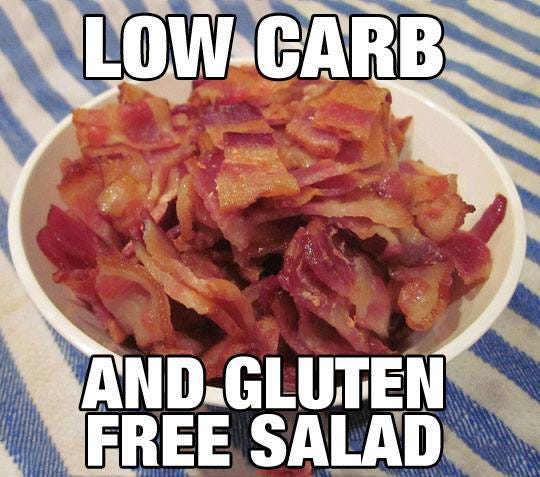
Gluten-free foods still have calories and in fact, gluten-free alternatives such as Almond Flour, Coconut Flour, and Rice Flour are often higher in carbs than what they’re replacing.
Moreover, many gluten-free people eat a lot of nuts, which are high in fats and calorie-dense for the volume of the food. This means it’s very much to be eaten in moderation.
It’s the “healthy” thing — many people assume healthy means eating as much as you want.
The article linked below explores research finding that people underestimate the number of calories in healthy food to the extent that there was a “negative calorie bias”.
Final Words
This article discussed gluten-free diets and how they can impact on a person’s health.
I provide evidence that if you’re not genuinely gluten-intolerant, it’s probably pointless to avoid gluten.
If you’re not celiac, it is very hard to diagnose gluten sensitivity; hence, we take people’s word for it.
Many people who believe that they have gluten sensitivity probably don’t. Sorry — it’s science. It could be something else in the grain or a placebo effect due to the marketing of gluten-free products making us believe we feel better.
The marketing of gluten-free as “healthy food” is hazardous as it’s no healthier than what it is replacing. Moreover, some people mistakenly don’t think calories matter if they’re eating “healthy”.
36% of adults in the USA are obese. Now there’s a big problem.
Thank you for reading.
If you enjoyed the content, you might be interested in this article about 5 mistakes people make with fitness New Year’s Resolutions.
Read More Medium Articles
Non-Medium members can only read 3 articles a month — become a Medium Member for unlimited access.
If you would like to read more articles like this one, sign up to become a Medium member for only $5 a month.
Subscribe to be notified when I publish new content.


