Global Hitchhiking to Aruba
A 2000-Mile Crewing Passage
In 2016, I decided to take my sailing life to a new level. After working as a computer consultant for 20+ years in California, the stresses of my job and lifestyle were starting to take their toll. I was introduced to sailing in Belize in 2011, where I boarded a sailboat and didn’t get off again — except to go snorkeling or scuba diving — for a week. That experience sparked something in me and changed my perspective for the rest of my life.
Over the next 4 years, I took sailing lessons, joined a yacht club, and went sailing almost every weekend. But I wanted to take it to a different level. I was in between contracts and felt it was time to take a break.
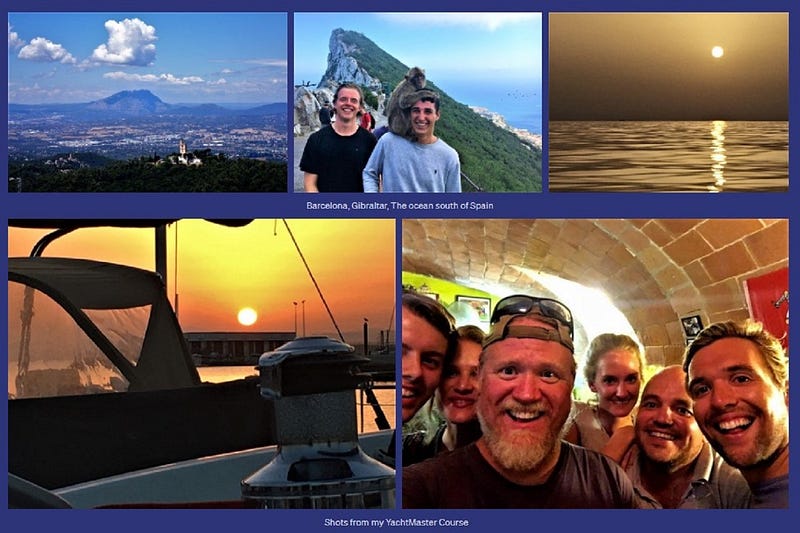
In June 2016, I flew to Barcelona and took a 3-month course that culminated with receiving an RYA YachtMaster Offshore Certificate. Technically, this qualified me to skipper a vessel offshore, commercially. We put in 2000 nautical miles of sailing, during the course, by making passages to Portugal, Spain, France, Morocco, and Tangier. We sailed actively in the waters where orcas are causing problems today.
It was one of the best times of my life. I made lifelong friendships and memories. It was a great way to learn — living on boats and working together on the same goals — with my class/shipmates. I loved it. Not since my trip to Belize in 2011 had I felt so immersed and at one with the sailing lifestyle.
Global HitchHiking
After returning from YachtMaster school, despite having a professional certificate, I decided to get more experience on sailboats by crewing. Think of the certificate as a driver’s license. You have to get one to drive, but it takes experience in all kinds of conditions to drive well. Crewing on other people’s sailboats is a way to get that experience.
Crewing is essentially offering your experience and services to the owner of a boat in exchange for passage on that boat. Sometimes this means a berth, sometimes it means a couch or a hammock. Also, while crewing, depending on the arrangement you make, you might be responsible for your share of the consumables. Different skippers have different requirements and benefits. I preferred paying for my share of the food. I felt like it gave me more say in what we ate. It also felt like I was a contributor rather than just someone exchanging food for my services.
I call crewing, Global Hitchhiking because you can literally crew around the world. I have written articles about the topic in my publication, Global Hitchhiking, that help you get started and discuss safety and practical concerns.
Before going to Spain, I lined up a tentative Global Hitchhiking opportunity with a boat in Norfolk, Virginia, called Caribbean Reiki. When I completed my YachtMaster course, I flew home to California (September 2016). After putting my things in storage and tying up some loose ends, I flew to Norfolk on November, 4th 2016.
Caribbean Reiki
After arriving, I met the members of the crew for this 60-foot boat, preparing to sail to Aruba. The boat had been sitting in the water at a marina for 10 years, unused, and required a lot of work to get it going again. The owners — a nice French couple — were onboard, as well as a young couple from Texas, who also wanted to get some experience sailing on a sailboat by crewing. There were also two cats onboard — honorary crew members for the trip.
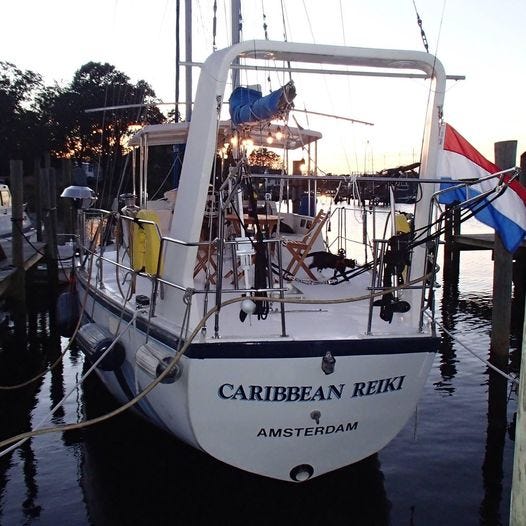
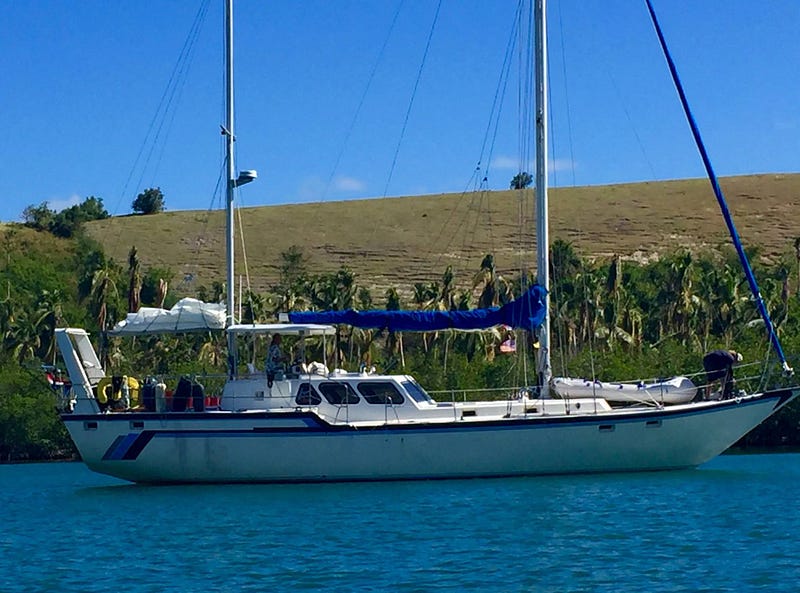
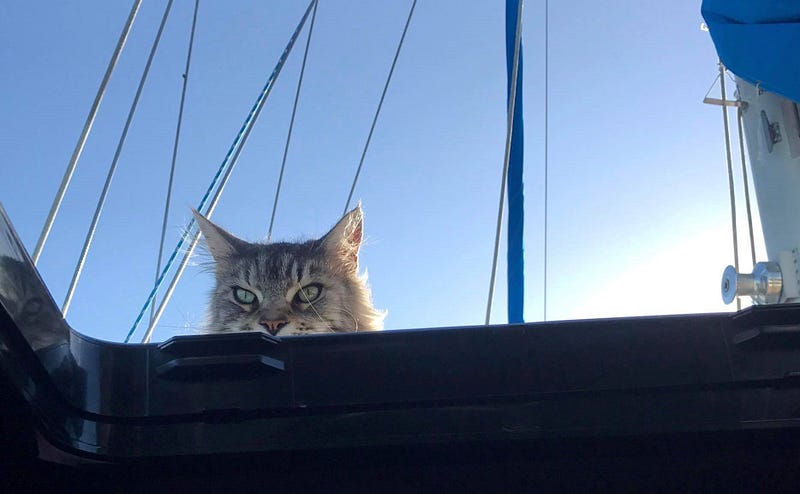
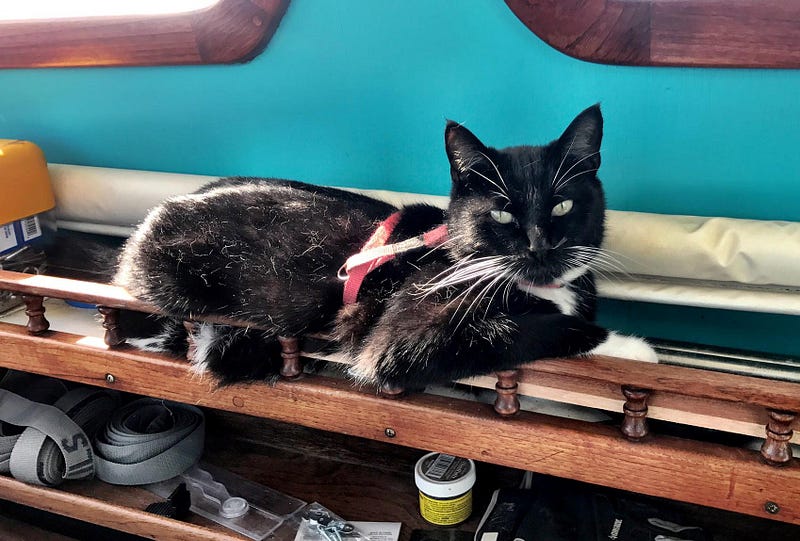
We knew before arriving that the boat did not have an autopilot, which is why Paul, the owner, had invited all of us to crew. Hand steering for 2000 miles can take a lot out of you, which can be made easier with others, taking shifts.
When we checked in, Paul had a small army of people there, working on refitting the boat. Because it had been sitting in the water, unused, for a long time, there were lots of issues. Electrical was one of the biggest issues— that and the motor. Electrical wiring doesn’t last long on a boat, especially a saltwater boat. The wire and connectors get rusty and brittle and eventually fail to carry a current properly. Somewhere between the power box and the top of the mast, there was a short in the wiring. So new wiring had to be run to the top of the mast. And throughout the boat.
The first day I arrived parts of the motor were strewn across the floor of the pilot house and the motor was splayed open like a corpse in an autopsy. Not being a mechanic, and seeing the motor in such disarray, it seemed impossible to me that that motor was ever going to run, let alone run in a week, which was when Paul told us things would be ready.
There was also a list of things Paul asked us to work on. Things like securing a chest with tools on the deck, going to the hardware store to buy parts and supplies, and replacing the navigation lights at the front of the boat. We stayed busy the whole week. We were all excited about this adventure and wanted to get going, so we helped as much as we could. We probably should have come a week later, because they were so behind on the renovations.
Paul had a single purpose for this boat — get it to Aruba and park it in the marina. He was going to turn it into an exotic Airbnb and provide Reiki services to guests. He didn’t want to, nor did he have the budget to spend lots of money to get the boat in tip-top shape. He did the bare minimum to get the boat functional and seaworthy for a single trip to Aruba. He had no plans to sail it after that.
Caribbean Reiki was a Douglas custom, ketch-rigged, 60-foot sailboat with two masts and three sails— the foresail, the mainsail, and the mizzen. It had two helms — one up on deck and the other in the pilot house, where one could escape the weather and steer the boat.
The Journey Begins
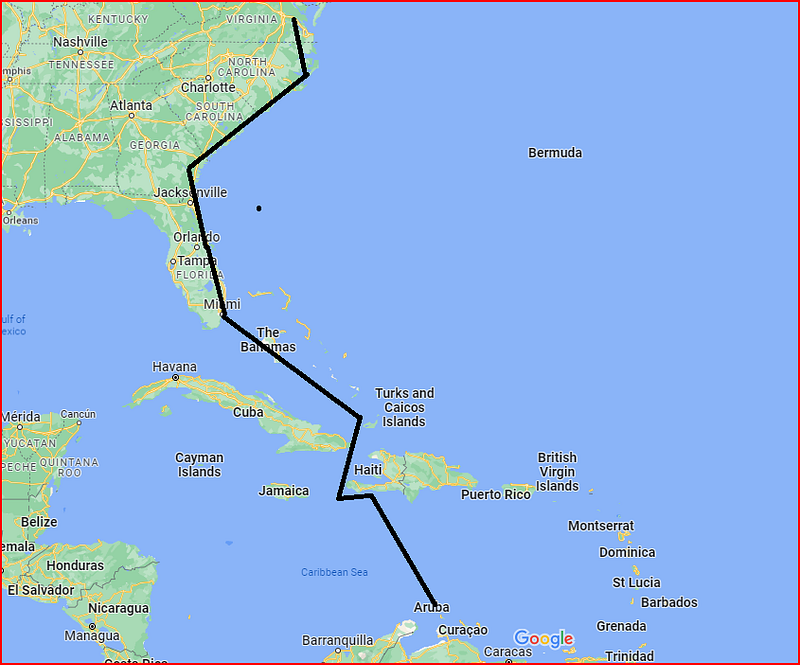
About a week after we arrived — by some miracle— everything was ready and we started on passage. Norfolk, Virginia is where the Intra-Coastal Waterway (ICW) begins — Mile 0 was a marker we sailed past as we began. From Norfolk, we took the ICW all the way down to Miami, Florida. From there we would cross to the Bahamas, go on to Southern Haiti, and then cross over the Caribbean Sea to Aruba, a journey of around 2000 miles. The image below shows our planned route.
Intra-Coastal Waterway
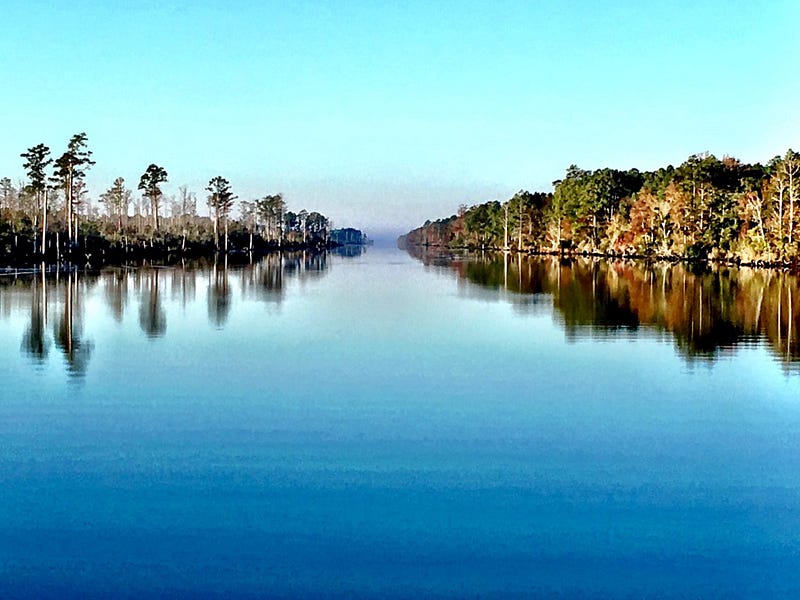
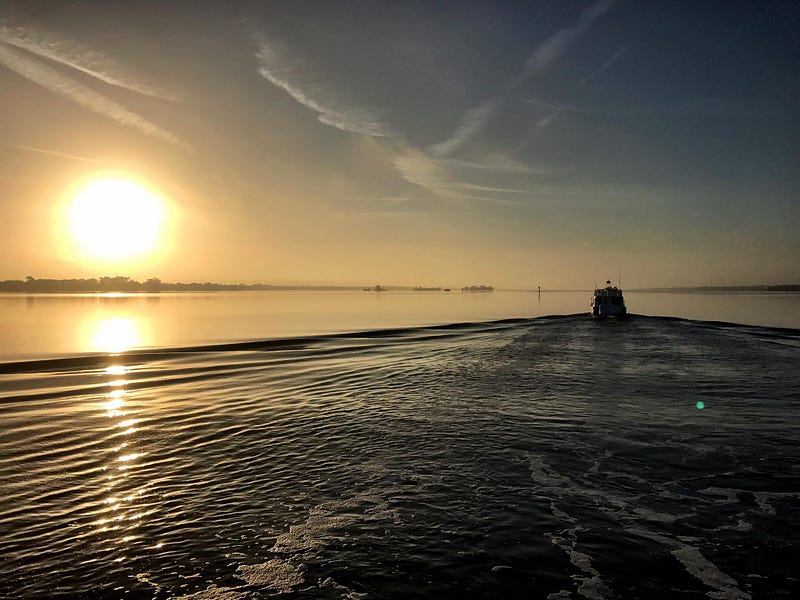
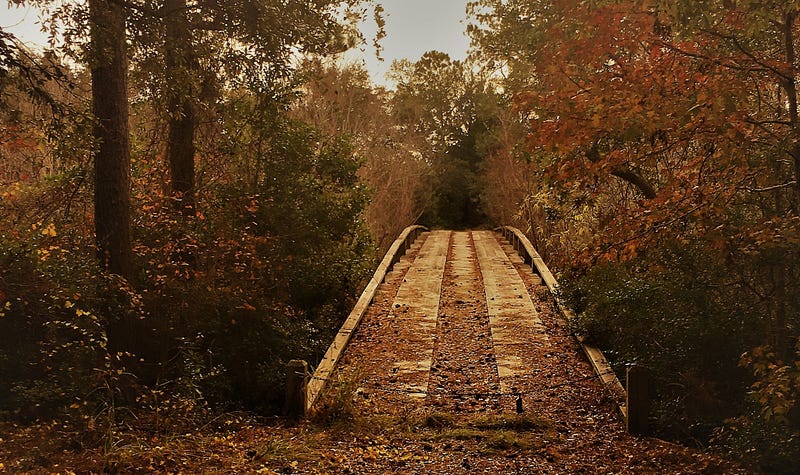
The ICW is one of the coolest and safest places to travel down the East Coast. It is essentially, an inland channel, although you could often see the Atlantic from the boat. Every 25–50 miles the scenery changes, giving you a diverse snapshot of the Eastern Seaboard, from Norfolk to Miami. There were many opportunities for photography along the way.
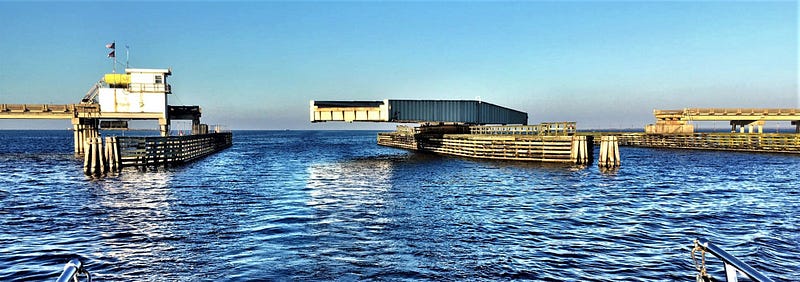
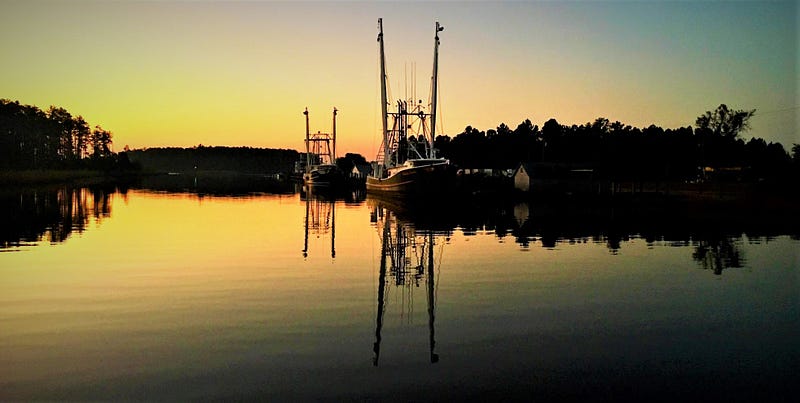
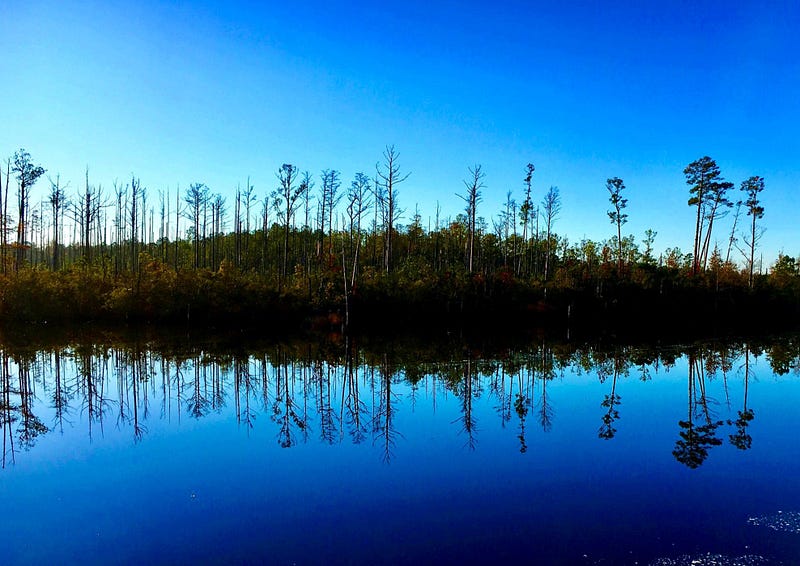
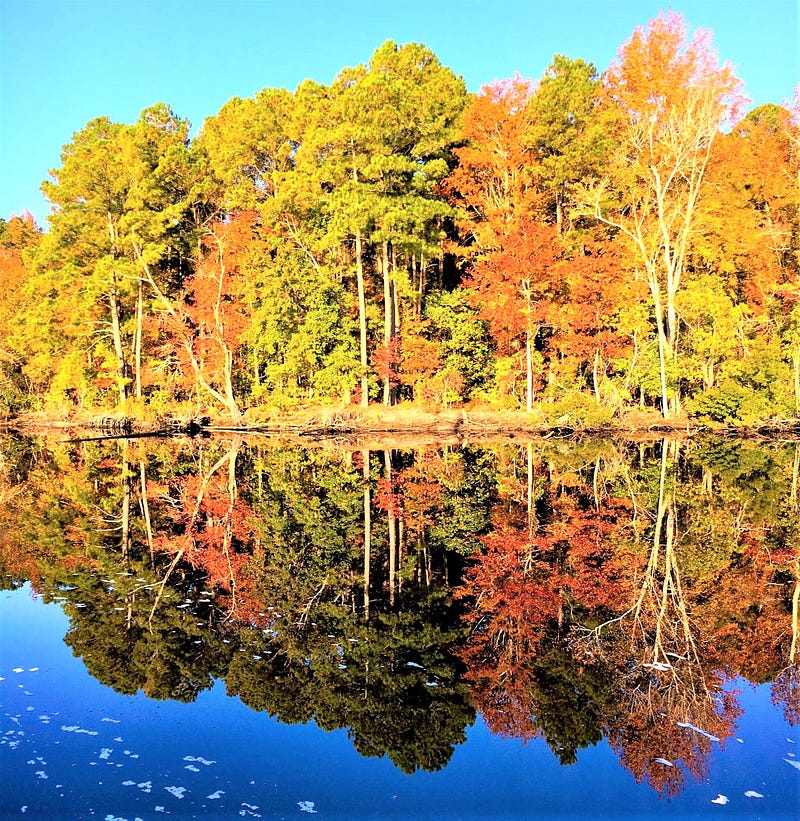
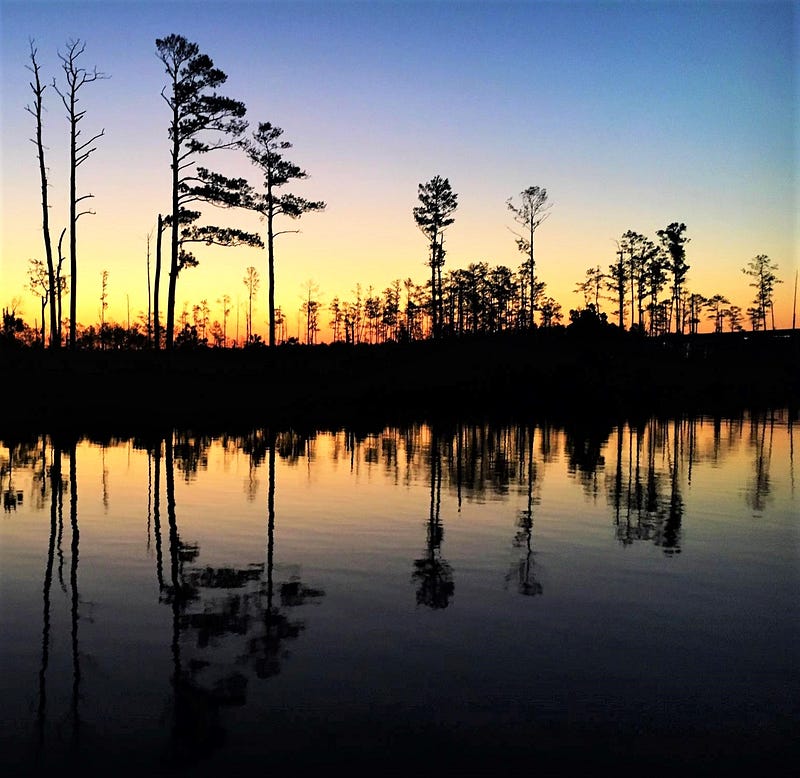
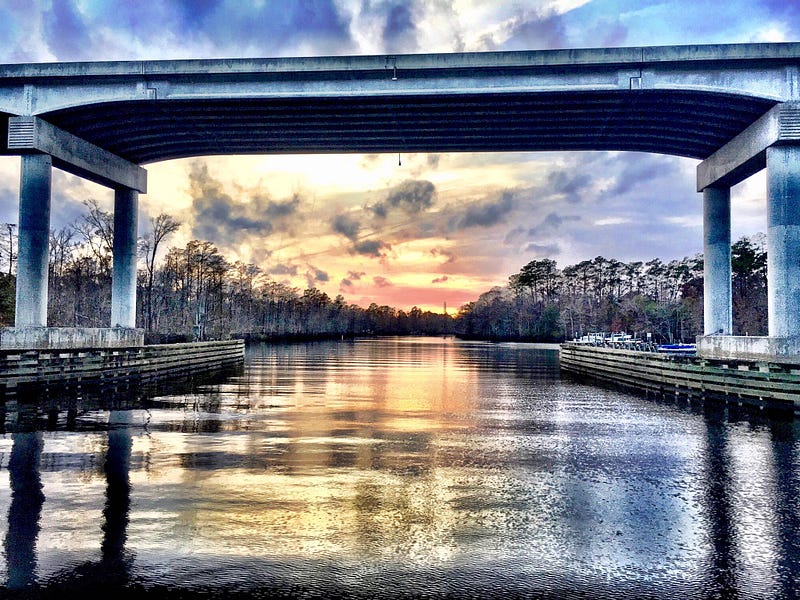
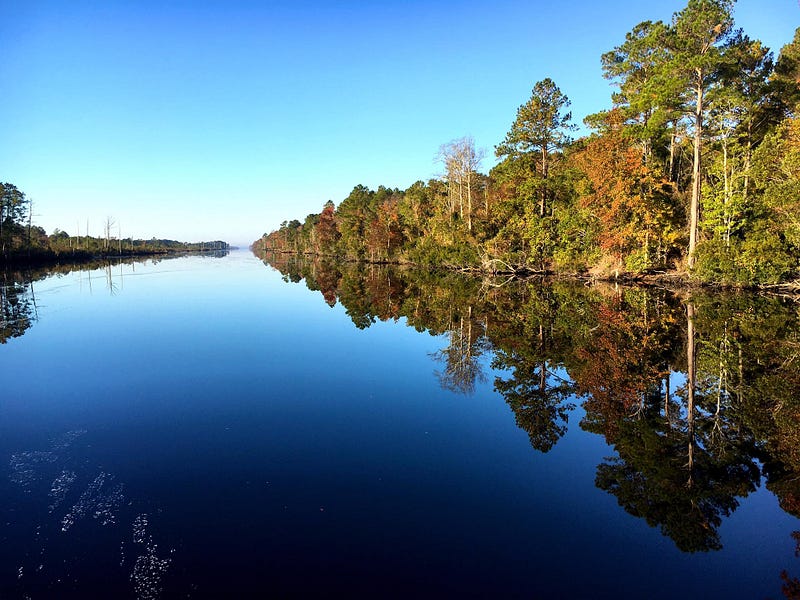
There are two issues on the ICW for a large sailboat — heights, and depths. We would be traveling through a lot of bridges. Some bridges raised, some swung, and others were just high enough for us to go under. The tallest point on our mast was 63 feet from the waterline. And the shortest immovable bridge we had to cross under, was 65 feet from the waterline. We often held our breath when sailing under these bridges.
The other issue is depth. Our boat had a 7.5 foot draft, meaning the keel extended 7.5 feet below the waterline. The ICW was originally designed and dredged by the Army Corp of Engineers. In the past, they guaranteed a depth of 9 feet at its shallowest for the entire ICW. But, in recent years there have been budget cuts and there was no longer a guaranteed depth of 9 feet.
Because of this, we ran aground several times, trying to guess where the deeper channels were. In most cases, we were able to free ourselves by waiting on the tide to raise us. But on 2 occasions, we ran aground hard and had to call a towing company to pull us out. Thankfully, the owner had towing insurance — normally a $1000 process — to help out.
Aside from the groundings, we also started noticing other issues with the boat, even though it was just recently refitted. It was partly because of these issues, as well as the delays we experienced, that the young couple on board started thinking about jumping ship.
Southport, NC
The day we arrived in Southport, North Carolina, the alternator quit working. That was the straw that broke the camel’s back for them. They no longer believed the boat was safe for ocean passage. Looking back, they were probably right. It really wasn’t safe for an ocean passage. They left the next day — Thanksgiving Day — and headed back to Texas. They went on to buy their own boat and started sailing full-time. I was disappointed when they left. I liked them and enjoyed having them on board. I am still friends with them to this day. I was also concerned about the lack of hands to steer the boat on passage.
Looking back, they were probably right. It really wasn’t safe for an ocean passage.
Paul, his wife, and I spent the rest of the day looking for supplies, including calling shops to find a replacement alternator. Because it was the holiday weekend, we didn’t have any luck. We decided to wait until the weekend was over and try to find an alternator further down the ICW.
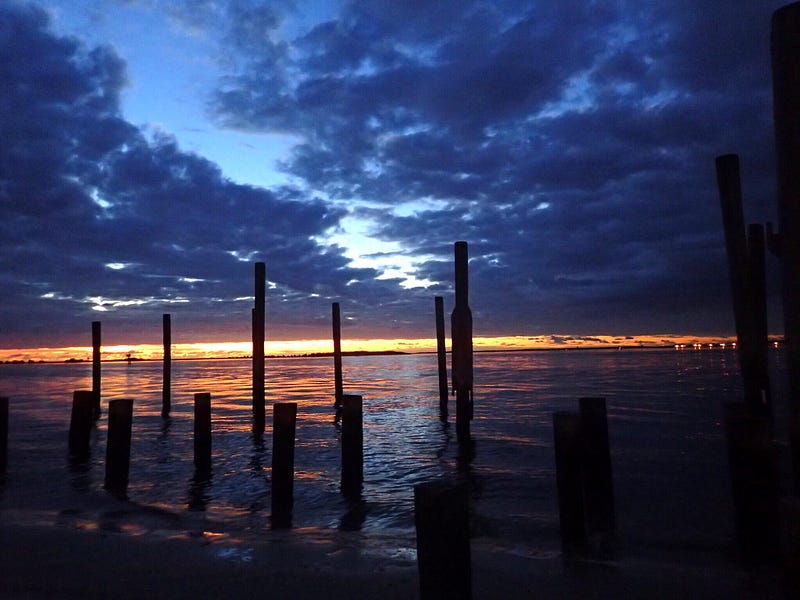
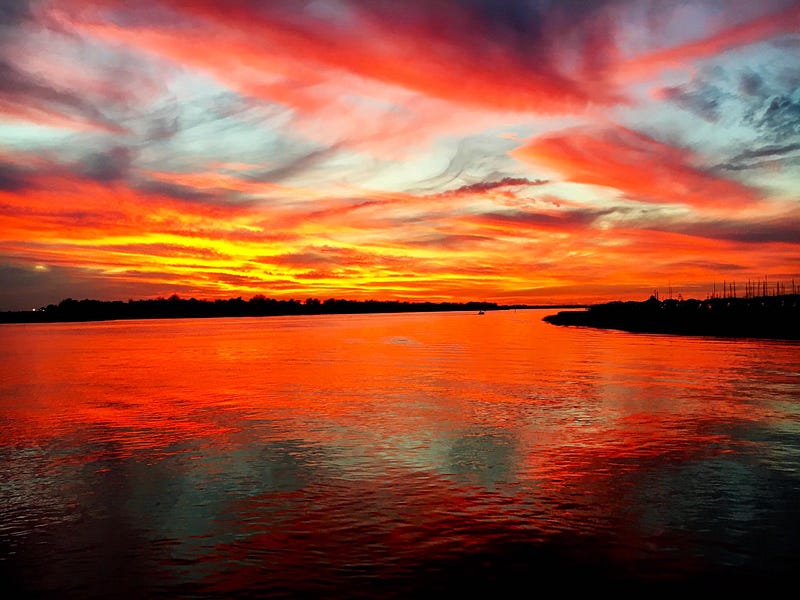
We made good use of our time in Southport, met new friends, and enjoyed the fantastic sunsets on the ICW. I found some warmer gear for my feet and face as the weather was getting cold this late in November. I was expecting to be in warmer climates by this time and didn’t prepare for the frigid wind that blew across my bare feet and face while steering up on deck.
The Great Loop
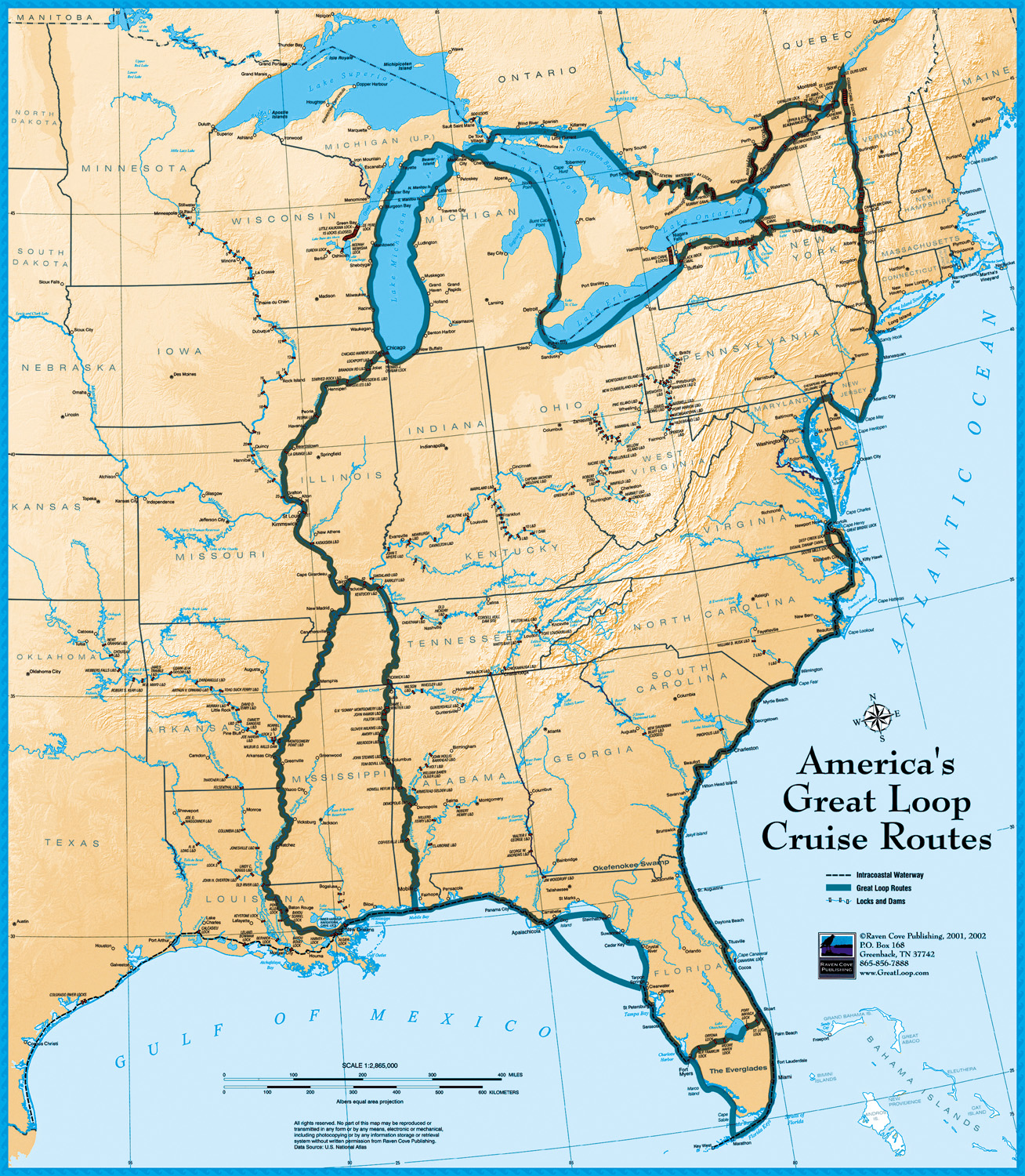
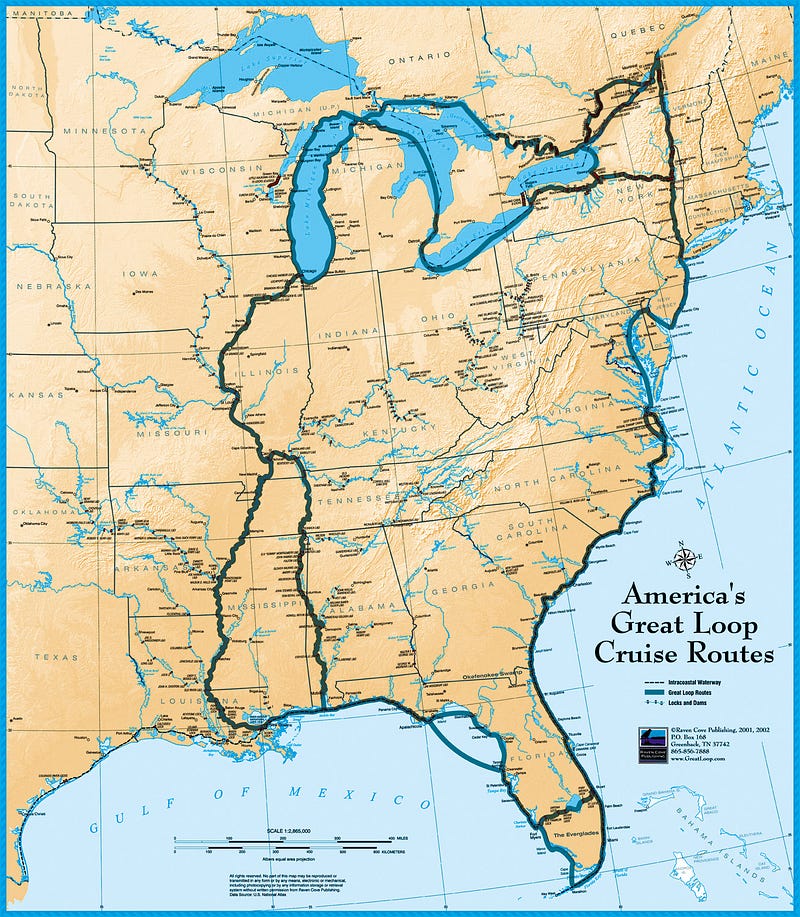
The ICW is part of a much larger route, called the Great Loop. To participate, you start anywhere on the route below, follow it in either direction — although most cruisers do it counter-clockwise, to take advantage of the south-bound river currents — and when you get back to where you started, it’s called, “crossing your wake,” and you are done.
One of these days I’d like to join the hundreds of cruisers who take this journey every year. They usually do the northern sections in the summertime, to avoid the ice and cold. There is no set time or limit — it’s not a race. It can be done in as little as two months, but most people take about a year. It has been done in boats as small as a kayak or as big as a 70-foot yacht. For more information google America’s Great Loop Cruisers’ Association or AGLCA.
Back to the Journey
After arranging to meet an electrician in Jacksonville and ordering the alternator to be delivered there, we sailed down to that gorgeous harbor where we tied up to another dock for a couple of days to get the alternator installed.
The ICW has many towns that allow you to tie your boats up to their public docks for free. We stayed for free in several towns along the way including Southport and Jacksonville. We also anchored several places along the channel, just on the side of the “ditch,” as the ICW is affectionately called.
I remember many relaxing nights as we anchored near some reeds, or at a river intersection, and swayed in the water flowing by. It seems to me that the moon and stars are always brighter and more fascinating to watch when you’re on the water. The weather had started to warm, as well, the further south we got, which made it nice for sleeping out on the deck.
The closer we got to Miami, the busier and more challenging it became to stay on the ICW. There were more boats, the bridges were closer together, and it became troublesome to safely continue. We finally decided, several hours North of Fort Lauderdale, to sail outside the ICW, along the coast. It was while doing this we attempted to put up the mainsail for the first time.
The sail hadn’t been raised in a decade. Combine this factor with our unfamiliarity with hoisting this massive sail. It sheered in half as we attempted to raise it — in part because it was so old and it was also still reefed. This was a disappointment for all of us, as we sadly put it away again.
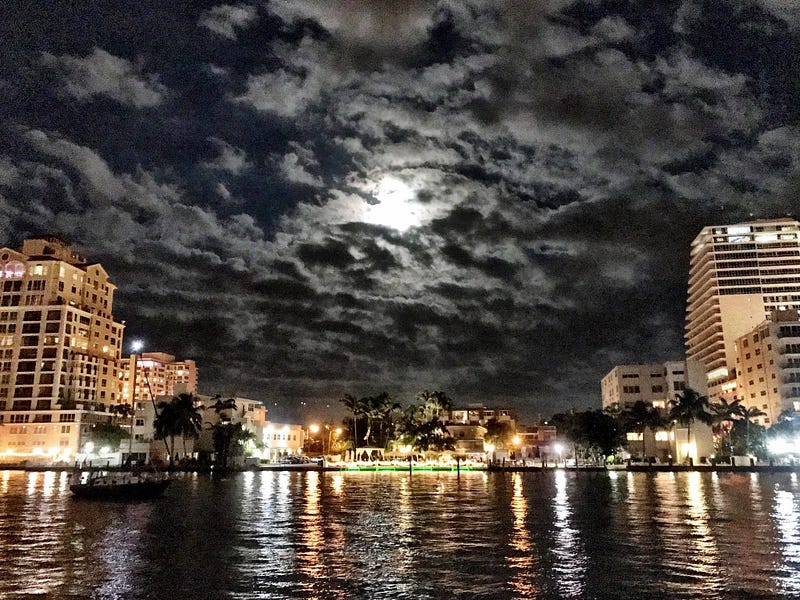
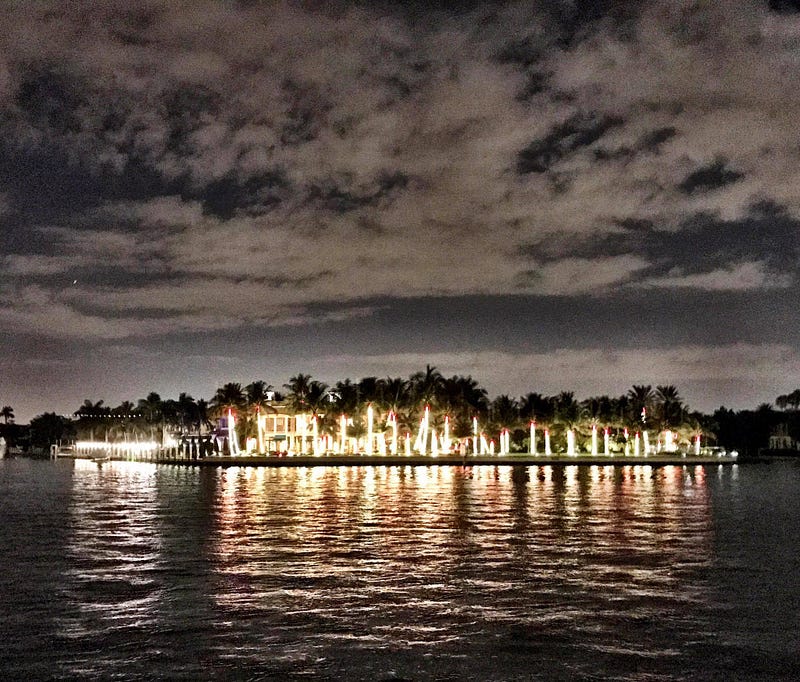
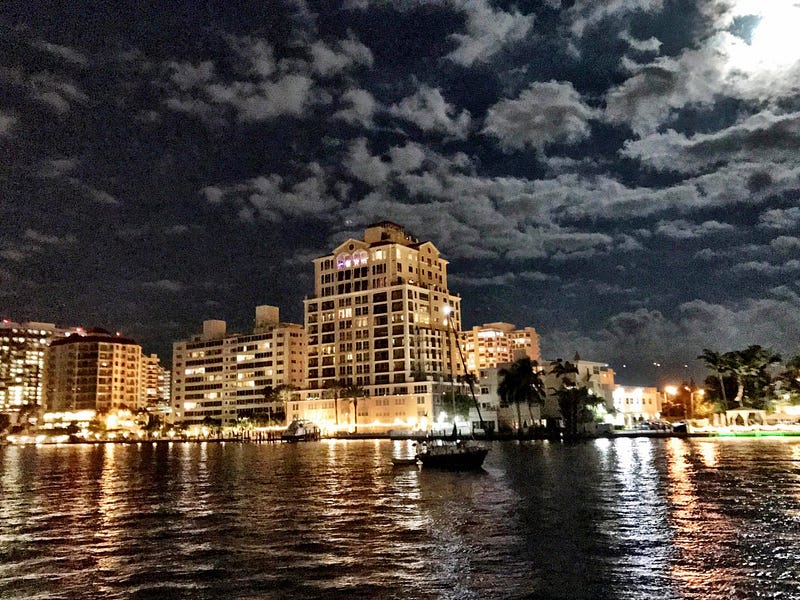
That night we arrived in Fort Lauderdale and anchored in the harbor there, surrounded by the warm and picturesque lights of the buildings around us.
No-Name Harbor
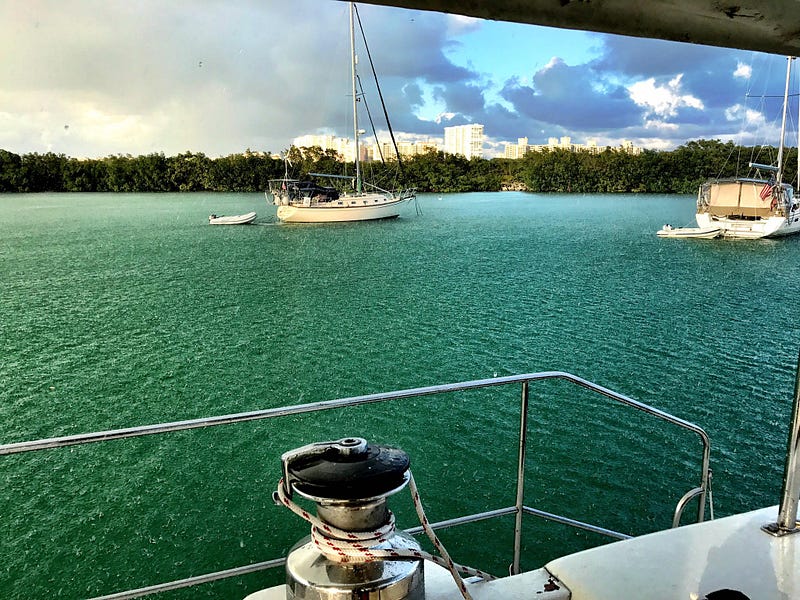
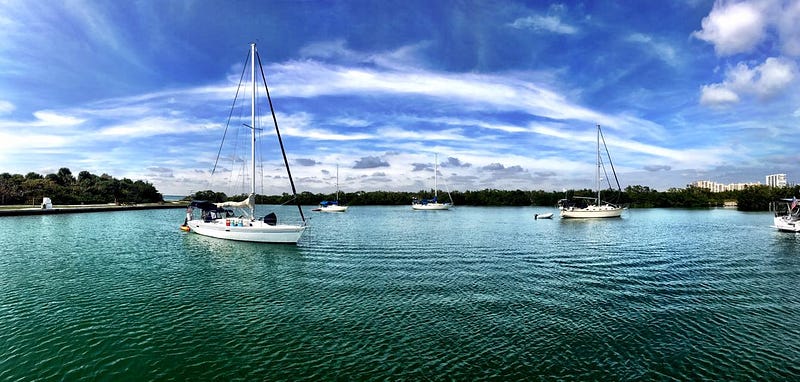
The next day we sailed to the Miami area and anchored in a little bay called No-Name Harbor on Key Biscayne. The harbor is part of the Bill Baggs Cape Florida State Park. We were there, mostly, to prep and provision the boat for crossing the Gulf Stream, and over to the Bahamas. We wanted to ensure we had sufficient supplies and work on any last-minute issues with the boat.
A week or so later, we attempted our first crossing of the Gulf Stream. While doing so, a bolt — connecting the shroud to the chain plate — broke. Shrouds are the rigging or cables that hold the mast upright, especially when the sails are up and there is pressure and force against them from the wind. I found a shackle below the decks and was able to replace the bolt with it, connecting the shroud back to the chainplate, although not snugly. It wasn’t the best solution, but there was less chance of the mast teetering with it there. This allowed us to return to the anchorage in No-Name Harbor without losing our mast.
That was when Paul’s wife decided she didn’t want to carry on with us. Losing the shroud bolt put her in a panic, and she made plans to leave after Christmas. This left Paul and I to sail the rest of the way to Aruba by ourselves. I say “sail” but if you haven’t been able to gather by now, we weren’t doing a lot of sailing — mostly motor sailing.
In hindsight, we should have attempted to find more crew members. I’m not sure why we didn’t. But, I was committed to going all the way to Aruba with Paul, despite the safety concerns. I don’t know if it was stubbornness on my part or just the sheer excitement of being on my first sailing adventure.
Honestly, I was having the time of my life even with all the issues. I was learning from all of these experiences on someone else’s boat and expense account. Every challenge taught me why safety standards are in place and what can go wrong when they aren’t followed. And my sense of adventure was stronger than my fear of what could go wrong.
More Repairs in Miami
Upon further inspection of the shroud bolts, all of them were rusted — a lot! So we replaced all four with stainless steel bolts that are resistant to rusting. After we made those repairs, we made plans for another attempt to cross to the Bahamas a few days later. On the next passage, we got about an hour into it, when we felt the seas were much rougher than predicted. We decided to return once more to No-Name Harbor — feeling uneasy about things — and wait for the next weather window. Upon returning, just as we set the anchor, we lost our steering.
Yes, our steering went out completely! We learned that the steering hydraulic system had been slowly leaking, and at the exact moment when we set the anchor, it dropped low enough to cause the steering to stop functioning. We were lucky. We could have lost the steering in the middle of the Gulf Stream, and who knows where we would have ended up. Alas, one more thing to fix on the boat.
Repairs were made on the hydraulic system during the refit in Norfolk. However, they were a mix-match of imperial and metric pipes and fittings. It should have all been replaced completely, but with Paul’s budget, it hadn’t been done. We made many trips back and forth to the different Miami hardware stores, trying to find parts that would work.
Also, the auto-pilot — the one that didn’t work — was tied into this system, and it had leaked as well. We patched both systems as much as we could and bought a 5-gallon bucket of hydraulic oil, to top off the system when it got low. We didn’t fix all the leaks, but we felt like we slowed them down enough to proceed.
Something else I discovered was the boat’s emergency steering system — every boat should have an emergency steering system in case the normal steering fails — was in pieces below the aft bed. For it to work properly, a hole would need to be drilled in the deck and tested. Did we do that? No, we didn’t. I did pick up some empty buckets at Home Depot because I read they could be used to steer the boat in an emergency, by dragging them on one side of the boat or the other.
I can hear all of the captains and responsible boat owners reading this and criticizing me for staying on this boat and ignoring the many safety concerns. But I remind you, that I was not the skipper or owner of this boat. I was simply acting as crew. Many, if not all of these safety issues should have been resolved by the owner.
In hindsight, I should have demanded they be repaired the right way before sailing on. That’s why they call hindsight 20/20. I can see it all now, but at the time, I was just enjoying my first time crewing on a boat to the Caribbean.
Bahamas
We finally got the boat functional enough to make the crossing to the Bahamas. We decided to do it at night since that was the best weather window for us at the time. The passage itself went off without a hitch. It was my first time sailing at night and I had to figure out whether we were going to cross paths with a much faster boat or not.
We didn’t have AIS on board or a plotter system that would calculate this for us. We were just eyeballing it. There were a few cruise ships we had to change course for to avoid a collision. But as the sun was rising, we saw land on the horizon. We had arrived at the island, Bimini, and got checked-in to the Bahamas.
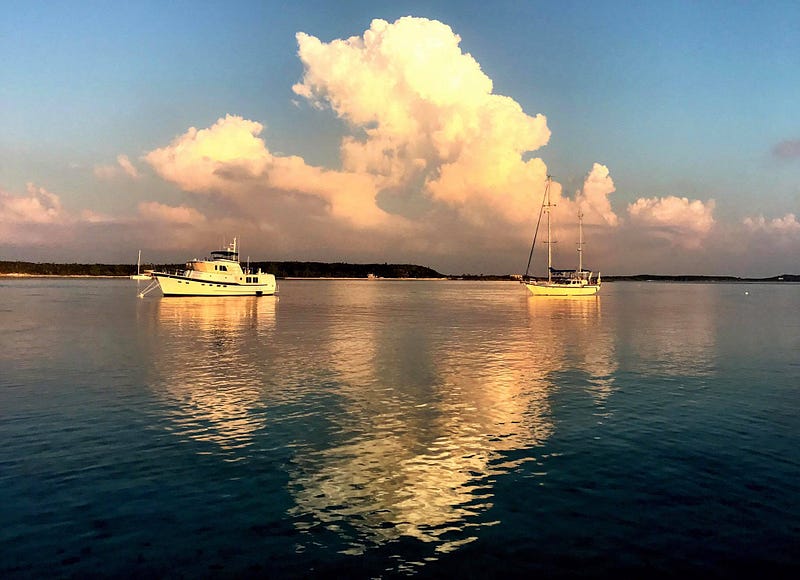
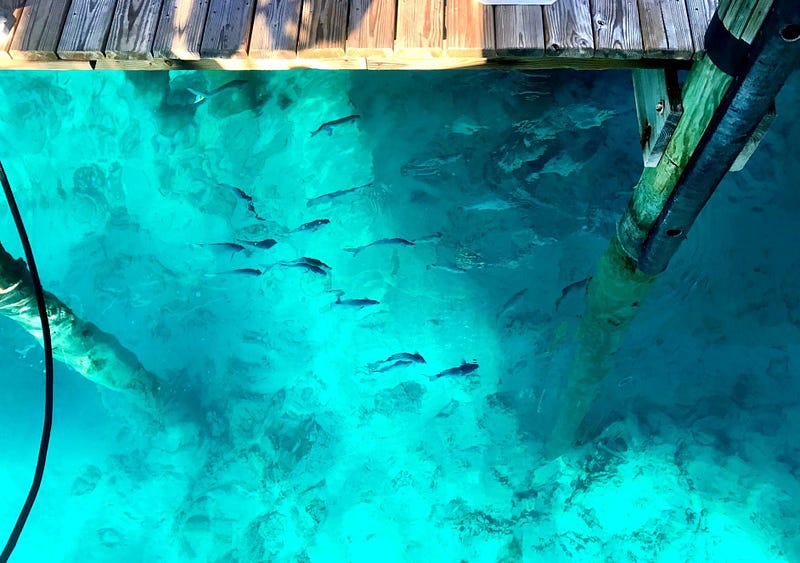
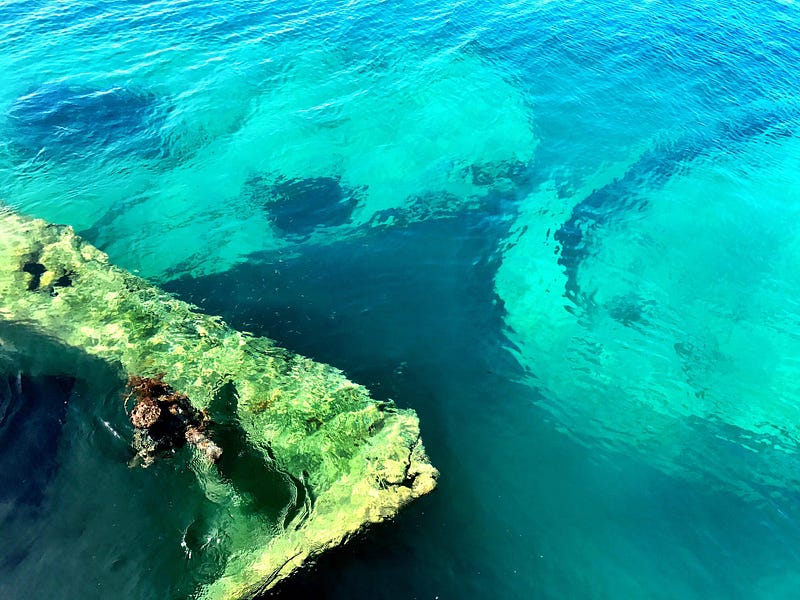
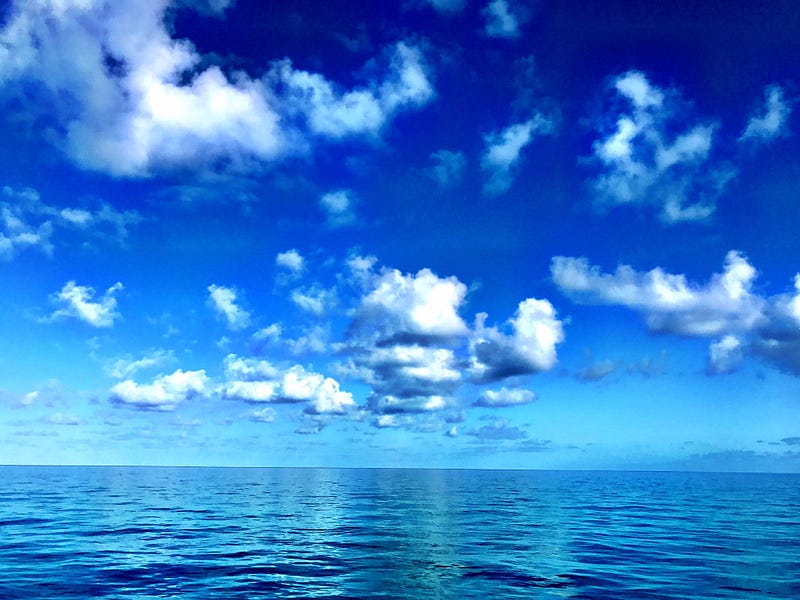
The first thing I noticed was how clear the water was there. I may have just been excited about being there, but everything had this clear and beautiful aspect to it. This was one of the first photos I took, while tied up to check-in.
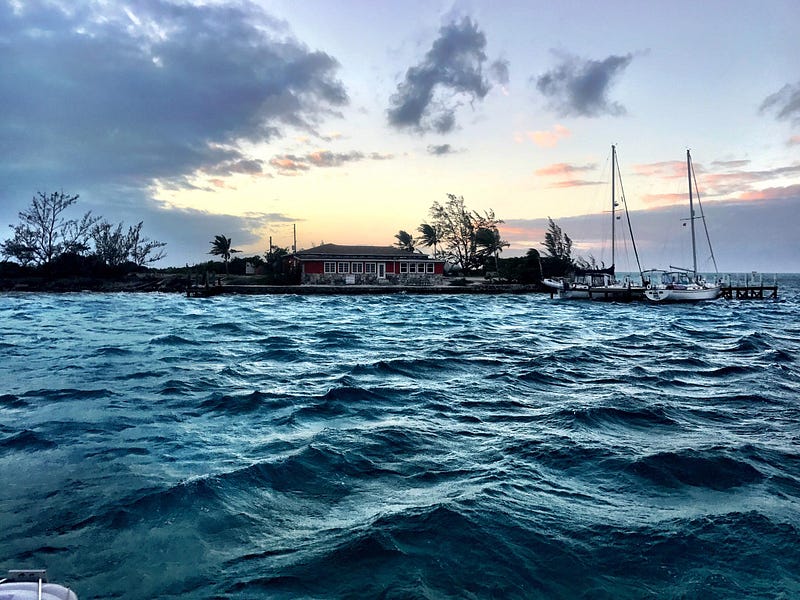
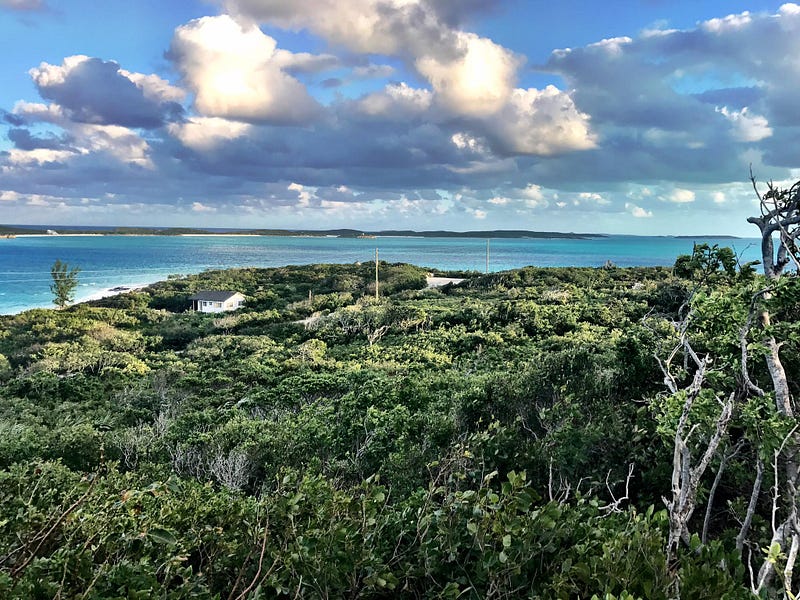
We spent the next 22 days meandering through the Bahamas. Paul wanted us to go faster than that, but we ended up getting locked in by a storm, moored at Farmer’s Cay. The wind blew 35–50 knots for seven days straight. Here’s some video from that storm, with a couple of shots of Farmer’s Cay below.
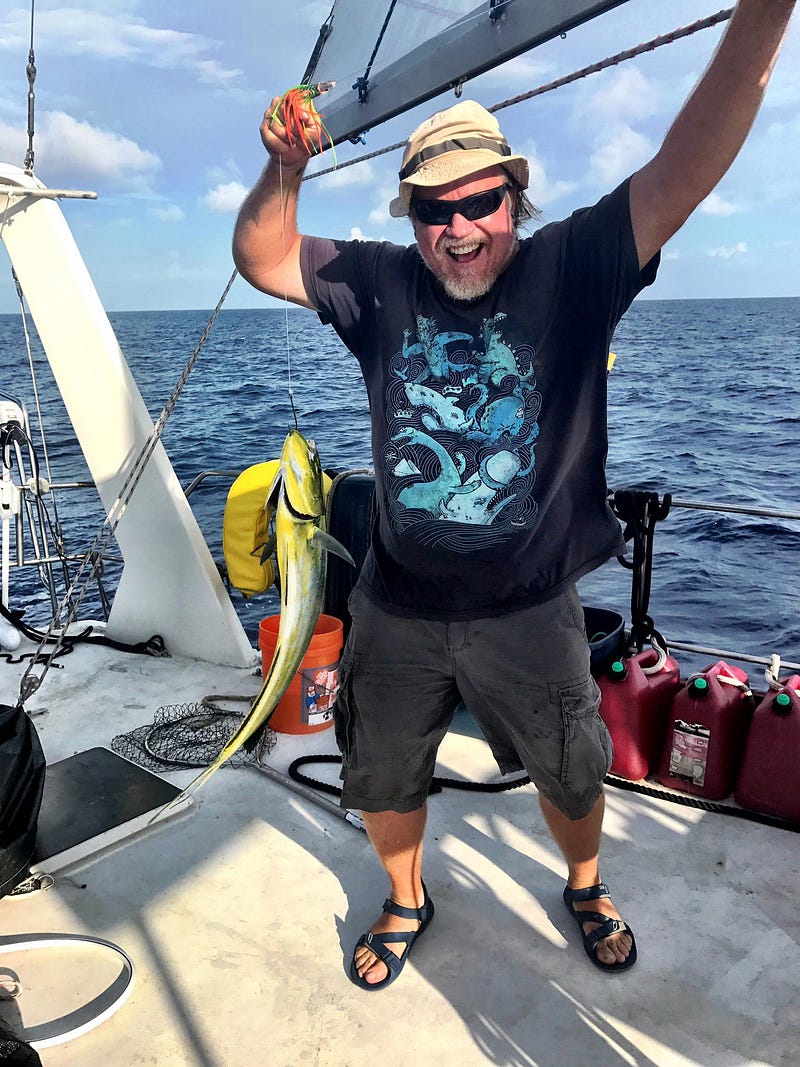
I loved the Bahamas. The people were very friendly and the islands were diverse. We caught a lot of fish and lobsters — I caught and cooked the lobsters for Paul because I am allergic.
There were also lots of shallow spots in the Bahamas. We had to pay close attention to our depth gauge and hope the charts were correct on our plotter. Despite our best efforts, we ran aground twice, but both times we were able to leave unharmed, once the tide rose. Lucky for us, since the towing insurance wasn’t valid outside the US.
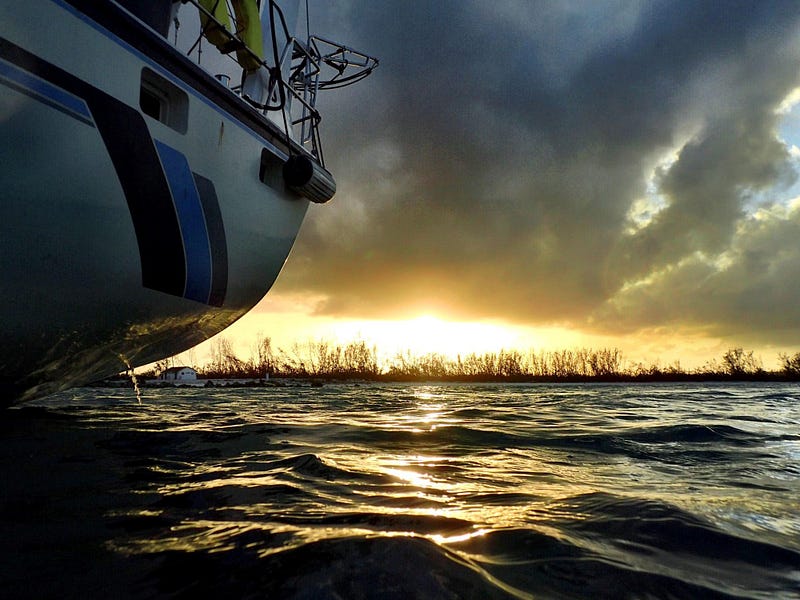
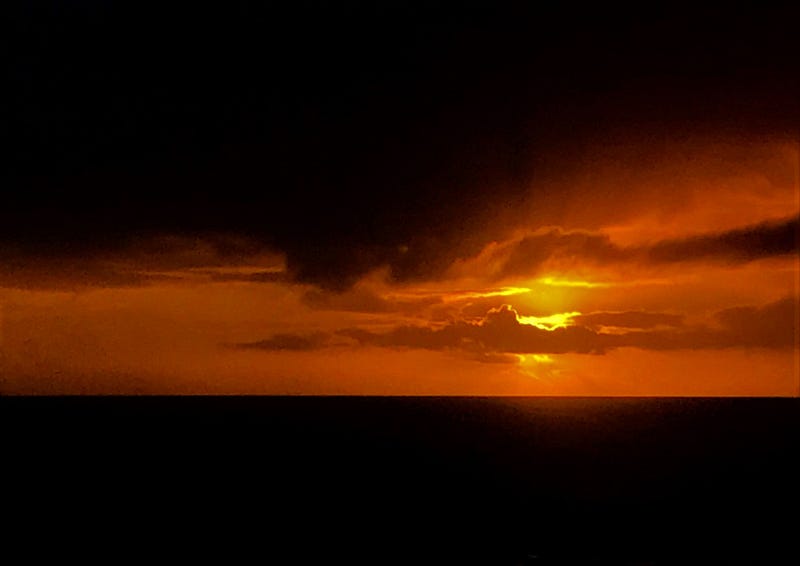
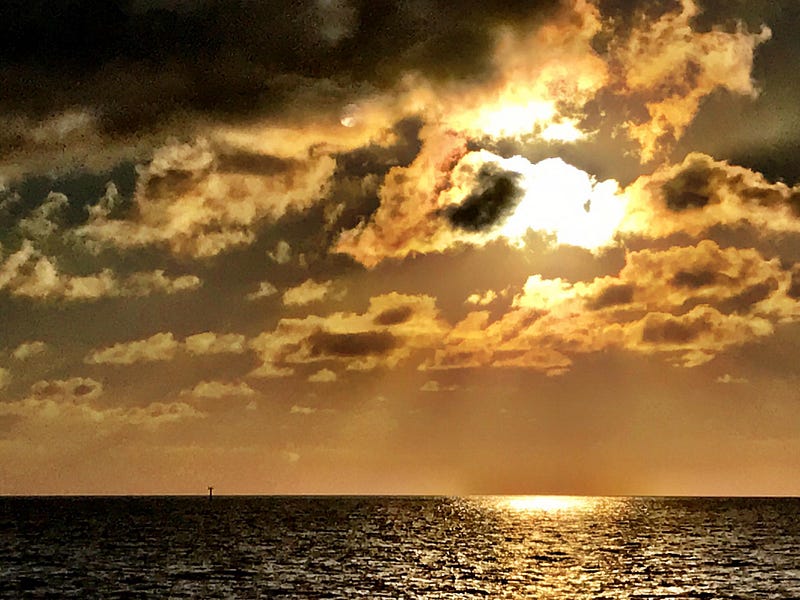
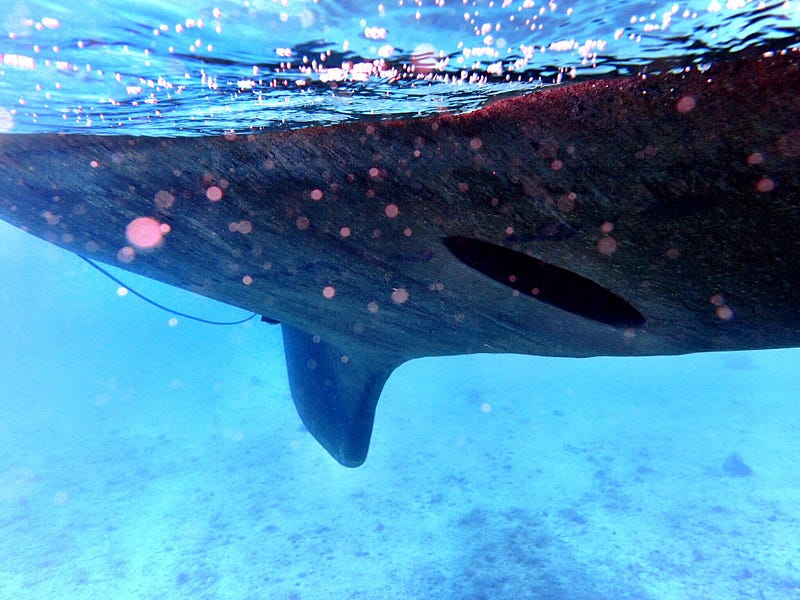
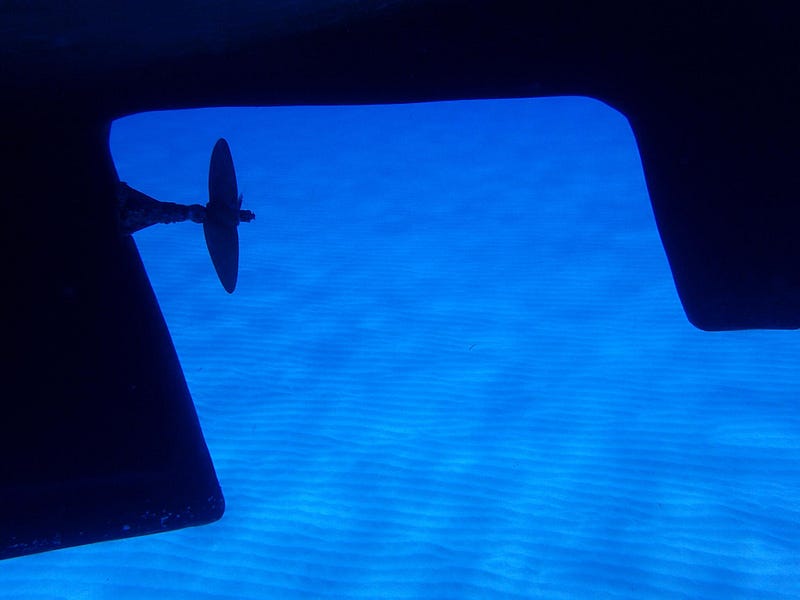
Here are some of my favorite shots from the Bahamas. Out of all of them, I believe my absolute favorites were those I took at Castle Island, the last photo in the series here. It was one of the last islands we anchored at before we left the Bahamas.
Ile a Vache, Haiti
From the Bahamas we sailed to Southern Haiti where we stayed at a beautiful island called Ile a Vache (Cow Island) for just a few days. Some say that Ile a Vache is the last pristine island in the Caribbean. We toured around the island, often led by kids or teenagers. We bought a SIM card from a “hi-tech” Digicel store. Paul also purchased some diesel from a friend while we were there.
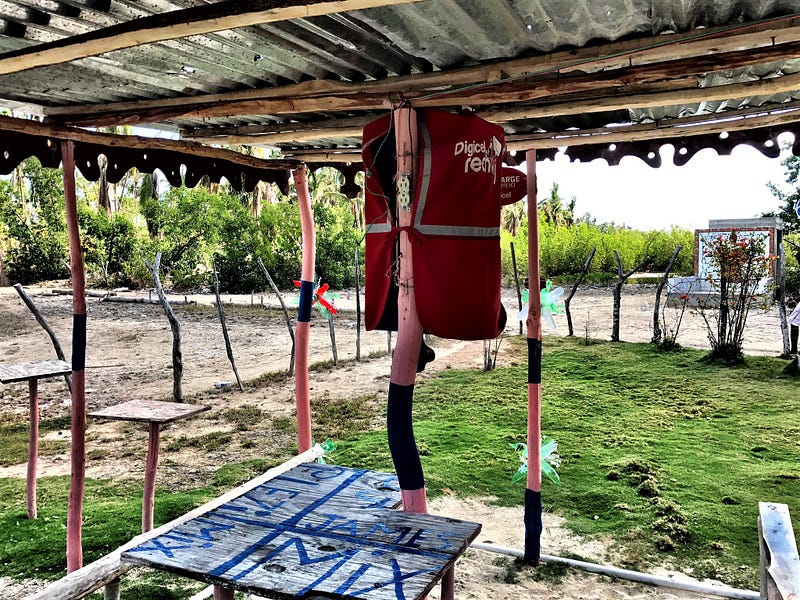
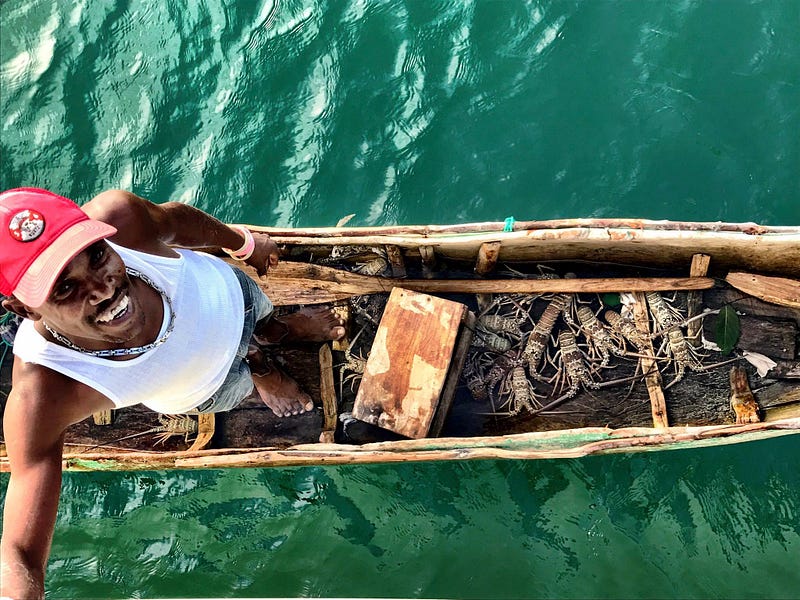
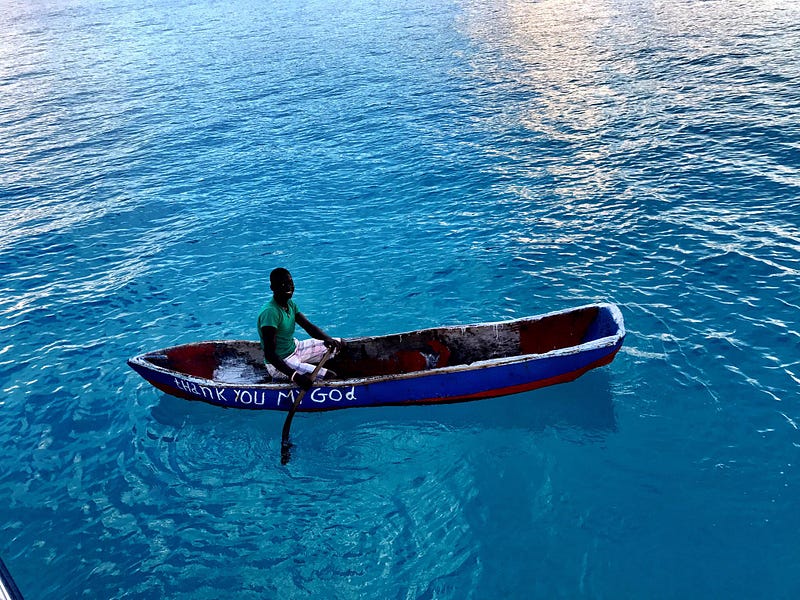
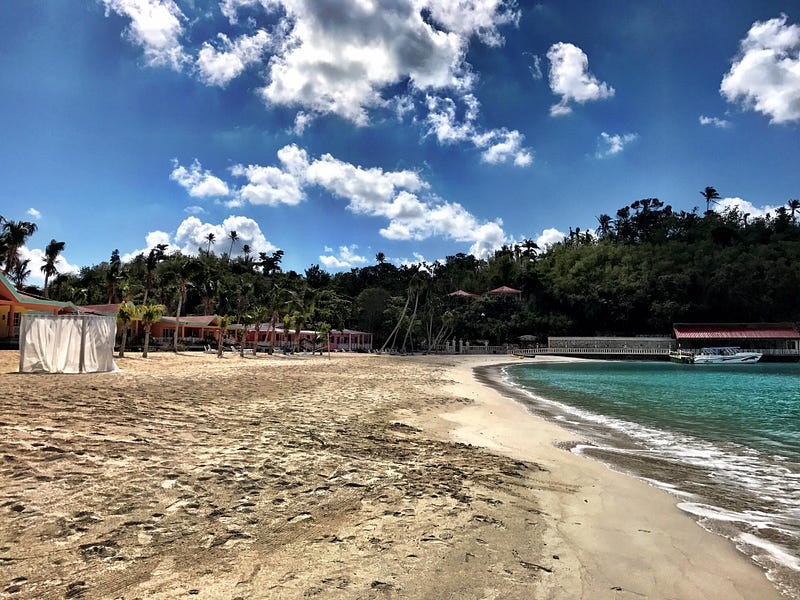
How to Sail from Haiti to Aruba
When sailing from southern Haiti to Aruba, most sailors travel east along Haiti, Dominican Republic, and Puerto Rico, until they get to the eastern-most string of islands in the Caribbean. If you look at the map below, they curve south, all the way to Grenada and then the mainland of South America.
The reason sailors usually go this route is because of the Tradewinds in the Caribbean, which always blow from east to west in this area. Depending on which island you want to leave from, you point your boat toward Aruba, with the winds and waves behind you, pushing you to there. That goes for any of the islands along the northern coast of Venezuela.
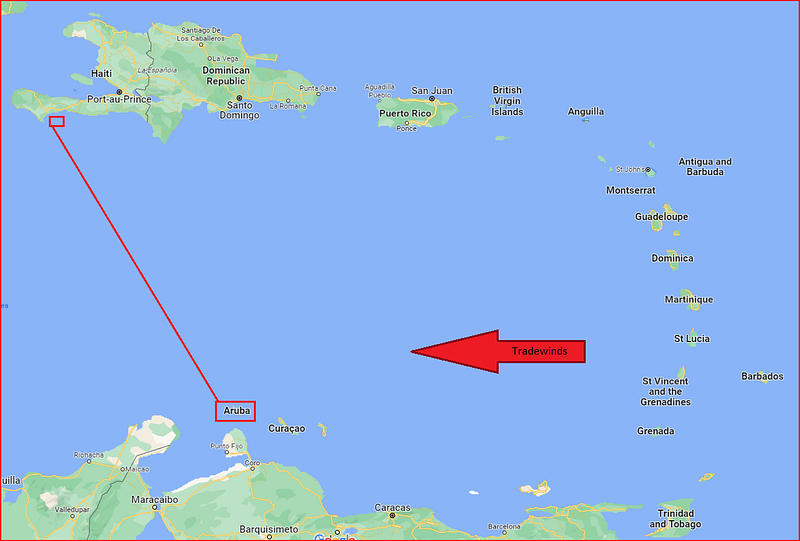
But did we go that way? No. Paul didn’t want to go that far east to get to Aruba. We were already behind schedule, and the longer route would have taken us weeks to travel. He chose instead to take the direct route from Ile a Vache to Aruba, heading Southeast across the Caribbean Sea. That passage is outlined in the image above. It was only supposed to take us 3 days and 3 nights to get there.
This was a longish passage to make with no auto-pilot and two sailors, but 3 days and 3 nights seemed doable at the time. Also, the wind predictions for the next three days showed the wind coming from the Northeast, which means it would help us to make this crossing. After we had adequate fuel and supplies we left Haiti and started sailing south.
On Our Way to Aruba
On the first day of motor sailing everything went well. We were making decent speed with the wind coming from the Northeast, and the motor helping us along. We were in good spirits and excited about the prospects of getting there.
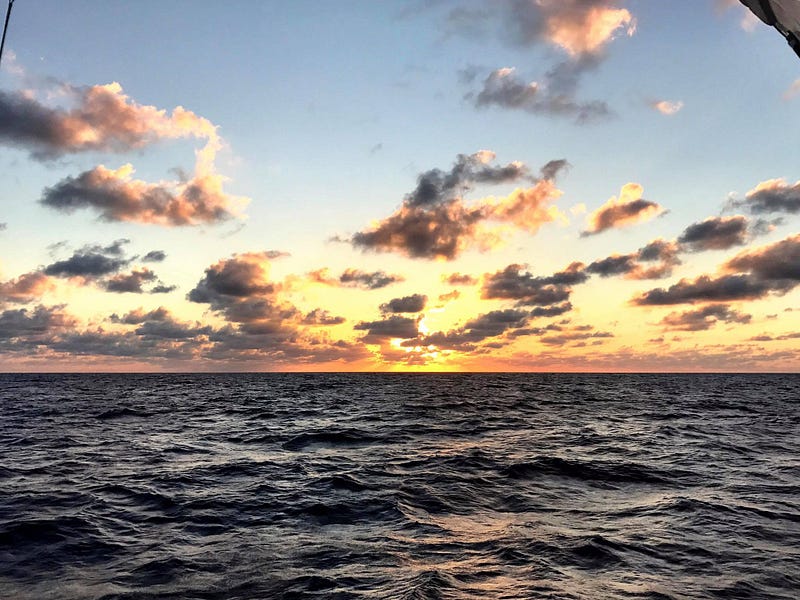
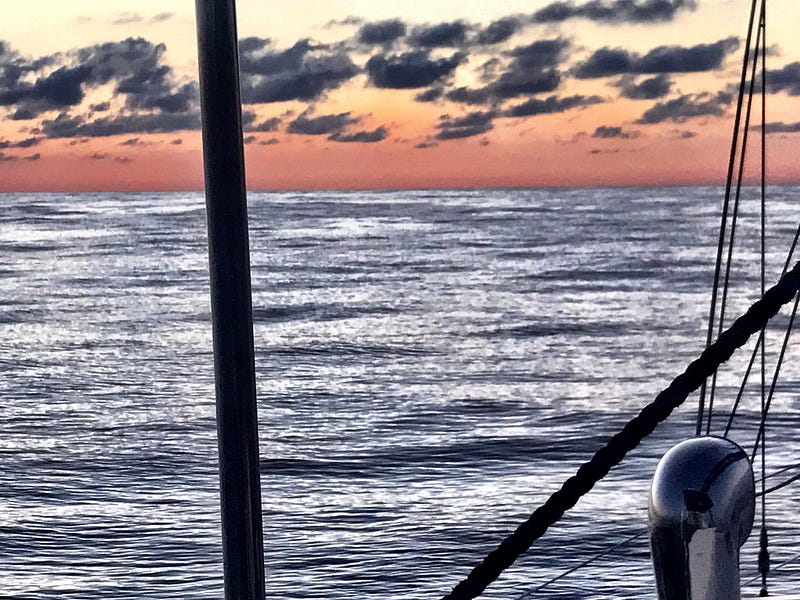
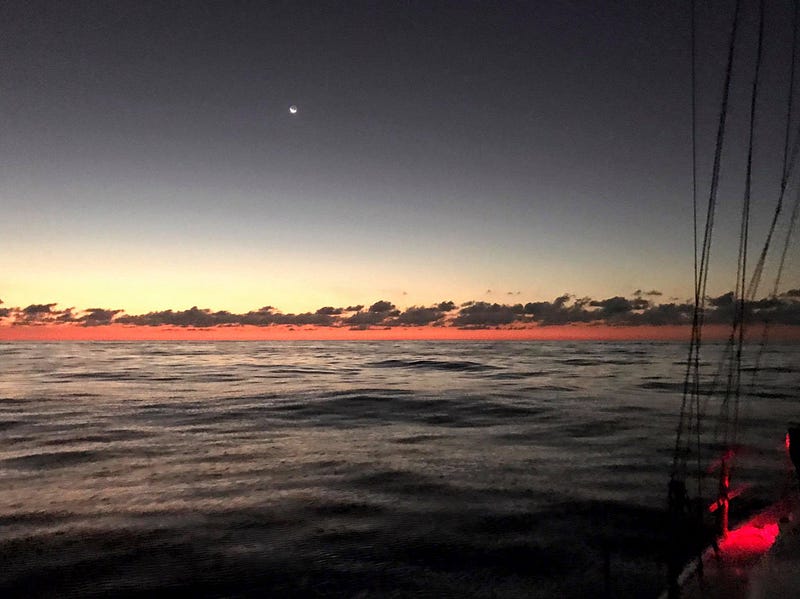
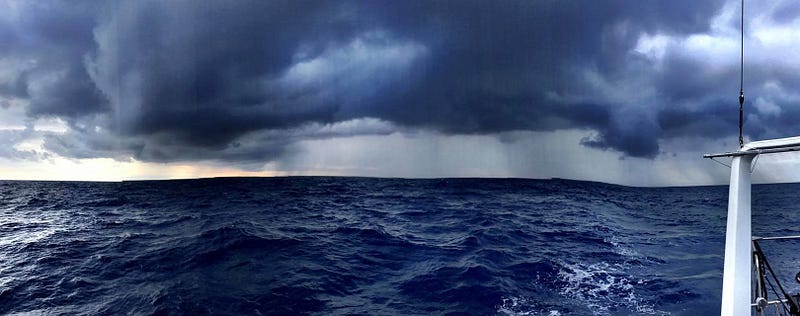
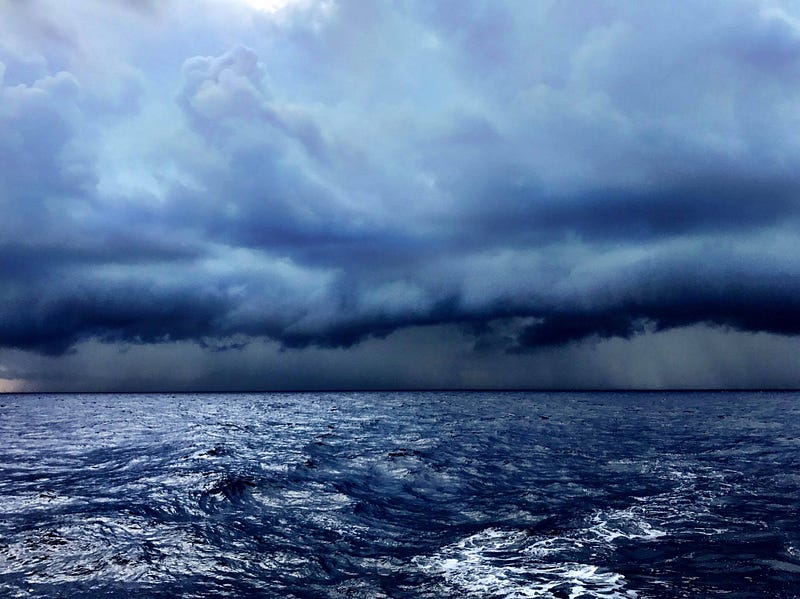
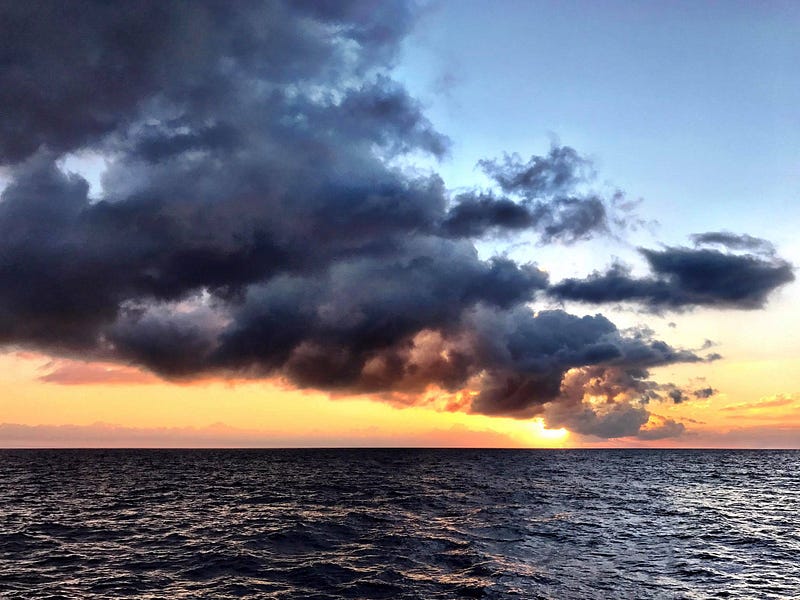
On the second day, everything still seemed to be going pretty well. We decided to turn the motor off to check the fuel levels and top them up, but when we went to restart the motor, it wouldn’t start.
We kept sailing for a couple more hours as we tried to figure out the problem. We eventually tried the motor again and it purred into life, running for another hour until it stopped again. This time, neither the main motor nor the Genset would start. The Genset is a secondary motor many boats have on board for charging the batteries on board. It can also provide electrical power to the boat if your batteries are flat. What was the common denominator between these two motors? The fuel.
We looked at our fuel filters more closely and realized we had a problem. The diesel we topped off with in Haiti was bad. It turned our primary fuel filter to mush. We changed that but were unable to change the secondary fuel filter because we didn’t have the right tool on board. I have since learned you can use a large screwdriver to change it, by simply jamming it into the filter and twisting it off.
We tried running the motor with the new primary filter as a cleaner, but that wasn’t enough to keep the motor running for more than a few minutes.
I wasn’t involved in the diesel purchase in Haiti, so I didn’t see it go into the tank. Paul purchased it from a friend in Haiti, whom he trusted. But the diesel was the problem. We had a tank full of bad diesel and an inability to change the secondary filter. Even if we had an unlimited supply of filters to change, we would be changing them every hour, all the way to Aruba. And we didn’t have an unlimited supply of filters.
The entire time the engine had been down, we had sailed along, slowly, with our foresail and mizzen. But after a time, the Tradewinds started picking up, and the waves were starting to increase in size and frequency.
Also, the direction of the Tradewinds had changed. They went from Northeast, as predicted—which helped us to sail in the direction we were going, coming in on our port side — to Southeast, which meant the wind was coming in right on our nose. We knew it would be difficult to sail to Aruba, especially since we were now heading directly into the wind and waves, a point of sail that is completely ineffective.
We had to make a decision. Would we turn back to Haiti or do something else to get clean fuel? Other than trying to limp along with our two sails to Aruba, the only other thing would be a Pan-Pan, to see if anybody in the area could assist.
Pan-Pan on the High Seas
Late in the afternoon of our 2nd day of sailing from Haiti, Paul decided we would do a Pan-Pan. He didn’t want to turn back. He wanted to get to Aruba. He wanted to get home. We started the journey in November and it was now late January. I wasn’t comfortable “begging” for something like this, but I was just crew. The final decision was his.
From Wikipedia, the following is a description of a Pan-Pan.
A PAN-PAN is the international standard urgency signal that someone aboard a boat, ship, aircraft, or other vehicle uses to declare that they need help and that the situation is urgent, but for the time being, does not pose an immediate danger to anyone’s life or to the vessel itself. This is referred to as a state of “urgency”. This is distinct from a mayday call (distress signal), which means that there is imminent danger to life or to the continued viability of the vessel itself. Radioing “pan-pan” informs potential rescuers (including emergency services and other craft in the area) that an urgent problem exists, whereas “mayday” calls on them to drop all other activities and immediately begin a rescue.
Two days out from Haiti, on what we thought was only a three-day journey, we felt that our situation warranted a PAN-PAN, although I would have preferred returning to Haiti under sail, with the Tradewinds, and figuring things out there, in the safety of a marina.
Another wrinkle was that Paul, as a native French speaker, didn’t feel comfortable doing the Pan-Pan. He didn’t think they would understand him. He asked me to announce it on the VHF radio. I didn’t like this idea, but I did it anyway. The Pan-Pan went like this:
“PAN-PAN-PAN. We are sailing vessel Caribbean Reiki, heading towards Aruba, at position XX degrees north and XX degrees west. We require some clean fuel, as our fuel is bad and stopped our motors from running. We also need a tool to change the secondary fuel filter.”
Twenty minutes later, a tanker in our VHF radio range, responded that they could assist. We gave them our coordinates again, and they came to us after another 20 minutes. Upon arrival, they began lowering 50 gallons of diesel in 5-gallon containers, using a rope. They also gave us a tool to change the secondary fuel filter
Unfortunately, while we were sitting next to them, the wind and waves caused us to start slamming against this huge tanker on our port side, while they were lowering the fuel. We had to scramble to get away as soon as the last container landed. Remember, our motor wasn’t working, so we had to simply turn away, slowly, to avoid further damage to the boat.
The damage to the side of the boat, fortunately, was mostly cosmetic. However, in the panic, we hadn’t yet secured all of the 5-gallon diesel containers, and we lost two of them over the side. We were grateful for the donation of fuel but disheartened about the damage and the loss of 10 gallons of fuel.
We thanked the tanker for their help and they went on their way. Our next job was to address the replacement of the fuel and hopefully restart the motor.
Correcting the Problem
We first had to pull all the bad fuel out of the tank, put it into spare containers on board, then add the new fuel we just received. The fuel looked clean and had a red tinge to it, which we later learned was a Canadian requirement for marine vessels.
It took a couple of hours to exchange the fuel, change the primary and secondary fuel filters, and prime the motor to start. But as soon as we did, it started up and purred like a cat, ready to continue. Emergency averted, thanks to the help of a benevolent tanker. The Pan-Pan was successful.
The whole time all of this was going on, one of us had to be at the helm (remember, no auto-pilot) and the other had to be working on the motor. I believe I mentioned I am no mechanic, but luckily I knew enough about the motor to do what needed to be done.
One challenge of sailing passages anywhere is you can’t take a rest stop anywhere. There’s no convenient place in the middle of the Caribbean (or any ocean) where you can just pull the boat over and park it, while you work on things or get relief from your fatigue. There is a maneuver called heaving-to, where you put the sails and rudder at odds against each other, but it was problematic without a functioning mainsail. We did do it once, but not for very long. We still had a long way to go to Aruba, and heaving-to wasn’t stopping. The wind and waves from pushing us back the whole time, making us even farther from our destination.
We start back on course with our two sails and the motor running and we sailed through the night. But the next day, the wind and waves continued to increase, and even with the motor running, we were only making about 2 knots or nautical miles per hour toward our destination. That’s when we started doing the math.
We realized if we carried on in this way — based on our knowledge of how much fuel the motor consumed per hour, and how fast we were going — we would run out of fuel again before we reached Aruba.
Not Another Pan-Pan!
I became very disheartened at this point. It was embarrassing for me to do the first Pan-Pan. Now we were realizing we needed to do another one. We didn’t know we would be traveling so slowly toward our destination. What were we going to do?
We did another Pan-Pan.
“PAN-PAN-PAN. We are sailing vessel Caribbean Reiki, heading towards Aruba, at position XX degrees north and XX degrees west. We miscalculated the amount of fuel needed to reach our destination and our main sail is damaged. Is there anybody in the area who could assist us with some fuel? “
Another tanker reached out to us within 30 minutes and volunteered another 70 gallons of fuel. This time we were much more careful with our position next to their ship and escaped unscathed. We also were able to secure all of the donated fuel.
At the time of the second Pan-Pan, we still had 180 miles left to go to Aruba. Our motor was consuming one gallon of diesel per hour and we were making about two knots per hour in headway. That’s around 48 miles per day. When you divide 180 miles by 48 you get 3.75 days. We still had close to 4 days left in a 3–day passage at our present speed.
Doing the math further, if you multiply the fuel consumption (24 gallons per day) by 3.75 days, you get 90 gallons of fuel. At the time of our second Pan-Pan, we weren’t sure how much fuel we had left (even the fuel gauge was dodgy). We started with 40 but had motored for twelve hours, which means we had around 28 gallons left. With the new donation of 70 gallons, that meant we had just 98 gallons in total. That left us with eight gallons to spare, assuming we were correct in our calculations.
If we were off or if we slowed down to one nautical mile per hour, versus two, we wouldn’t make it to Aruba. Even with the second donation, we were cutting it close.
Keep Carrying On
The second benevolent tanker made a call to the Aruba Coast Guard, letting them know about our situation and to keep an eye out for us. About 24 hours later, the coast guard did a fly-by to make sure we were okay. We were tired, and not 100% sure we would make it, but we were okay.
We kept sailing on. At this point, Paul and I were getting exhausted. We had been doing 4-hour shifts during the day, and 2-hour shifts at night, mostly because it was becoming difficult to stay awake longer than an hour or two in the dark. We had pulled a mattress up on deck and were sleeping close by in case the helmsman had issues.
Remember the hydraulic leak issue we described back in Miami? That never went away. We kept topping up with our hydraulic oil to make sure our steering didn’t have issues. With the choppy water and the wind, we didn’t always get all of it into the funnel we were using to transfer the oil. Those drippings, and sometimes spray, ended up on deck, creating a safety hazard.
In normal conditions, one of us would have gotten a bucket of salt water and mild detergent and scrubbed down the deck. But with exhaustion setting in, neither of us was up to the task and the deck became treacherous at times.
Another interesting aspect I have yet to mention, was Paul didn’t know how to cook. He had depended on his wife to cook all the meals on this trip. So when she left us in Miami, I started doing all the cooking for the rest of the journey. I enjoy cooking, so that was a fun way for me to contribute to the experience. I also enjoyed fishing and caught lots of fish, especially after we left the ICW.
But during the last leg of this journey, eating had become less of an experience, and more about survival. We stopped having cooked meals and started to eat as many instant foods as we had on board. Granola bars, sandwiches, and crackers became the menu du jour.
Also, during one intense night of sailing, we ran into a squall that threw us around a bit. The pilot house became a shambles. An anchored safe came loose, as well as the couch in front of it, and below deck it was chaos. We had to climb over the toppled couch to get to the kitchen. Don’t even ask me how the cats were faring through all of this.
We carried on sailing this way for another 3 days after the last tanker. We had gone from 2–hour shifts at night to 1-hour shifts because neither of us could keep from dosing off for more than an hour at a time. When one of us took the helm, the other would collapse on the mattress laying next to it, instantly falling asleep until the other person woke them up, and they exchanged places.
It was easier to stay awake at the helm during the daylight hours, which was something to be thankful for. But there was still little energy to tackle jobs like cleaning up the mess below or cooking meals. The stress of not knowing if we were going to make it or not, added to our fatigue.
Will We Make It?
On the morning of the 4th day, we were sailing along, hoping without hope that we would make it all the way. Then around noon, we finally made out land ahead in the distance. I was completely unsure, until that very moment, whether we were going to make it to our destination or not.
Paul and I looked at each other when we saw land and celebrated like two guys being let out of prison on the same day. We were giddy in our excitement and relief, elated that we had made it. We were also grateful for two tankers who had helped us along the way and never asked for anything in return.
By the time we pulled into the harbor in Aruba, we had been celebrating for at least a couple of hours, energized by the sight of land. The port officers we met were trying to figure out why we were so happy to see them. Of course, the pilot house was still in shambles as they did their boat inspection. They probably scratched their heads as they walked around, trying to figure out how a hurricane happened INSIDE the boat.
But we arrived, and a few hours after checking in, we were tied up in the marina where Paul and his wife would stay and open up their Airbnb. They had some work to do on the boat before that happened. Repair of the damage from the tanker, and a lot of cleanup. And I had to arrange travel to Bonaire.
I stayed on board, resting up, and helping them with things for a few more days. Then I went to the airport and flew to Bonaire, two islands east of Aruba — Aruba, Bonaire, and Curacao make up the ABC islands— where I planned to get my DiveMaster Certificate. The first part of my journey was now complete.
FYI, I recently searched on Caribbean Reiki, and the last information I could find on it was an ad on BuyMyDreamHotel.com, from 2021. Nothing else since then.
Want to connect? You can usually find me dreaming about being on a sailboat or taking pictures with my phone. Here are my links: Linktree. Don’t forget to click on the subscribe button below so you can see anything new I write.
For more of my work, here are a few examples.