
Travel. British Isles.
A Tour of St Helena
Historical, scenic, and beautiful.
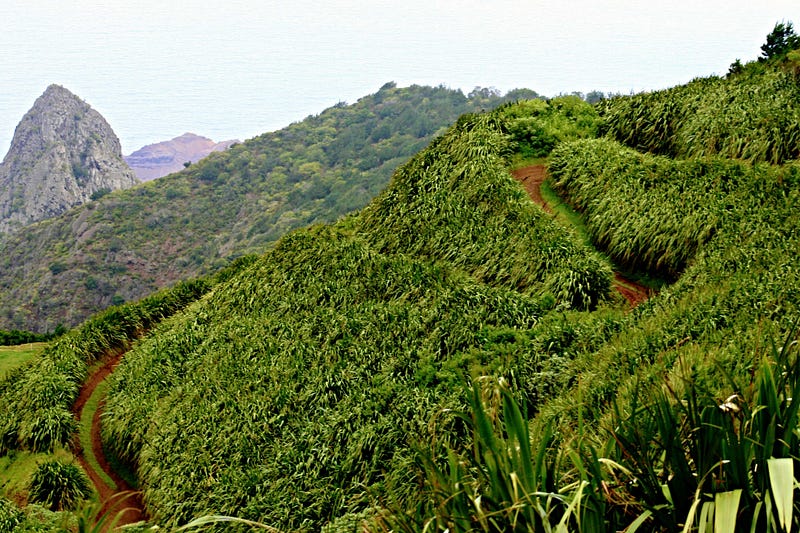
St Helena is a beautiful volcanic island in the middle of the South Atlantic. I sailed there from Namibia a couple of years ago with friends. This will be my third article about St Helena. For an overview, check out this article.
After we’d settled into the country a few days, we decided to do a paid tour of the island. There were 7 of us on the bus, all of us friends from sailboats in the harbor.
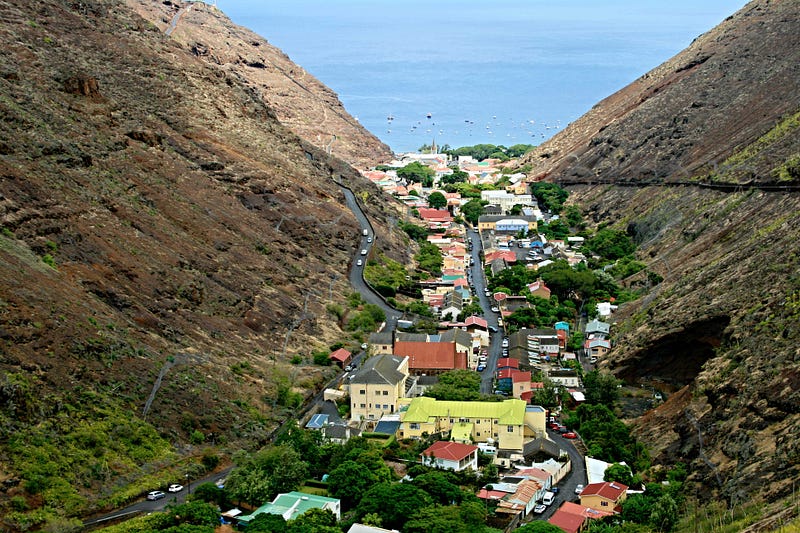
The town of Jamestown was quaint, and it had cool old buildings, but I didn’t find it overly beautiful. It sits in the valley of two sheer mountains, formed by lava with no trees growing on the slopes. It almost has an oppressive feeling to it as if the town is formed in the bottom of a trough, focusing the energy of the elements that come down. Luckily, the elements consist of wind and warm rain most of the time as it is in a tropical zone.
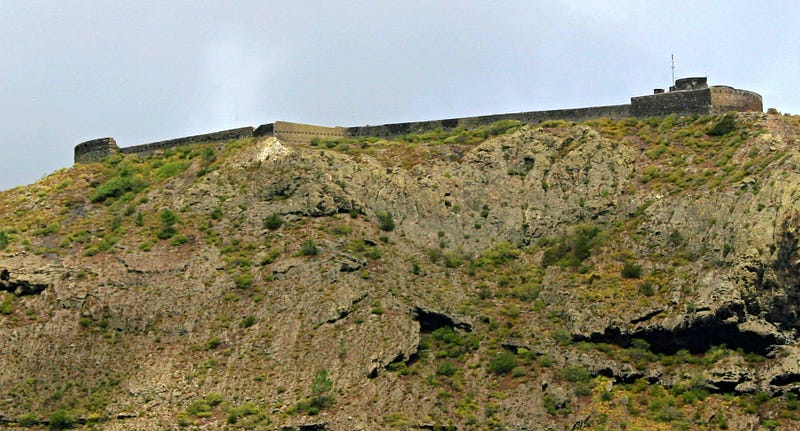
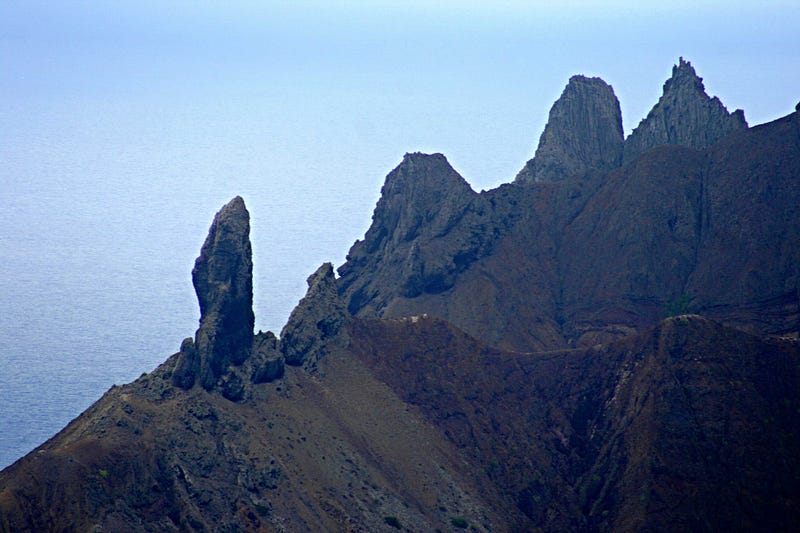
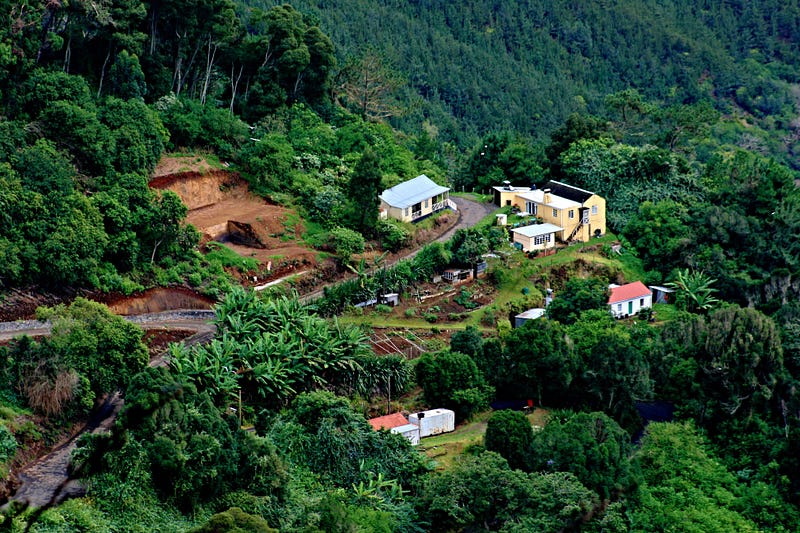
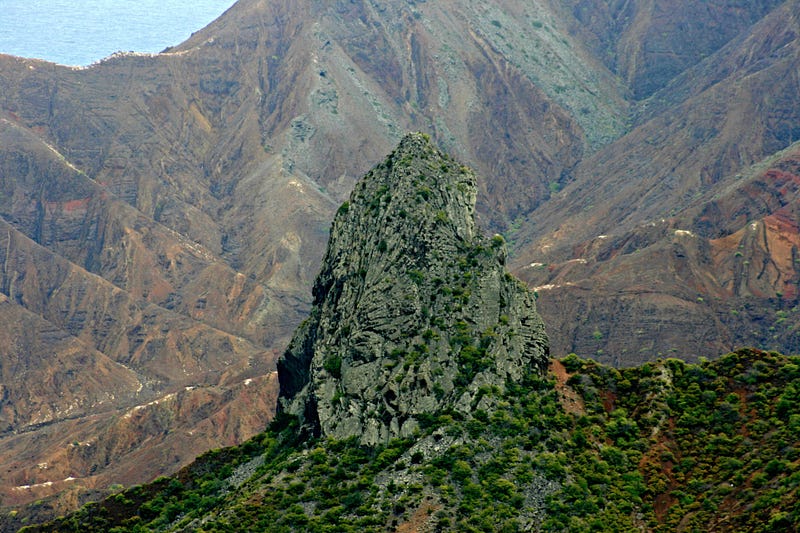
However, once you get out of this little valley and into the countryside, things start to change dramatically. There are constant reminders that this island was formed by a volcano, but it is also filled with trees, bushes, and greenery once the elevation rises and the temperature cools off.
St Helena is known for being the final prison and temporary burial place of Napoleon Bonaparte (temporary because the French were allowed to eventually take his remains back to France where they were interred in honor). I will plead ignorance of my historical knowledge of Napoleon, but I learned a few things while taking this tour. He was sent here by the British in 1815 and he lived here until he died in 1821.
It was a prison sentence, but it reminded me of the kind of prison sentence you read about with Pablo Escobar. He lived in a house and he had servants and a garden. He lived in several locations on the island, and we visited a couple of them.
But make no mistake, this island was guarded against French attack for the years he lived here. We were told that there were several warships here including 2 that constantly circled the island in case someone wanted to try and sneak on the island or attempt to free him.
There was also a huge increase in the number of soldiers here, to thwart any kind of aggression.
Briar’s Pavilion
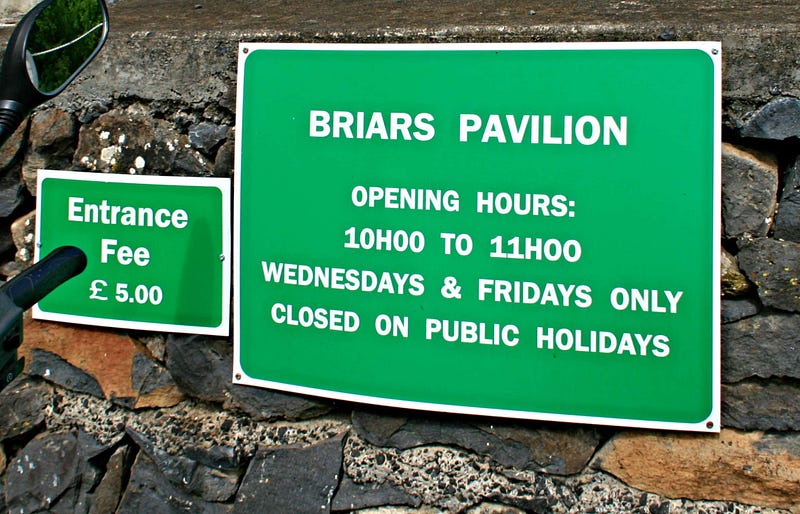
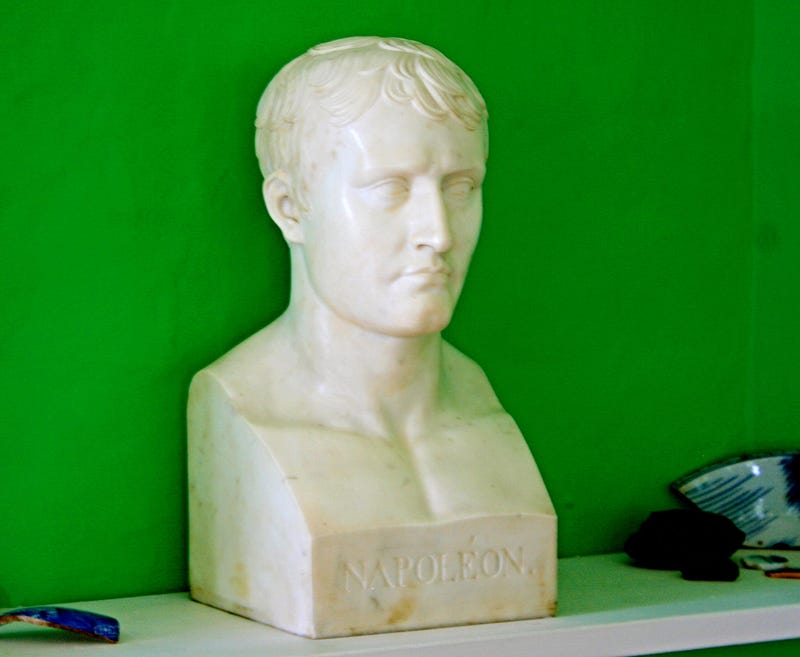
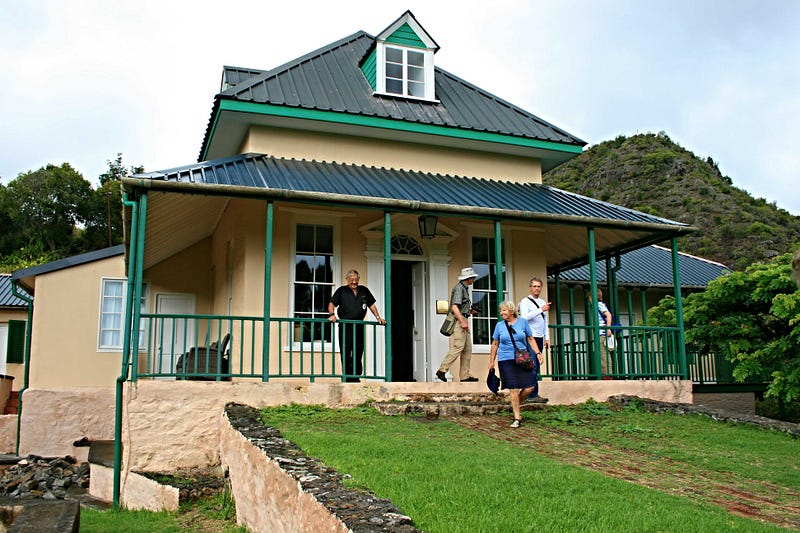
The first home/prison we visited was called Briars Pavilion. It was a small one-room house and it was on a hillside with a beautiful view.
Napoleon’s Tomb
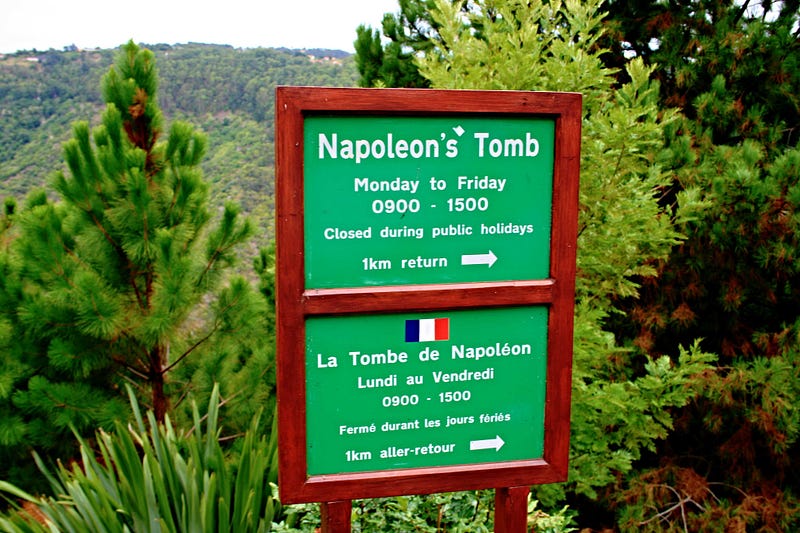
Next, we visited Napoleon’s Tomb, or the place he was buried and later exhumed and taken to France. It was a pleasant walk down to the burial site. The area was surrounded by a forest and it was drizzling off and on as we walked down to the spot. The walk actually created a sense of contemplation and reverence for the man who was once buried there.
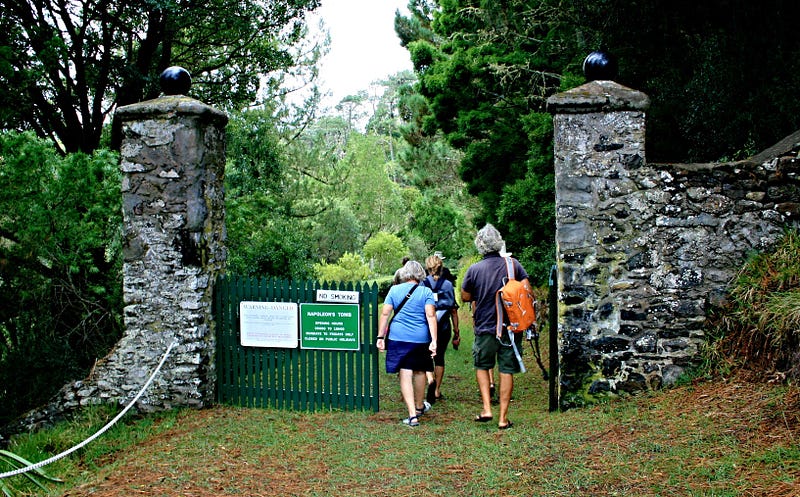
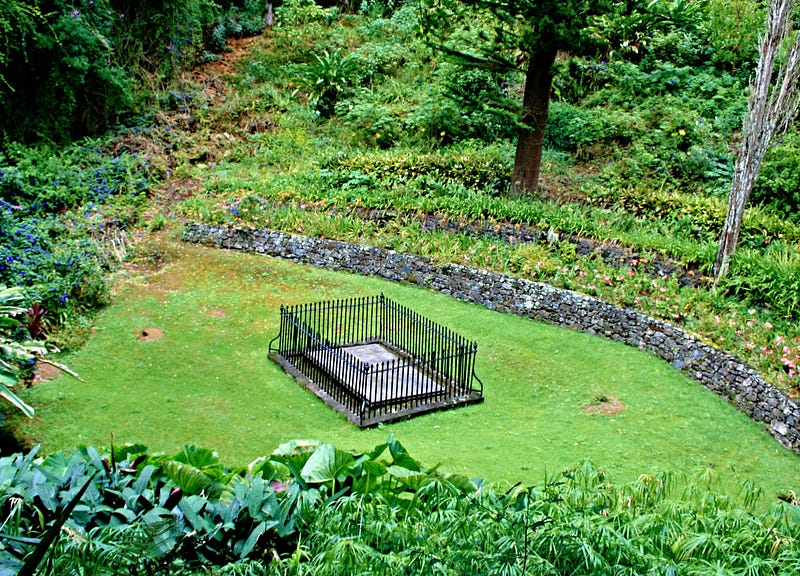
Longwood House
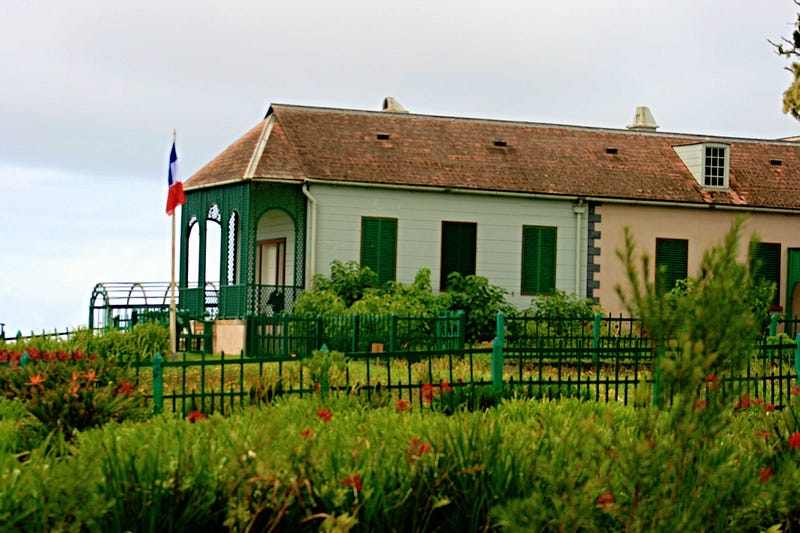
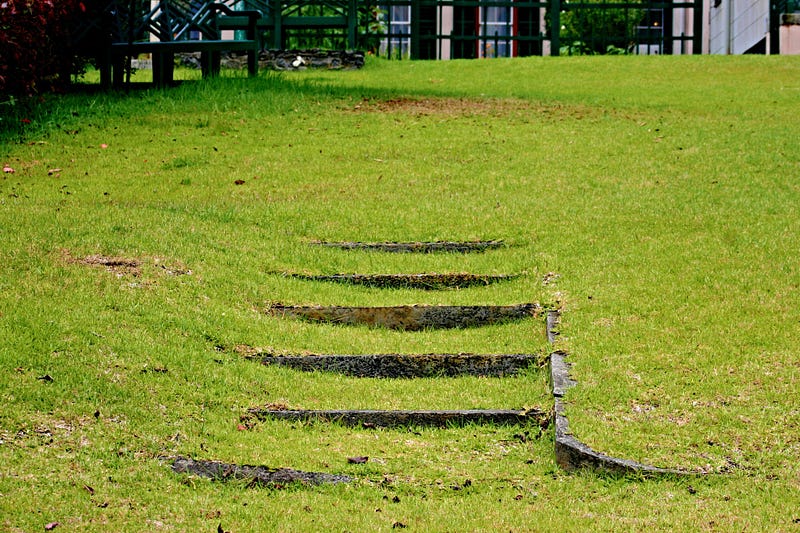
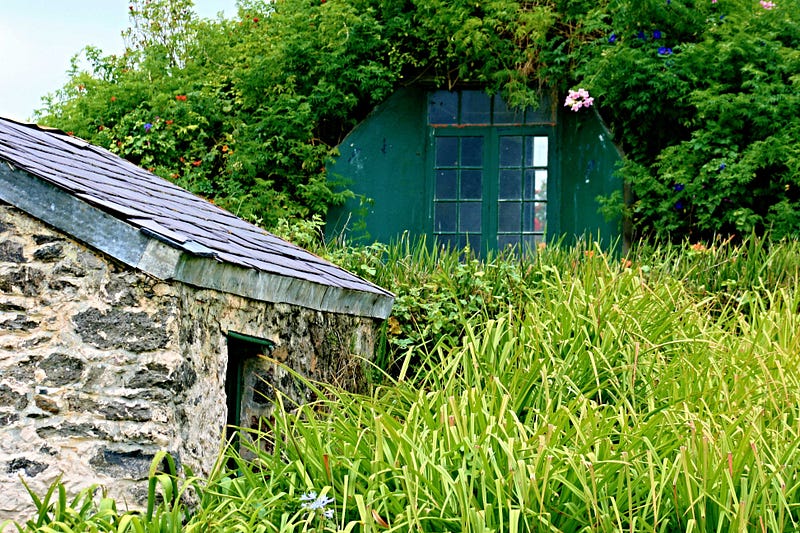
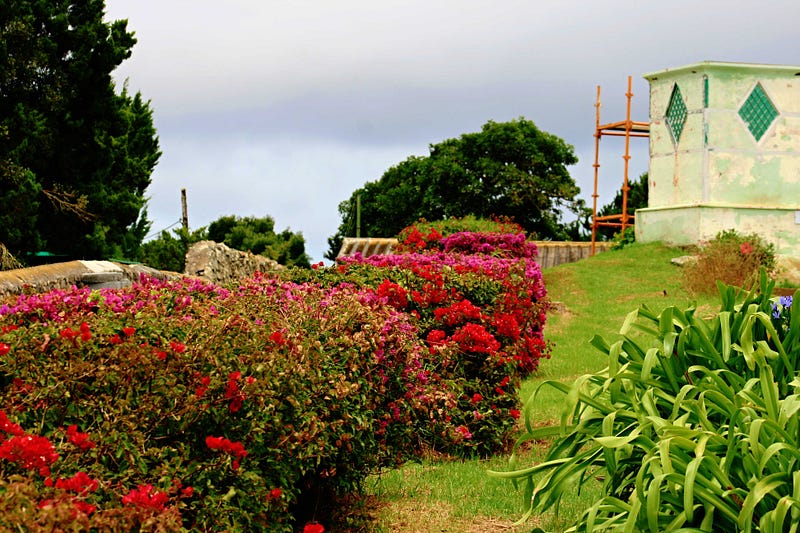
Next, we visited a house called Longwood House, which was the last place he lived on the island before dying in 1821. It was there that he had a beautiful garden. He wanted to leave it as a legacy for the British to look at after he was gone. We were told that the garden and house had declined through the years until the French purchased the house and land and have been working towards restoring the house and gardens.
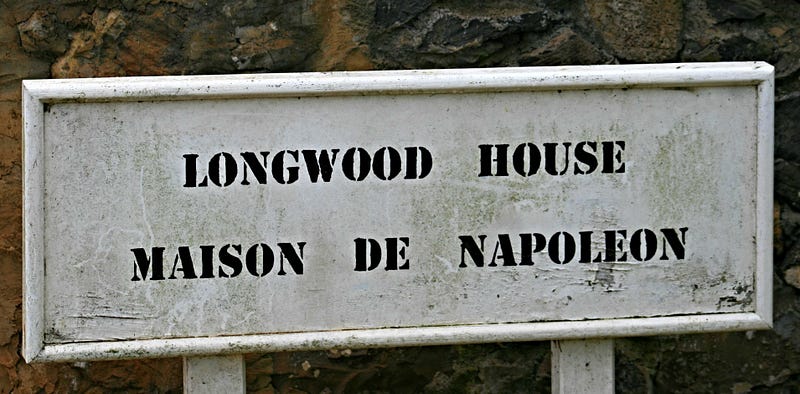
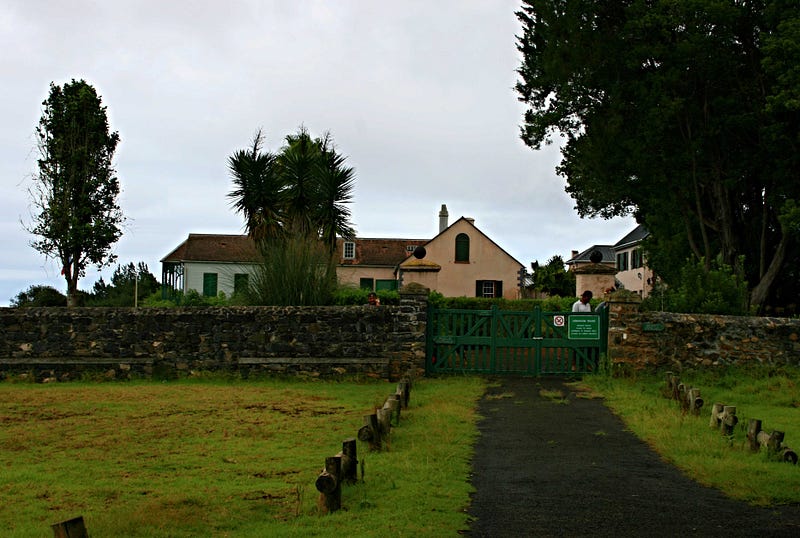
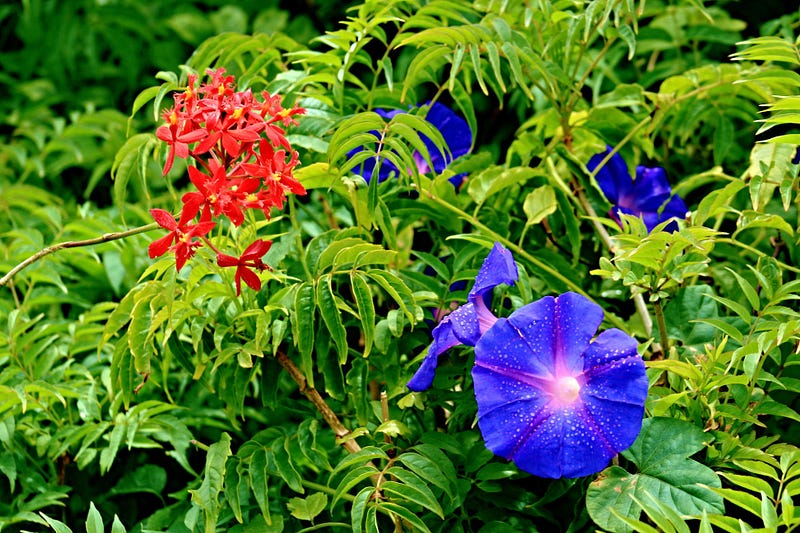
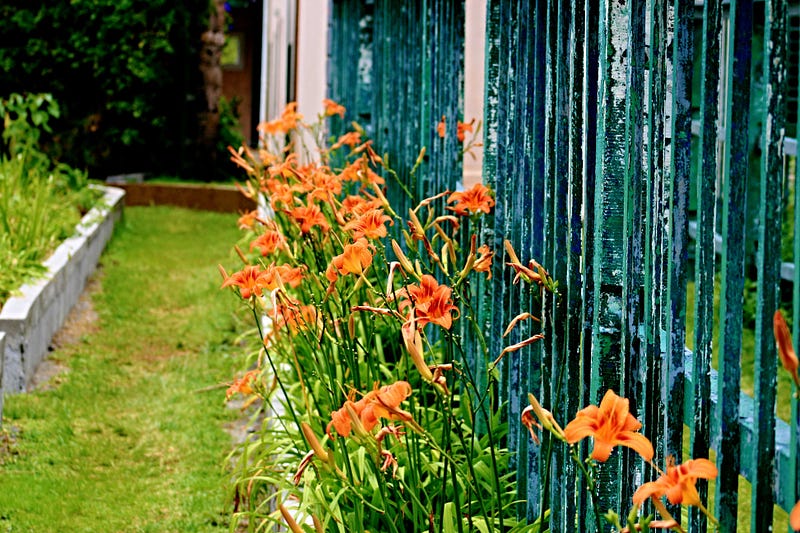
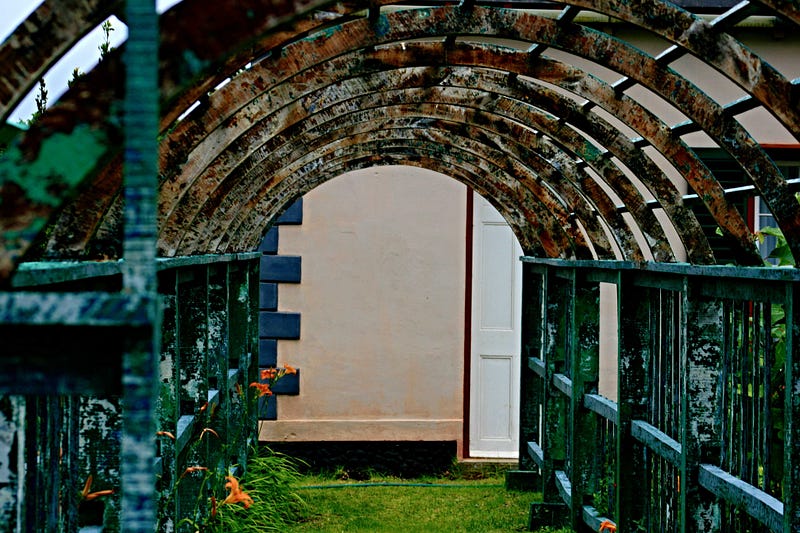
We drove to other places around the island and everywhere we went, the road and hillsides were lined with a large grassy-type plant. We were told it was flax and that there was a booming flax business here on the island in days gone by. Flax is a plant that is used for its fibers for making clothing and ropes and St Helena used to import it by tons to England for processing into these products.
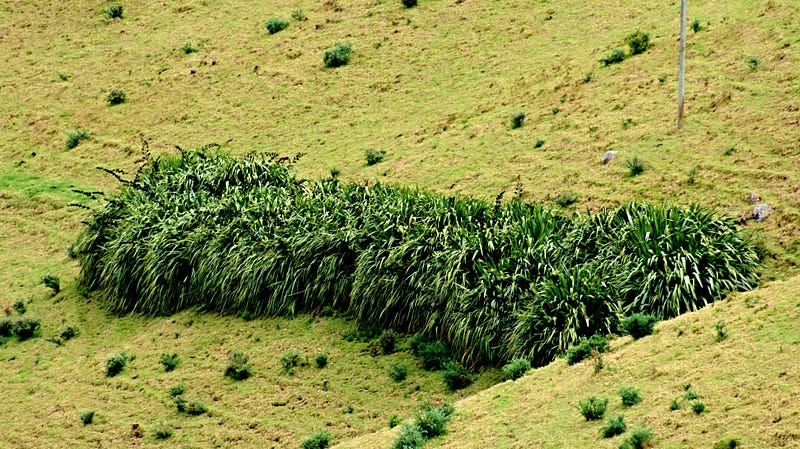
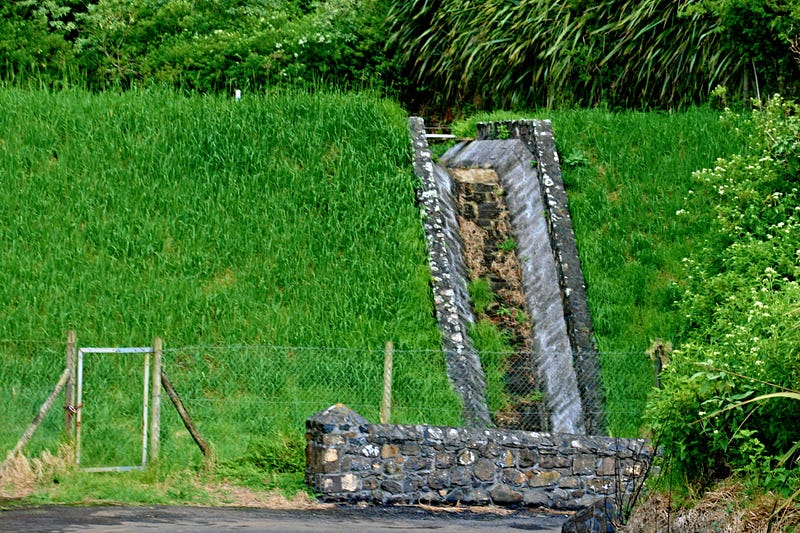
The flax export business in St Helena has completely dried up since 1966 and doesn’t seem to have a future there, based on the cost of reviving production and shipping costs. But the island has flax plants everywhere and it makes a beautiful ground bush, helping to avoid erosion from the rain in this tropical location.
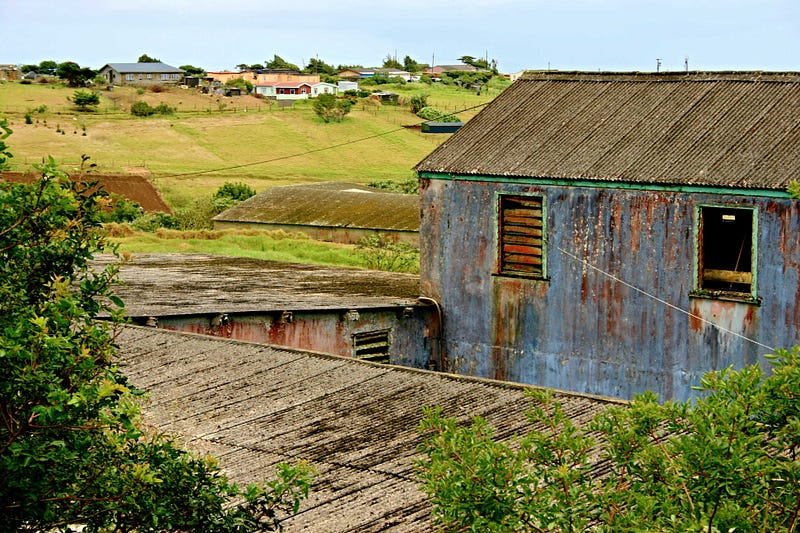
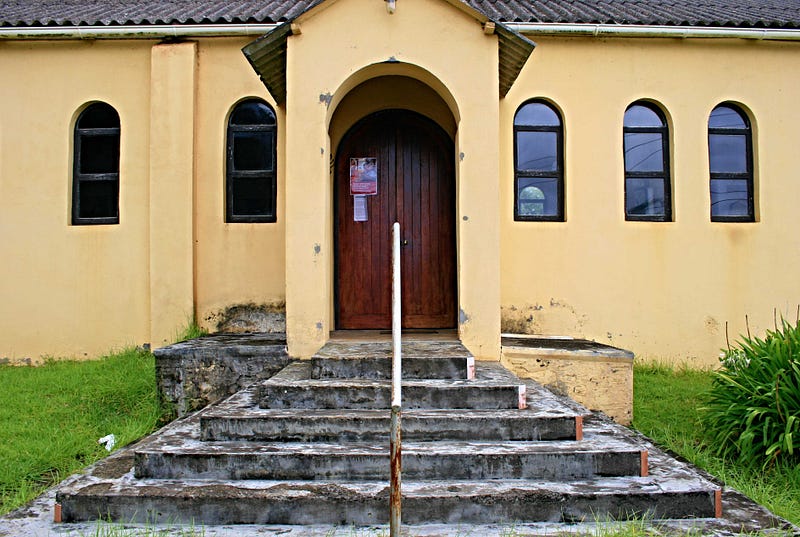
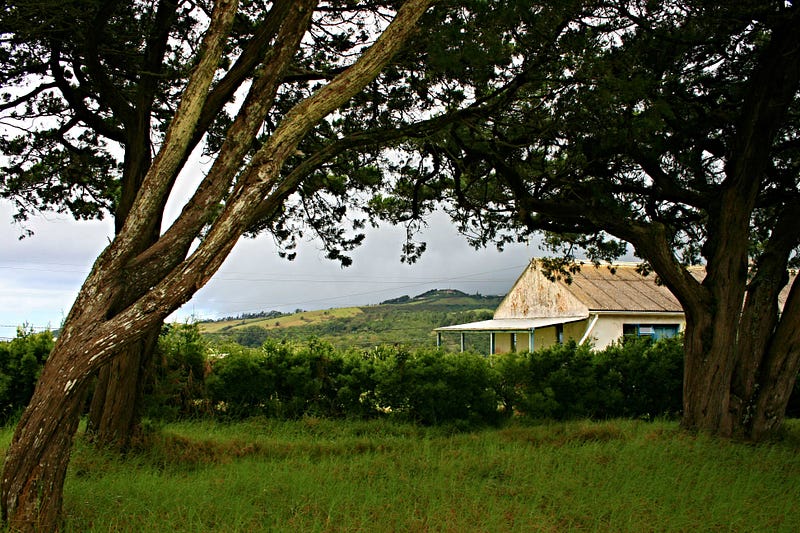
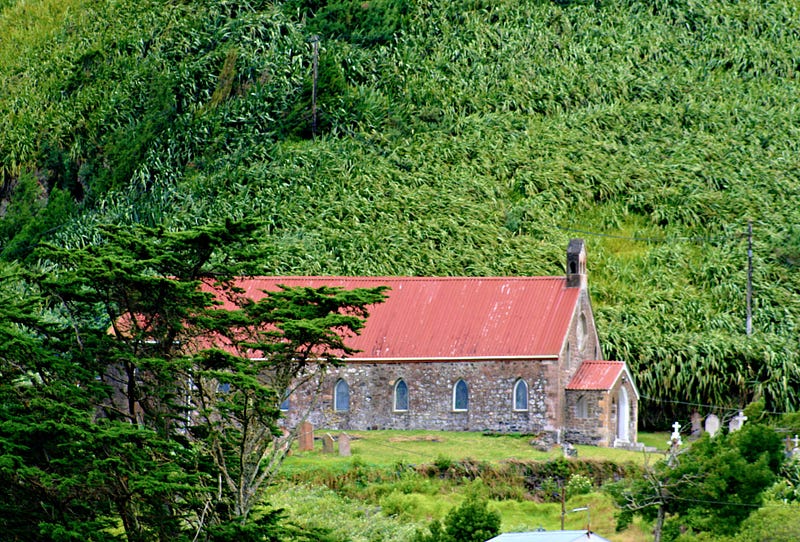
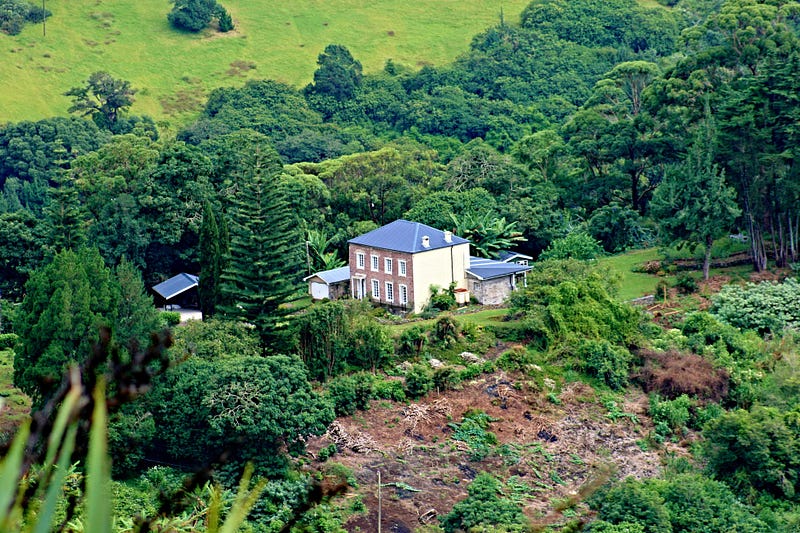
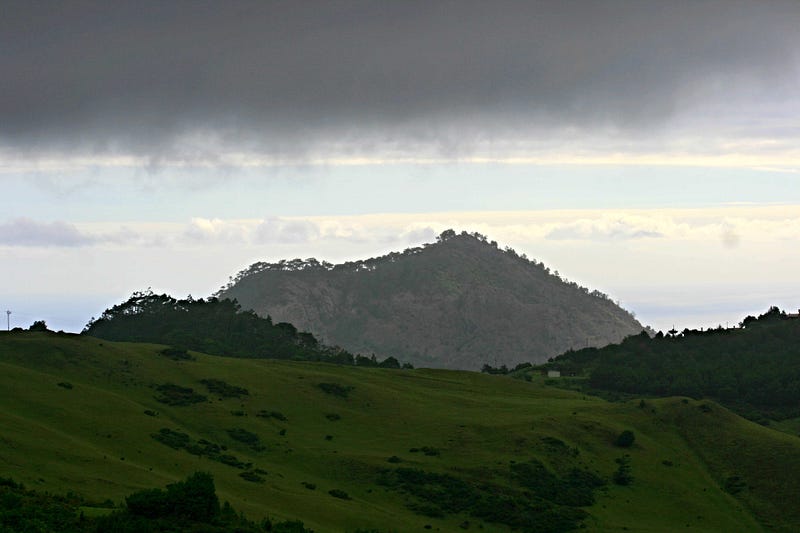
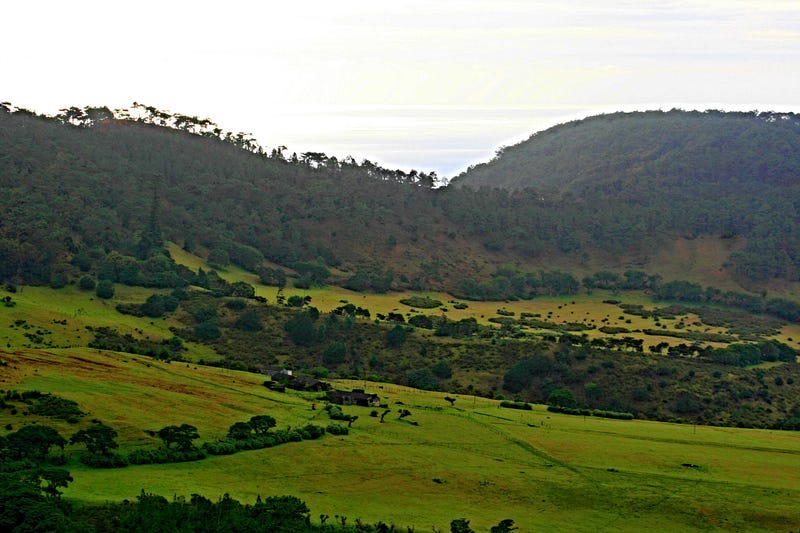
I found that there were lots of beautiful things to be seen wherever we went on this island. I enjoyed seeing the flax mixed in with the other trees and shrubs everywhere, along with an occasional old church or old estate as we drove around the countryside.
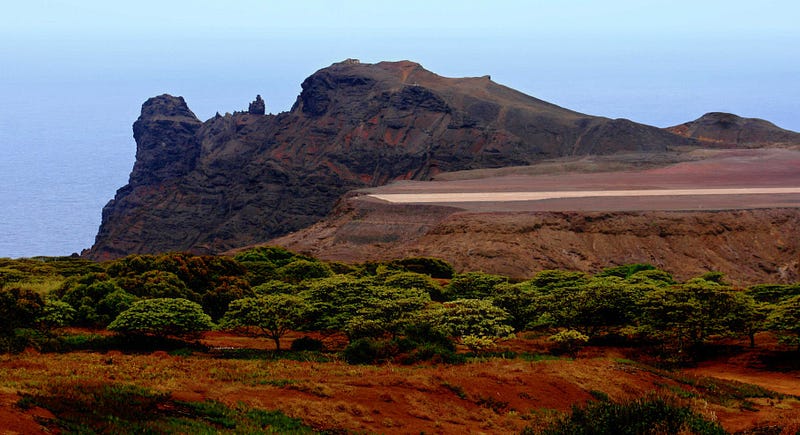
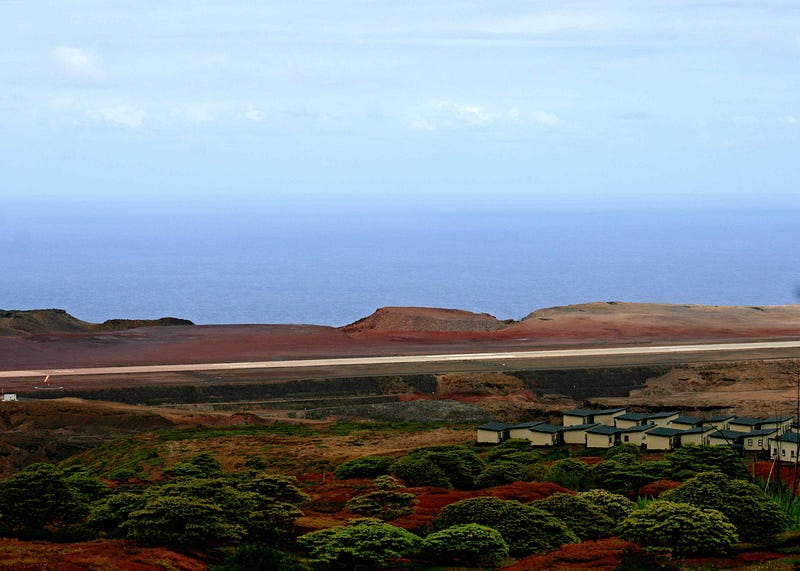
The Airport
St Helena recently had an airport added to provide flight services from Cape Town and England. Unfortunately, after the construction of the airport (millions of dollars), the runway is almost unusable for landing larger planes because of the wind updrafts at the end of the runway, causing dangerous landings. St Helena is working on a solution, and hopefully, it will be rectified in the future.
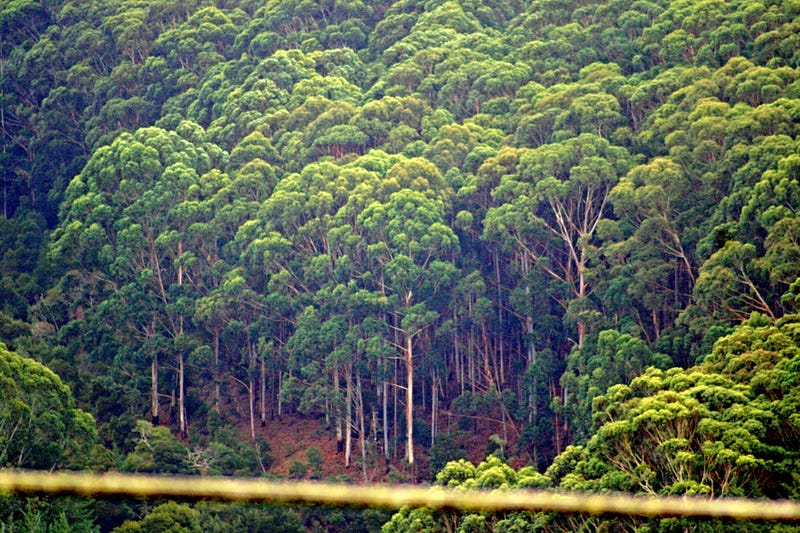
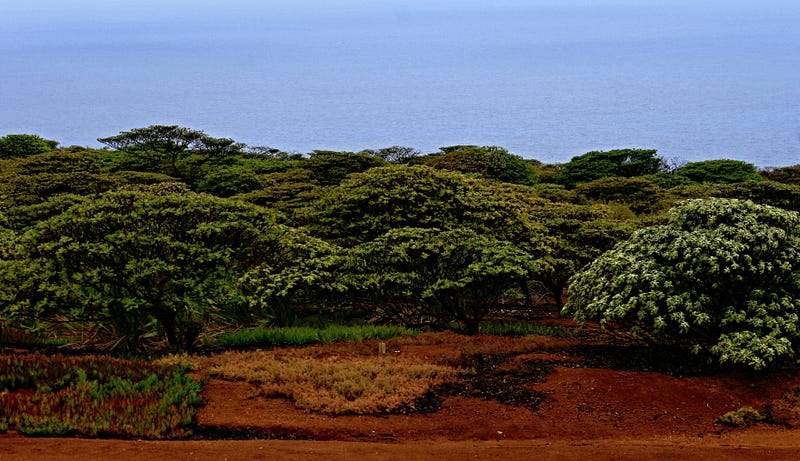
Near the airport was a grove of trees, part of the Millennium Forest Project which was started in 2000 in an attempt to undo some of the problems of human habitation on the island. 4,000 trees were planted initially, and another 1000 trees have been planted since then. I wish their efforts all of the best as they attempt to re-establish their former forests.
Cattle
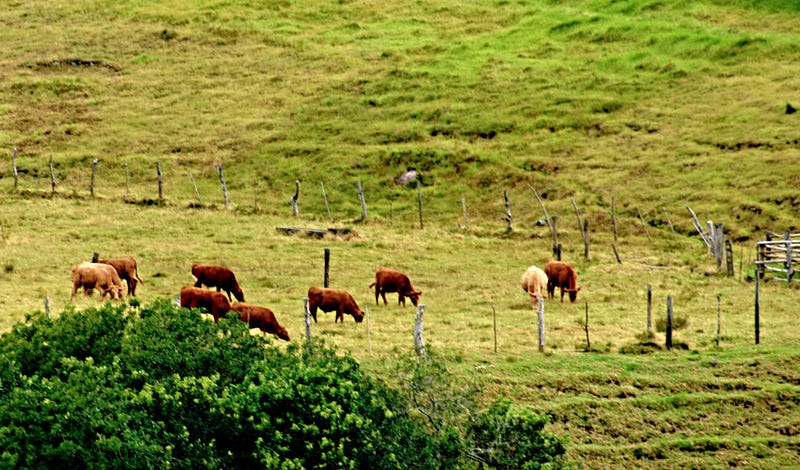
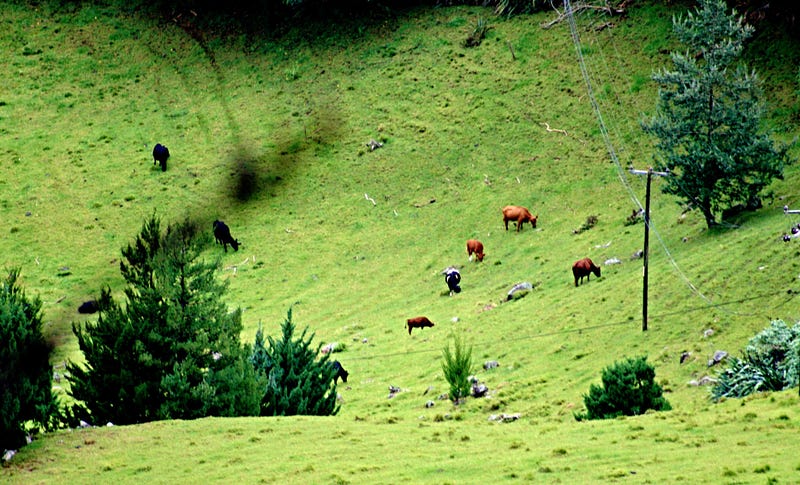
There are over 1500 cattle on the island, along with sheep and goats. We were told that 7 cattle per week are slaughtered for the Jamestown and surrounding areas. Thus they maintain their supply of beef for the island. We asked about dairy and were told that because there isn’t a pasteurization plant on the island, all dairy operations were abandoned.
The rest of the drive was quite pleasant as we drove around the beautiful countryside, surrounded by ocean scenery.
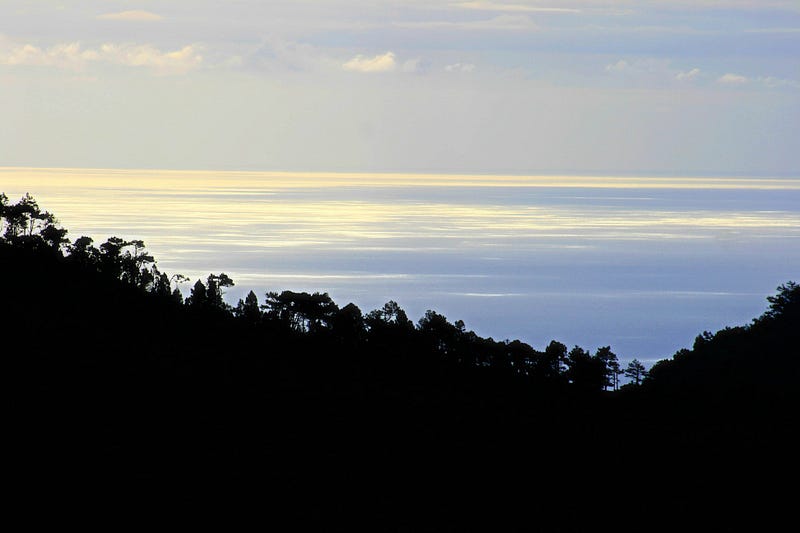
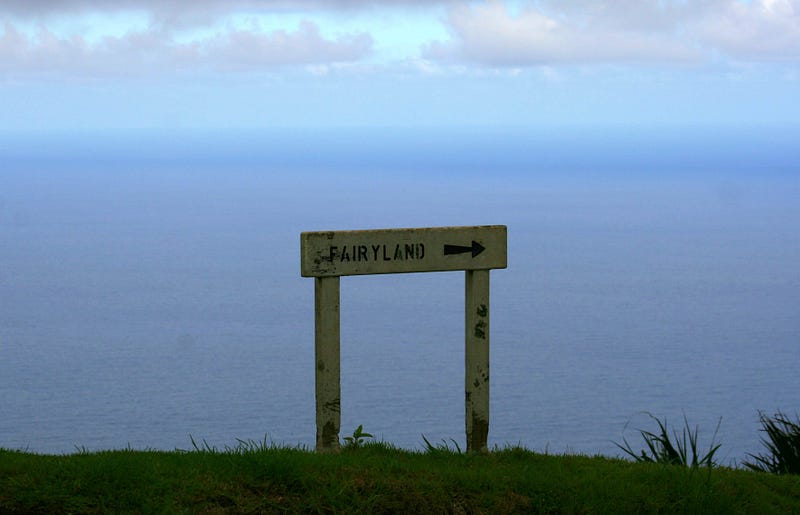
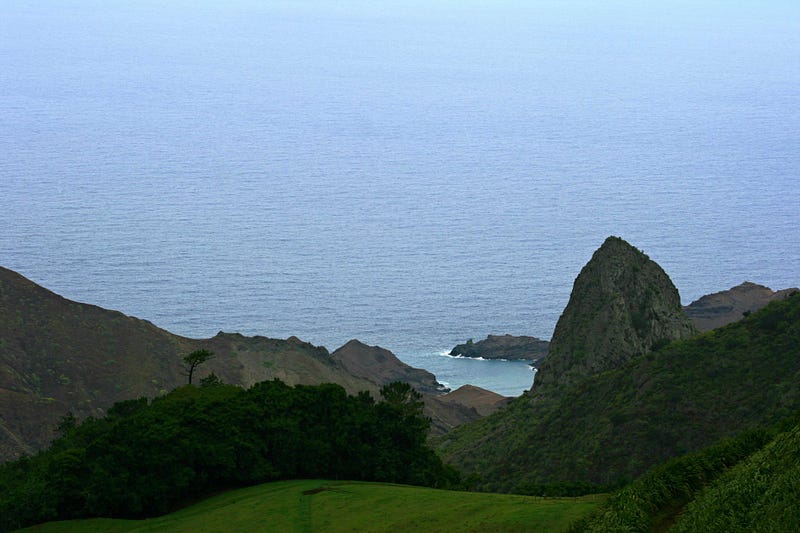
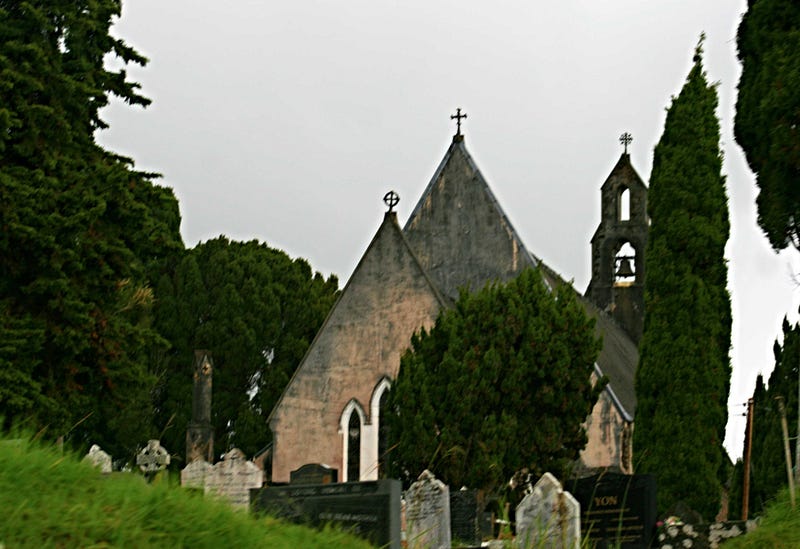
All in all, the tour was really a great way to learn more about this beautiful island and its rich history. I can’t believe I had never heard of it before coming here in 2019. I guess that shows my ignorance more than anything else, but I’m glad I had the opportunity to travel here and experience it in person. If you get the opportunity, I wouldn’t miss it for the world. I’d come here again for the whale sharks, alone! See my article below.
© Matt Ray 2021
Subscribe to get an email when I release new articles or poems. You can usually find me somewhere on the planet, either sailing or thinking about sailing. Or you can find my social networks here: Linktree
Don’t miss out on new stories. Consider becoming a member of Medium. Not only will you see my updates, but you’ll also have access to all the other amazing writers on Medium.

Sign up for our newsletter to stay informed with up-to-date curations from our editors:👇
We now offer exclusive writing services for our members. Discover how you can take advantage of our editing services and more.


