
Travel. British Isles.
Jamestown, St Helena
One of many unexpected islands along my journey, circumnavigating by Global HitchHiking
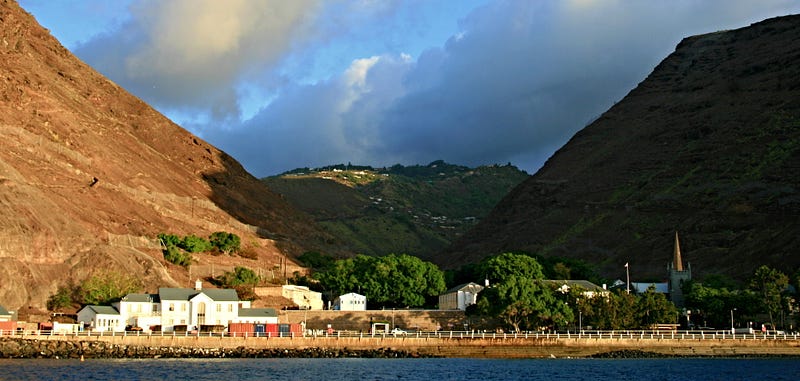
In 2019, with two companions on a 43-foot sailboat, we sailed from Walvis Bay, Namibia to a small island you may have never heard of, St Helena. It is in the middle of the South Atlantic Ocean, is a British Protectorate, and is best known for being the last resting place of Napoleon Bonaparte. It is where the British Empire exiled him and where he died under their guard. It also happens to be about a 10-day passage by sailboat to arrive there from Namibia. At least that’s how long it took us to get there from Walvis Bay.
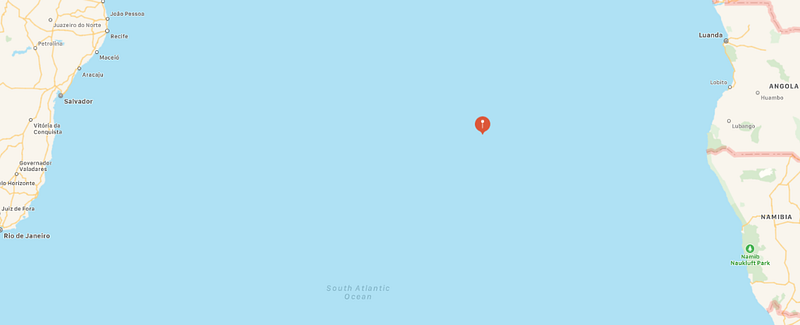
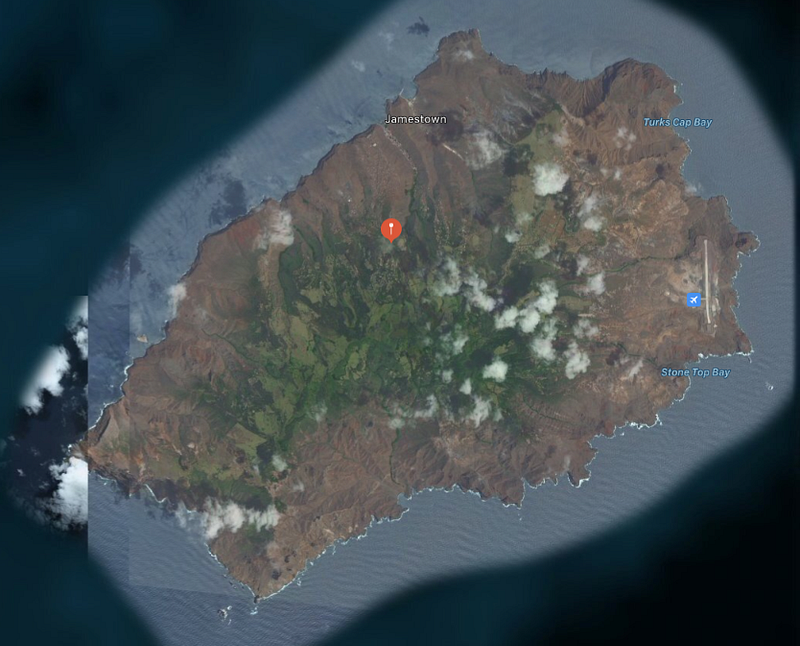
Arriving in Jamestown
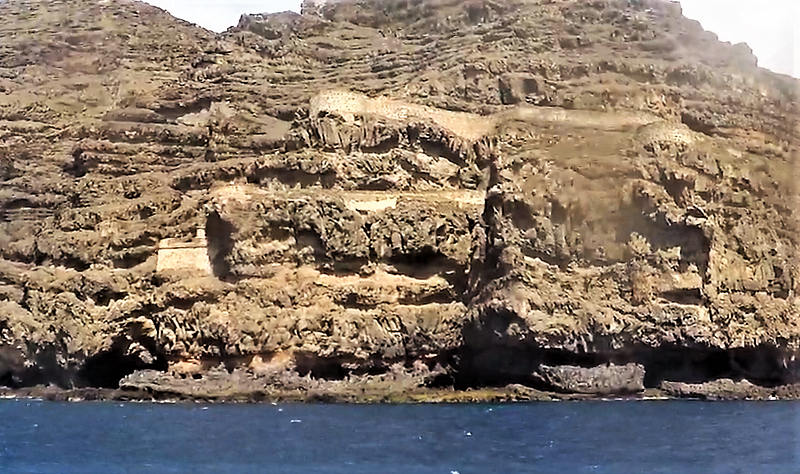
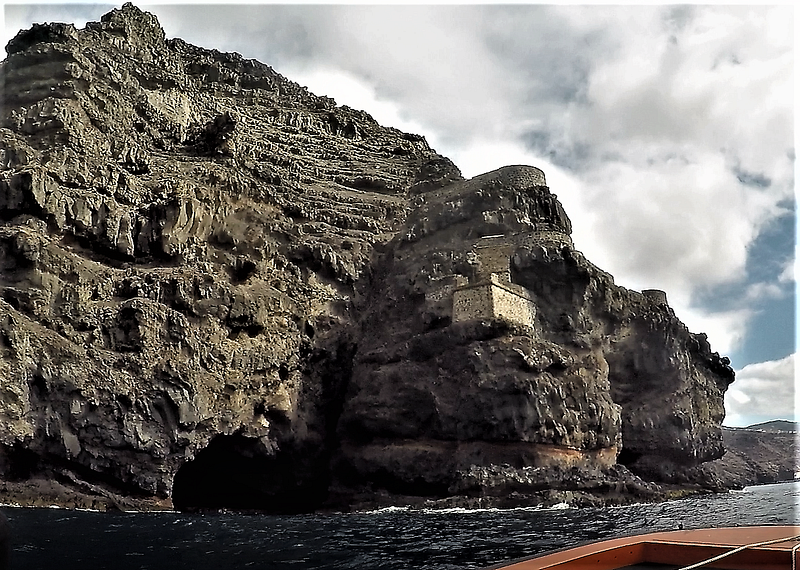
Arriving at St Helena after being at sea for 9–10 days was incredible. Large majestic rocks came straight down into the water. It almost looked obsidian-like in the morning light. All around the island were the remains of forts and fort-like structures. St Helena has been used as a prison island through the centuries and not just for Napoleon, although we did learn that during Napoleon’s incarceration, a warship circled the island night and day.
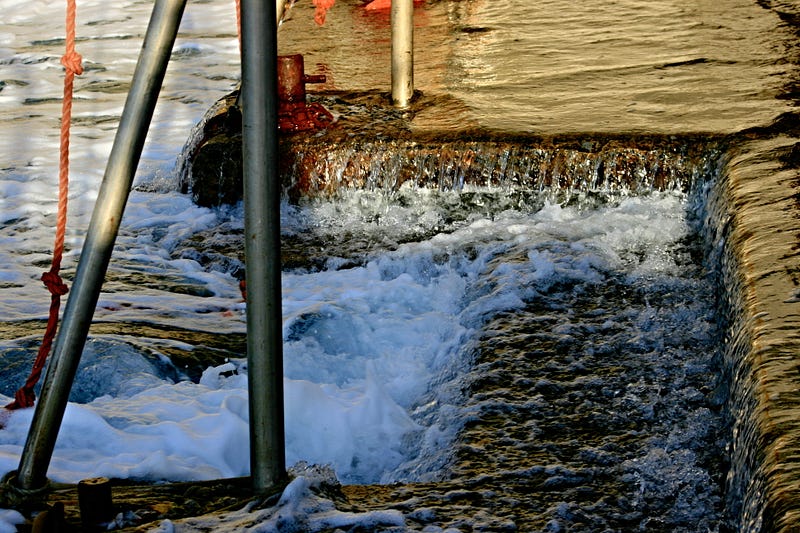
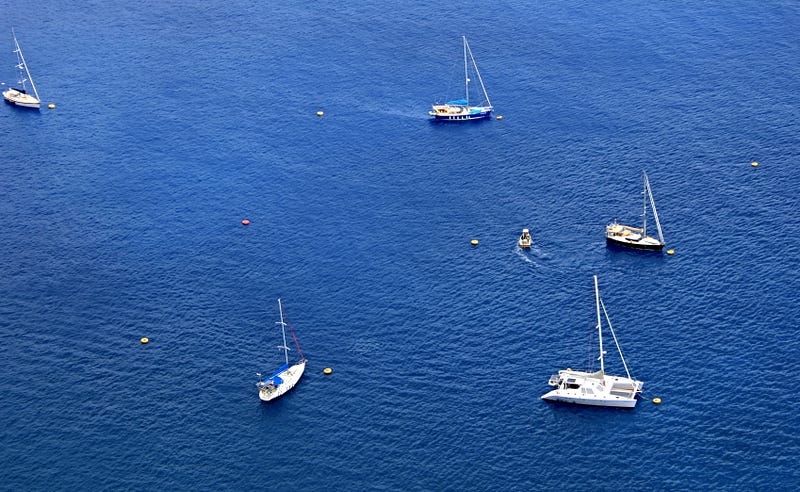
We were asked to moor on large mooring pucks, that were anchored, 46–60 inches across and 16 inches thick, with a ring in the middle of them. We attached the lines to the forward cleats and then brought the lines back to the port side of the boat where I stepped off of the boat, stood on the puck, and fed the lines through the ring. The pucks were not very stable, but somehow we were able to get the lines through the ring and get back on the boat without getting wet (for a picture of the puck, see the bottom image). Then we manhandled the lines back up towards the front of the boat where we cinched them in and tied them off.
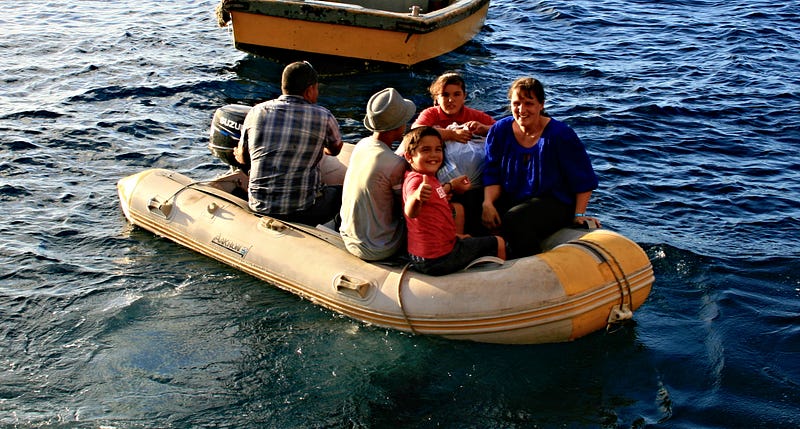
We called the water taxi to bring us into town. The ocean is kind of rough getting a personal dingy into the dock. Most people elect to call a water taxi, which charges 2 British pounds per person, round trip. It was nice, but it only runs hourly up until 6 pm. So if we want to do anything later in the evening, we’ll have to take our dingy in and hope that the swells aren’t too rough.
There was a family we met, from St Helena, who had just completed their circumnavigation with their 3 kids, who brought their dingy in every day, trying to save some money, and they had it all down to a science (seen above).
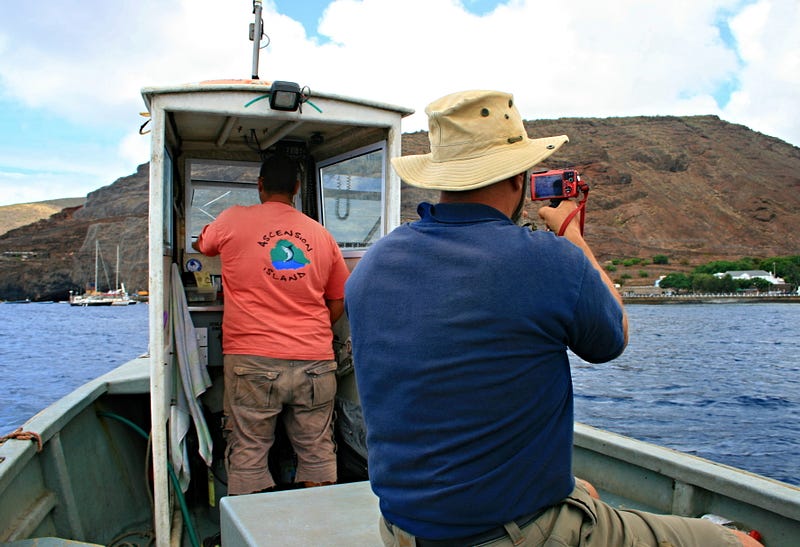
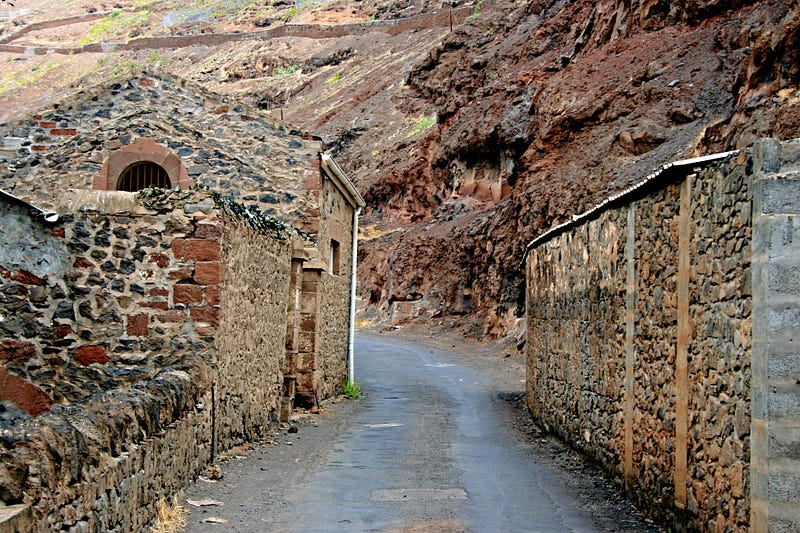
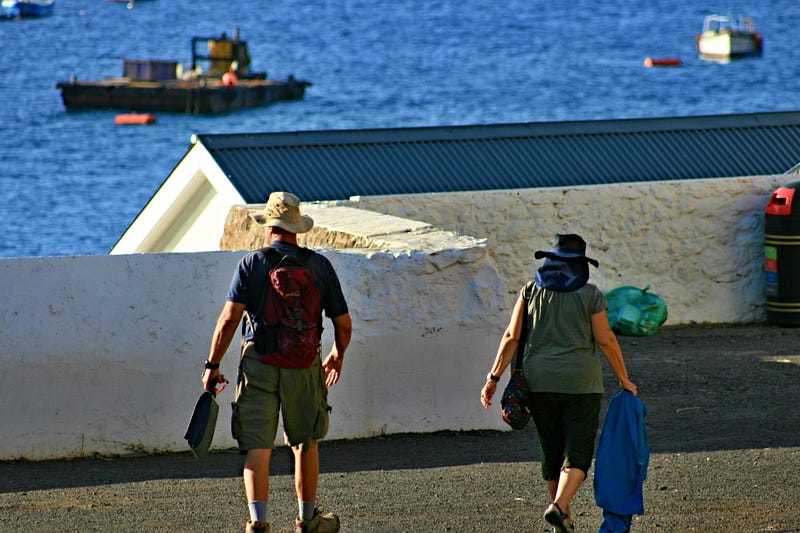
We checked into the Customs, Port Authority, and Immigration and got everything taken care of. This country requires a 20 Pound check-in fee and proof of medical evacuation health insurance. Luckily, I had DAN’s Guardian Plan, which covers me for SCUBA Diving as well as Medical Evac if I need it. However, I didn’t have proof of it on my phone, so I had to go find some internet so I could log in to DAN’s website and save a picture of my Medical Card on my phone that proved I had it. Internet here costs 3.30 Britsh Pounds per 30 minutes is probably the worst internet we’ve had in a year.
It is also the first country on our journey that absolutely required us to have proof of insurance or they would not let us in the country. We’ve visited 10 other countries and nobody has even asked for it before St Helena.
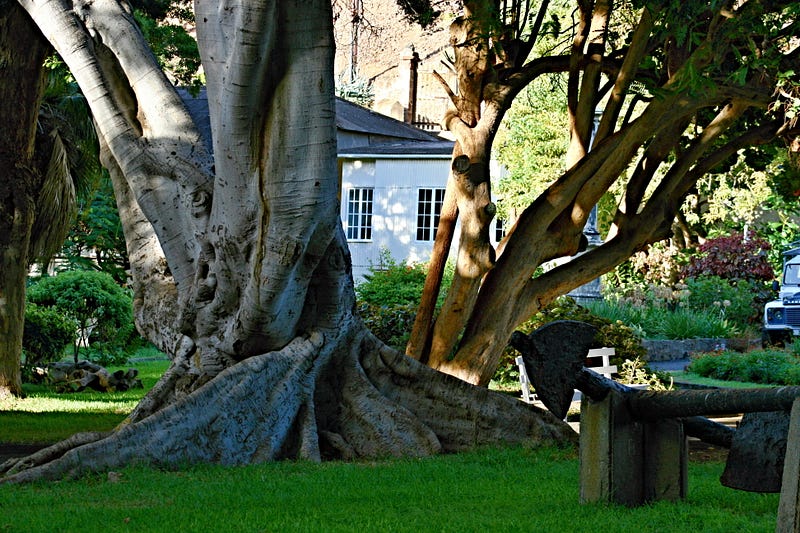
After completing our check-in procedures, we went to a local hotel for some early dinner, which was delicious, but a lot more expensive than what we’ve been used to in S. Africa and Namibia. We’ve been spoiled by the cost of food in Southern Africa.
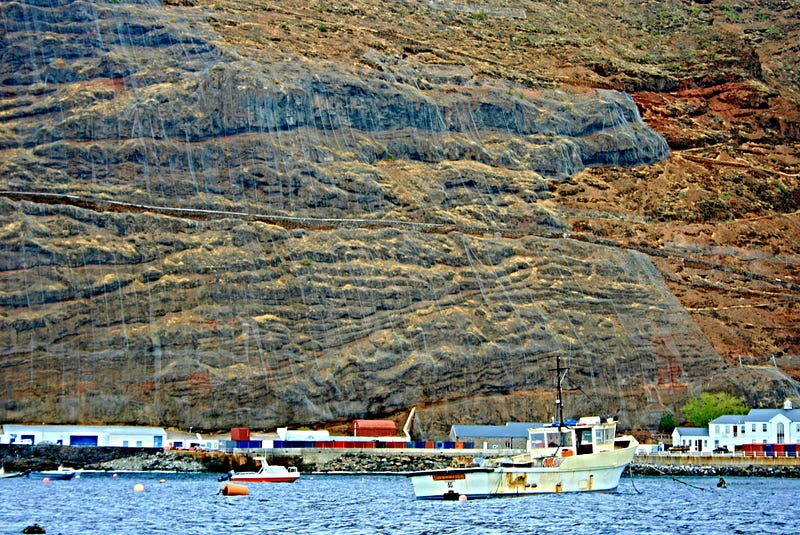
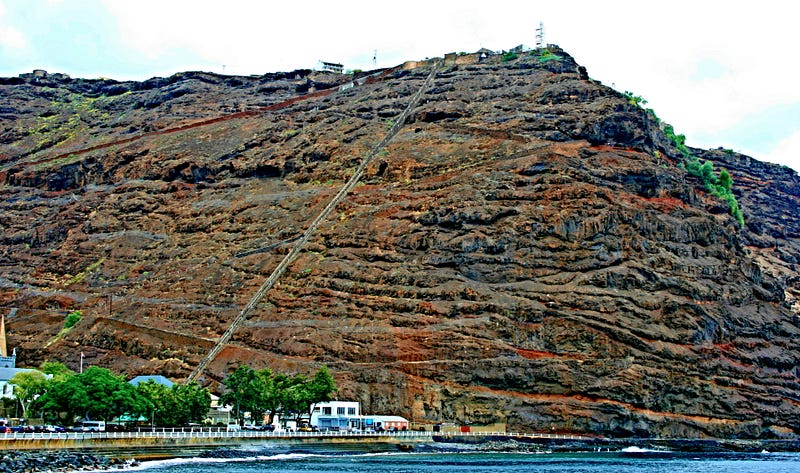
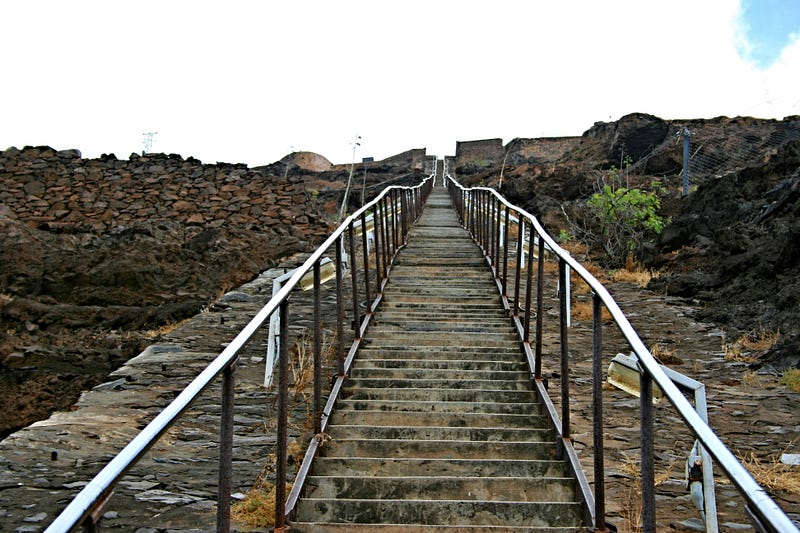
We got back to the dock in time for the 6 pm water taxi and got back on the boat. By 8 pm everybody passed out, preparing ourselves for the next day’s events. We have plans to hike the “stairs of death” photographed below (covered in another article).
Diversity
One thing I have noticed about St Helena is the variety of ethnic diversity here. We have traveled from Darwin, Australia to here from May 2018 to March 2019, and we saw people here from almost every one of the countries we visited. It almost felt to me like there must be an indigenous group that was here before, especially considering this is a British protectorate. But I was reassured by several people I talked to that the diversity comes from hundreds of years of workers and slaves and British Indian occupation.
They basically told me that most of the people that migrated here are from the Indian Ocean, which made a lot of sense based on what I mentioned above. Also, the language spoken here is English, but I have noticed a strong local dialect that is spoken on the street and confirmed that there is such a thing. They call it broken English, but it is really more of a Pidgeon. Of course, we have seen this diversity in most of the countries we’ve visited over the past year. Reunion, Rodriguez, Mauritius, Madagascar, South Africa, Namibia, are all quite diverse. Beautiful places, beautiful people.
Whale Sharks
There is a marine biology group here attending a whale shark symposium. There are lots of whale sharks in St Helena. They say there are hundreds. We were scheduled to go on a whale shark snorkel today, but it was postponed until Thursday because the swells are too big. I actually wrote about my whale share snorkel in this article. It was honestly one of the highlights of my 3-year journey around the world. If you haven’t read it yet, please do. You won’t be disappointed.
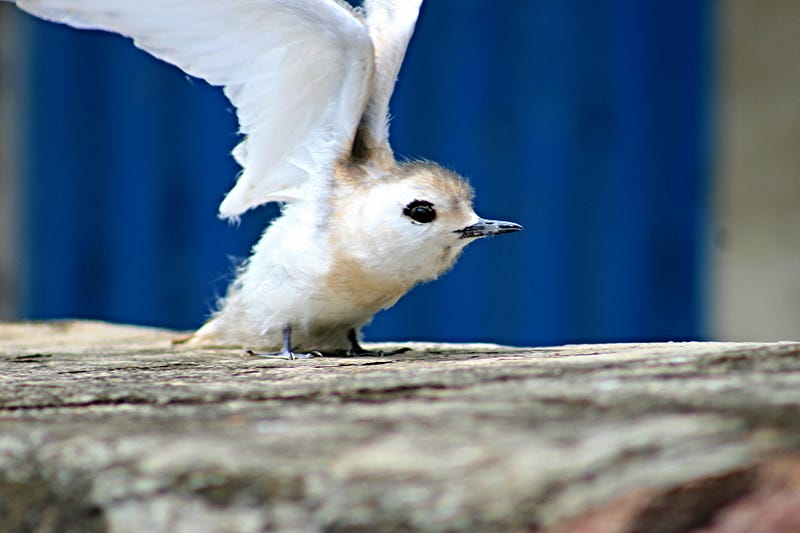
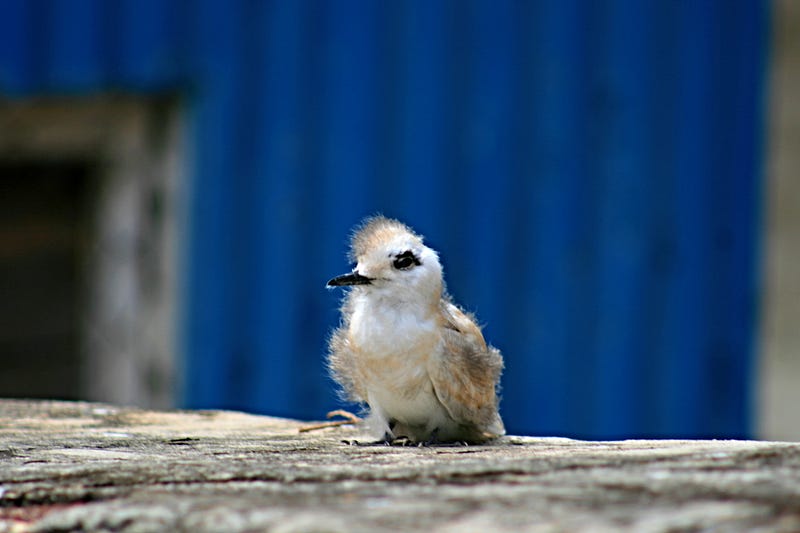
Also captured here is a picture of a baby fairy tern we saw walking around town. Adorable bird. So ugly, it’s cute. You know, like a pug!
St Helena is one of those islands that was a big surprise for me in many ways as I sailed around the world. I wasn’t expecting it. For one reason, I had never heard of it before seeing it on my itinerary in 2018/2019 when I joined a sailboat by crewing or what I call Global HitchHiking. Another reason was because of the whale shark experience I described above.
A third reason was because of the rich cultural and historical heritage I discovered here and I plan to share with you in another article, related to Napoleon and the world of textiles. It really is an amazing place, steeped in historical flavor. Until next time.
© Matt Ray 2021
Want to connect? You can find me somewhere on our beautiful planet, on a sailboat, or with my hands in the soil and my eyes gazing up at the clouds. Or find me via Linktree.
For more of my work, here are a few examples.

Sign up for our newsletter to stay informed with up-to-date curations from our editors:👇
We now offer exclusive writing services for our members. Discover how you can take advantage of our editing services and more.


