
Glimpses Into My Media Passion from Virtual to Augmented Reality
My extensive exploration and plans to use VR/AR for documentary films and novel approaches to leverage emerging technologies in movie-making
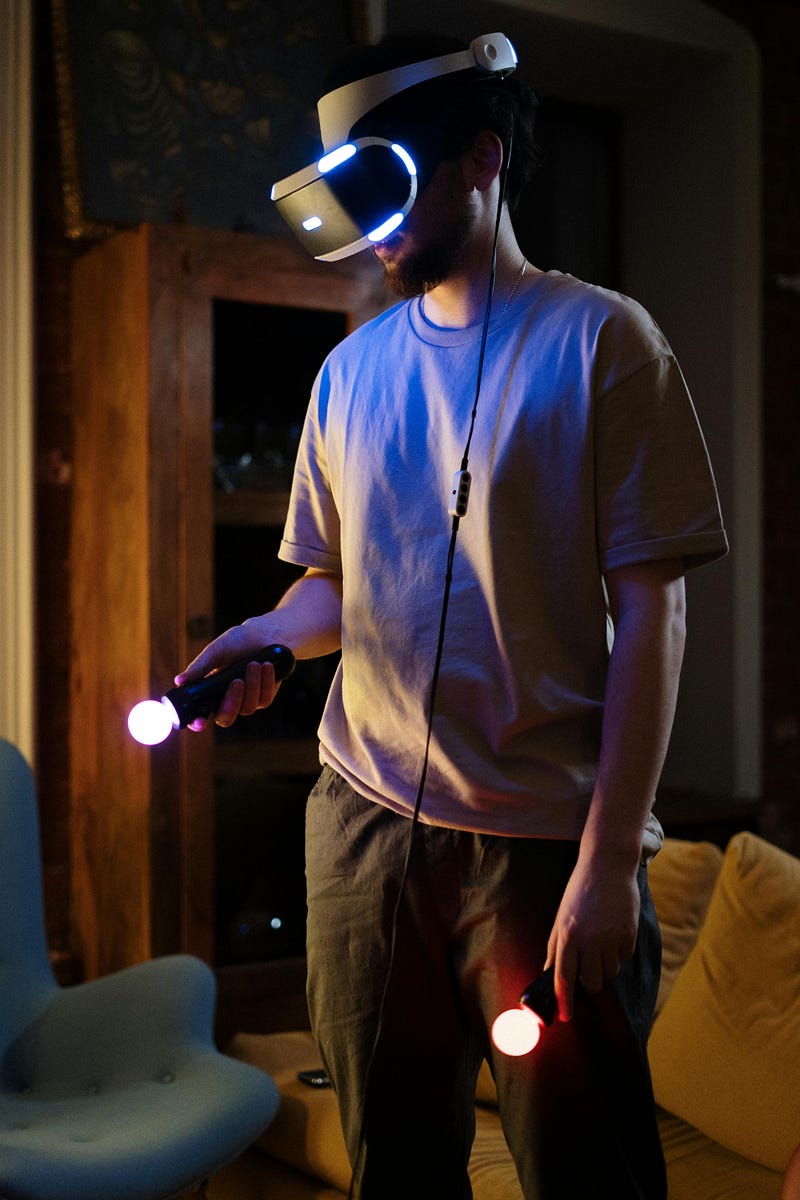
During my early teens, I got really into new tech stuff. It was beyond a hobby — it became an obsession and a big part of my life. I made sure to keep track of all the latest gadgets, spending a lot of time online reading reviews and checking out specs. My friends even started calling me the “gadget boy” because of how into it I was.
As someone who loved watching videos about gadgets, I was always glued to tech YouTubers, eager to hear what they had to say about the newest gadgets on the block. It was during one of these binge-watching sessions that I stumbled upon the Oculus Rift, a virtual reality headset that promised to change the way we interacted with technology.
Thanks to a friend who was a developer, I got my hands on the development kit in 2012, even before it became available to the public in 2018. Entering that virtual world for the first time was mind-blowing.
Even though the demos were basic, they completely sold me on the potential of VR. After that moment, I was hooked. I kept up with all the latest advancements in VR tech, eagerly waiting for the day when it would be available to everyone.
In this story, I want to share glimpses of my aspirations as a filmmaker and give you some ideas on my studies, how I am using VR/AR, and my plans for upcoming years to achieve my goals to inspire you.
My Exploration of Virtual Reality for My Studies and Work
During my Film and TV production studies at college, virtual reality (VR) and augmented reality (AR) caught my attention. I learned about theories, current practices, and possibilities that I want to touch on briefly.
For those unfamiliar, VR creates entirely digital environments, immersing users in simulated worlds through headsets. AR, however, overlays digital content onto the real world, enhancing the user’s view with virtual elements.
While VR offers full immersion in a digital environment, AR integrates digital content into the user’s physical surroundings.
My interest was piqued when my professor touched upon the potential of these technologies in our field. Eager to delve deeper, I started a personal research journey to explore the integration of VR and AR into film and television.
One intriguing concept involved using VR to provide viewers with an immersive, 360-degree experience. Imagine being able to step into the world of your favorite film or TV show, walking alongside characters as if you were right there with them.
I thought this could revolutionize storytelling, offering a level of engagement and intimacy never before possible. Viewers could choose their perspective, perhaps following different characters or exploring different angles of a scene, creating a personalized viewing experience.
AR could be used to enhance the viewing experience in a more subtle but equally impactful way. For example, imagine watching a historical drama where AR overlays historically accurate costumes and settings onto the actors, bringing the past to life in vivid detail.
AR could also be used to provide additional information about the scene or characters, enriching the storytelling without overwhelming the viewer. Another exciting possibility is the use of VR and AR in pre-visualization and production.
For example, directors could use VR to scout locations virtually, saving time and resources. They could also use VR to create rough, virtual versions of sets and scenes to experiment with different camera angles and shots before ever setting foot on a physical set.
AR holds the potential to enhance film sets by seamlessly integrating computer-generated imagery (CGI) elements into the real-world environment. This technology can enable actors to interact with virtual creatures or objects in a manner that feels both natural and convincing.
Furthermore, VR and AR could revolutionize the way films and TV shows are marketed and distributed. Imagine being able to watch a trailer for a new film in VR, where you can explore key scenes and get a taste of the movie’s atmosphere before deciding to see it in theaters.
AR could be used to create interactive posters or billboards that come to life when viewed through a smartphone or AR headset, offering a glimpse into the world of the film or TV show and enticing viewers to learn more.
The potential uses of VR/AR in film and TV production are vast and exciting. From enhancing the viewing experience to revolutionizing pre-production and marketing, these technologies have the power to transform the way stories are told by creators and consumed by audiences.
As these technologies continue to evolve and become more accessible, it’s only a matter of time before they become integral parts of the filmmaking process.
My Recent Involvement in VR/AR as a Hobby Turning into a Job
My interest in VR continued to grow stronger over the past few years. I kept a close eye on the progress of new VR headsets, such as the HTC Vive, which offered even more immersive experiences.
During the COVID-19 quarantine period, when much of the world was in lockdown, I found myself with plenty of free time. It was during this period that I stumbled upon the Oculus Quest 2, Oculus’ second standalone VR headset. Like many others, I was stuck at home with nothing much to do, so I took the plunge and bought the Quest 2.
The Quest 2 soon became my go-to during lockdown. I’d spend hours diving into virtual worlds, gaming, and watching movies in VR. It provided a much-needed escape from the monotony of quarantine life and reignited my passion for VR, especially for my film projects.
The Oculus Quest 2 brought in features like inside-out tracking and standalone VR capabilities, making it a top pick for consumers keen on virtual reality experiences.
Although the Quest 2 was excellent for casual gaming and entertainment, it couldn’t match the power and versatility of my PC. As much as I enjoy VR, I found myself longing for more immersive experiences that only a high-end PC or console could deliver.
Nevertheless, I remain optimistic about the future of VR and utilize it for professional purposes. I believe that, eventually, VR and AR headsets will match the versatility of PCs or smartphones, offering a broader range of applications beyond gaming and entertainment. Until then, we’ll continue to support the development of this exciting technology and keep experimenting, as I’ve been doing.
My Current Exploration and Plans Using VR and AR in My Film Projects
While this concept is earmarked for my future projects as requested by my clients, I’ve been contemplating several ways to incorporate VR and AR into short films, especially for documentaries that I intend to produce.
One of my current concepts involves creating a short documentary about VR itself, specifically designed for experience using a VR headset. The film would be shot using a 360-degree camera, enabling viewers to immerse themselves in the scene by looking around and exploring the environment in which the film is set.
In this documentary, I envision exploring the history and evolution of VR technology, from its inception to its current state and future possibilities. By using VR as both the subject and medium of the film, viewers would have a unique opportunity to not only learn about VR but also experience it firsthand, blurring the lines between documentary and experiential art.
I plan to feature interviews with experts in the field, such as VR and AR developers, researchers, and artists, providing insights into the creative and technical aspects of VR and AR production.
These interviews could be interspersed with immersive experiences, allowing viewers to witness the potential of VR/AR across various industries, like entertainment, education, healthcare, marketing, environment, and finance.
Additionally, I plan my documentaries to use interactive elements, enabling viewers to participate in the narrative and shape the direction of the film based on their choices. This interactive aspect could add a layer of engagement and personalization, further enhancing the immersive experience of the film.
Overall, my goal with this project is to create a compelling and informative documentary that not only educates viewers about the world of VR/AR but also immerses them in its possibilities, inspiring them to explore this exciting technology further.
While my projects are still in the conceptual stage, I am excited about the potential of using VR/AR to push the boundaries of storytelling and documentary filmmaking. I will write more about them.
Some Examples of Insights from Famous Films
I noticed that VR films transport the viewer into a fully immersive 360-degree virtual environment. One of the pioneers in this field is Oculus Story Studio, which produced “Henry,” a heartwarming VR film about a hedgehog who loves to hug despite his spikes. The film won an Emmy for Outstanding Original Interactive Program, showcasing the potential of VR as a storytelling medium.
Another groundbreaking VR film is “Invasion!” by Baobab Studios, which follows the story of a group of aliens trying to take over the Earth, only to be outsmarted by a group of adorable bunnies. “Invasion!” received critical acclaim for its storytelling and animation, proving that VR can be used to create compelling narratives that resonate with audiences.
Google Spotlight Stories has also made significant contributions to the world of VR filmmaking with “Pearl,” a 360-degree film that follows the story of a girl and her father as they travel across the country in their car. “Pearl” was nominated for an Academy Award for Best Animated Short Film, further cementing VR’s place in the world of cinema.
On the AR front, one of the most notable examples is “Angry Birds AR: Isle of Pigs,” which brings the popular mobile game to life in the real world. Players can use their smartphones to interact with the game’s characters and structures, creating a truly immersive AR experience.
Insights into Technical Aspects and Requirements
From my experience, to create a film in VR/AR, we need a combination of hardware, software, and creative skills to bring your vision to life.
One of the key components is a VR camera capable of capturing a 360-degree view of the environment. These cameras come in various configurations, from rigs with multiple cameras to more advanced models, each offering different levels of quality and features.
In addition to the camera, you will need a 360-degree audio recorder to capture immersive sound from all directions. Sound is crucial in VR filmmaking as it enhances the sense of presence and realism in the virtual environment.
To edit and process our VR footage, we will need a powerful computer with a high-end graphics card. Software like Adobe Premiere Pro or Final Cut Pro can be used for editing, but we will also need plugins or specialized software like Mistika VR or Kolor Autopano Video for stitching together the 360-degree footage, synchronizing audio, and adding effects.
A VR headset is essential for viewing and navigating our VR film. Headsets like the Oculus Rift, HTC Vive, or Oculus Quest provide an immersive viewing experience, allowing users to look around and interact with the virtual environment.
Motion tracking equipment may be required if you plan to add interactive elements or 3D effects to your film. This could include sensors or cameras that track the movement of objects or people in the virtual environment.
Before you start filming, it is important to have a well-thought-out script and storyboard. VR filmmaking requires a different approach to storytelling, as you need to consider how the audience will experience the story in a 360-degree environment.
Finally, once the film is complete, we will need a platform to distribute it to audiences. This could be a VR app, a website, or a VR content platform like Oculus TV or SteamVR. I documented my experience in creating short movies on a low budget in traditional settings.
However, creating a film in virtual reality requires a combination of technical expertise, creative skills, innovative thinking, and a lot of patience.
With the right tools and dedication, you can create immersive and captivating VR experiences that engage and delight audiences. However, the technologies are still at a nascent stage therefore they are time-consuming and sometimes a bit annoying with bugs.
Final Words and Some Takeaways
During my journey from virtual to augmented reality, my exploration of filmmaking technology has been exciting. From the early days of my fascination with devices to the immersive experiences offered by VR and AR, each step has illuminated new horizons in storytelling in my filmmaking journey.
As I reflect on this journey, I invite you, aspiring filmmakers, to glean a few key takeaways. You can immerse yourself in emerging technologies and embrace the potential of VR/AR to revolutionize storytelling, offering your audiences unprecedented levels of engagement, intimacy, and joy.
I encourage you to explore beyond the boundaries of conventional filmmaking. Embrace the interactive possibilities of VR/AR to create personalized, immersive experiences that captivate and inspire your audience.
You can seize the power of VR/AR in pre-visualization and production. You can use these technologies to scout locations virtually, experiment with scenes, and push the boundaries of creativity.
Envision the future of film marketing and distribution. Think about VR trailers and AR interactive posters to offer your audiences tantalizing glimpses into your cinematic worlds, sparking curiosity and anticipation.
We need to acknowledge the technical challenges and requirements of VR/AR filmmaking. Thus, I encourage you to welcome the journey with patience and perseverance, knowing that with dedication and constant innovation, you can overcome obstacles and create immersive experiences that resonate deeply with your audiences.
The road ahead may be filled with challenges and uncertainties, but it is also brimming with endless possibilities and untold adventures waiting for you.
I recently started exploring photorealistic videos using Open AI’s new features. I wrote a short story about it titled AI Can Now Create Photorealistic Videos From Just a Text Prompt.
In my next story, I plan to cover the metaverse which encompasses VR and AR experiences, serving as an interconnected digital universe where users can interact and engage with immersive environments and digital entities.
Thank you for reading my story.
If you enjoyed this story you may also check my media and gaming experiences from recent stories.
Gaming, Fun, and Humor: The Lifelines That Rescued Me From Social Media’s Grip on My Life.
Finding Comfort in Blocks: How Minecraft Eased My First Time Loneliness and Intense Grief at 17
Here’s some info about my background.


