avatarSynthia Stark

Free AI web copilot to create summaries, insights and extended knowledge, download it at here

1955

Abstract

or the infamous work-life balance through detailed <a href="https://www.process.st/checklist/achieving-work-life-balance/">check-lists</a>.</p><figure id="d6a9"><img src="https://cdn-images-1.readmedium.com/v2/resize:fit:800/0*DdCGrg7Zv5hcy3W7"><figcaption>Photo by <a href="https://unsplash.com/@chadmadden?utm_source=medium&amp;utm_medium=referral">Chad Madden</a> on <a href="https://unsplash.com?utm_source=medium&amp;utm_medium=referral">Unsplash</a></figcaption></figure><p id="ba9f">When you did a test back in elementary school, you might have completed it and handed it in early, even if you were unsure of a couple of the answers. You likely felt tired and grumpy since there was an answer on the tip-of-your-tongue, but you couldn’t attain it, no matter how hard you tried.</p><p id="fe8d">You just wanted the test over and done with. Maybe you had something to look forward to, like a hang-out with friends or you might have had another study session for another test the next day.</p><p id="9648">Minutes after you submitted it, you might have said,</p><p id="abeb" type="7">“Oh no! I just remembered the answer!”</p><p id="6950">The teacher won’t let you take the test back. You cried internally in despair, cursing the heavens for your misfortune. It was too late. You’ve already handed in your test.</p><figure id="7269"><img src="https://cdn-images-1.readmedium.com/v2/resize:fit:800/0*qBpqy0QME4VV5xHQ"><figcaption>Photo by R<a href="https://unsplash.com/@prolabprints?utm_source=medium&amp;utm_medium=referral">on Dyar</a> on <a href="https://unsplash.com?utm_source=medium&amp;utm_medium=referral">Unsplash</a></figcaption></figure><h1 id="123a">Why Did This Happen?</h1><p id="81ca">It’s simple. Your brain did some subtle mental calculations in the background. Once you stopped doing the actual test itself and you started walking, your mind was no longer on the immediate problem. Your brain was focussing on the answer from another

Options

angle subconsciously, triggered by the break itself.</p><p id="4873">By the time, you handed in the test, it was too late.</p><p id="c432">Just like that test, instead of running to the next opportunity and risking potentially poor decision making, you can instead take a small break beforehand. You could take a brief nap, reread your answers, doodle on the back of the paper, and many more. Your brain will still buffer and silently calculate, and you will eventually land on your solution.</p><p id="feca">We sometimes need breaks, even when we’re too busy. Ironically, taking breaks make our complex lives easier to manage, even if it's hard to practice.</p><p id="d887">This author usually writes similar topics across similar articles:</p><div id="d51d" class="link-block"> <a href="https://readmedium.com/building-a-memory-palace-like-sherlock-holmes-68b6e9f30a54"> <div> <div> <h2>Building a Memory Palace like Sherlock Holmes</h2> <div><h3>Helping Your Memory with Heuristics</h3></div> <div><p>medium.com</p></div> </div> <div> <div style="background-image: url(https://miro.readmedium.com/v2/resize:fit:320/1*BpMJpQemaSz5uWwGFz2qBg.jpeg)"></div> </div> </div> </a> </div><div id="7ed9" class="link-block"> <a href="https://readmedium.com/the-psychology-behind-horror-movies-cd9f3c808866"> <div> <div> <h2>The Psychology Behind Horror Movies</h2> <div><h3>A Relationship Between Fear and Excitement</h3></div> <div><p>medium.com</p></div> </div> <div> <div style="background-image: url(https://miro.readmedium.com/v2/resize:fit:320/0*4QvaCKEL7fCOp18k)"></div> </div> </div> </a> </div></article></body>

Giving Yourself Permission to Take Breaks

Musings From a Raging Academic

Photo by Jordan Bauer on Unsplash

You can give yourself permission to take care of yourself. We are not robots. We have emotions and feelings. We are social beings with a penchant for intimacy. We are just simply people trying to make the most of our lives in the short time that we have on earth.

While many of us are busy-bodies, taking the time to treat yourself will recharge your batteries. We can’t go on forever, and the side-effects of burnout are a very real and serious thing.

For example, if you rarely take breaks, you might find yourself walking around groggy and tired. No amount of sleep or coffee is going to help. You might find yourself gradually becoming someone else, who is slightly more emotional, and you’re unsure why.

You might have an increased likelihood of insomnia, restlessness, and sleepiness, alongside dysfunction in your generally superb problem-solving abilities.

Just like a battery, we need our reserves to be optimal. Even if you make sound judgements despite this lack of optimality, imagine how much more insights and solutions you could generate if you gave yourself that recharge.

The solutions are limitless. You can rely on others for support. You can document the signs as you need to and map out your behaviours. You can take a break. You could even reframe how you look at life and opt for the infamous work-life balance through detailed check-lists.

Photo by Chad Madden on Unsplash

When you did a test back in elementary school, you might have completed it and handed it in early, even if you were unsure of a couple of the answers. You likely felt tired and grumpy since there was an answer on the tip-of-your-tongue, but you couldn’t attain it, no matter how hard you tried.

You just wanted the test over and done with. Maybe you had something to look forward to, like a hang-out with friends or you might have had another study session for another test the next day.

Minutes after you submitted it, you might have said,

“Oh no! I just remembered the answer!”

The teacher won’t let you take the test back. You cried internally in despair, cursing the heavens for your misfortune. It was too late. You’ve already handed in your test.
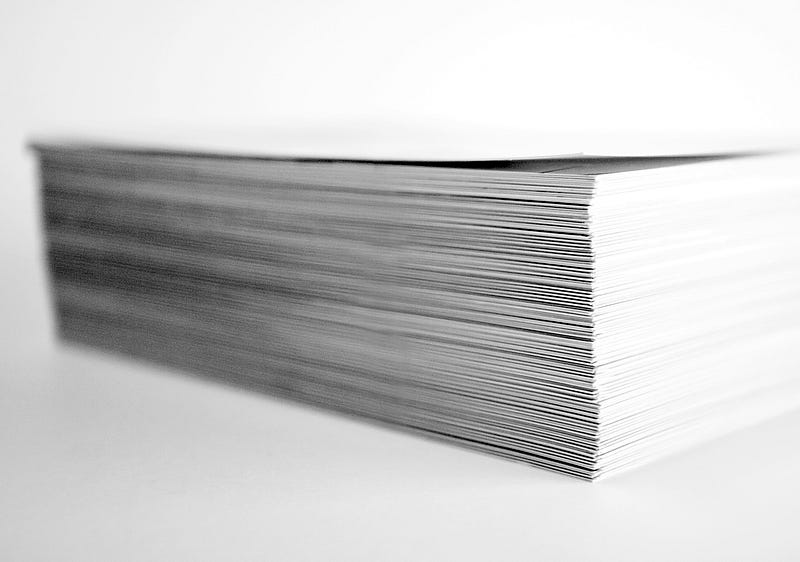
Photo by Ron Dyar on Unsplash

Why Did This Happen?

It’s simple. Your brain did some subtle mental calculations in the background. Once you stopped doing the actual test itself and you started walking, your mind was no longer on the immediate problem. Your brain was focussing on the answer from another angle subconsciously, triggered by the break itself.

By the time, you handed in the test, it was too late.

Just like that test, instead of running to the next opportunity and risking potentially poor decision making, you can instead take a small break beforehand. You could take a brief nap, reread your answers, doodle on the back of the paper, and many more. Your brain will still buffer and silently calculate, and you will eventually land on your solution.

We sometimes need breaks, even when we’re too busy. Ironically, taking breaks make our complex lives easier to manage, even if it's hard to practice.

This author usually writes similar topics across similar articles:

Work Life Balance
Mental Health
Self
Self Care
Psychology
Recommended from ReadMedium