
Gender Impostor
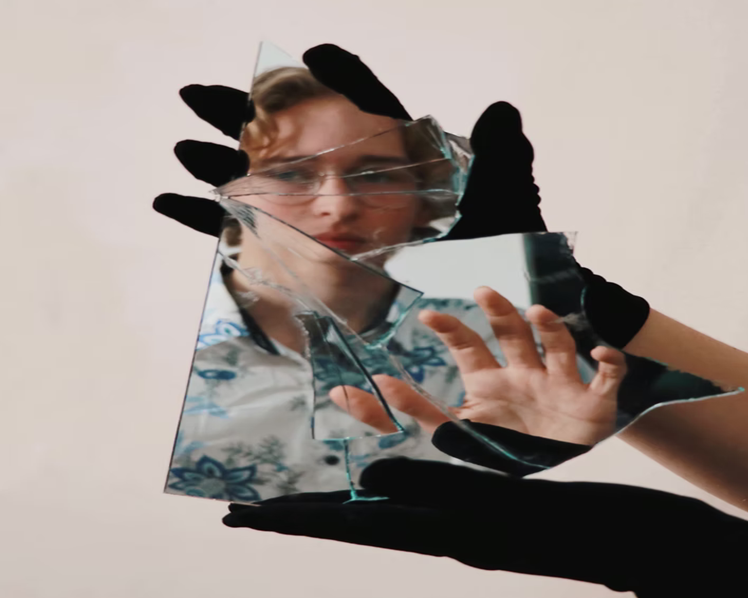
I am over 18 months into hormone therapy (HRT) on the cusp of the most profound decision of my life: Do I physically transition and finally live the rest of my life as a woman I have been denying all my life or live with the extraordinary pain of gender dysphoria every day for the rest of my life being someone else to please the world?
I have desperately battled over this decision for the last three years since gender dysphoria exploded into my life. It accompanied, for the first time of my life, thoughts of suicide. It has been a desperately emotional battle and I have come to understand that gender dysphoria was only an important warning sign of a medical condition that I have spent a lifetime denying, I was transgender.
So my struggle continues.
After years of therapy, deep research and scathing self-analysis, I still find it hard to believe that I am truly am transgender. Yet, irrefutably, I am. I am constantly challenged, emotionally, to simply accept the facts.
I keep asking why I continue to battle my reality. It is crucial that I know the answer because the next, very public step, affects every aspect of my life.
If I physically transition, I must come out publicly.
I found a You Tube presentation the seemed to resonate with me. It discussed something called the Impostor syndrome. It is a psychological pattern in which one doubts the reality of one’s accomplishments or true sense of self and has a persistent internalized fear of being exposed as a “fraud”. It generates feelings of severe inadequacy and self-doubt that can leave people fearing that they will be exposed as a “fraud”.
Impostor syndrome can affect anyone. In fact, it turns out that it is normal and common in society. The only ones that seem to be immune are narcissists and the militantly arrogant.
So my impostor syndrome centers around the internal fear that I am not woman enough or am I really a woman? 64 years of looking in the mirror and seeing a man look back in addition to everyone in my life seeing the same image is a massively difficult sense of reality to over come. It creates huge doubt of who you truly are. It shreds any confidence you have of the true “you” that you know you are.
An internal part of me doesn’t accept that I am really are transgender. I just can’t seem to fully accept it as my fact. I can’t accept that it ok to transition and that it is OK to be who I am.
I feel like an impostor.
Society has set the rules that judge me. I feel like I am trespassing in an area that I shouldn’t be.
Fortunately I have not blazed this path first. I find myself on a path traveled by thousands of transgender individuals before me. Most have described the same alien sensation, the same feeling like being an impostor. Again, fortunately for me, they found that it is merely a very unpleasant growing pain to finally be your true self, sort of like a gender adolescence.
Just what I needed in my 60’s, another round of pubescent insecurities…
Does the impostor syndrome disappear? Sadly no, but that is ok because that just means you are normal and it is not caused by simply being transgender. I like knowing that I have a normal neurosis like everyone else.
It means I am not an impostor after but just another human being trying to get through life.
I like that.
Emma Holiday
Please also read:


