
‘Gather’ Welcomes in the Restorative Revolution
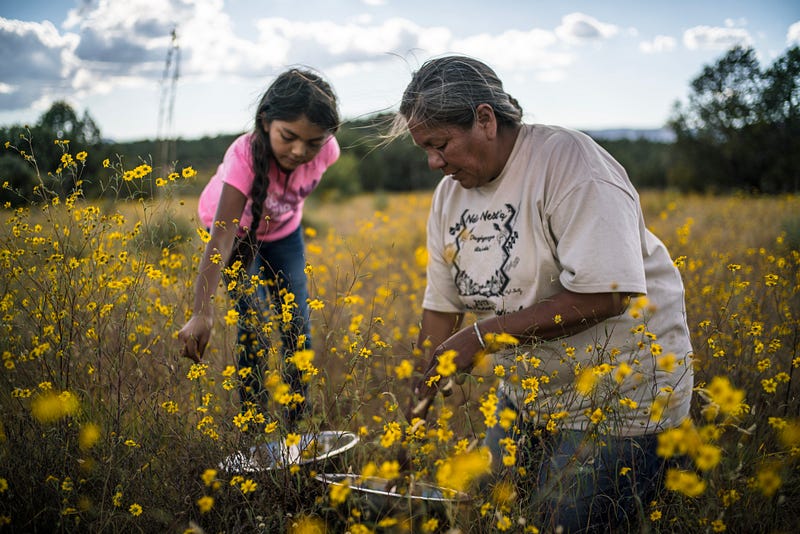
Earlier this week, I had the fortune of stumbling across Gather, a documentary film which follows the personal stories of five Native Americans working to reclaim ancestral foodways. Combining modern storylines and archival footage, Gather offers an intimate portrayal of ongoing efforts to preserve Native food traditions — salmon fishing, buffalo hunting and wild foraging, among others.
It was a timely discovery. Between Native American Heritage Month and Thanksgiving celebrations, we are once again met with an opportunity to confront the false narratives which continue to uphold colonialism in the United States this November.
Many of us know well by now that the true story of Thanksgiving is a far cry from the amicable dinner party scene recounted to us as children. For hundreds of years, mythical portrayals of the holiday have masked a dark truth: the subjugation and decimation of native Wampanoags by European arrivals in present-day Plymouth.
While some losses associated with the colonization that ensued (land and people, for instance) are glaring, others are intangible. Losses to culture — language, art and food traditions among others — are no less devastating to the collective wellbeing and identity of colonized communities.
The intentional eradication of traditional food systems, in particular, has been enormously destructive not only to cultural identity, but to the health of Native people.
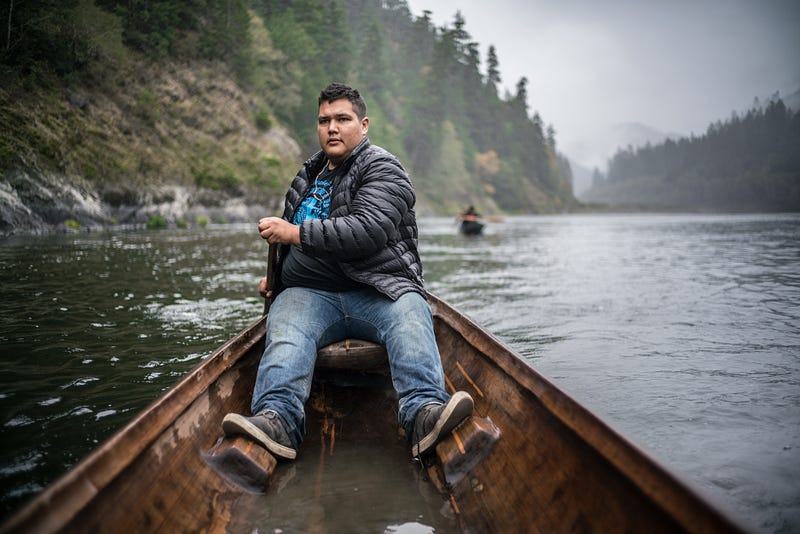
Take salmon fishing, for instance. Salmon have long been the lifeblood of Pacific Northwest tribes, and play an integral part in the religion, culture and physical sustenance of First Nations people who call the region home. They are essential to tribal diets and nutritional health — according to legend, the annual salmon return assures the continuation and renewal of human life.
Yet over the century which followed European colonization, the Indigenous right to fish salmon— once a natural birthright — was actively violated and infringed upon. As white commercial fishing industries grew over the 20th century, Native fishermen were seen as competition and falsely blamed for salmon declines, despite accounting for less than 5% of salmon harvests. In the name of conservation, targeted legislation effectively outlawed Native salmon fishing in the rivers of the Pacific Northwest.
Tensions culminated during the Fish Wars of the 1960s and 70s, when state police and commercial fishermen violently clashed with Indigenous activists. It wasn’t until 1974 that the Supreme Court ruled in favor of Native Northwestern fishing communities, establishing tribespeople as “co-managers” of the salmon fishing industry.
“We’re fishermen,” Samuel Gensaw of the Yurok tribe in Northern California tells the camera. “Once the salmon are gone, it’s the end of the world for us. There’s no going back.” He goes on to describe the correlation between empty-handed fishing seasons and rises in drug abuse and suicides in his surrounding Yurok community.
“You want to attack a people and wipe them out, attack their food,” says Nephi Craig, a chef hailing from Arizona’s White Mountain Apache community.
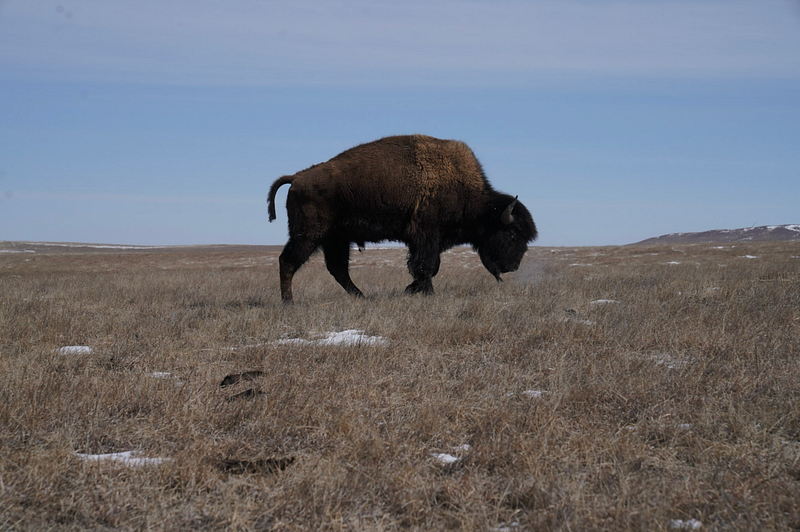
For centuries, that is exactly what colonizers did. Recognizing the symbiotic relationship between Great Plains tribes and wild bison (colloquially called buffalo), U.S. government and military officials relentlessly slaughtered bison populations throughout the 19th century with the goal of forcing resistant natives to their knees.
Without bison, the entire livelihood of Plains people unraveled. Farmed beef and processed meats soon replaced buffalo in the Native American diet, not without health repercussions.
Fred DuBray, another of Gather’s key storytellers and a member of the Cheyenne River Lakota Nation, has dedicated most of his life to restoring bison populations in the Great Plains region, starting with his own South Dakota ranch.
“The buffalo are in the same spot we are,” he explains. “We need to grow back together. We can help each other. That’s the way it’s been, ever since time immemorial.”
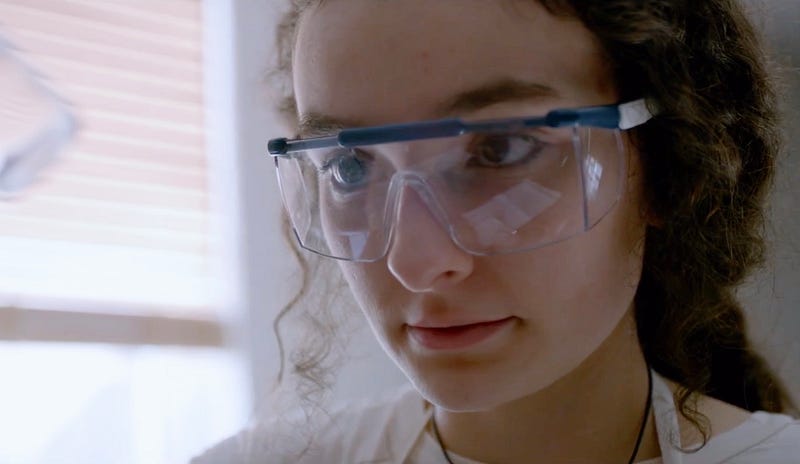
His daughter, Elsie DuBray, is a young scientist studying the nutritional value of bison meat in comparison to beef. Bison, she finds, offers far more nutrients, fewer saturated fats and a higher proportion of healthy fats than its popular counterpart.
The individual stories Gather weaves are representative of a wider, growing movement: the revival of traditional foodways as a means of rekindling indigenous cultural and spiritual identities. The documentary joins ongoing conversations surrounding food sovereignty — a term that has garnered widespread attention in recent years.
“When you have food sovereignty, you’re free to be self-reliant — to grow your own food, to choose the foods you want to eat, to choose the foods you want to put in school systems,” Craig explains.
Gather aired on Netflix in November 2021. One year later, its impact is still rippling.
More than anything, the documentary is a call to action. The topics it covers — food sovereignty, cultural revival and the growing movement towards reclaiming indigenous identity — will only become more relevant as time goes on. In revitalizing ancestral practices, Gather’s central characters (and many others like them) look to the past to shape the future of generations to come.
“The Industrial Revolution is over,” Gensaw announced, addressing a classroom of students at Yale’s School of the Environment in one of the documentary’s final scenes.
“Now, if we want to survive, we need to be a part of the Restorative Revolution.”
To learn more, visit: