avatarTia Merotto

Free AI web copilot to create summaries, insights and extended knowledge, download it at here

1732

Abstract

ocally-grown produce, large companies began to monopolize food production and distribution worldwide. As a result, low-income and marginalized communities across the globe were stripped of access to healthy and culturally-appropriate foodways.</p><figure id="4908"><img src="https://cdn-images-1.readmedium.com/v2/resize:fit:800/1*mjNlFLFm7e6LL-c0lEfuTQ.jpeg"><figcaption>Image by <a href="https://pixabay.com/users/alexborghi-9779797/?utm_source=link-attribution&amp;utm_medium=referral&amp;utm_campaign=image&amp;utm_content=4686257">Alex Borghi</a> from <a href="https://pixabay.com//?utm_source=link-attribution&amp;utm_medium=referral&amp;utm_campaign=image&amp;utm_content=4686257">Pixabay</a></figcaption></figure><p id="2862">Food sovereignty initiatives originated as a means of supporting vulnerable socio-economic groups disproportionately affected by food injustice. The term itself was coined by <a href="https://viacampesina.org/en/">La Via Campesina</a> — a global movement of small-scale farmers, workers and other food producers — in 1996. Today, however, the movement’s ethos is urgently relevant to communities of all backgrounds. It promotes self-sufficiency in the face of increasingly common external factors that threaten our stability — climate change and political unrest, for instance. As proven by the pandemic’s recent disruption of global food supply chains, a community’s ability to provide for itself is especially crucial in times of crisis.</p><p id="d565">Between <a href="https://drive.google.com/file/d/13BNZ2tx-fzAfKxWLBoVy4uk_527nTVxS/view">44% and 57%</a> of all greenhouse gas emissions today are a result of food production and distribution. In rebuilding local food systems and prioritizing

Options

agroecology and sustainable farming practices over industrialized agriculture, food sovereignty aims to shift this outlook, too.</p><p id="091b">Addressing food injustice from the bottom up also enables healthier and more diverse diets for communities by promoting initiatives like farm-to-table and farm-to-school programs. In doing so, it supports local economies, giving small-scale farmers and land stewards the space to thrive.</p><figure id="9515"><img src="https://cdn-images-1.readmedium.com/v2/resize:fit:800/1*v_YWWgIygfs3vqNXkilDoA.jpeg"><figcaption>Image by <a href="https://pixabay.com/users/nguyenkhacqui-2851627/?utm_source=link-attribution&amp;utm_medium=referral&amp;utm_campaign=image&amp;utm_content=1501209">Qui Nguyen Khac</a> from <a href="https://pixabay.com//?utm_source=link-attribution&amp;utm_medium=referral&amp;utm_campaign=image&amp;utm_content=1501209">Pixabay</a></figcaption></figure><p id="8675">Food sovereignty reclaims the power of food. When communities have the freedom to create their own food systems, food has the potential to empower and heal — nutritionally, culturally and environmentally.</p><p id="d1ce"><i>Further resources:</i></p><p id="4848"><i>Food Sovereignty Now: A Guide to Food Sovereignty, </i>La Via Campesina <a href="https://viacampesina.org/en/wp-content/uploads/sites/2/2018/02/Food-Sovereignty-A-guide-Low-Res-Vresion.pdf">https://viacampesina.org/en/wp-content/uploads/sites/2/2018/02/Food-Sovereignty-A-guide-Low-Res-Vresion.pdf</a></p><p id="00be"><i>Food Sovereignty</i>, U.S. Food Sovereignty Alliance <a href="https://usfoodsovereigntyalliance.org/what-is-food-sovereignty/">https://usfoodsovereigntyalliance.org/what-is-food-sovereignty/</a></p></article></body>

Food Sovereignty, Now and Tomorrow

Food is essence. Access to food — real food — is both a fundamental need and a basic human right.

Yet in today’s overdeveloped world, access to food is also political.

Food security denotes power. For years, political forces have exercised control at every level of food production, centralizing and privatizing the right to the land and its resources.
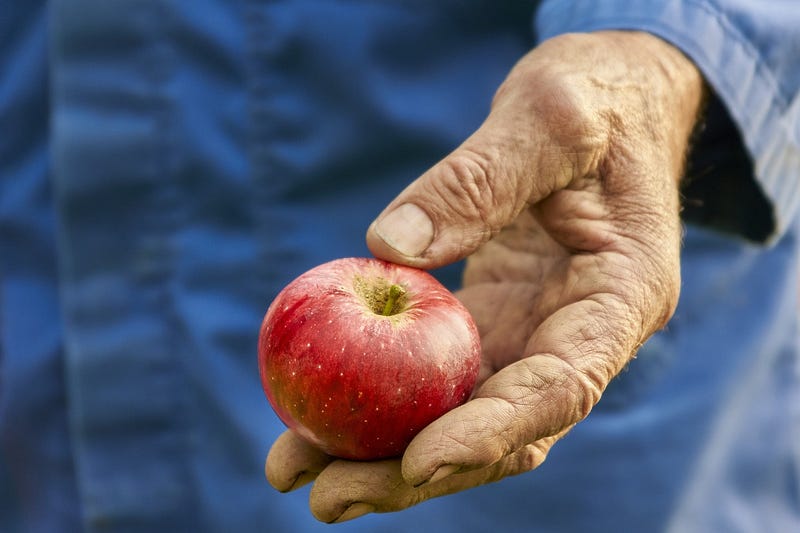
Image by Ingo Jakubke from Pixabay

The food sovereignty movement is defined by the belief that people can — and must — reclaim power in food systems by restoring their relationship to the land and closing the the gap between food providers and consumers.

The key lies in restoring autonomy. For many thousands of years, humans in every corner of the world have managed and nurtured the land around them, developing resilient and sustainable food and water systems. These systems have been the lifeblood of humanity since time immemorial.

In the 20th century, however, dramatic increases in industrialization introduced artificial and chemical inputs to farming and food processing. Instead of locally-grown produce, large companies began to monopolize food production and distribution worldwide. As a result, low-income and marginalized communities across the globe were stripped of access to healthy and culturally-appropriate foodways.
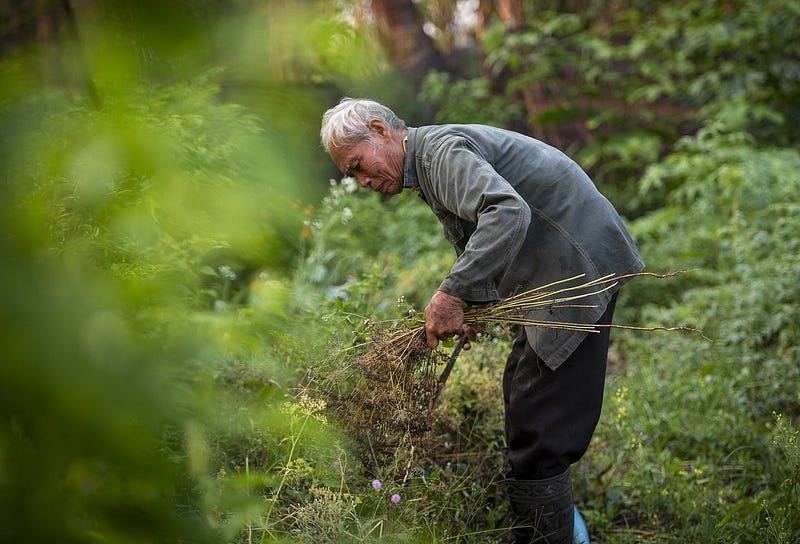
Image by Alex Borghi from Pixabay

Food sovereignty initiatives originated as a means of supporting vulnerable socio-economic groups disproportionately affected by food injustice. The term itself was coined by La Via Campesina — a global movement of small-scale farmers, workers and other food producers — in 1996. Today, however, the movement’s ethos is urgently relevant to communities of all backgrounds. It promotes self-sufficiency in the face of increasingly common external factors that threaten our stability — climate change and political unrest, for instance. As proven by the pandemic’s recent disruption of global food supply chains, a community’s ability to provide for itself is especially crucial in times of crisis.

Between 44% and 57% of all greenhouse gas emissions today are a result of food production and distribution. In rebuilding local food systems and prioritizing agroecology and sustainable farming practices over industrialized agriculture, food sovereignty aims to shift this outlook, too.

Addressing food injustice from the bottom up also enables healthier and more diverse diets for communities by promoting initiatives like farm-to-table and farm-to-school programs. In doing so, it supports local economies, giving small-scale farmers and land stewards the space to thrive.
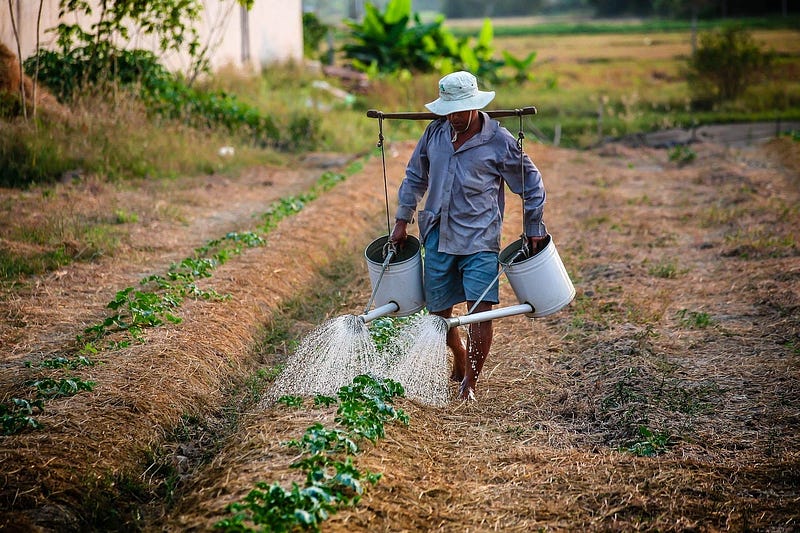
Image by Qui Nguyen Khac from Pixabay

Food sovereignty reclaims the power of food. When communities have the freedom to create their own food systems, food has the potential to empower and heal — nutritionally, culturally and environmentally.

Further resources:

Food Sovereignty Now: A Guide to Food Sovereignty, La Via Campesina https://viacampesina.org/en/wp-content/uploads/sites/2/2018/02/Food-Sovereignty-A-guide-Low-Res-Vresion.pdf

Food Sovereignty, U.S. Food Sovereignty Alliance https://usfoodsovereigntyalliance.org/what-is-food-sovereignty/

Food
Food Sovereignty
Tradition
Climate Change
Sustainability
Recommended from ReadMedium