avatarGauri Sirur

Free AI web copilot to create summaries, insights and extended knowledge, download it at here

1125

Abstract

s receive nutrients such as phosphorous and nitrogen that the fungi synthesize from the soil.</p><p id="261f">Through the network, trees share food — carbon-rich sugars, nitrogen, and phosphorous — with other trees.</p><p id="19aa">They also send out warning messages about predators such as aphids and caterpillars. Or about pathogen attacks. This buys their neighbors time to activate their defenses.</p><p id="e39e">All is not sugar and spice, however. Both trees and fungi try to extract the maximum amount of nutrition from the other while giving the minimum in return.</p><p id="33cb">Trees are more likely to help their kin than an unrelated tree. Or to release toxic substances to harm an unwanted neighbor.</p><p id="268c">Dr. Suzanne Simard, a scientist at the University of British Columbia, discovered the fungal network in 1997. She dubbed it the “Wood Wide Web.”</p><p id="bd76"><b><i>Thanks for reading. And Thanks to <a href="">Dennett </a>and <a href="">Tracy Aston </a>for Publishing my poem.</i></b></p><p id="d54b">If you liked this Sciku (Science-based haiku), you may also like a food haiku. And a rainb

Options

ow of a poem.</p><div id="9bf0" class="link-block"> <a href="https://readmedium.com/pavlova-875cc0421544"> <div> <div> <h2>Pavlova — Food haiku</h2> <div><h3>An Aussie and NZ meringue</h3></div> <div><p>medium.com</p></div> </div> <div> <div style="background-image: url(https://miro.readmedium.com/v2/resize:fit:320/0*FDqoU9cFIfmChyes)"></div> </div> </div> </a> </div><div id="2715" class="link-block"> <a href="https://readmedium.com/the-keys-in-kolor-33aea00e0e77"> <div> <div> <h2>The Keys in Kolor</h2> <div><h3>When a rainbow bloomed along a road trip to the Florida Keys</h3></div> <div><p>medium.com</p></div> </div> <div> <div style="background-image: url(https://miro.readmedium.com/v2/resize:fit:320/0*VrO7B4alpuxLknvA)"></div> </div> </div> </a> </div></article></body>

Wood Wide Web — The Internet of Trees

The Internet of trees
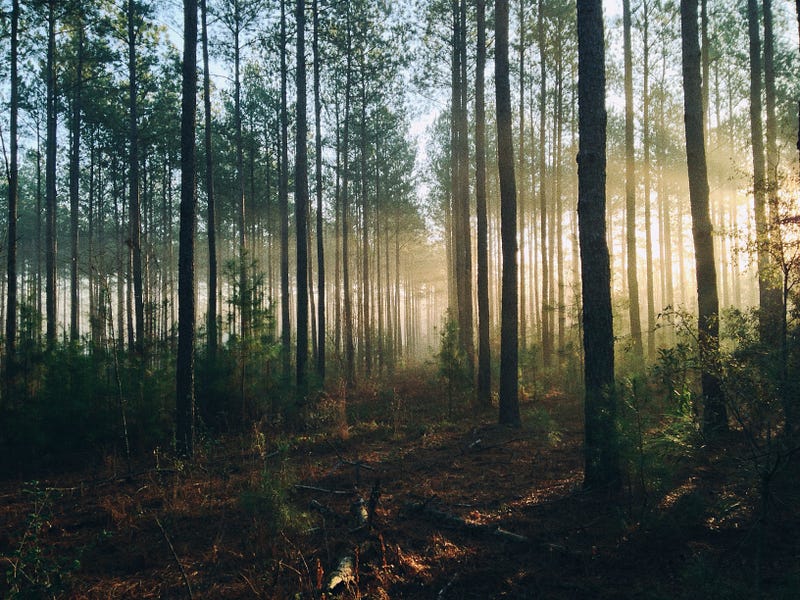
Photo by Steven Kamenar on Unsplash

Fungal filaments

Humming under forest floor

Trees communicate.

Trees communicate with each other through an underground network of mycorrhizal fungi. The fungal strands colonize the tree roots, and form a web connecting the roots to each other.

The relationship between the fungi and trees is usually symbiotic. The fungi take a share of the sugars that the trees produce during photosynthesis.

In return, the trees receive nutrients such as phosphorous and nitrogen that the fungi synthesize from the soil.

Through the network, trees share food — carbon-rich sugars, nitrogen, and phosphorous — with other trees.

They also send out warning messages about predators such as aphids and caterpillars. Or about pathogen attacks. This buys their neighbors time to activate their defenses.

All is not sugar and spice, however. Both trees and fungi try to extract the maximum amount of nutrition from the other while giving the minimum in return.

Trees are more likely to help their kin than an unrelated tree. Or to release toxic substances to harm an unwanted neighbor.

Dr. Suzanne Simard, a scientist at the University of British Columbia, discovered the fungal network in 1997. She dubbed it the “Wood Wide Web.”

Thanks for reading. And Thanks to Dennett and Tracy Aston for Publishing my poem.

If you liked this Sciku (Science-based haiku), you may also like a food haiku. And a rainbow of a poem.

Haiku
Trees
Fungi
Poem
Web
Recommended from ReadMedium