
From Screens to Quarantines: The Growing Challenge of Childhood Depression in a Changing World
Promise me you’ll always remember: you’re braver than you believe, and stronger than you seem, and smarter than you think. — Christopher Robin
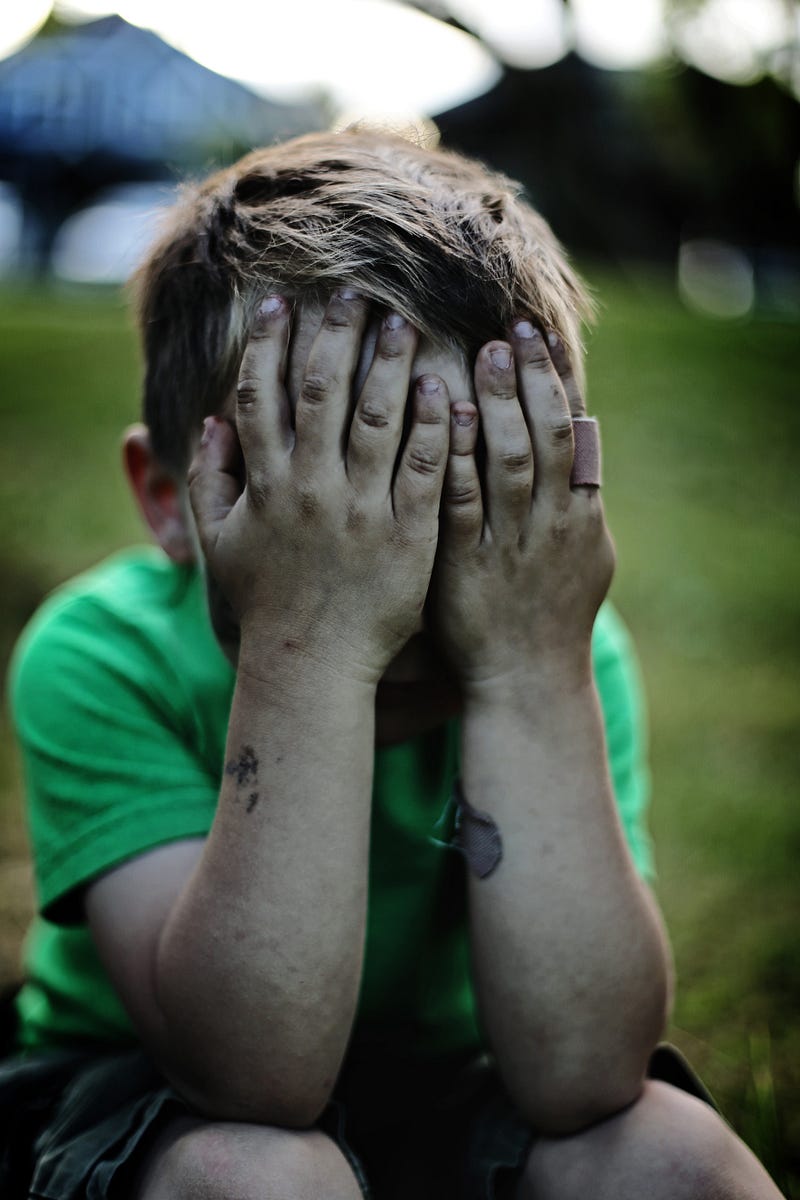
Childhood and adolescence represent periods of immense growth, exploration, and development. Yet, these formative years are not without their challenges. In recent decades, one concern that has come to the forefront of pediatric mental health is the apparent rise in cases of childhood depression. The rise in diagnosed cases raises important questions about our understanding of the disorder, the cultural and environmental factors influencing it, and the methods we use to identify and treat it.
The Numbers Behind Childhood Depression
A significant body of research suggests that depression in children and adolescents is indeed on the rise. A study published in the Journal of Abnormal Psychology (Twenge & Campbell, 2018) examined the data of over 200,000 adolescents between the ages of 12 and 17 and found a 52% increase in symptoms consistent with major depression from 2005–2017. Similarly, a study in Pediatrics highlighted that the rate of children and teens hospitalized for suicidal thoughts or actions had almost doubled from 2008 to 2015 (Plemmons et al., 2018). In 2020, 12% of U.S. children ages 3 to 17 were reported as having ever experienced anxiety or depression, up from 9% in 2016 (The Annie E. Casey Foundation, 2023).
Factors Contributing to the Rise
Several factors might be contributing to this rise:
- Technological and Social Media Influence: The current generation of children and adolescents has grown up in a digital age. Many have raised concerns that increased screen time and exposure to social media might be playing a role in the rise of depression. A link has been proposed between heavy social media use and decreased well-being in young people, where comparison, cyberbullying, and decreased face-to-face social interaction might contribute to feelings of isolation and low self-esteem (Primack, Shensa, Sidani, Whaite, Lin, Rosen, Colditz, Radovic, & Miller, 2017).
- Societal Pressures and Changing Family Dynamics: Modern life has brought about unique challenges. There are heightened academic and extracurricular pressures, alongside changing family dynamics due to increased rates of divorce and dual-income households. These factors might play a role in reducing the amount of quality time parents spend with children, leading to feelings of neglect or isolation (McMunn, Martin, Kelly, & Sacker, 2017; The Annie E. Casey Foundation, 2023).
- Better Diagnosis and Awareness: It’s also crucial to consider that increased numbers might not solely reflect a genuine rise in childhood depression but might also be a result of better diagnostic criteria and reduced stigma. Parents and educators might be more aware of depression symptoms and thus more likely to seek professional help than in previous decades (Jane Costello, Erkanli, & Angold, 2006).
Effects of COVID-19 on Childhood Depression
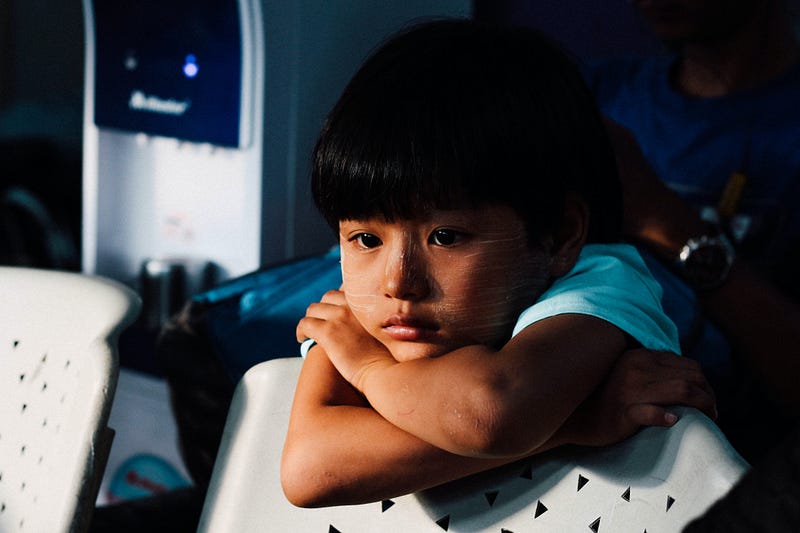
The onset of the COVID-19 pandemic has been a global health catastrophe with multifaceted consequences. Its repercussions on the mental health of children and adolescents are particularly noteworthy. The enforced isolation due to lockdowns, the disruption of regular schooling, and the general anxiety surrounding the disease itself have created a breeding ground for potential psychological disturbances.
- Disruption of Routine: Regular routines provide children and adolescents with a sense of security and predictability. The abrupt closure of schools and extracurricular activities led to a loss of daily structure. This shift not only affected their educational progress but also stripped them of the social interactions that are integral to their emotional well-being (Loades et al., 2020).
- Isolation and Loneliness: Prolonged periods of lockdown and social distancing measures meant that children were cut off from their peers. Adolescents, who typically rely on peer interactions for social development and identity formation, found this especially challenging. This isolation contributed significantly to feelings of loneliness, which is a recognized precursor to depressive symptoms (Balki et al., 2022; Groarke et al., 2020).
- Exposure to Parental Stress: Economic downturns, job losses, and the general uncertainty of the pandemic meant that many parents were under increased stress. Children, particularly younger ones, are incredibly sensitive to their caregivers’ emotional states. As such, many children may have internalized this stress, leading to anxiety and depressive symptoms (Prime, Wade, & Browne, 2020).
- Fear and Anxiety: Constant news about the pandemic, coupled with the fear of loved ones falling ill, created an atmosphere of anxiety. Children, with their limited capacity to fully understand or process such global events, were especially vulnerable to feelings of fear, leading to sleep disturbances, nightmares, and generalized anxiety (Jiao et al., 2020).
- Grief and Loss: Sadly, many children lost loved ones to the virus. The grief, combined with the inability to participate in regular mourning rituals due to social distancing measures, compounded feelings of sadness and loss (Wallace et al., 2020).
Given these factors, it is essential to recognize that while the physical health implications of COVID-19 are dire, the mental health aftermath, especially in our younger population, may have lasting implications that require concerted efforts from mental health professionals, educators, and caregivers alike.
The Way Forward
Despite the concerning numbers, the rise in awareness and understanding of childhood depression provides hope. Schools are introducing mental health curricula, and there’s a greater push towards integrating mental health care into primary care settings. The challenge lies in ensuring timely access to care and providing evidence-based treatments tailored for children and adolescents. Furthermore, understanding the complex interplay of factors contributing to depression will be essential for developing prevention strategies.
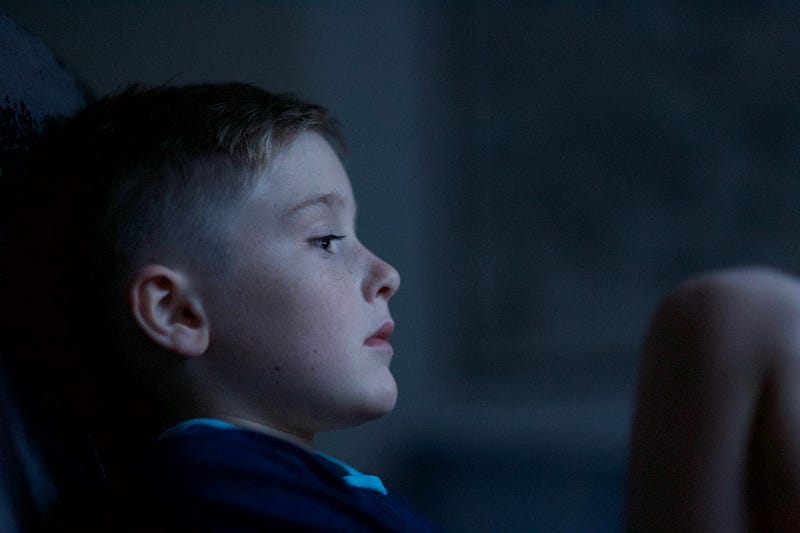
While there is evidence to suggest a rise in childhood depression, it’s crucial to approach the topic with a nuanced understanding, considering the myriad of factors at play. Whether it’s societal changes, technological influences, or simply better detection, one thing remains clear: addressing childhood depression is more critical than ever.
References:
Balki, E., Hayes, N., & Holland, C. (2022). The Impact of Social Isolation, Loneliness, and Technology Use During the COVID-19 Pandemic on Health-Related Quality of Life: Observational Cross-sectional Study. Journal of Medical Internet Research, 24(10).
Costello, E. J., Erkanli, A., & Angold, A. (2006). Is there an epidemic of child or adolescent depression? Journal of Child Psychology and Psychiatry, 47(12), 1263–1271.
Groarke, J. M., Berry, E., Graham-Wisener, L., McKenna-Plumley, P. E., McGlinchey, E., & Armour, C. (2020). Loneliness in the UK during the COVID-19 pandemic: Cross-sectional results from the COVID-19 Psychological Wellbeing Study. PloS one, 15(9), e0239698.
Jiao, W. Y., Wang, L. N., Liu, J., Fang, S. F., Jiao, F. Y., Pettoello-Mantovani, M., & Somekh, E. (2020). Behavioral and emotional disorders in children during the COVID-19 epidemic. The Journal of Pediatrics, 221, 264–266.
Loades, M. E., Chatburn, E., Higson-Sweeney, N., Reynolds, S., Shafran, R., Brigden, A., Linney, C., McManus, M. N., Borwick C., & Crawley, E. (2020). Rapid systematic review: the impact of social isolation and loneliness on the mental health of children and adolescents in the context of COVID-19. Journal of the American Academy of Child & Adolescent Psychiatry, 59(11), 1218–1239.e3.
McMunn, A., Martin, P., Kelly, Y., & Sacker, A. (2017). Fathers’ involvement: Correlates and consequences for child socioemotional behavior in the United Kingdom. Journal of Family Issues, 38(8), 1109–1131..
Plemmons, G., Hall, M., Doupnik, S., Gay, J., Brown, C., Browning, W., Casey, R., Freundlich, K., Johnson, D. P., Lind, C., Rehm, K., Thomas, S., & Williams, D. (2018). Hospitalization for suicide ideation or attempt: 2008–2015. Pediatrics, 141(6).
Primack, B. A., Shensa, A., Sidani, J. E., Whaite, E. O., Lin, L. Y., Rosen, D., Colditz, J. B., Radovic, A., & Miller, E. (2017). Social media use and perceived social isolation among young adults in the US. American Journal of Preventive Medicine, 53(1), 1–8.
Prime, H., Wade, M., & Browne, D. T. (2020). Risk and resilience in family well-being during the COVID-19 pandemic. American Psychologist, 75(5), 631.
The Annie E. Casey Foundation. (2023). 2023 KIDS COUNT data book: 2023 state trends in child well-being. https://assets.aecf.org/m/resourcedoc/aecf-2023kidscountdatabook-2023.pdf
Twenge, J. M., & Campbell, W. K. (2018). Associations between screen time and lower psychological well-being among children and adolescents: Evidence from a population-based study. Preventive Medicine Reports, 12, 271–283.
Wallace, C. L., Wladkowski, S. P., Gibson, A., & White, P. (2020). Grief during the COVID-19 pandemic: Considerations for palliative care providers. Journal of Pain and Symptom Management, 60(1), e70-e76.