
From Ashes to Glory-Fire Brings Renewal and Hope Amid Destruction
Nature prompt: Fourth week of February
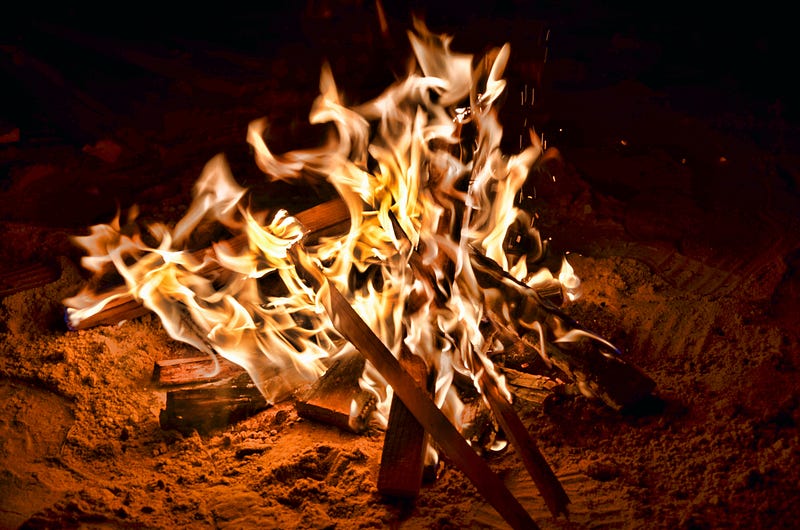
What comes to your mind when you hear the word ‘ Fire’?
Your thoughts are likely related to elements of fire itself, and you could think of flames, heat, and light.
It could also depend and vary based on your individual experiences and context. If you have experienced a traumatic fire-related event like a house or forest fire, you will think of destruction and danger.
When I read about the nature prompt, ‘Fire’ from Sahil Patel,my first thought was ‘Holika Dahan’.
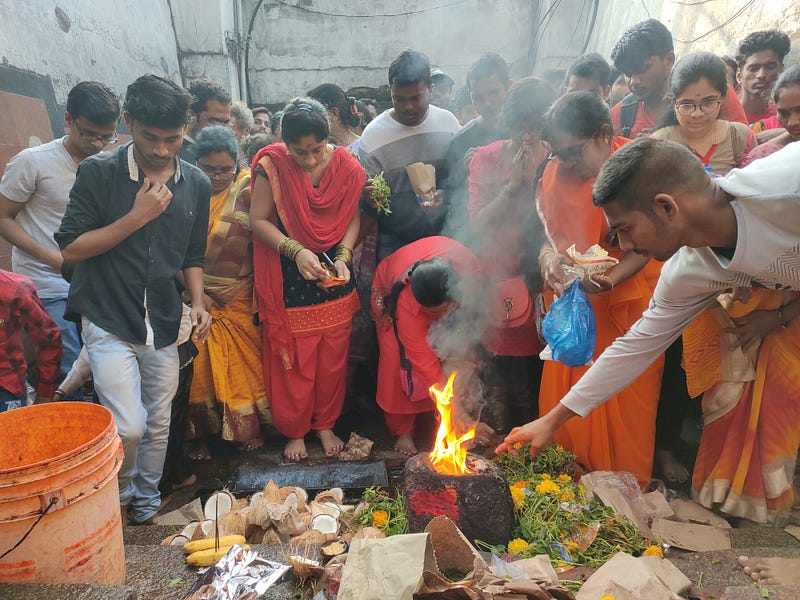
Holi, also known as the festival of colours, is a Hindu festival celebrated in India, typically in March.
The tradition of Holi involves lighting a bonfire the night before the main festival day. The bonfire is known as ‘ Holika Dahan’, symbolizing the victory of good over evil.
Now you would be curious to know why it symbolizes the victory of good over evil, isn’t it?
The story goes like this:
As per legends, a demon God, Hiranyakashyap, attempted to kill his son Prahlada on this day. The son was a strong follower of Lord Vishnu, and his father greatly resented this.
So to stop the son from worshipping Lord Vishnu, he tried to kill him by making him sit on a burning pyre with his aunt Holika. Aunt Holika had a boon which prevented her from being harmed.
Prahlada chanted Lord Vishnu’s name, and he was saved, but Holika died in the fire.
The lighting of the bonfire is to celebrate the triumph of Prahlada’s faith in God. People on this day circle the bonfire five times and pray for their wellness and health.
For me, the word Fire is strongly associated with the festive atmosphere now that the festival of colours is in the first week of March.

The heat of destruction
While fire can illuminate and give warmth, it can also cause pain and death.
Some forest fires can be natural and important part of the ecological balance. In fact, there are certain trees, like the lodgepole pine that rely on fire to release their seeds and regenerate their population.
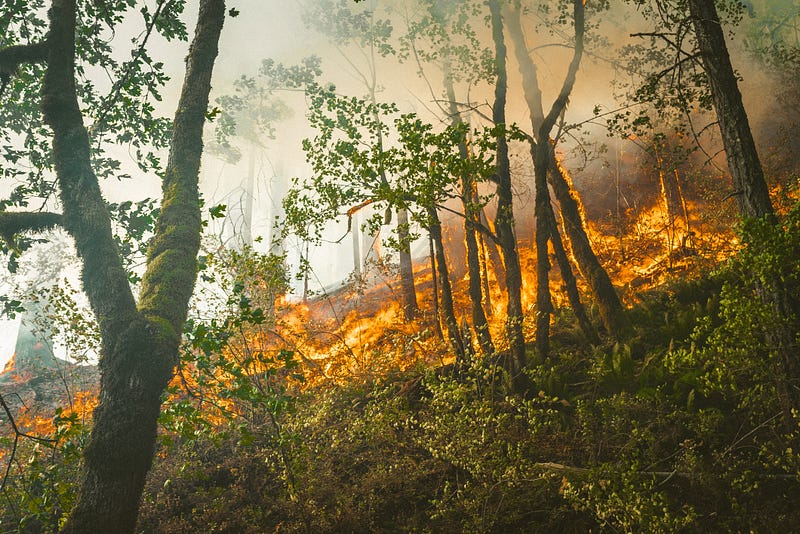
But forest fires caused by human activity and climate change cause widespread damage to humans and property and disrupt the ecological balance.
As mentioned by Pope Francis, “Forests are not only the lungs of the earth but also a heart, soul and a memory of the world. Deforestation is leading to a global ecological disaster. Fires caused by human activity only aggravate the situation.” — Pope Francis.
Wrap up: Lessons from the flames.
Fire teaches us many important lessons about life and the natural world.
Some key takeaways:
- Fire teaches us the value of transformation. Fire can transform matter from one state to another, as we can change our lives and experiences through personal growth and learning.
- The role of fire in our lives compels us to appreciate the complexities and contradictions of this elemental force and the world around us.
- Mother nature has shown us snippets of her strength through the bushfires in Australia and California and the deadly Covid virus. So the most important lesson is to respect the ground we walk on!
Thankyou Sahil Patel for the great nature prompt, “Contradictory Fire”
Other articles, I would recommend reading,
Mia Verita article Life on fire,
Joyce Nielsen’s article on changing seasons,


