Climate Can Cause the Seasons to Change for Better or Worse
Nature prompt “changing seasons” for 3rd week of February:
I have learned to appreciate and embrace the rhythms and seasonal changes in nature. Change is a constant entity. Nothing remains the same on this earth. The seasons are not what I remember from childhood anymore. We must learn to adapt to this new normal. Change forces us to be resilient.
Generations before us have had to confront seasonal changes to survive. We can learn from their example. Complaining about the weather solves nothing. Last week’s prompt about rivers taught us to go with the flow.
I need change in my life. External variations exhilarate me. They stimulate my imagination and are a source of wonder. If everything stays the same, we tend to become complacent.
Beauty is the only thing that time cannot harm. Philosophies fall away like sand, creeds follow one another, but what is beautiful is a joy for all seasons, a possession for all eternity. — Oscar Wilde
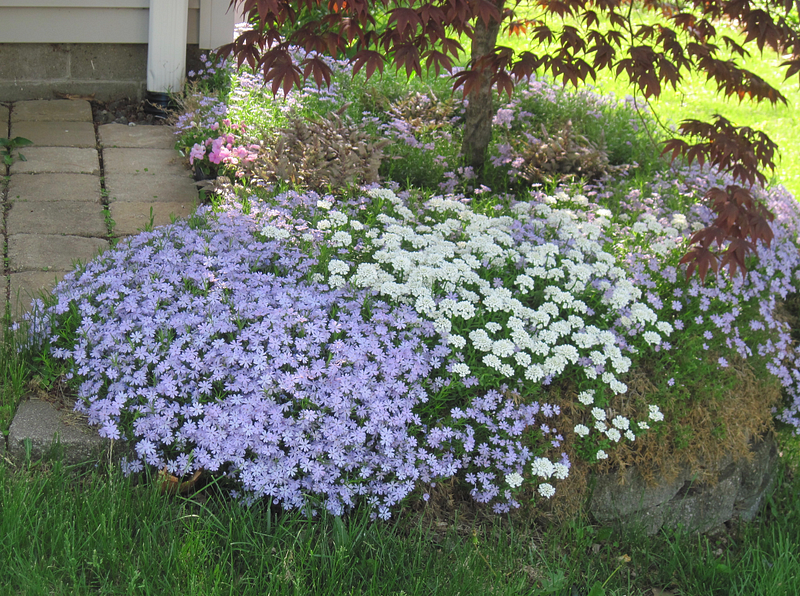
Spring is one of my favorite seasons.
The days start to get warmer. My perennials are ablaze with glorious color. The yard comes alive. Plants that appeared dormant birth new green leaves. Our maple trees burst forth with new foliage providing welcome shade.
Seasonal birds invade my feeders en masse. I rejoice to see brighter, more colorful feathers. They enrich my property with their joyful songs. Mr. wren is busy building nests for his mate. Hummingbirds hover at my windows saying, “We’ve arrived. Where are our feeders?”
I plant vegetable seeds in flats and place them under grow lights. When the first shoots push through the medium, I get excited. Those babies will grow food for my enjoyment this summer.
Our family starts to add lighter foods of fruits and veggies to our diet.
My body responds with more energy coursing through my veins. With the renewal of life comes a feeling of hope for a better year. There’s an exuberance to tackle household projects. Plans are made for exciting trips and adventures. We take walks to natural forests. Wildflowers carpet the earth and promote happiness.
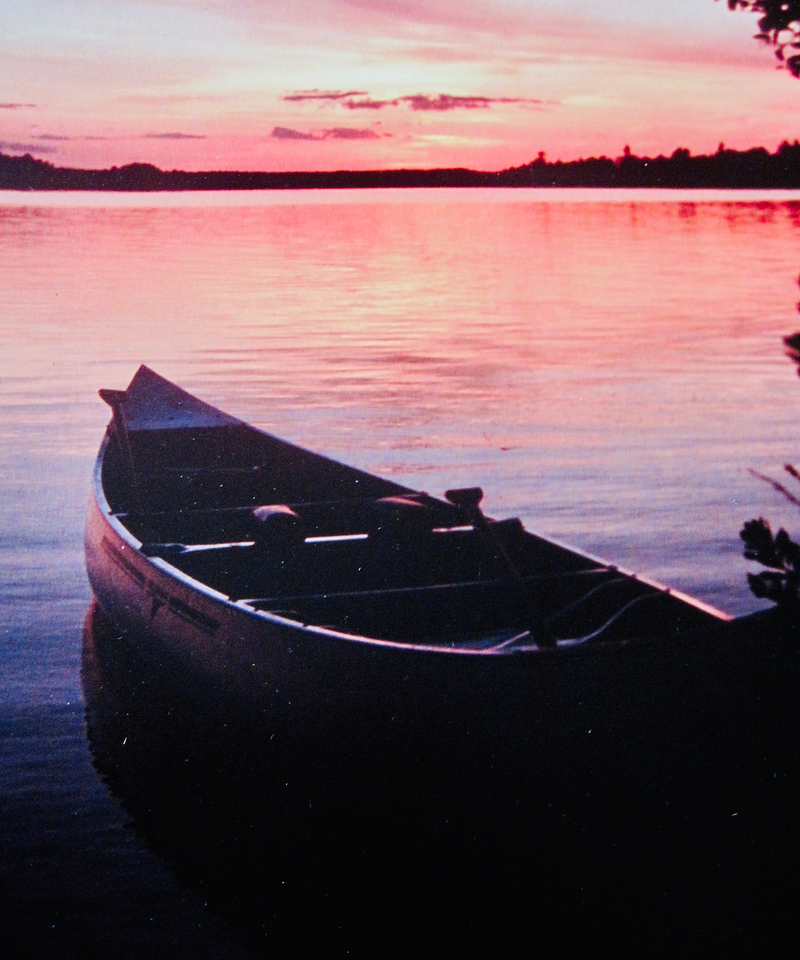
Summer brings memories of living at the lake.
When my children were young, we would travel to Snowbank Lake, Minnesota. We had a log cabin nestled in the woods, hidden from boaters. A huge boulder defined its location. We guided our motorboat onto a pebbly shore and disembarked there. A dock wasn’t an option. We wanted to keep the property natural with little human disturbance.
My children developed wilderness skills and learned to be expert canoeists. We ate fresh fish and wild blueberries. There was no TV or phone. A map of the Boundary Waters decorated the kitchen cabinet. We chose a new water route to explore every week. A propane tank supplied our energy for appliances and lights. A pump drew lake water up to a 150 gallon tank. The water flowed down to the cabin by gravity.
After they became adults raising their own families, we booked vacation homes near National Parks and areas of historical interest. Some place that was halfway between Oregon and Iowa. Then we had adventures with the grandchildren. The cabin was sold.
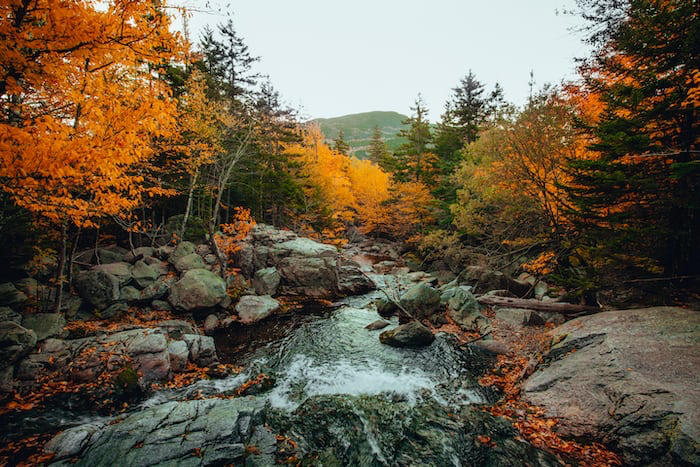
Autumn is a time for enjoying my harvest and the colorful trees
After a busy summer of nurturing vegetable plants and flowers, it’s time to scale down. The weather starts to get a chill in the air. We have more family events; barbecues, birthdays, bonfires, and grandchildren’s sporting activities. We pick apples in orchards. Pumpkins and a wide variety of squash appear in stores. Outdoor Markets are busy.
We drive to areas that promise beautiful fall colors. State Fairs draw huge crowds. Outdoor music events abound. Families look forward to Halloween and Thanksgiving. Celebration and warm feelings float in the air. Gardens slow their growth. And the fall of leaves indicates an imminent change of season. Even the geese fly in V-formation overhead. Bald eagles settle in trees by lock and dam 14. The fish are prolific there.
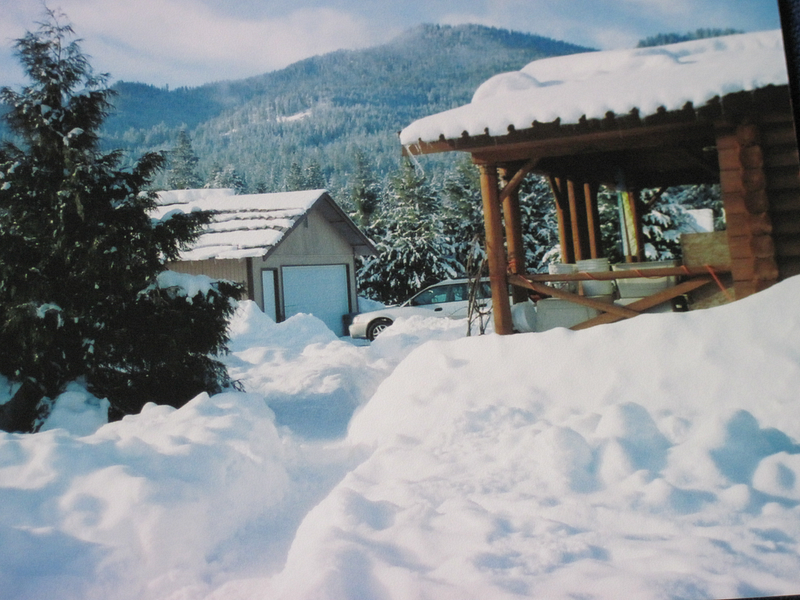
Winter was my second favorite season
With the changing climate my childhood memories of winter are a thing of the past.
SNOW used to mean there were more opportunities for play:
- Ice skating on a frozen lake,
- Skiing down thrilling hills or on groomed cross country tracks,
- Sledding on toboggans or inner tubes
- Snowball fights and creating snow sculptures
- Building snowmen
- Sitting in front of warm fireplaces
- Sipping cups of hot chocolate
- Decorating for Christmas and fir tree and cinnamon spice smells
This is the season I miss the most. If it does snow, it doesn’t last long. Instead we endure freezing temperatures that discourage outside activity. Storms bypass the area I live in. It either falls north or south of Davenport, Iowa on the Mississippi River. I look at my nordic skis and snowshoes with longing.
It is a fact that people live longer in a colder environment and it also kills germs. What do warmer winters mean for our future?
“The biggest lesson the seasons can teach us is the nature of impermanence, that things are constantly changing,” says Buttimer.
What causes the seasons?
The amount of light the Earth receives from the Sun determines the seasons. The Earth’s tilt on its axis governs this, not the distance from the Sun. Different parts of Earth receive direct rays on its yearly movement around the Sun. Summer occurs in the Northern Hemisphere when the North Pole tilts toward it. When the South Pole tilts, winter occurs in the Northern Hemisphere.
Many people choose where to live based on the climate. Seasonal changes allow for different types of work, food, recreation and celebrations. It can be a helpful or destructive force on people or property.
Serotonin levels increase during hours of greater sunlight. That’s why many feel happier in summer months than in the winter. This explains the reason for sadness and depression during periods of less daylight.
This article is written in response to the prompt “changing seasons” suggested by Reciprocal Editor Sahil Patel.
Please read these posts by other Medium writers that I list below.
GnanVi_Speaks writes about the lessons nature teaches us, even during hard times.
William J Spirdione’s sonnet is about an unseasonable day in February. He reminds us that the climate is changing yet humans don’t seem to care.


