avatarDark Energy Articles

Free AI web copilot to create summaries, insights and extended knowledge, download it at here

2551

Abstract

, and certainly in South America. It is located in the Atlantic Ocean, 1140 kilometers off the coast of Brazil.</p><p id="f4f9">Every year, thousands of green turtles come to the island to lay their eggs. The nesting turtles are watched over by Brazilian Navy soldiers — the only people permanently on the island.</p><p id="2659"><b>The discovery of rocks made of plastic waste on Trindade has caused fear for turtles and local ecosystems.</b> So-called plastic rocks have been found all along the beach. They are formed after plastic trash dumped on the shore decomposes and mixes with the island’s volcanic rocks. The plastic waste on the beach comes mainly from fishing nets.</p><p id="3a8c">This is further confirmation of how widespread plastic waste pollution of the Earth has become, and the resulting human impact on Earth’s geological cycles.</p> <figure id="5423"> <div> <div> <img class="ratio" src="http://placehold.it/16x9"> <iframe class="" src="https://cdn.embedly.com/widgets/media.html?type=text%2Fhtml&amp;key=a19fcc184b9711e1b4764040d3dc5c07&amp;schema=twitter&amp;url=https%3A//twitter.com/physorg_com/status/1638102060611649536%3Fs%3D20&amp;image=https%3A//i.embed.ly/1/image%3Furl%3Dhttps%253A%252F%252Fabs.twimg.com%252Ferrors%252Flogo46x38.png%26key%3Da19fcc184b9711e1b4764040d3dc5c07" allowfullscreen="" frameborder="0" height="281" width="500"> </div> </div> </figure></iframe></div></div></figure><h1 id="5b4a">Plastic rocks in the world</h1><p id="c42e">In 2019, geologist Fernanda Avelar Santos discovered rocks made of plastic while studying geological hazards such as landslides and erosion on an island. Upon examination, the team of scientists concluded that it was a new type of geological formation, incorporating traditional rock formation processes and materials with plastic waste.</p><blockquote id="41a6"><p>“It was all the more frightening to find something like this on one of the most ecologically important beaches,” recalled the scientist quoted by Science Alert.</p></blockquote><blockquote id="93ae"><p>“Marine pollution is provoking a change in the concept of rock and sedimentary formations. […] Human interference is now so ubiquitous that one has to question what is truly natural,” adds the research team she leads.</p></blockquote> <figure id="70f9"> <div> <div> <img class="ratio" src="http://placehold.it/16x9"> <iframe class="" s

Options

rc="https://cdn.embedly.com/widgets/media.html?type=text%2Fhtml&amp;key=a19fcc184b9711e1b4764040d3dc5c07&amp;schema=twitter&amp;url=https%3A//twitter.com/Reuters/status/1636067633891090435%3Fs%3D20&amp;image=https%3A//i.embed.ly/1/image%3Furl%3Dhttps%253A%252F%252Fabs.twimg.com%252Ferrors%252Flogo46x38.png%26key%3Da19fcc184b9711e1b4764040d3dc5c07" allowfullscreen="" frameborder="0" height="281" width="500"> </div> </div> </figure></iframe></div></div></figure><h1 id="aae8">This is how man is changing natural landscapes</h1><p id="74f8">Unfortunately, plastic rocks are not an anomaly in just one place in the world. Similar formations were already found in 2014 in Hawaii. Another category is so-called pyroplastics, which are formed from burned plastic waste. They were first recognized in 2019 on the Cornish coast in the UK.</p><p id="9874">Another well-known example of human interference with natural processes is the so-called glass beach in California. Although it is often said to be a “miracle of nature,” the history of this place is simply unpleasant. Some people take colorful “pebbles” home from there, which is forbidden.</p><p id="fd2a"><b>The best way to combat plastic is to avoid it.</b> More and more bars and restaurants are giving up plastic straws. Also, stores are replacing environmentally harmful disposable nets with biodegradable counterparts. However, getting rid of plastic completely is already rather impossible.</p><div id="29ad" class="link-block"> <a href="https://readmedium.com/the-hanging-gardens-of-semiramis-one-of-the-seven-wonders-of-the-ancient-world-that-still-hides-c2aba0351f4"> <div> <div> <h2>The Hanging Gardens of Semiramis — one of the seven wonders of the ancient world that still hides…</h2> <div><h3>The Hanging Gardens of Semiramis were built during the reign of Nebuchadnezzar II and were a gift to his wife. Although…</h3></div> <div><p>medium.com</p></div> </div> <div> <div style="background-image: url(https://miro.readmedium.com/v2/resize:fit:320/1*wJtkip_zACAlY1VQXY18XA.png)"></div> </div> </div> </a> </div><p id="b575"><b>Cool that you made it to the end of this article. I will be very pleased if you appreciate the effort of creating it and leave some claps here, or maybe even start following me. It would be nice if you also left a tip! Thank you!</b></p></article></body>

“Frightening” discovery on an isolated island. Researchers found plastic rocks

Will plastic rocks appear on beaches more and more often? This is already another example of how people are destroying the environment.
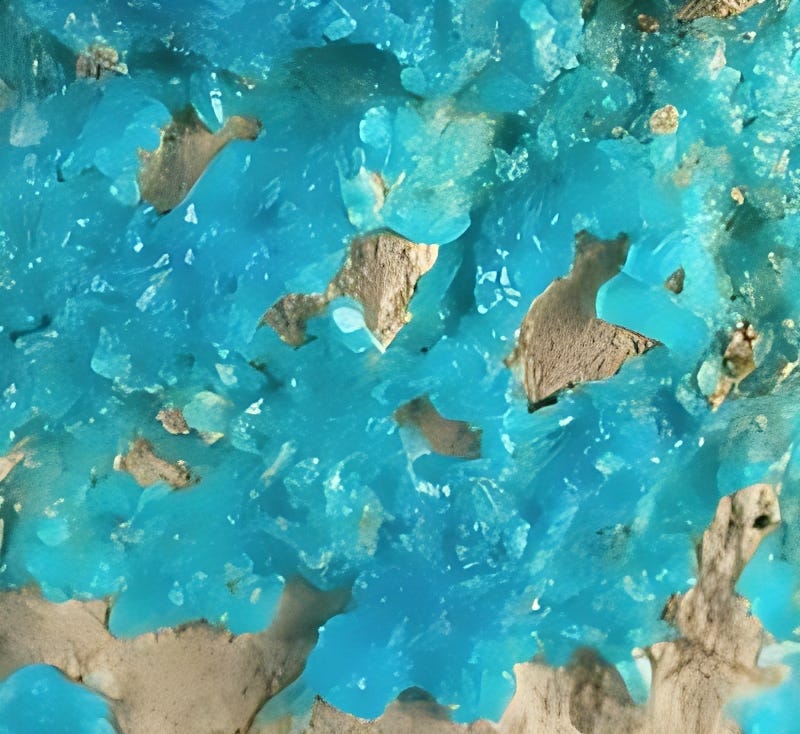
[Photo: Rob Lavinsky, iRocks.com — CC-BY-SA-3.0, CC BY-SA 3.0, via Wikimedia Commons]

Along with advancing climate change, plastic is considered one of the greatest threats to our civilization. Why? Plastic is not biodegradable, which means it can survive for hundreds of years in the environment, contaminating land and water. There is no cure for plastic.

When it is burned, pollutants dangerous to humans and animals are released into the air. When dumped into the oceans (and this is unfortunately an increasingly common practice), it destroys animal habitats and kills animals. The production of plastics alone consumes huge amounts of energy, resulting in the production of climate-damaging greenhouse gases.

Since its proliferation in the mid-20th century, plastic has literally flooded the world. And it’s not just the ubiquitous nets, packaging or straws. Alarming studies show that microplastics are even in the air now. A recent discovery on an isolated island confirms that we are living in an era of plastic.

Trindade Island: paradise on Earth or a trap?

The small volcanic island of Trindade is one of the most isolated places in the world, and certainly in South America. It is located in the Atlantic Ocean, 1140 kilometers off the coast of Brazil.

Every year, thousands of green turtles come to the island to lay their eggs. The nesting turtles are watched over by Brazilian Navy soldiers — the only people permanently on the island.

The discovery of rocks made of plastic waste on Trindade has caused fear for turtles and local ecosystems. So-called plastic rocks have been found all along the beach. They are formed after plastic trash dumped on the shore decomposes and mixes with the island’s volcanic rocks. The plastic waste on the beach comes mainly from fishing nets.

This is further confirmation of how widespread plastic waste pollution of the Earth has become, and the resulting human impact on Earth’s geological cycles.

Plastic rocks in the world

In 2019, geologist Fernanda Avelar Santos discovered rocks made of plastic while studying geological hazards such as landslides and erosion on an island. Upon examination, the team of scientists concluded that it was a new type of geological formation, incorporating traditional rock formation processes and materials with plastic waste.

“It was all the more frightening to find something like this on one of the most ecologically important beaches,” recalled the scientist quoted by Science Alert.

“Marine pollution is provoking a change in the concept of rock and sedimentary formations. […] Human interference is now so ubiquitous that one has to question what is truly natural,” adds the research team she leads.

This is how man is changing natural landscapes

Unfortunately, plastic rocks are not an anomaly in just one place in the world. Similar formations were already found in 2014 in Hawaii. Another category is so-called pyroplastics, which are formed from burned plastic waste. They were first recognized in 2019 on the Cornish coast in the UK.

Another well-known example of human interference with natural processes is the so-called glass beach in California. Although it is often said to be a “miracle of nature,” the history of this place is simply unpleasant. Some people take colorful “pebbles” home from there, which is forbidden.

The best way to combat plastic is to avoid it. More and more bars and restaurants are giving up plastic straws. Also, stores are replacing environmentally harmful disposable nets with biodegradable counterparts. However, getting rid of plastic completely is already rather impossible.

Cool that you made it to the end of this article. I will be very pleased if you appreciate the effort of creating it and leave some claps here, or maybe even start following me. It would be nice if you also left a tip! Thank you!

Waste
Plastic
Life
Science
Life Lessons
Recommended from ReadMedium