
France — World War II — D-Day — Pegasus Bridge and Pegasus Bridge Museum, 1 Avenue du Major Howard, 14860 Ranville, France — part 1 of 4
The bridge
August 2017
Pegasus Bridge was a key point that had to be taken and held by Allied troops on D-day — 6th June 1944. The troops landed by glider some six hours before the main beach assault. Their story is remarkable.
The Pegasus Bridge is named after the emblem of the British Airborne Forces. The original bridge was replaced in 1994 with a new one. The old bridge was moved to the nearby Pegasus Bridge Museum.
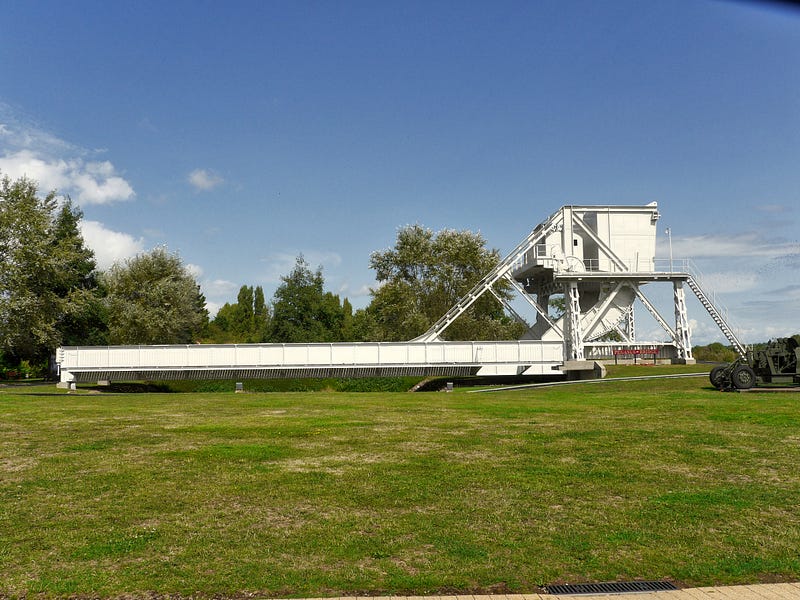
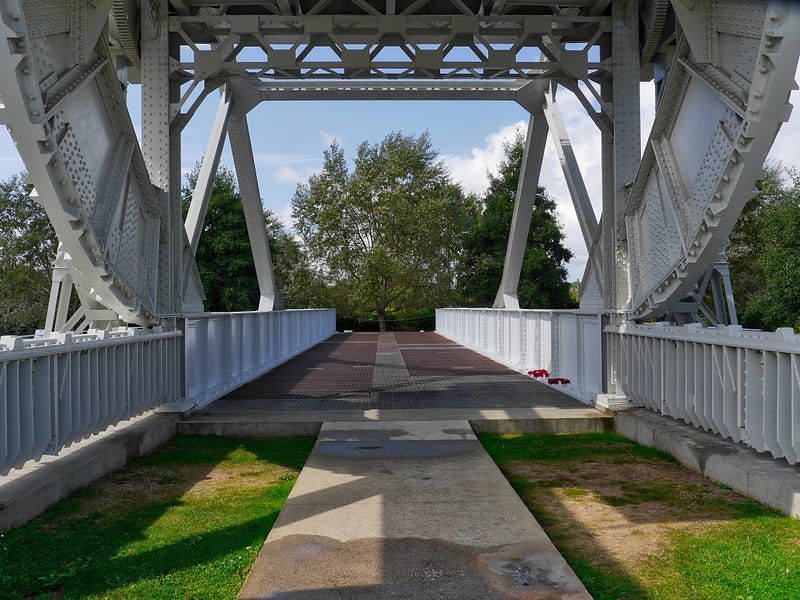
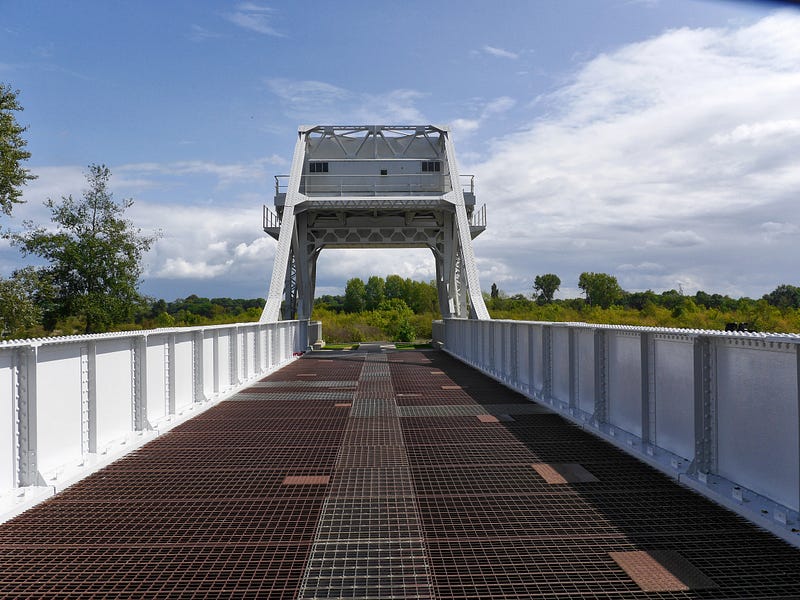
At the Pegasus Museum, there is an excellent description of the events and their importance on the night of the 5th June 1944:
“THE CAPTURE OF PEGASUS BRIDGE.
On ‘D’ Day minus one — June 5, 1944, it was the responsibility of the British 6th Airborne Division to establish a bridgehead across the Orne River and the Caen Canal, halfway between the City of Caen and the coast, and to protect the eastern flank of the seaborne landings from a German counter-attack. Several parts of the operation had to succeed together to guarantee success, and there was only time to do it once. If the ‘D’ Day landings were to succeed, the establishment of these bridgeheads were vital.
Three airborne brigades: 3rd Parachute, 5th Parachute, and 6th Airlanding Brigade, would land in the very centre of the German troops, between the German VII and XV Armies, seize vital objectives, and at all costs prevent reinforcements from reaching the battle area. German 711th and 716th Divisions defended every village, strongpoint and bridge; the XXI Panzer — Division was on their right flank, poised and ready to strike, and behind them the whole weight of the German armoured reserve lay within striking distance. Unless, therefore, the two leading brigades of British Paratroops could strike their blows like lightning out of the night sky, consolidate, then clear the landing places for the glider-borne brigade, have with them their anti-tank guns, mortars and the bulk of their heavy equipment — then their task would be beyond hope.
The 5th Parachute Brigade were to seize the bridges across the Orne and the Caen Canal west of Ranville, locate, clear and protect the landing areas for their gliders, and establish a good firm bridgehead. The 3rd Parachute Brigade’s task was to prevent the Germans from attacking from the east by demolishing bridges across the River Dives at Troarn, Bures, Robehomme and Varaville. They also had just one hour to attack and destroy the Merville Battery of 155 mm guns and its garrison before it could pour devastating fire on left flank of the seaborne landing.
At 2300 hours on the night of June 5, six gliders took off from England with a small force of the Oxford and Bucks Light Infantry and Royal Engineers to seize the crossings over the Caen Canal and the River Orne. Just after 00:15, the gliders crash-landed just 50 meters from the bridge over the canal, and the troops poured out and overwhelmed the Germans, who were still asleep and taken by surprise.
Minutes before, troops of the 7th, 12th and 13th Battalions of the 5th Brigade had parachuted out of the skies and were being fiercely attacked by the German defenders. By 0230 hours, the 7th Battalion was fighting desperately on both banks of the Orne against units of the German 716th Division and two Battalions of Feuchtingers XXI Panzer Division, which had attacked just after 0100 hours. One Company of the 7th, under great pressure at the bridge at Benouville, held on, knowing that they would not be relieved until early in the afternoon of the 6th. To the relief of 7th Battalion, the 1st Special Service Brigade under the command of Lord Lovat arrived, only minutes outside the agreed rendezvous time, crossing the bridge and quickly joining the rest of the Division on the other side. By the time the 7th Battalion were relieved, they had been in continuous action in Benouville for 17 hours against artillery, mortar and fierce counterattacks from the German Panzers.
Such was the courage and determination which earned the bridge Over the Caen Canal, the name ‘Pegasus Bridge’.”
When you read in the museum how the capture of the bridges was achieved and then held, it is remarkable that anyone survived.
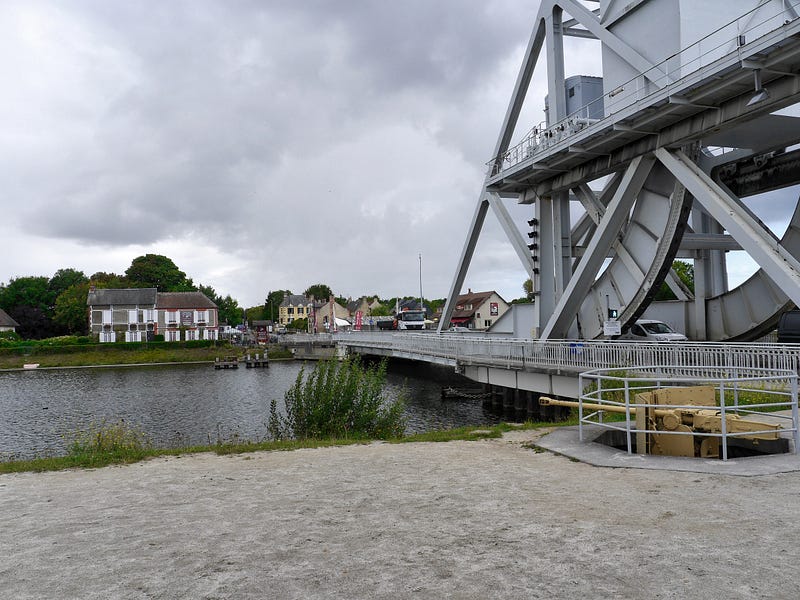
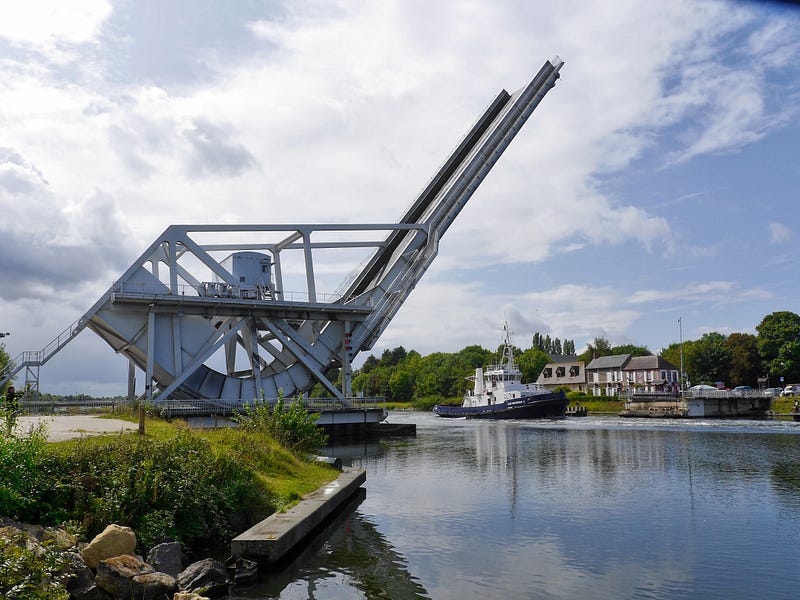
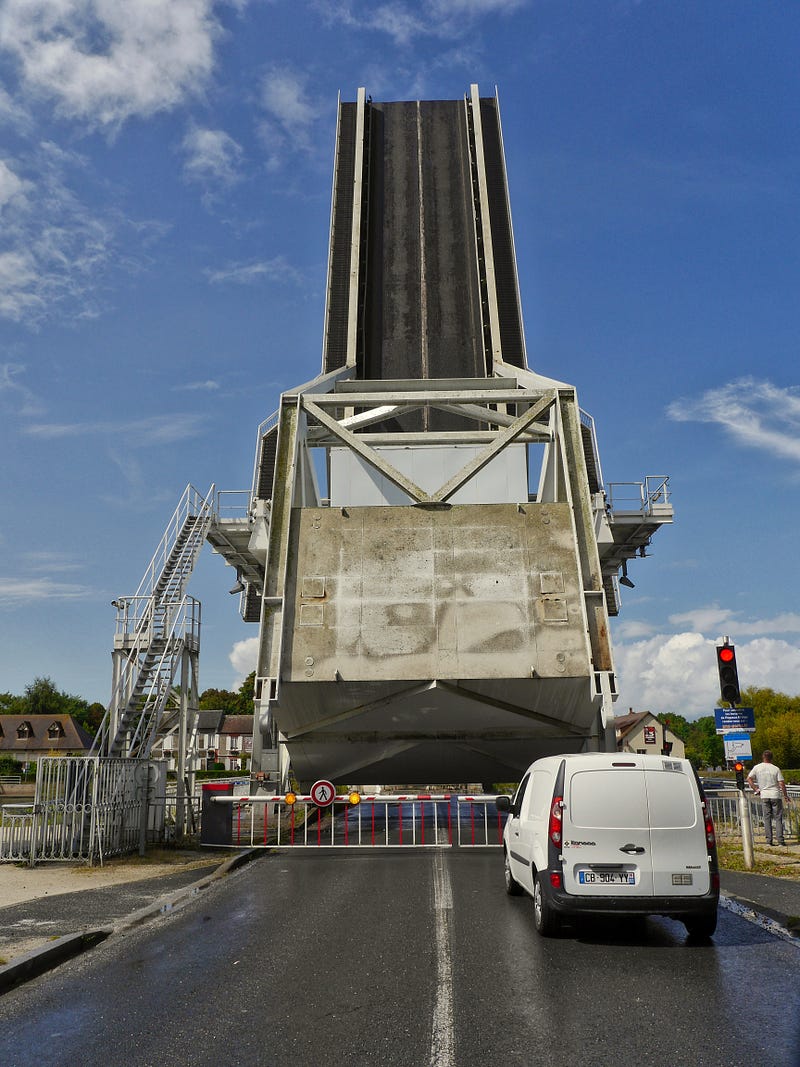
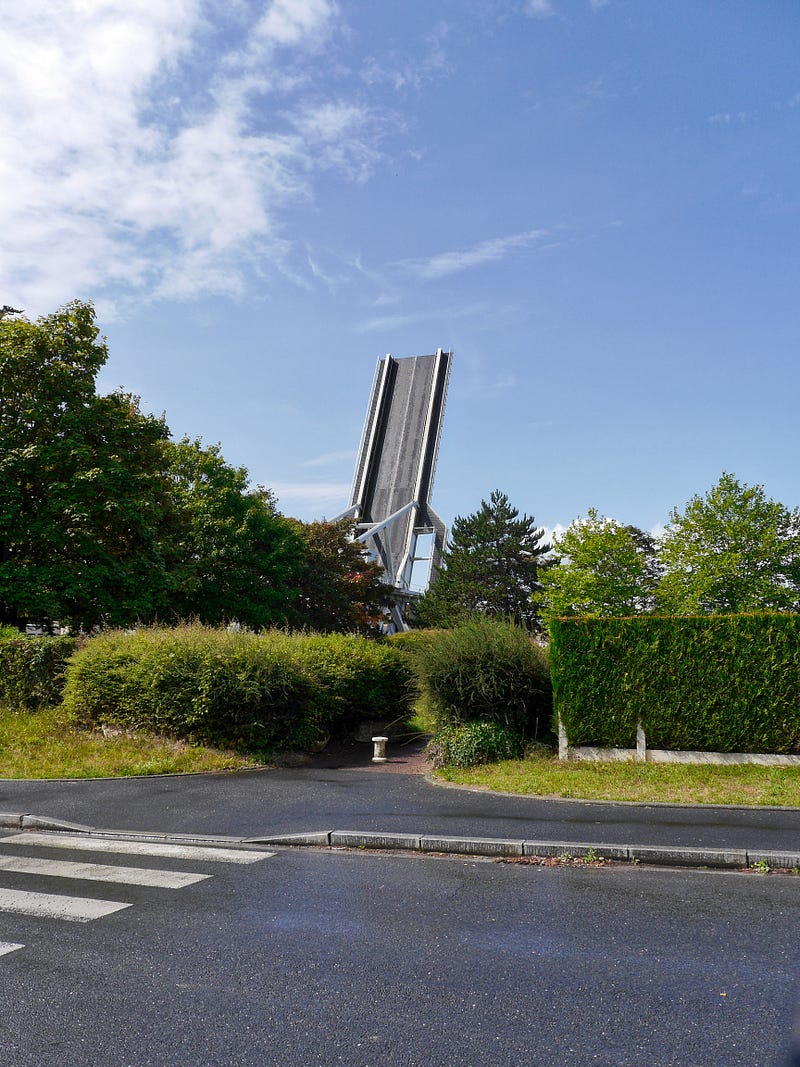
When you visit the glider landing grounds near the bridge, you realise that the attack on the bridge was remarkable and seemingly foolhardy — an incredible military feat of planning, skill and daring.
Foursquare: Pegasus Bridge Museum
Foursquare: Pegasus Bridge