
Four Foolproof Ways to Sleep Better
Stop relying on tired internet advice

Several years ago I went on a campaign to improve my sleep. Whether you are young or old, male or female or gender fluid, liberal or conservative — poor sleep turns life into a miserable experience.
Sleeping poorly is also associated with illness.
I learned there were several layers of ‘sleep hygiene,’ and the first layer is mostly useless internet advice.
For example: sleep in a dark room, don’t consume caffeine after 5 pm, and don’t lie awake in the dark if you can’t sleep.
I diligently followed all the internet commands, and yet I still woke up at 3 am feeling a buzz as if someone had just dosed me with a Red Bull.
Two types of people suffer the most from sleep deprivation: new parents and middle-aged women. Everyone knows new parents are hopeless cases — you just have to use all your collective skills and knowledge to get that adorable munchkin to sleep through the night.
But what about middle-aged ladies? We might be the keepers of secret folklore about how to sleep well.

The invisible menopausmonauts
If you are male you may think I’m overstating the case, but one thing I’ve learned about research is medical science is much less interested in lady problems.
So I went out there on my own, armed with curiosity, a laptop, and a fire in my belly.
I, menopausmonaut.
Oh, yeah — and I was effin’ desperate to sleep more than 4 solid hours at a time.
I learned there are several factors related to poor sleep that are controllable if you are willing to make a few lifestyle changes.
These changes will benefit your overall health, and reduce your chances of developing dementia.
The keys to good sleep are stable blood sugar, relaxation, avoiding toxic substances, and giving up blue light (TV, computers, phones) after dark.

1 / Stable blood sugar
Only about one in ten Americans are metabolically healthy, according to a recent study by the University of North Carolina. The most common issues are diabetes, pre-diabetes, and obesity.
This is going to get a little science-ish, but it explains 3 am awakenings.
When you are metabolically unhealthy, you have spikes and dips in your blood sugar. Your body tries to cope with too much sugar by releasing more insulin, and you become insulin resistant. But when your blood sugar dips, the body has all sorts of ways to react: hunger is the most obvious.
In the middle of the night, around 3 am, the body runs out of glucose because it’s been a long time since eating. In a normal, healthy person, glycogen (which is little glucose or sugar packets stored in the liver) is released into the bloodstream.
If your liver isn’t working well, glycogen can’t do its job. The body is craving energy and goes into emergency mode, producing a glucose substitute, such as epinephrine or other stimulating chemicals (cortisol, adrenaline, etc.).
When you wake up feeling wide awake, it’s because the drop in blood sugar has caused stimulating chemicals to be released into your bloodstream.
You can stabilize your blood sugar most easily by going on a ketogenic or very low carb diet, but at the very least:
— Do not eat a big meal at night, especially one that is carb-heavy (bread, pasta, rice, potatoes, etc.)
— Consider a small protein snack like cheese or a piece of meat before bed
— Work on cleaning up your metabolism with weight loss and exercise
If you are someone who is often hangry, you definitely have blood sugar dips and spikes, both day and night.

2 / Relaxation
If you can clean up your diet and learn to relax, you stand a much better chance of sleeping well again.
I find swimming outdoors (especially in a lake or river) extremely relaxing. It provides sunshine, exercise, and Nature. Even floating in the lake for 20 minutes is amazing, and that is because blue spaces are scientifically proven to calm us down.
Of course, most of us don’t have access to lakes — but water and earth are both remarkably relaxing and don’t require much effort. Blue spaces are considered as calming as green ones; even being near water or looking at it helps the parasympathetic nervous system and improves vagal tone.
Consider:
— ice cold baths or showers, or hot baths or saunas
— learning breathing exercises, including chanting
— practicing daily meditation
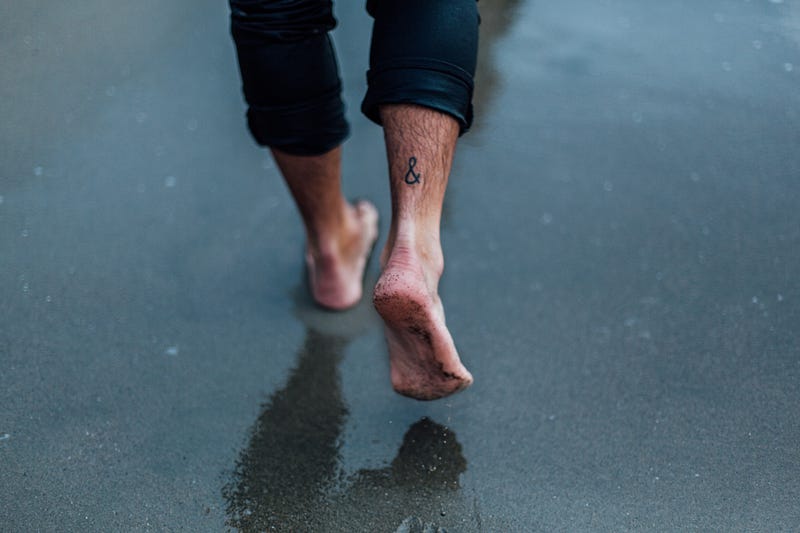
— walking barefoot on grass for 10 minutes a day.
All of these methods counteract modern American life. When you address your diet, relaxation is easier to accomplish. Both strategies (diet and relaxation) work together to restore normal sleep patterns.
3 / Toxic substances
This is modern America and we are fed a lot of toxicity. It’s in the news, online, and in our food and drink.
The most common toxic substances are alcohol, sugar, and anger.
If you don’t drink alcohol and have sworn off sugar but you still scream at your spouse on a regular basis, you are being exposed to toxic chemicals.
“Menopausmonauts” have a great deal of collective wisdom about the problem with alcohol because one drink can disrupt sleep. Yes, you heard that right — a single glass of wine can interrupt a good night’s sleep.
If you are serious about sleeping, you should give up liquor.
Sugar, too (even honey and agave syrup) is your frenemy. Try a test — give it up completely for a month, then have some ice cream and cake. How do you sleep?
There are additional problem substances, such as artificial sweeteners and seed/vegetable oils, you may want to consider avoiding. But the sharks closest to your boat are liquor, sugar, and rage.

4 / Blue light after dark is a bad idea
As the sun sets I pull out my blue-blocker glasses.
If I want to read or play an online game, I use blue blockers. I’ve done so ever since reading Why We Sleep in which author and sleep specialist Matthew Walker makes the case that while electric light isn’t great for us after dark, blue light is much worse.
Watching TV, scrolling the phone, or checking emails after dark should only be done with blue blockers. It’s okay to avoid these devices after dark and start getting into bed by 9:30.
Blue blocker glasses and non-backlit reading tablets are good alternatives.
Final Words
Another important step toward better sleep is making sure you are asleep between 10 pm and 2 pm. Even if you are a night owl by nature (about 1/3rd of the population are), you should aim for getting into bed by 10.
Fixing sleep problems isn’t easy, because it usually requires repairing deeper issues. I often quote the “12% of Americans are metabolically unhealthy” because it is a shocking statistic. If you have health problems, it’s going to impact the quality of your sleep.
The good news is, if you focus on fixing your sleep, you can overcome many health problems without pills, surgery, or medical devices.
You do not have to put up with poor sleep. It’s a fixable problem if you are willing to work at it.
Want an email heads-up for new articles? Click Me.
Want to join Medium? Click Me.
Jean Campbell recently started her first Substack newsletter to laser focus on getting her book, City of Lies: A Street Hustler’s Omaha Journey published.