
Forest Trees, the Lungs of the World
A walk over the rainforest reminds me of the importance of trees and of biodiversity.
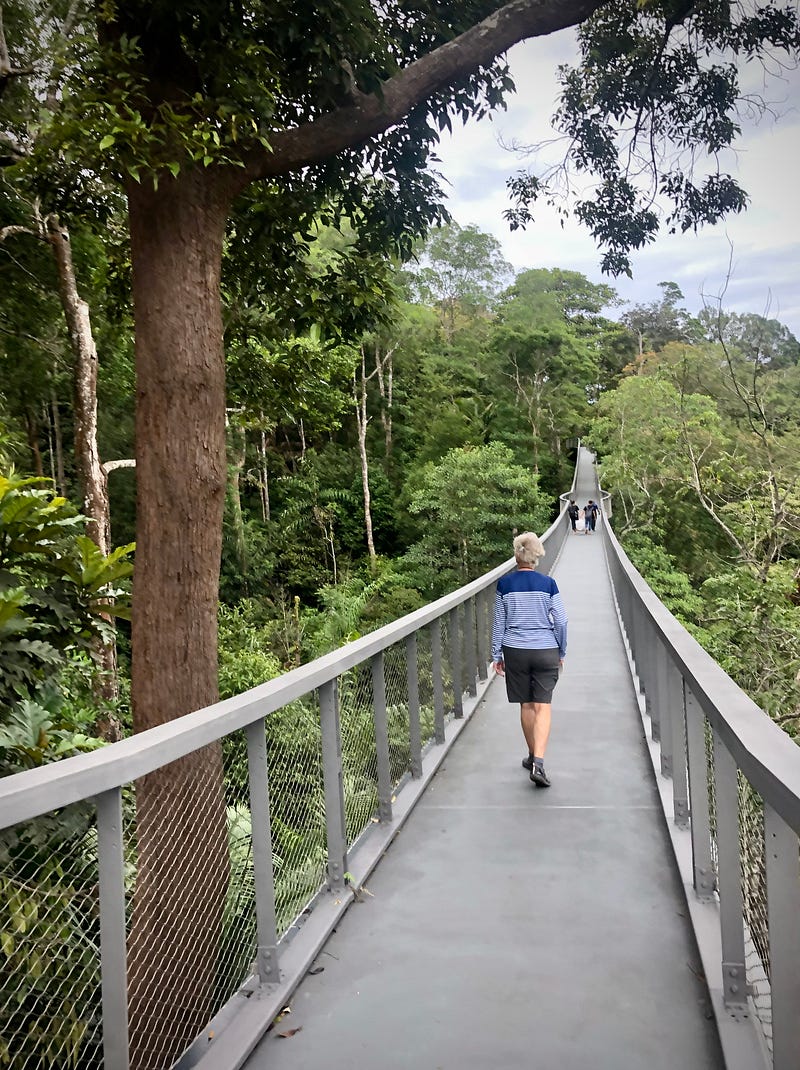
We took the funicular up Penang Hill to do some forest bathing today. We spent several hours enjoying the views of the rainforest. We walked the Langur Way Canopy Walk, the longest two-span stressed ribbon bridge in the world. We enjoyed the views of Penang from the 13-meter high Curtis Crest Tree Top Walk, 800 meters above sea level. We also walked on the nature trail that was built by the British-East India company in the early 1800’s. Another fun day in Penang. Yes, it was another fun day, but it also made me think again of the importance of native trees and plants that support our environment.
The Habitat Penang Hill allows easy access to the Malaysia rainforest, a forest that has been protected since 1911. Prior to that, large sections of this rainforest had been cleared by early European settlers so they could build homes at the top of the hills in the area. Since then, the native forest trees and understory plants are regenerating. The purpose of the Habitat is to promote understanding of the need to protect and to maintain the diverse ecosystems in the rainforest. Money generated by visitors to the Habitat helps to support conservation efforts in Malaysia.
We know that trees help to pull carbon dioxide from the atmosphere and they release oxygen. We also know the roots help to stabilize the soil, to hold water and to reduce water runoff. They help to maintain a healthy environment throughout the forest and neighboring areas. I was reminded of the book I recently read, Wangari Maathai, the Woman Who Planted Millions of Trees. Her first indication that something was wrong in her area of Kenya was when there were no longer tadpoles in puddles because the trees had been cut and the soil was too dry. Her solution was to start planting native trees, millions of them with the help of people in the area who knew the trees and how to care for them.
Here are the Malaysian Habitat Golden Rules for Planting Trees.
- Protect existing forest first. Intact forest helps adjacent replanting sites to recover.
- Prioritize the participation of local people. This is key to success.
- Maximise diversity recovery. This is another key to meet environmental, economic and cultural goals.
- Select the right area for reforestation. Plant trees in areas that were historically forested.
- Use national forest regrowth wherever possible. This can be cheaper and more efficient than planting trees.
- Select the right tree species. This maximizes diversity.
- Make sure the trees are resilient to adapt to changing climate.
- Plan ahead. Know how to source seeds and trees and how to work with local people.
- Learn by Doing. Combine scientific knowledge with local knowledge.
- Make it pay. Think about a source of income for all stakeholders.
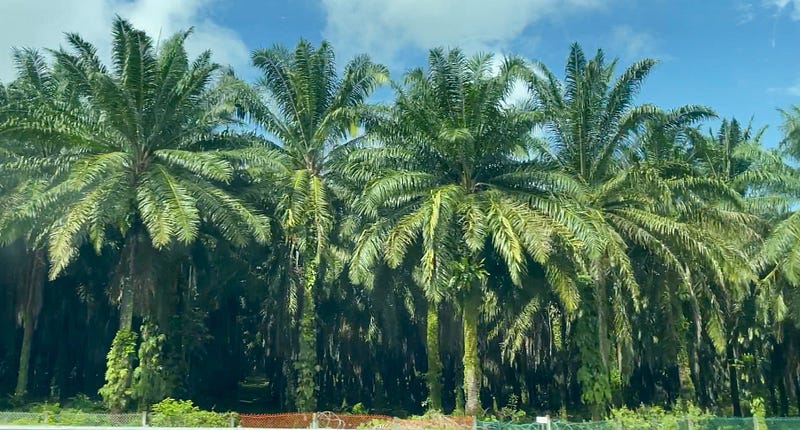
Make it pay is of course a problem. From what I see, most of the lowland rainforest in Malaysi has been replaced with plantations. When I first came to Malaysia in 1973, I saw rows and rows of rubber trees. Those have almost all been replaced by rows and rows of oil palm trees. Both of those crops support the local economy. So, what is the problem with these trees? They pull carbon from the atmosphere, release oxygen, and help to hold the soil, but they don’t support the biodiversity of the rainforest. There is no understory and native animals are fought off. You can’t have monkeys or birds eating your crop, right? They also don’t support the full spectrum of fungi and insects needed to maintain a healthy soil. We must recognize and balance the need to support the economy with the need to support the environment.
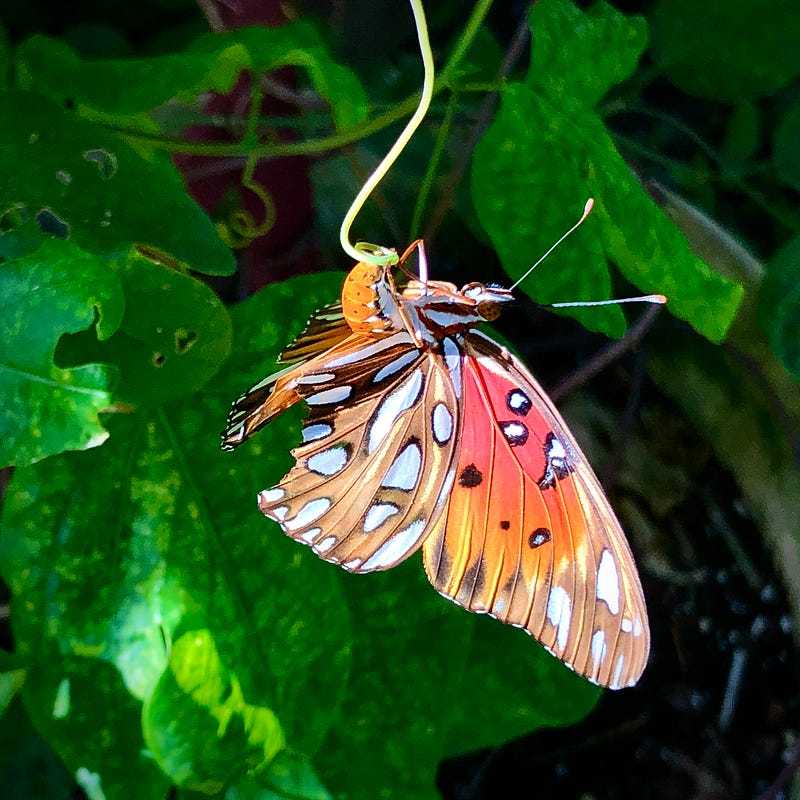
I am reminded of the movement by Douglas Tallamy and his book Bringing Nature Home. His research emphasizes how we can each support diversity by planting and sustaining plants native to our individual environments, especially in our individual backyards. My grandchildren and I try to maintain our butterfly garden with plants that are native to our area of Florida and our live oak trees support the bird populations in our area.
Many of the Habitat grants in Malaysia support the idea of nature in the backyard. The grants include providing plants for birds and butterflies, etc. in your garden space. You can find more information here. Habitatfoundation.org.my
Read my husband’s description of our visit to Penang Hill


