
Abundant Future
Food is the Bridge. Saving the World with Our Tastebuds is the Trend
We’re in transition. We’re re-inventing the world for a future worth living. Food is the language of the ReGeneration
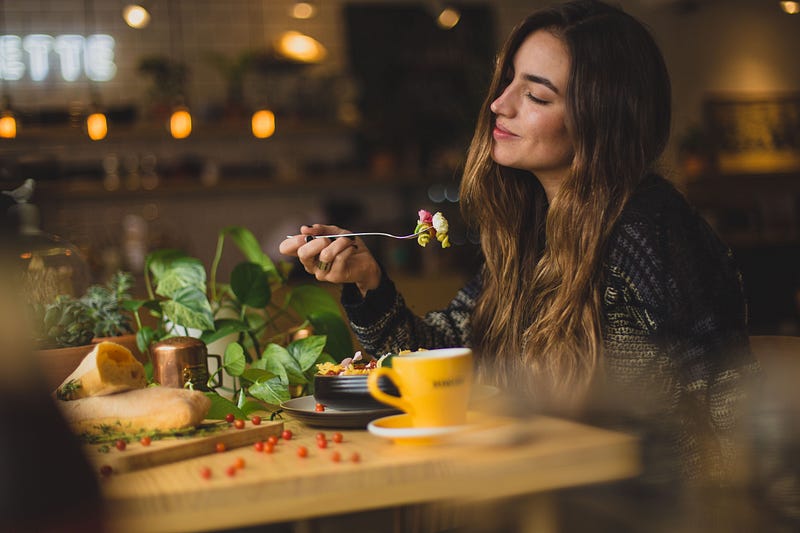
Fun and experience are the words embraced by Millenials and Generation Z alike. The world is our canvas, technology is normal and we want to live our best lives. But how do we do that?
Food is the answer!
And how do we save the world then? Well, that’s the best part. Food can do both. Providing fun and experience, and creating an abundant future. I’ll show you some trends in this story.
- How farmers create tasty food and restore ecosystems in the process
- How food lovers embrace taste instead of mass-produced, uniform quantity
- How travelers explore the world, have fun and help restore oceans and soils
The ReGeneration is rising. It doesn’t matter if you’re young or older. Female or male. And the color of your skin is beautiful, no matter what.
Diversity rules. Biodiversity flourishes. And our tastebuds celebrate life.
Nature is abundant, so why think scarcity?
We have a human world (economy) on the brink of collapsing.
We have a natural world (ecology) in dire need of restoration.
And we have our human capacity for love, compassion, and creativity (the human spirit).
If we combine the economy, ecology, and the human spirit, we’ll have created a new world. Together. All of us.
My motto gives a taste of how we can do it.
“Let’s restore ecosystems and learn as humans how to live within planetary boundaries.”
Nature is in essence abundant. If Gaia would still rule, we would have lush forests, flowing rivers, and a huge diversity of species that keep each other in balance.
We, humans, have changed the rules. We think ‘good or bad’. We want the crops, we don’t want the weeds. And our chemical giants have made some nice business models with these rules in mind.
- We feed our crops with chemical fertilizer
- We fight our weeds and pests with chemicals
- We buy our seeds from giants who make sure that the plants don’t reproduce. This way, plants don’t produce new seeds for us to harvest. We need to buy new ones every year…
Nature doesn’t think about good or bad. It’s all about circumstances.
In essence, a grasshopper is a great insect. But if they group together with billions and feed on our monoculture crops, they become a pest.
In essence, a thistle is a great plant. Used for herbal medicine even. But if thistles take over our farming fields, they become weeds.
Just a little taste of mind-shift. What if we would use thistles in abundance for making bioplastics, like Novamont in Italy does?
Regenerative farming
Okay, back to food. How on earth can we align the economy and ecology, eating tasty food? Well, the answer might be easier than you think and it’s happening all around us.
The answer is regenerative farming.
Farmers on all continents are embracing the rules of nature again and are producing healthy, tasty food using a multitude of methods. They are experimenting, they are learning and they are actually doing it!
All these farmers having one thing in common.
They look at local circumstances and they produce their food in line with nature. They don’t produce just kilos, they grow yummy nutrients!
Their food is not only organic, they really unleash the abundance of nature. They restore the soil back to being healthy and alive with micro-organisms, fungi, and billions of creepy crawlies.
They use combinations of crops that support each other’s growth and they don’t plow. They let nature do her work and add their own energy in such a way that abundance will be restored. They are inspired by ecosystems and design their own systems accordingly.
We see regenerative farmers emerge everywhere.
Big scale and small scale farms. Connected to their local customers. All approaching their land and their businesses with different models. And I just hope they will inspire each other, learn together and grow.
Young people want to become farmers
In my country, the Netherlands, I see a trend of young people wanting to become farmers just because of this connection to nature’s ways. Sometimes they are nature lovers starting a biodiverse farm. Sometimes they are farmers’ daughters and sons who want to do it differently.
Their business models are made with synergy, so they create value with everything that’s available. Collaborating instead of competing. Turning everything that nature produces into value for all species.
Let me give you a cool example of a business model: Straw by Straw.
This young entrepreneur, Everlyn, is turning an organic rest material into straws for our drinks. No more waste. No more plastics. Just goodies for us all.
Food lovers embrace the taste
Embracing taste. Who wouldn’t want that? Well, the trend is definitely that we are using our tastebuds better and better.
Another trend is that we go slow. Slow food is booming. We want to live mindfully. We want to enjoy all there is to enjoy. But we also want to do the right thing. Slow food combines it all.
Organic food grown on healthy, living soil is trend and taste combined. If we prepare our dishes in a mindful way, we have the best of all worlds, saving the planet in the process.
We can use our cultural differences to make a variety of dishes. We think global. We know our ways of the world.
- Why not serve tapas to our friends in many diverse ways
- Let’s enjoy fruit salads with locally sourced fruit and nuts out of the Community Supported Agriculture (CSA) food forests in our area
- Taste coffee and use the leftover grounds to grow our own oyster mushrooms
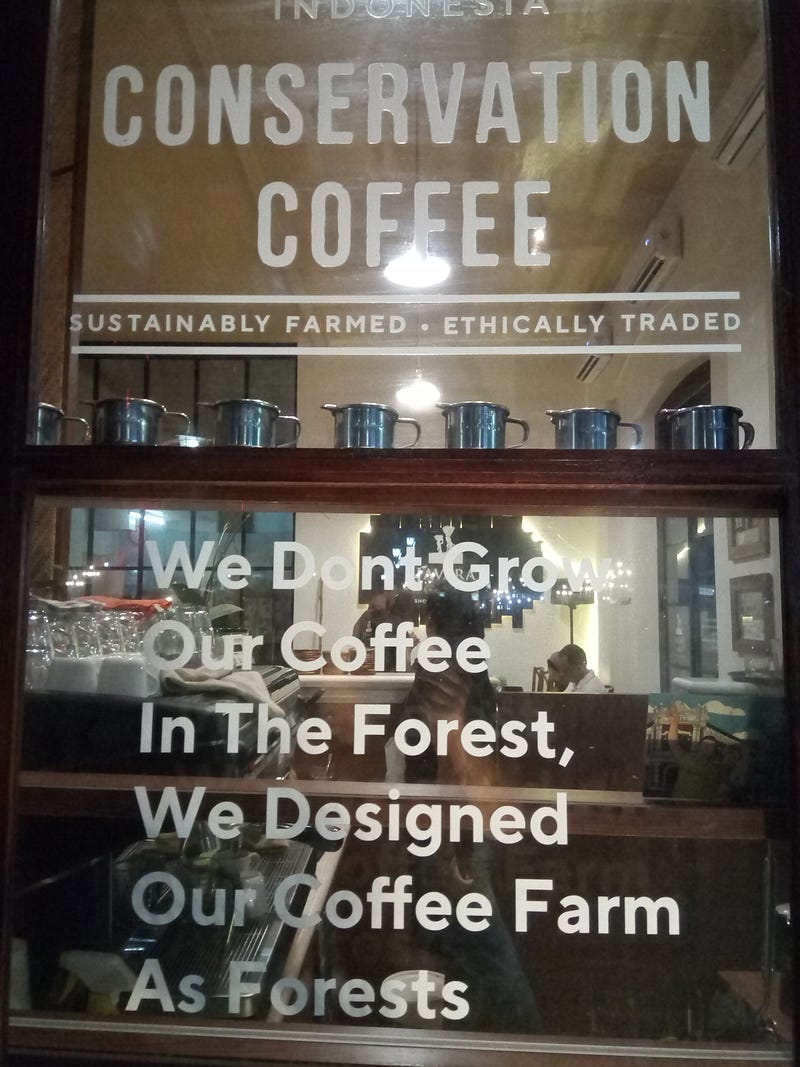
Traveling and Restoring
I’m a realistic person. We cannot un-globalize the world. Although travel pollutes, I want to give you some of the trends I see in mindful tourism.
People do want to travel. They want to experience new things. And let’s be honest, there are benefits as well. People come closer to other cultures. Understand other worldviews a bit better. Connect. And perhaps world peace has come a tiny step closer because of it…
The trend is to travel and experience a new place for real. Connect to the local people. Stay longer. Learn a language. Tread mindfully through nature in this unknown place.
We can also learn how to restore ecosystems in this newfound place. Why not learn about healthy soil? About restoring coral reefs?
Ecosystems Restoration Camps is a great example of how adventurers learn while traveling. Meet wonderful people and have fun…
Conclusion
Aligning the natural world and the human world is key. Those two worlds belong together. We, humans, are part of nature.
Can we embrace diversity and become mindful consumers? Less stuff, more compassion for all species, including our fellow humans?
Food can be an awesome bridge between the two worlds.
And what a tasty one!
Happy transitioning…
If you want to connect, you can find me on LinkedIn, Facebook, Twitter or Instagram. Or somewhere in the world enjoying organic goodies…
Thank you, Mike, for adding your wise energy to my words on food.