
UKRAINE. FLOWERS
Flowers of the Plague Spring
Globetrotters April Monthly Challenge — “Floral Beauty Around the World”
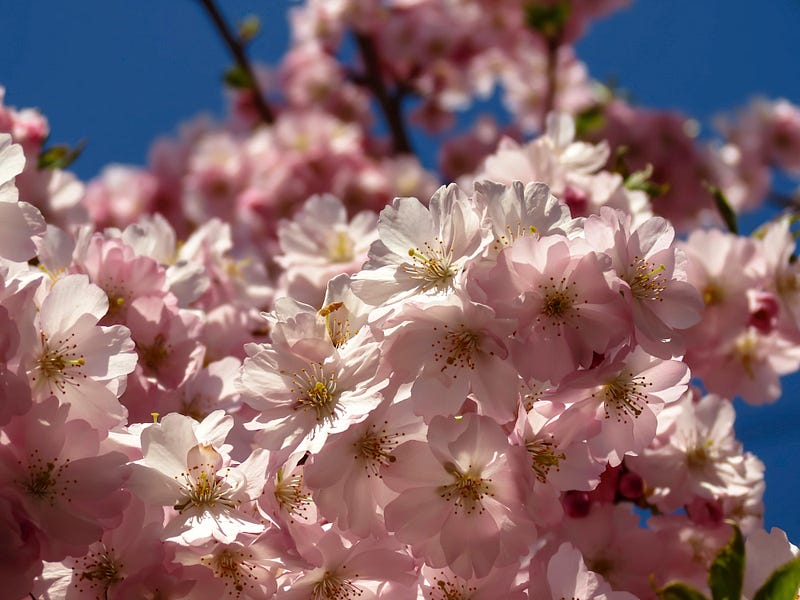
Well, what could be the time when I was so bored that I began to take photos of almost all the flowers I saw? Of course, in the spring of 2020.
First weeks of the total worldwide lockdown. Public transport with permits, closed cafes, closed parks, closed all. Good time to footwalk and discover your neighborhood and own city again, especially when spring is coming. That quarantine was one more reason to hate people for me but also an excellent reason to find beauty under my legs and on the nearest streets. I got one more proof that I was right to select this city to live in. If only because I still could travel inside it, living my 6th year here (spoiler: it is Vinnytsia, Ukraine).
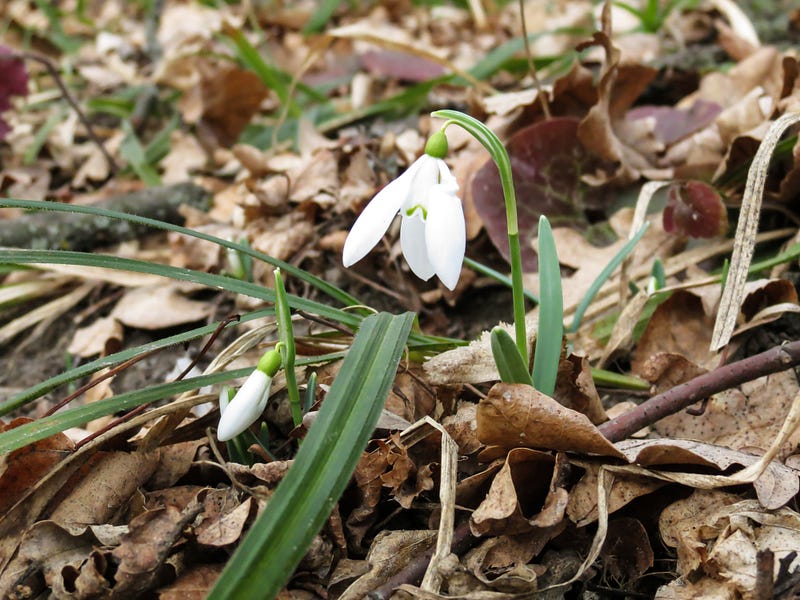
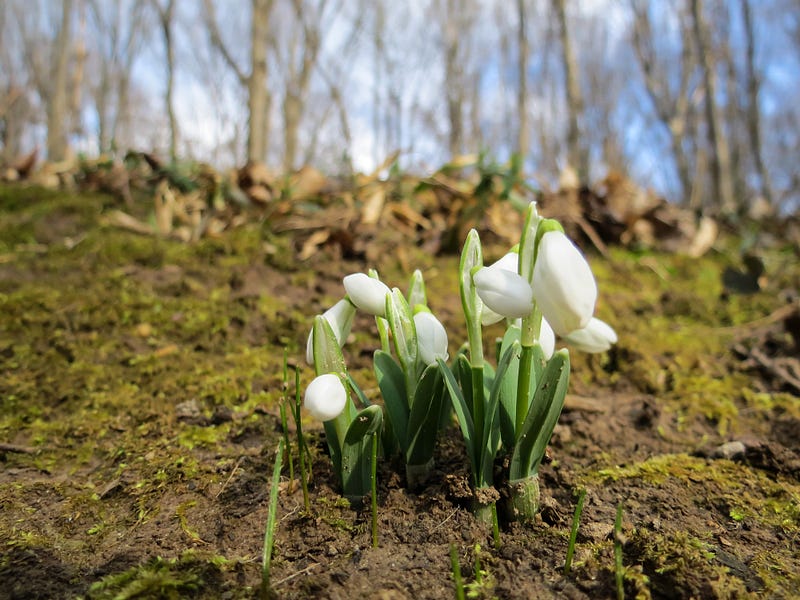
It all started in February, even before the quarantine. Then, all the madness was only in Italy, and it seemed it could avoid us. Then, I just got on a bus and went to a forest to search for snowdrops. Finding them was easy, even for such an inexperienced tracker like me.
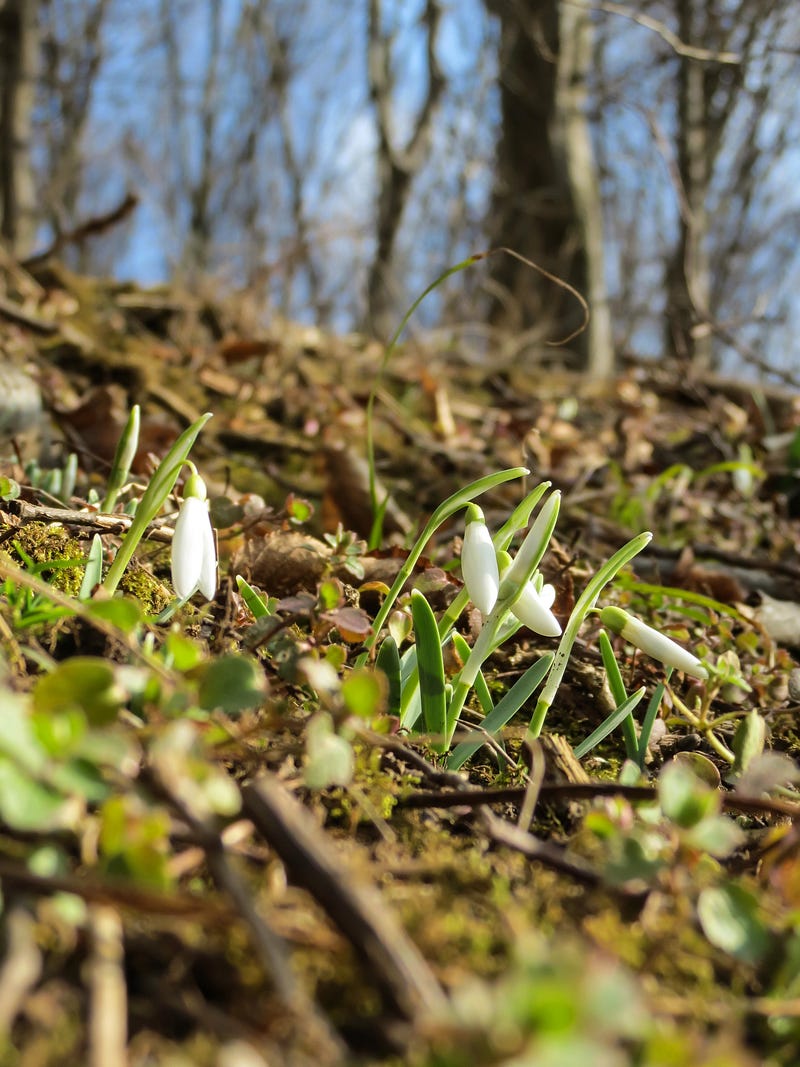
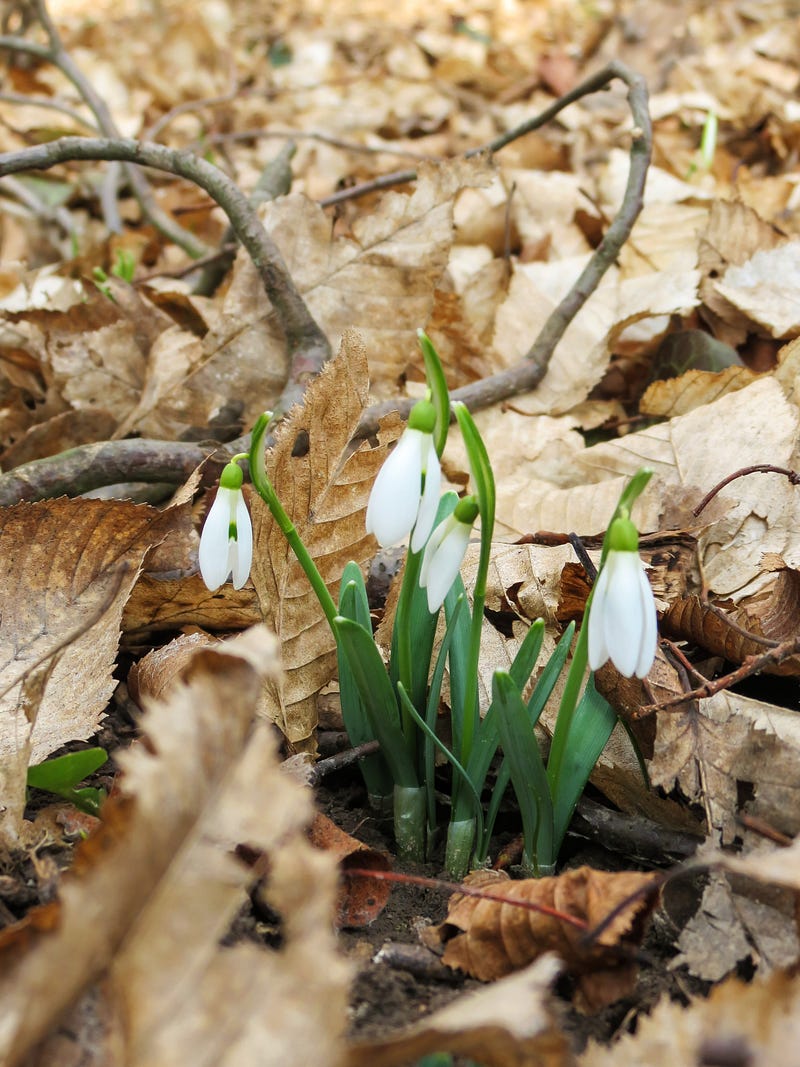
Part of them just appeared, tearing last year’s dead leaves like swords. Other ones flourished to the fullest.
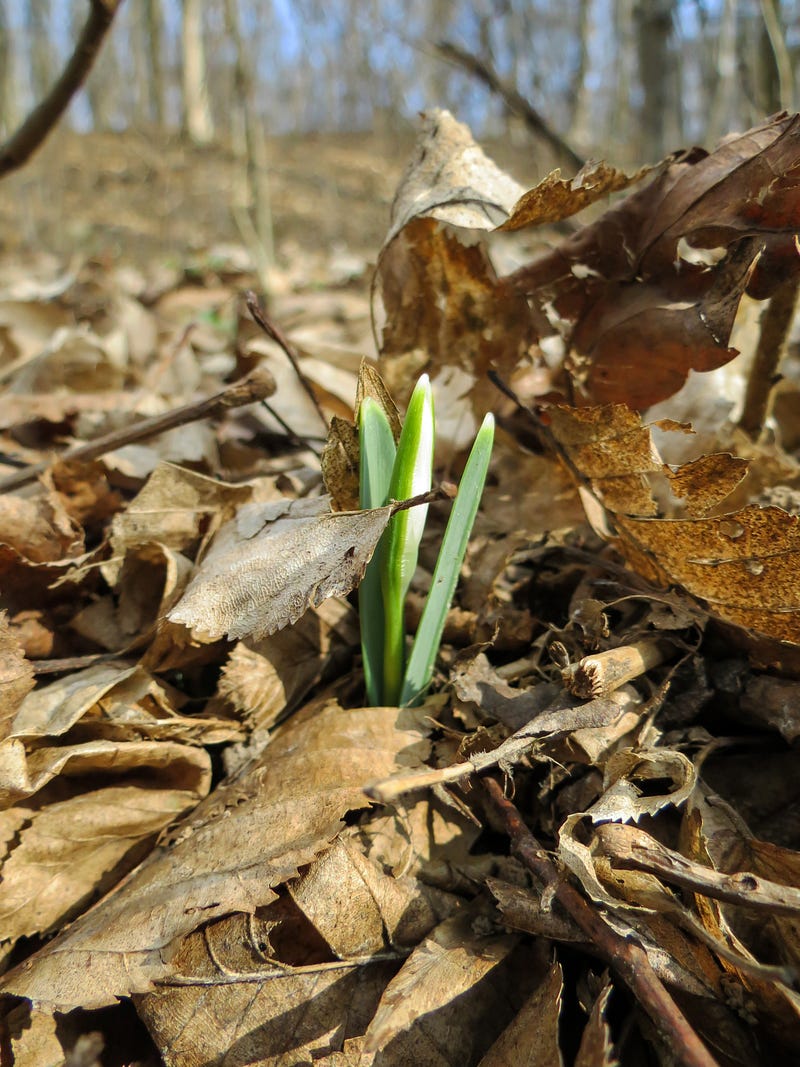
It was a warm spring, and I regret we lost it because of the overrated reason. As it turned out later, covid wasn’t the problem at all compared to the war.
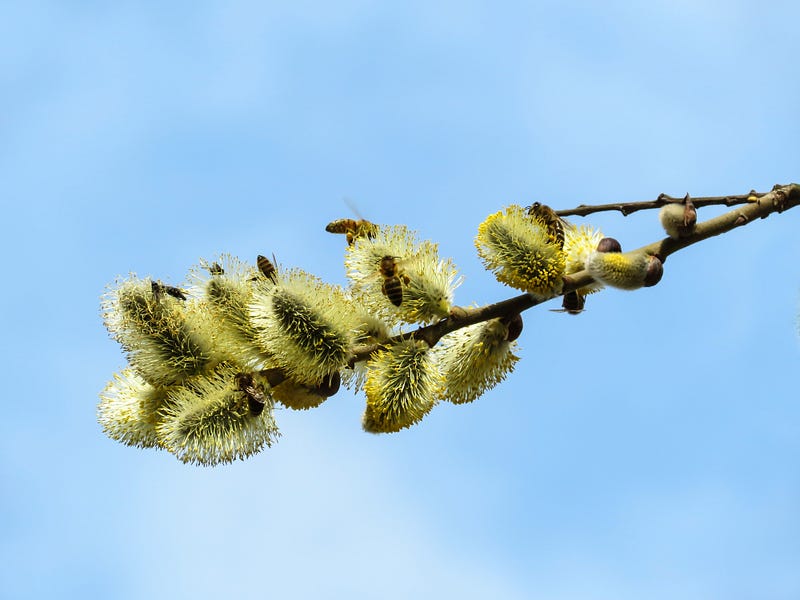
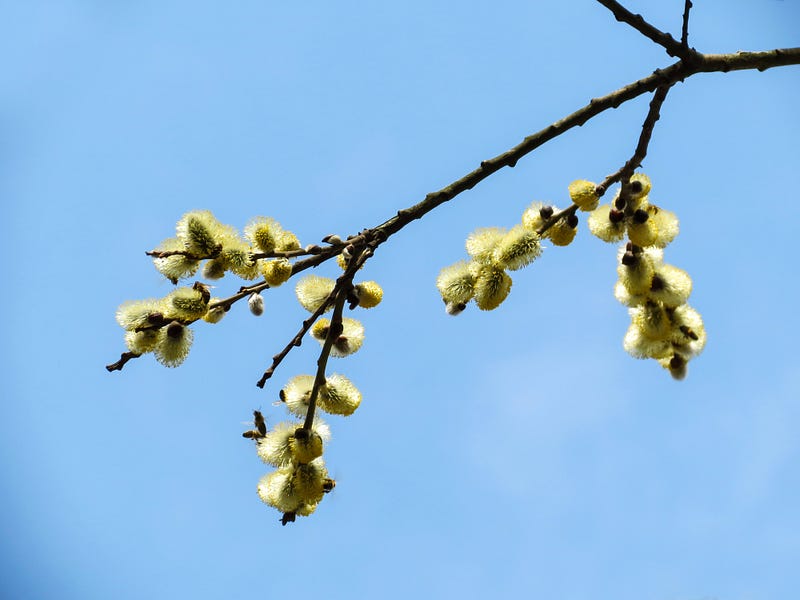
All the following photos were taken already during the pandemic. I found these wonderful willow racemes directly under my house (and yes, it was needed to lose freedom of movement to notice them in the 4th year of living here). Unfortunately, the tree was more dead than alive, and it no longer exists.
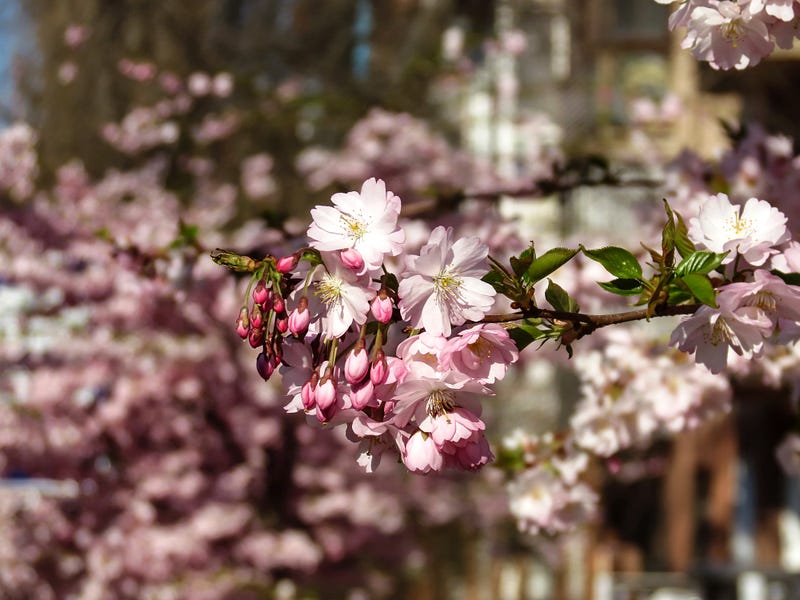
My district is called Vyshenka (“Cherry”), and really, there are many cherry trees. I always loved to walk among them; it’s possible to become drunk only because of their smell during their blossom time. Masks wearing stole this intoxicating smell those days, but nobody could steal the visual part.
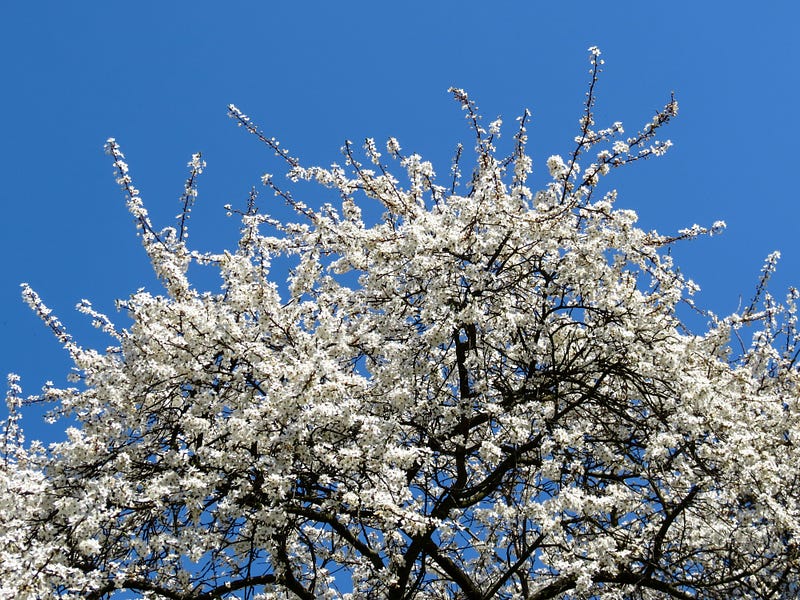
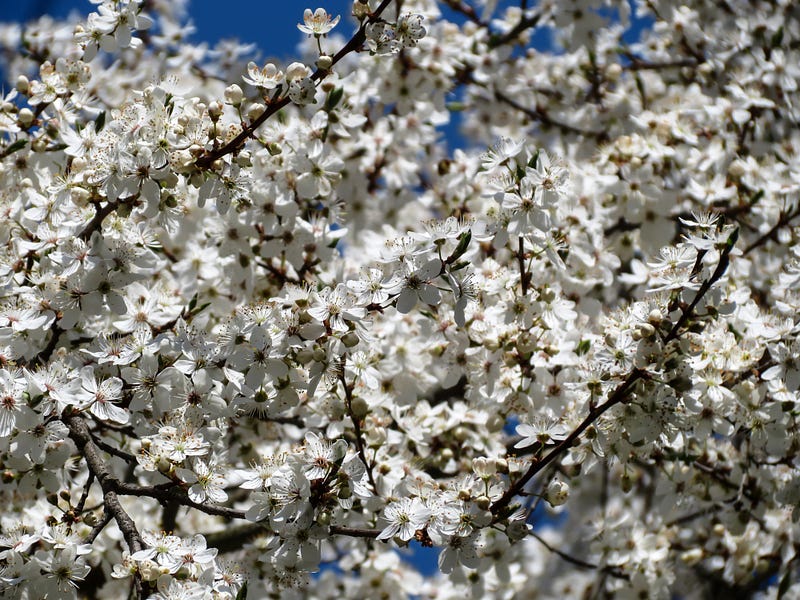
Apricot blossoms are rarer in the surrounding yards.
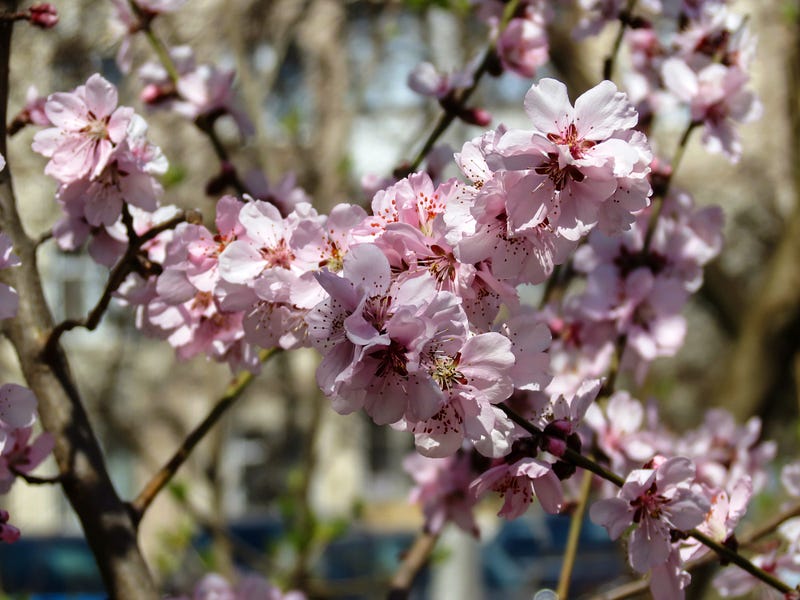
Apple trees added light pink colors to the streets’ palette as well.
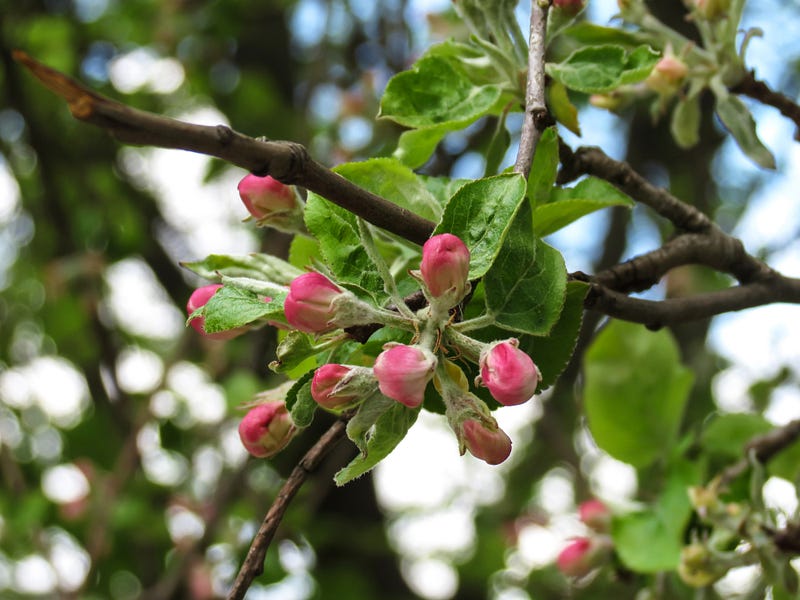
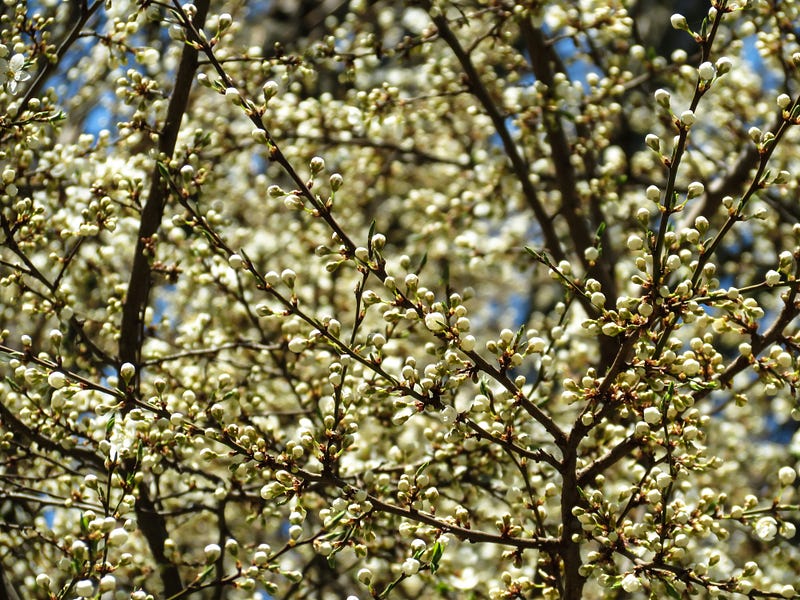
I don’t know what the tree is, but it has a vast flowering yearly.
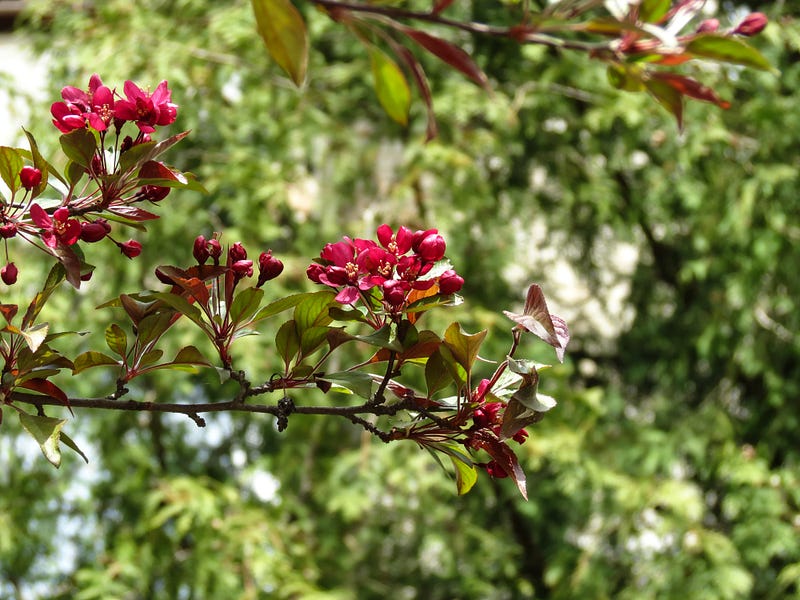
Chinese quince, I suppose:
In addition to the snowdrops, I found one more specie of rare wildflower: Eastern pasqueflower, which loves to grow on the slope of the Pivdennyi Buh River.
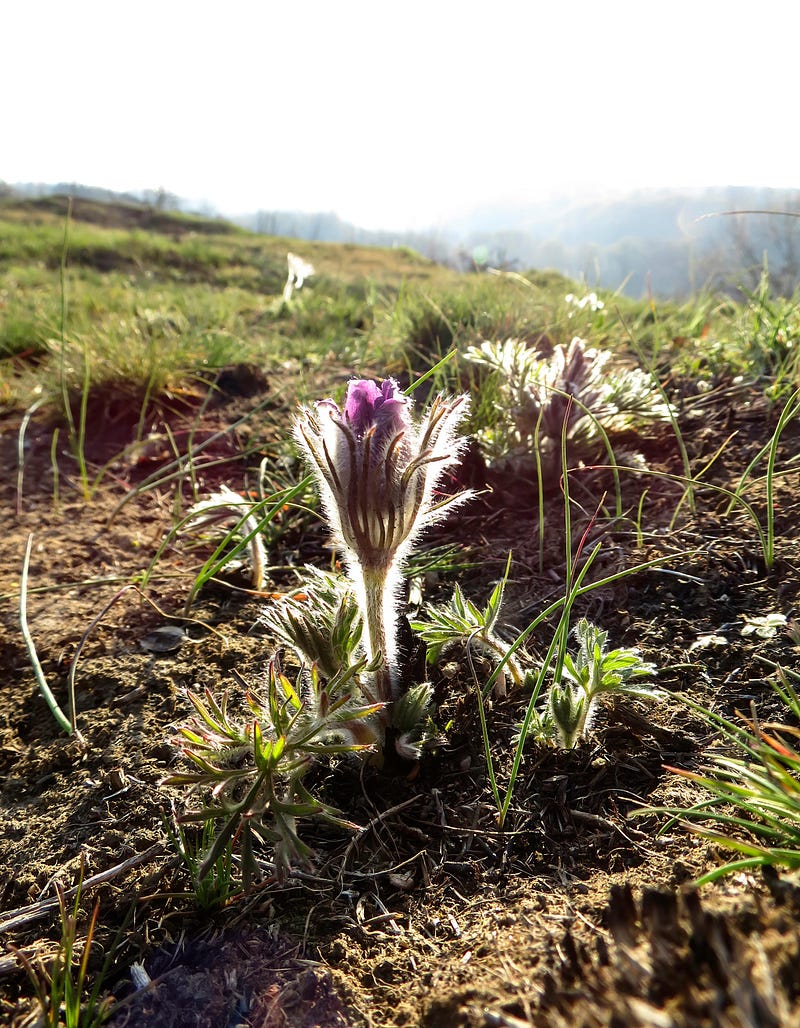
But flowers were gone at that moment because of early spring. Anyway, the fluffies in the morning sun had a fascinating look.
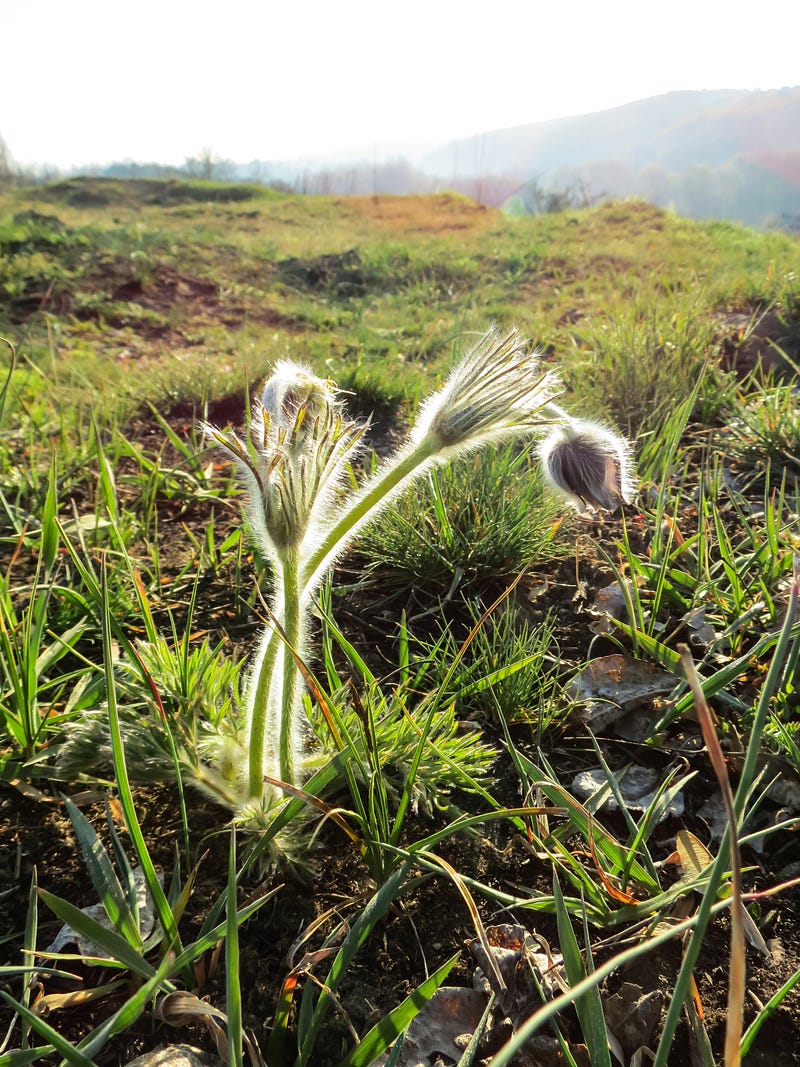
Later, someone made a fence dividing this field into a wild part and his yard, making it hard to reach. In addition, dry grass around is a popular place for ticks.
And now, let’s go to the mainstream. Recently, many Sakura trees were planted across the city. The “champion” of their number in Ukraine is Uzhgorod, but many other cities and towns already have these Japanese cherries, too (despite the fact they don’t give berries).
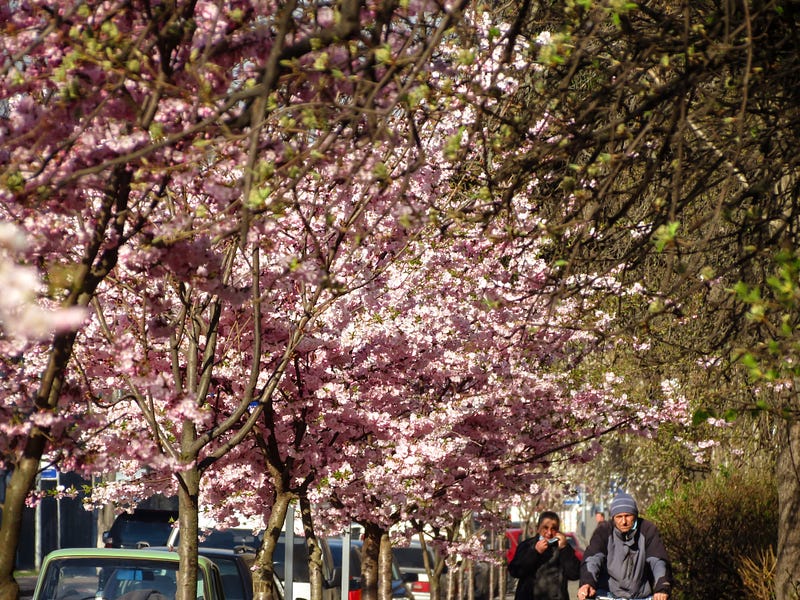
I suppose you, my readers, won’t visit Vinnytsia soon, so I avoid creating a map and only shall list the main places. The most holistic alley is on Vasyl Poryk Street. It was at a 5-minute distance from my then office, but again, I found them out only while in lockdown.
They were incredibly gorgeous in the soft morning light. And no crowds of other people at such time.
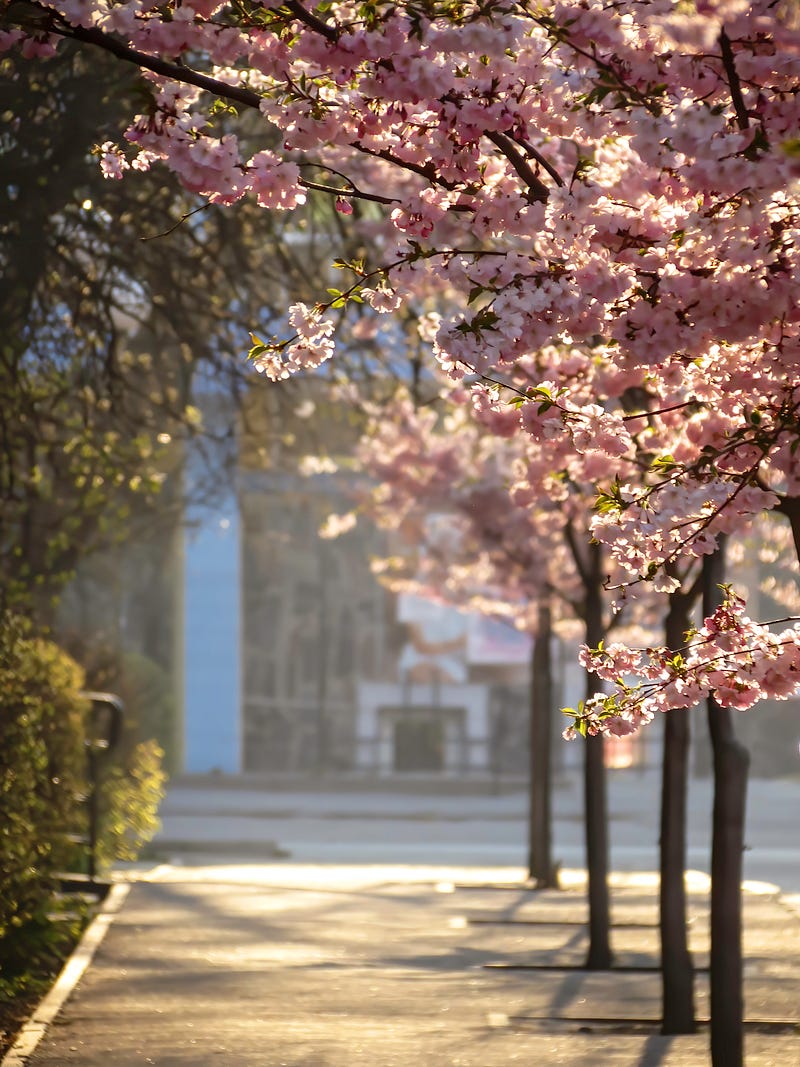
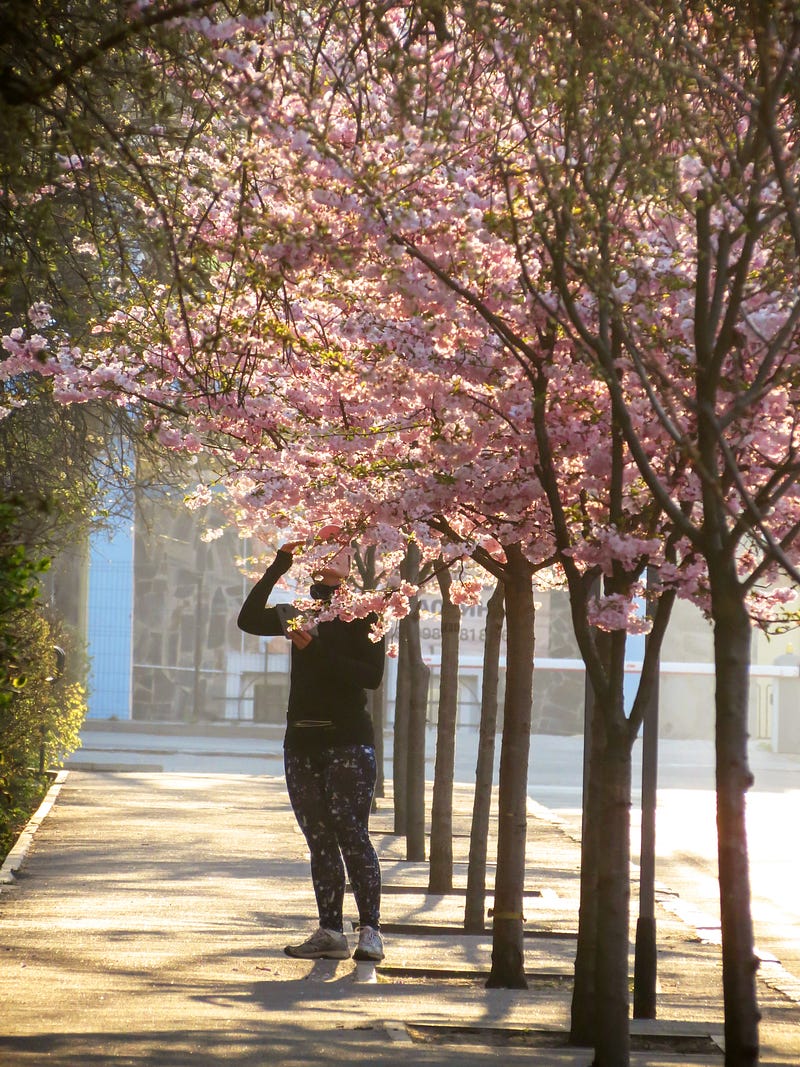
Veeery pink:
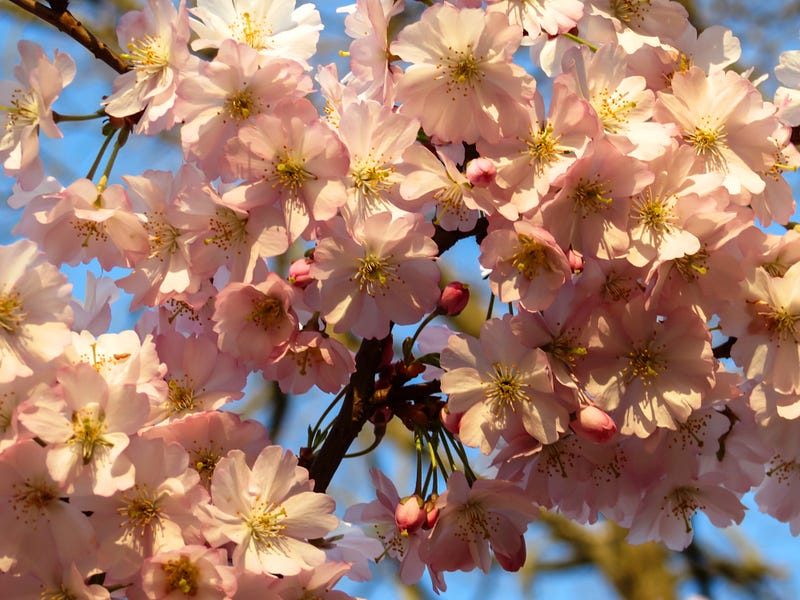
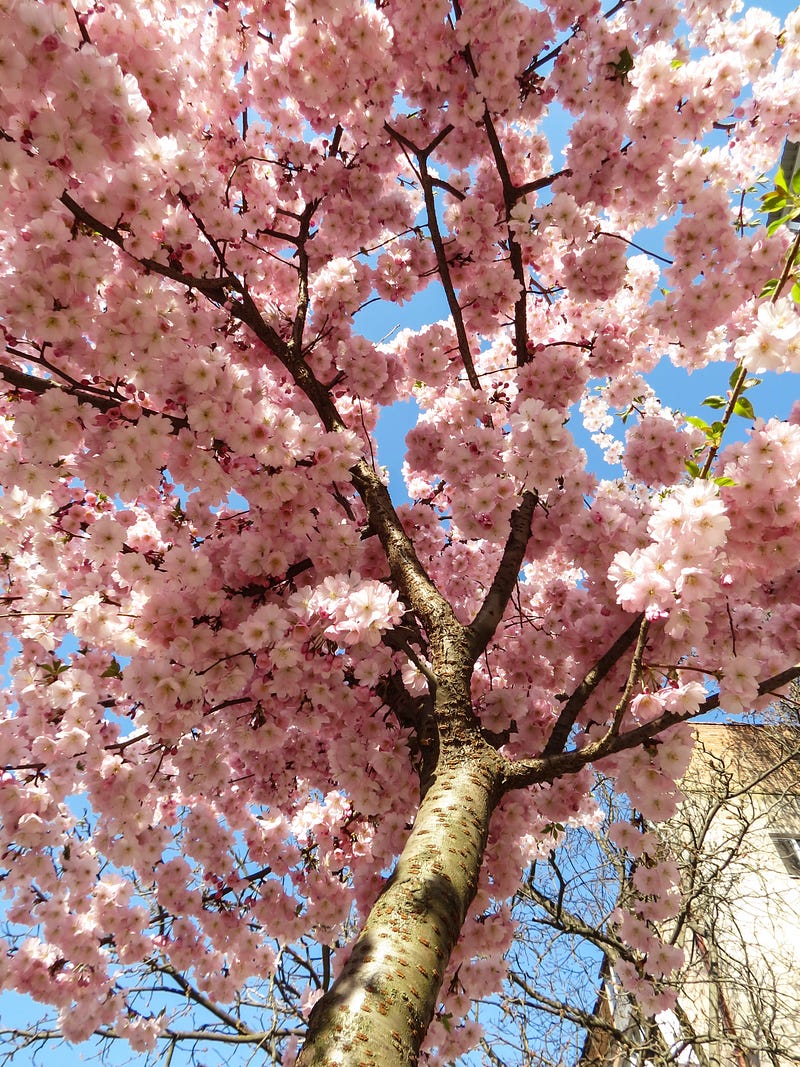
Tense quarantine faces:
The second place is near the Monument to victims of the Chornobyl tragedy. This alley was planted in Days of Japan in Vinnytsia; the Japanese ambassador also participated in the ceremony. It’s logical because Japan has its historical nuclear pain.
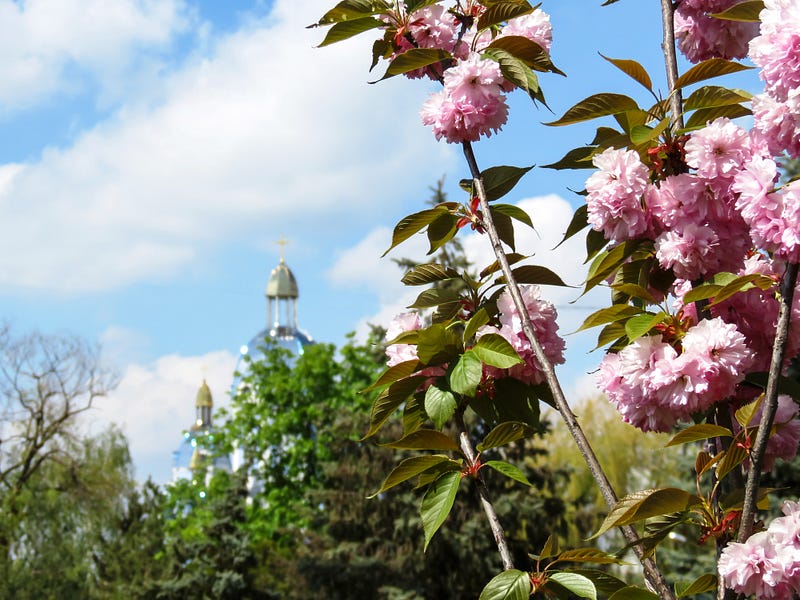
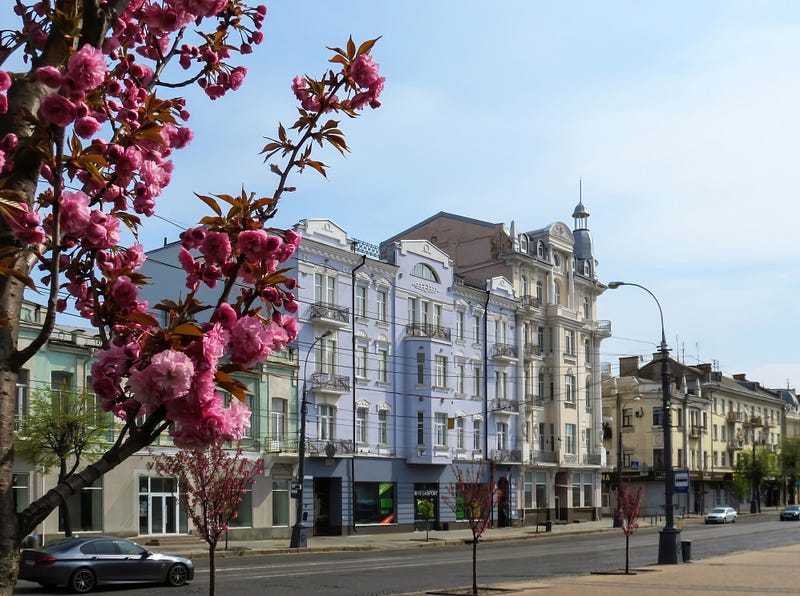
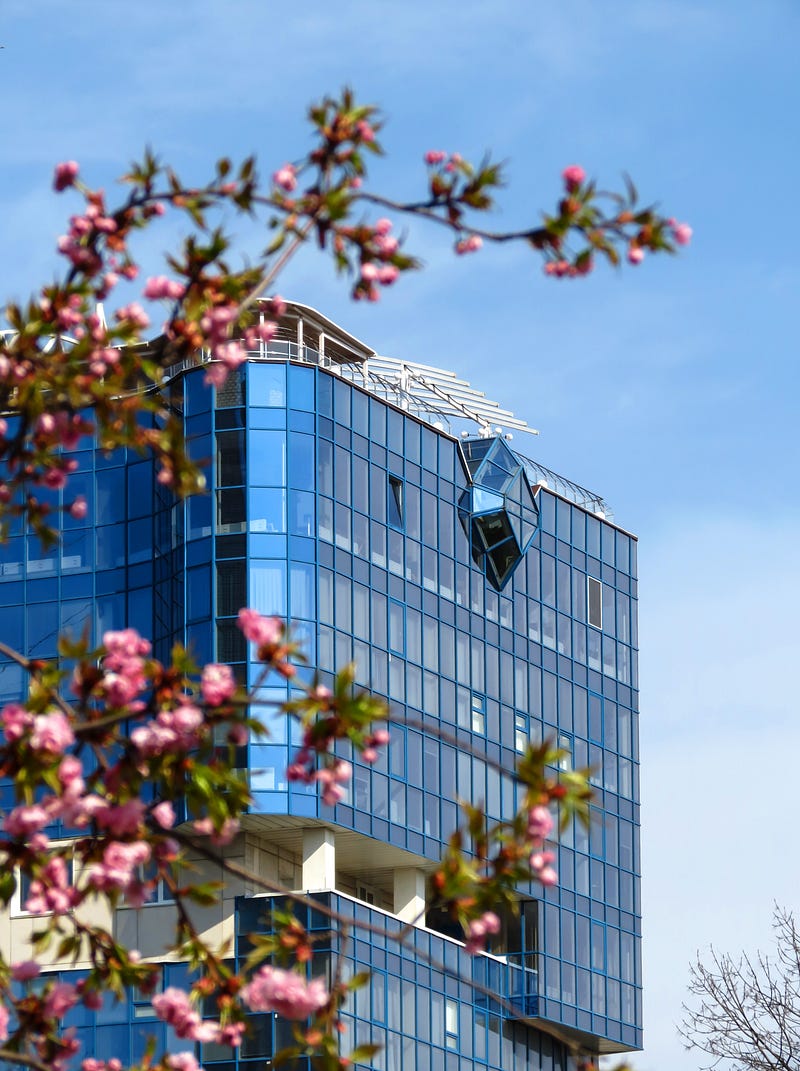
A few Sakura trees are in the city center: Independence Square and European Square. Here it’s easy to combine them with architectural monuments: hotels “Fransua” and “Savoy” and the water tower.
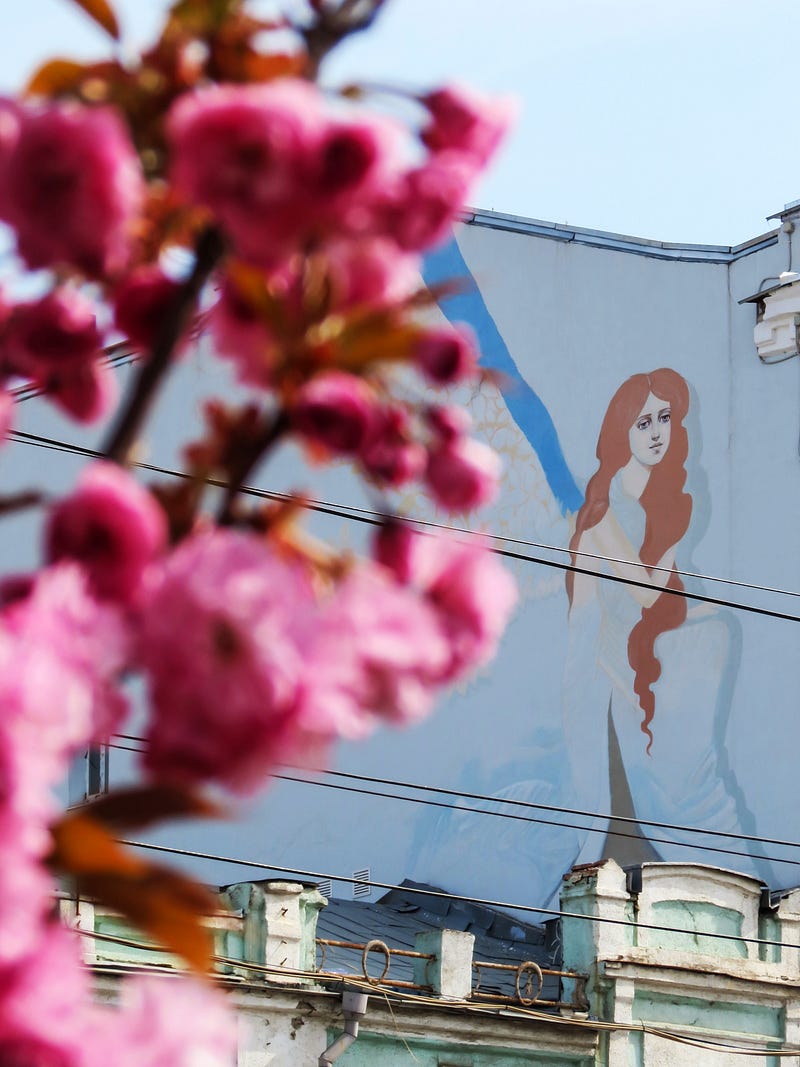
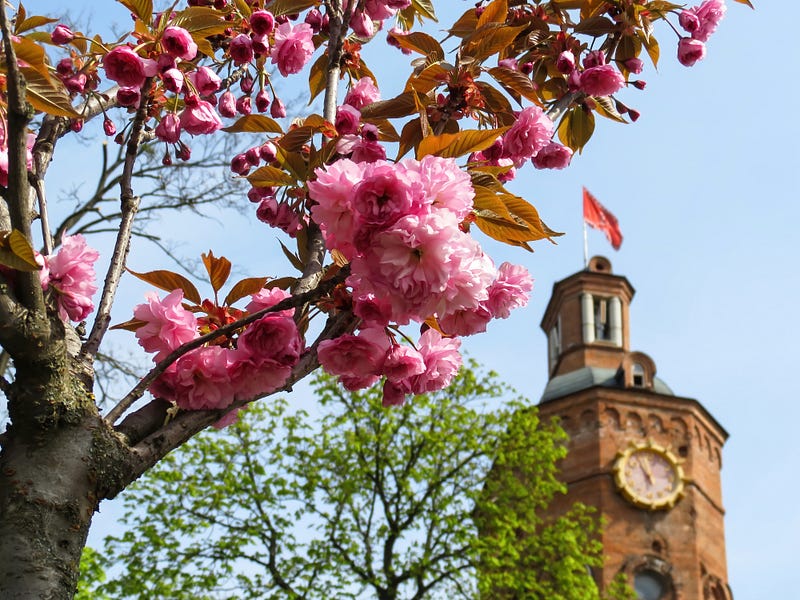
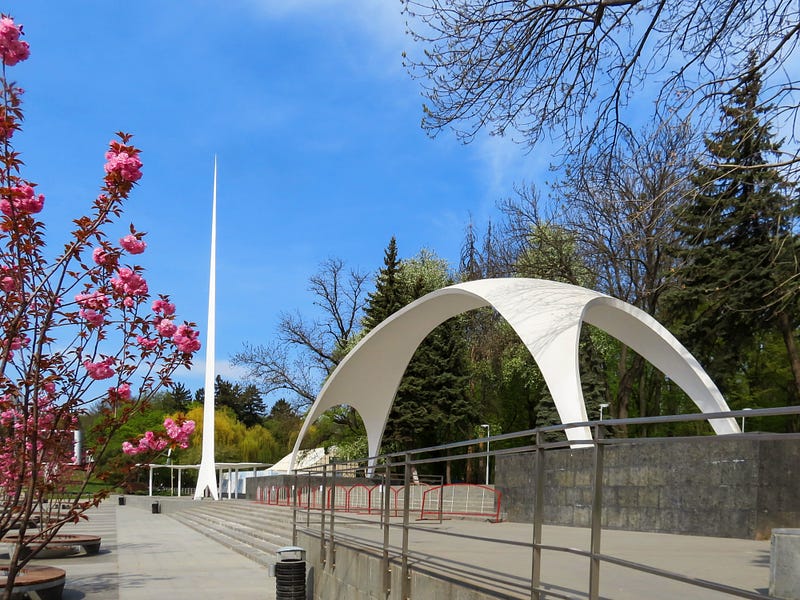
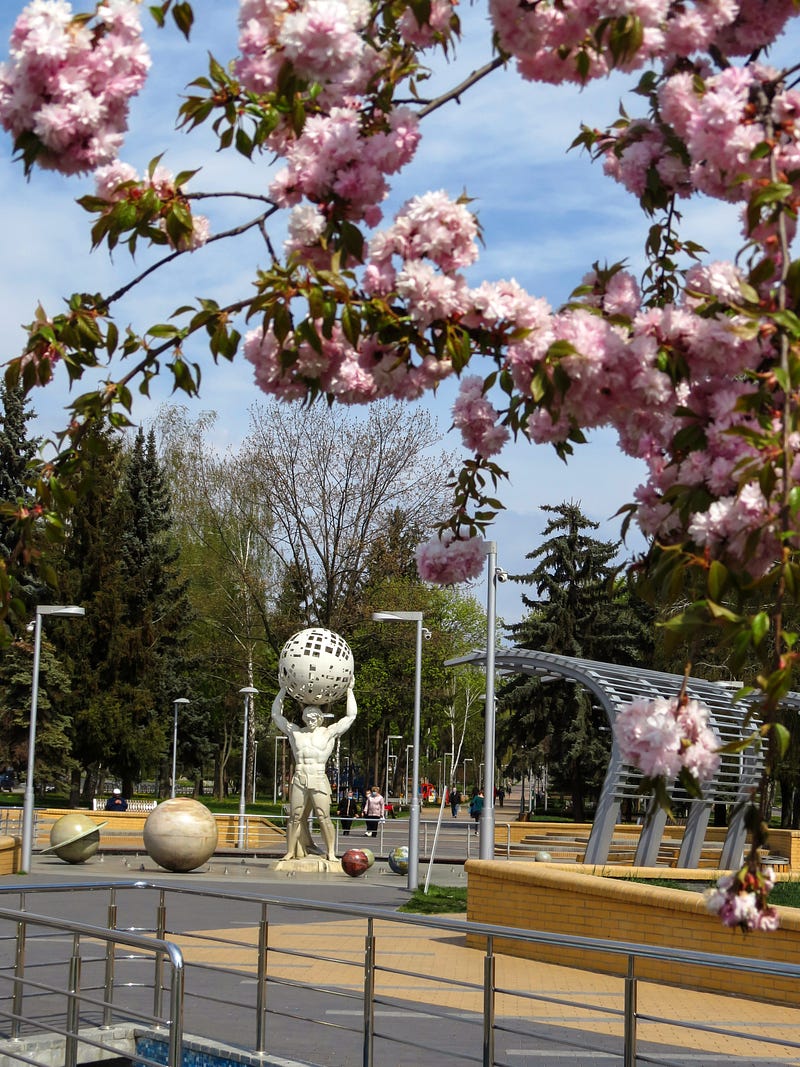
Trees in front of the arch of Central Park. And fences — we had to be afraid of viruses in the park!
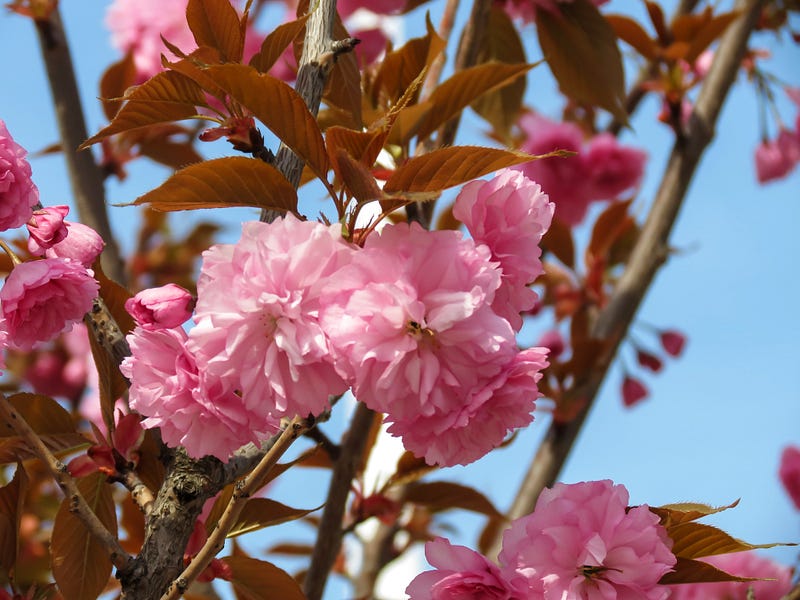
I’m closing the Sakura theme in my neighborhood near a fountain. They were also on the following two crossings, but I overdid them already.
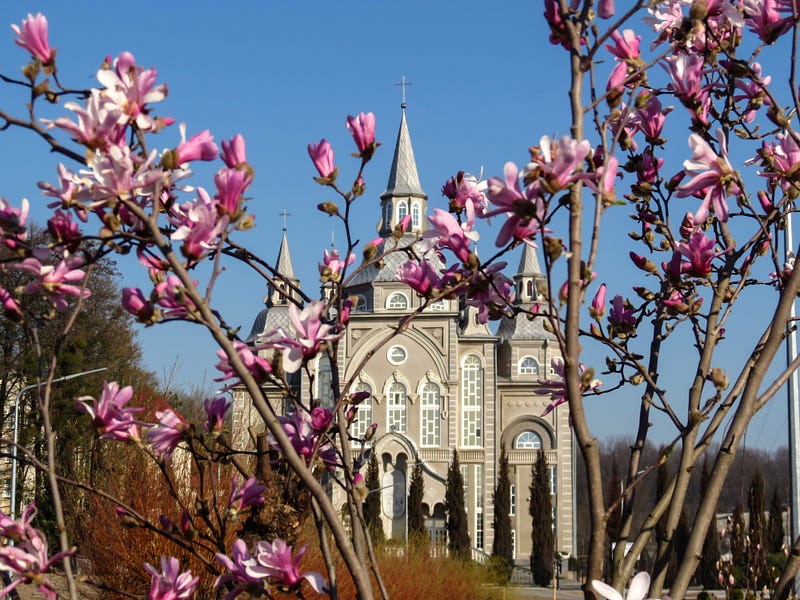
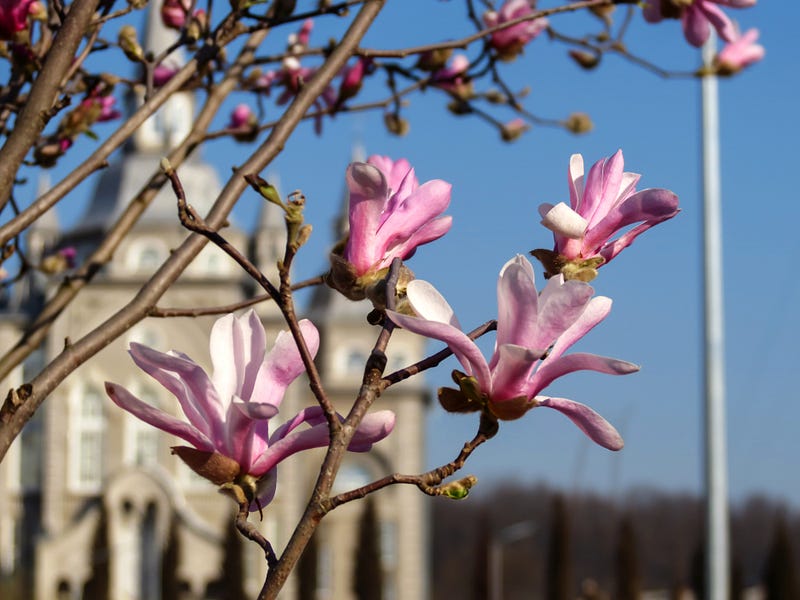
Moreover, magnolias were ready to take up the torch. The first ones blossomed near a Baptist Church on Khmelnytsky highway. The church looks like a toy castle on its own, even more so in such edging.
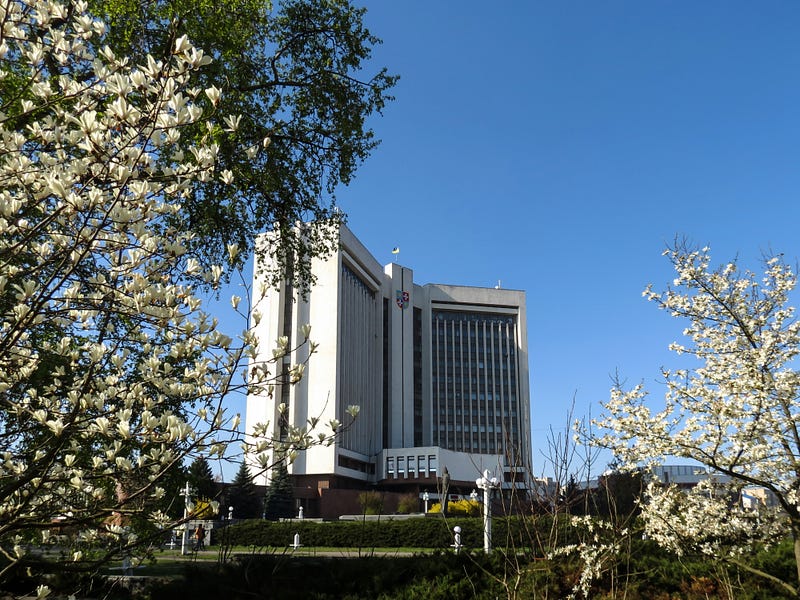
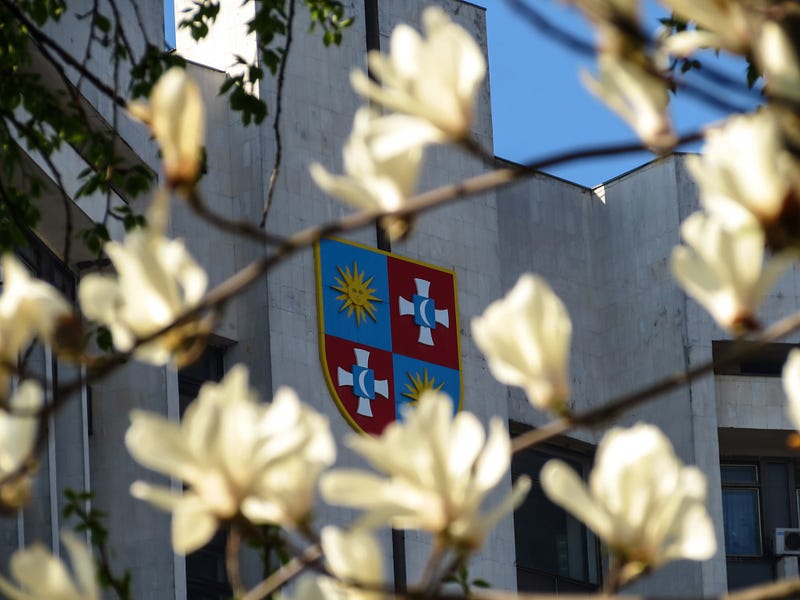
Other magnolias were an excellent background for the regional council and theater.
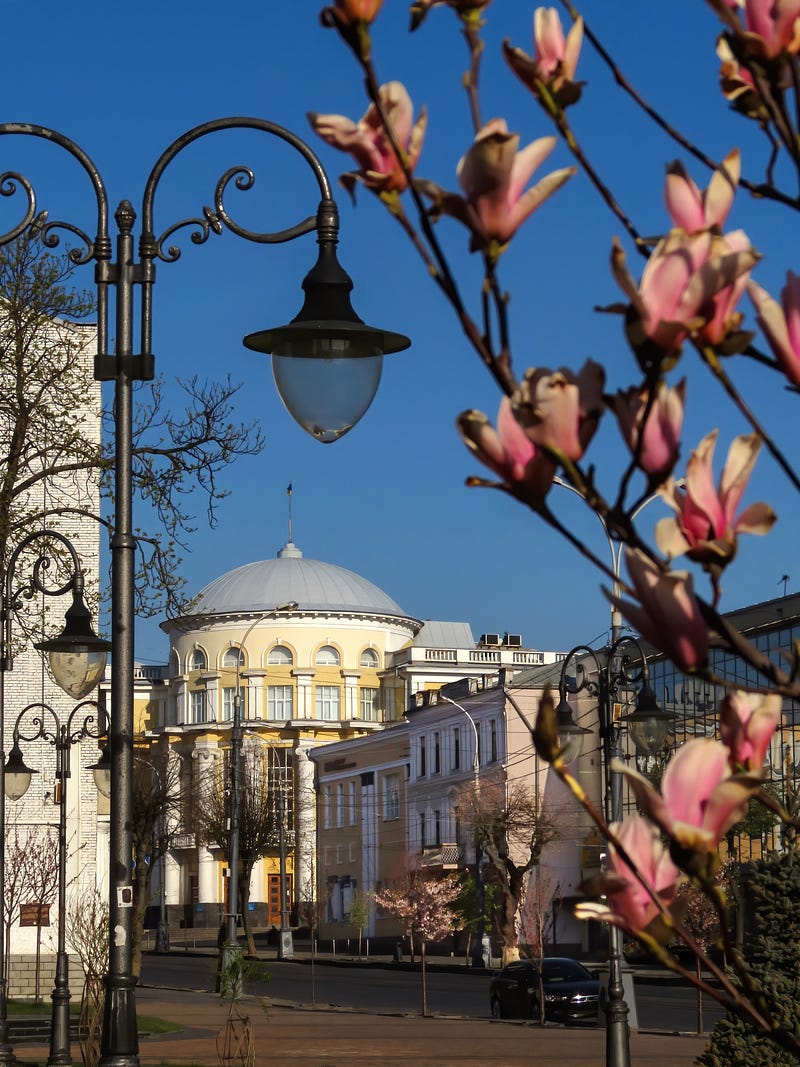
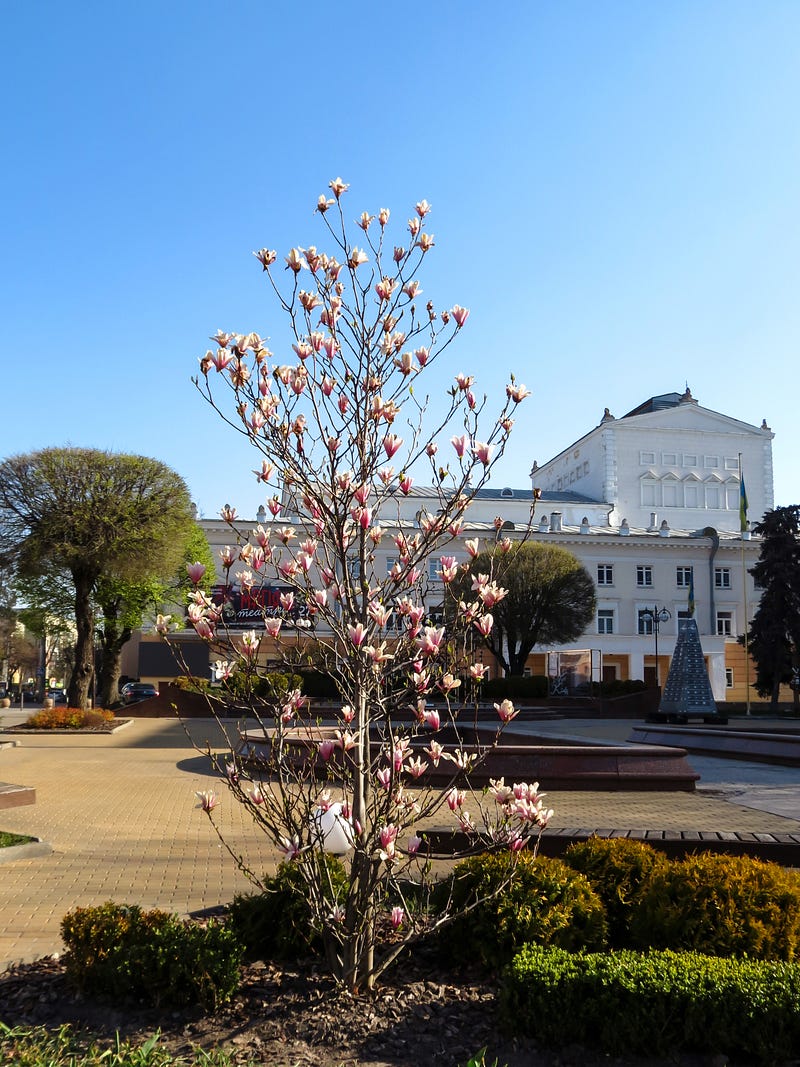
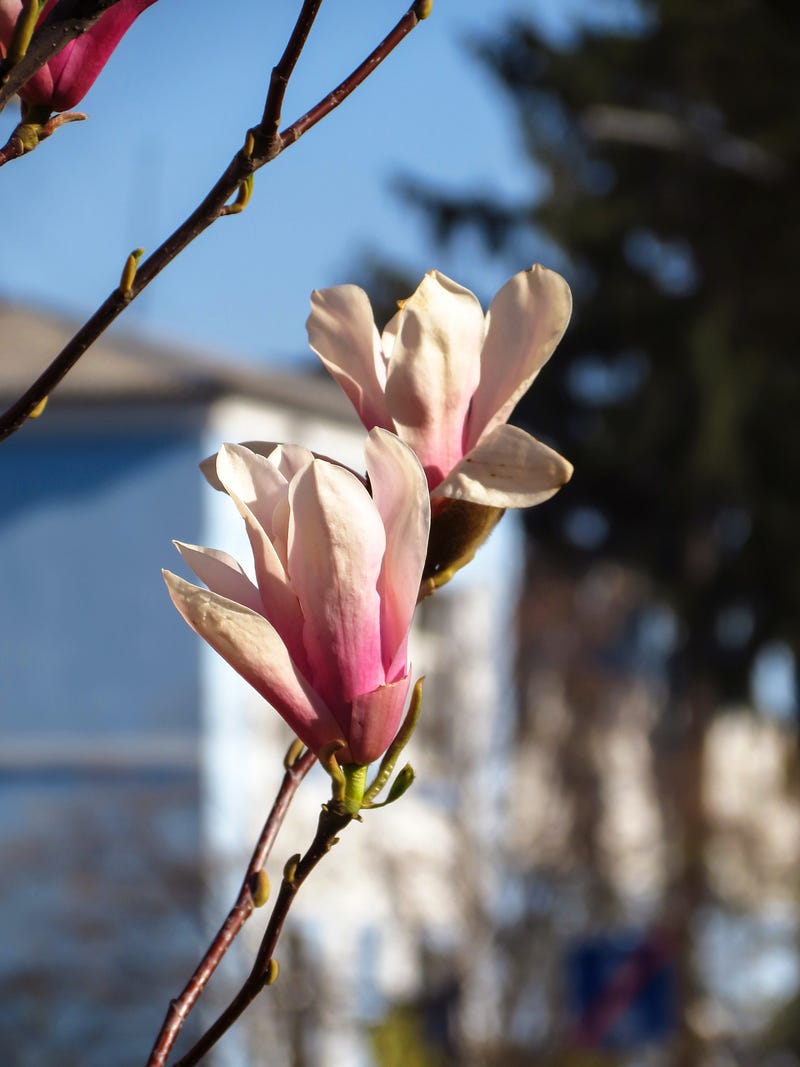
Let’s go to Khmelnytsky highway again, to its beginning.
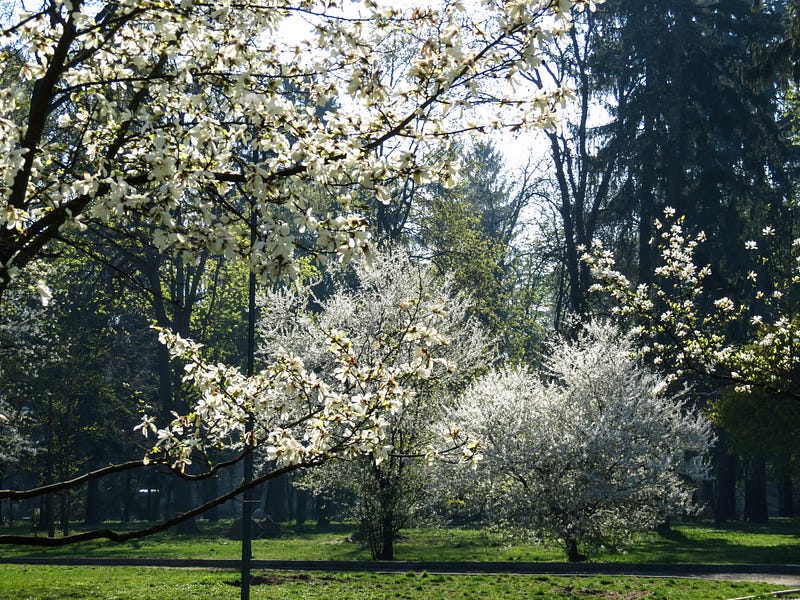
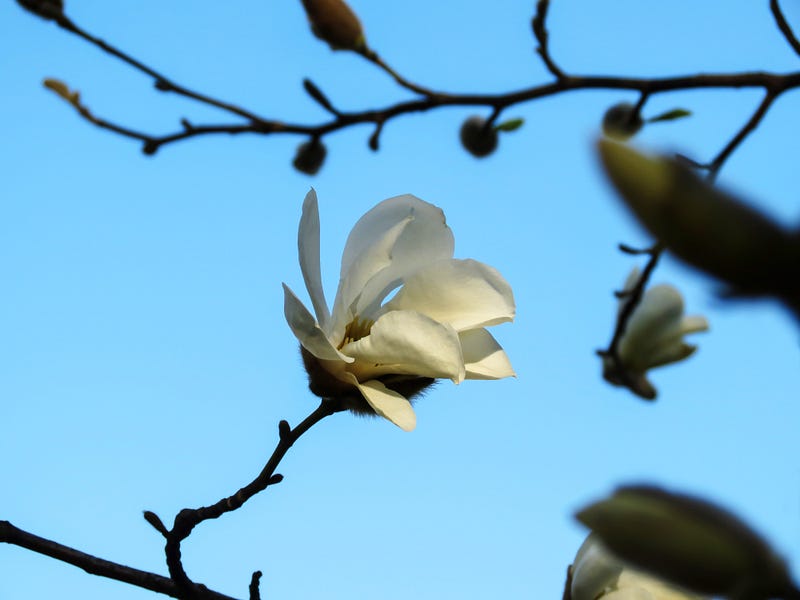
These magnolias are the biggest and have white flowers matched with the blossoming of other trees. They decorate “Knyzhka” (“Book”), which is an administrative building of particular architecture.
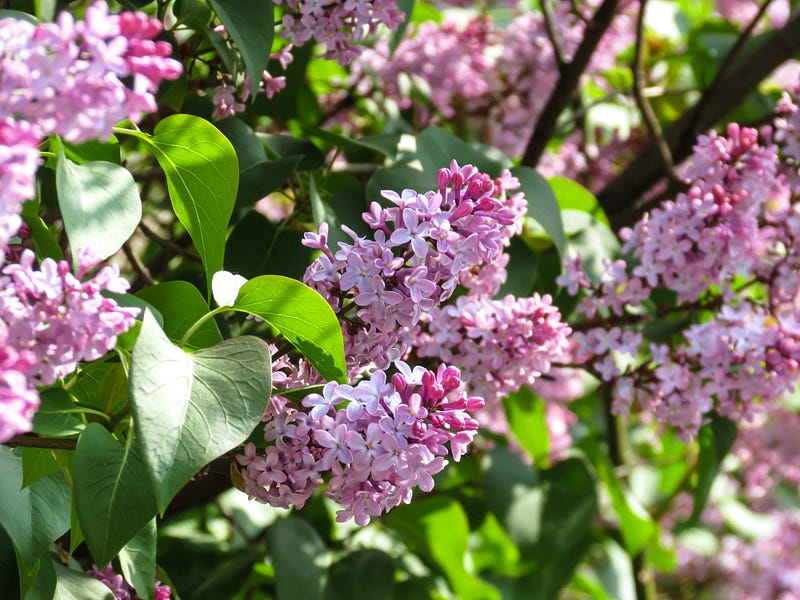
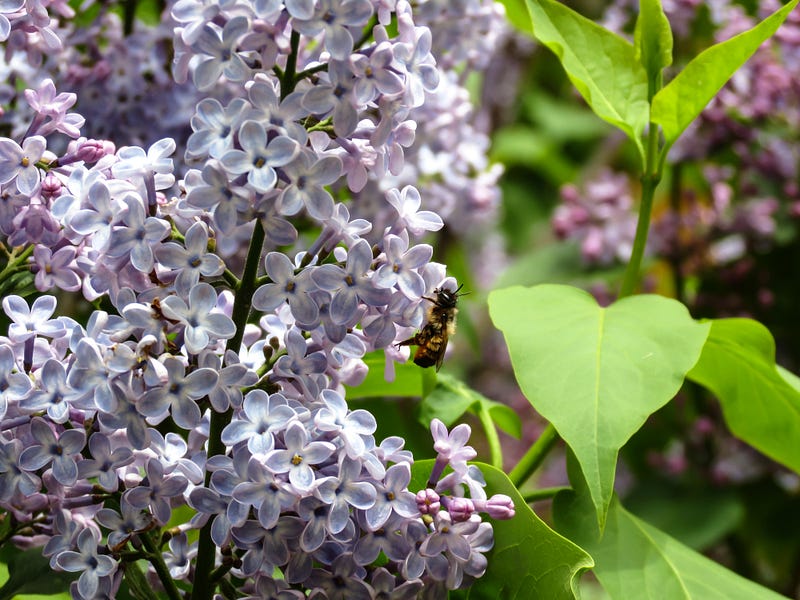
Lilacs supported the company later than all.
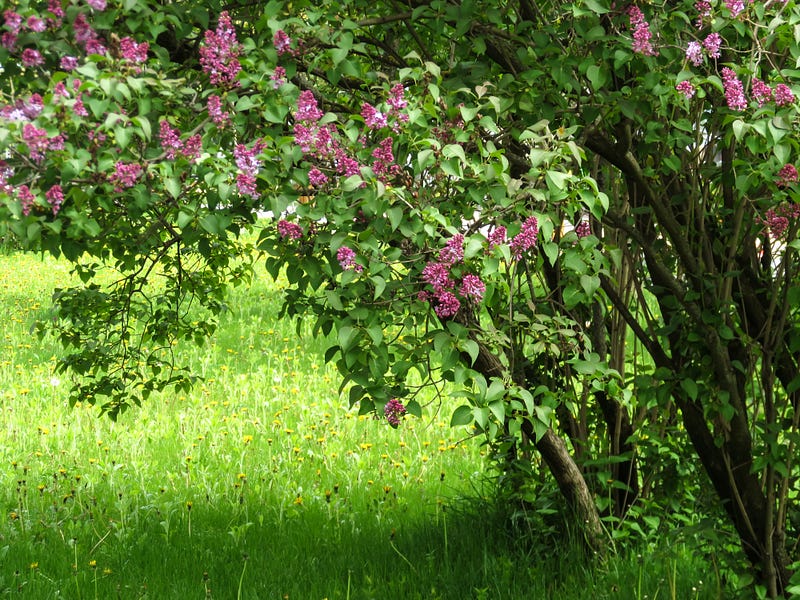
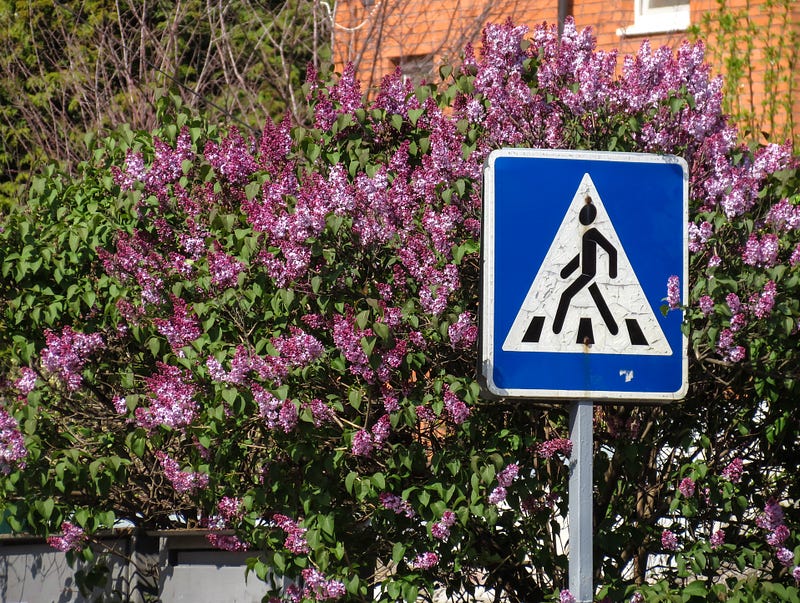
Eternal worker:
It could be the end, but…
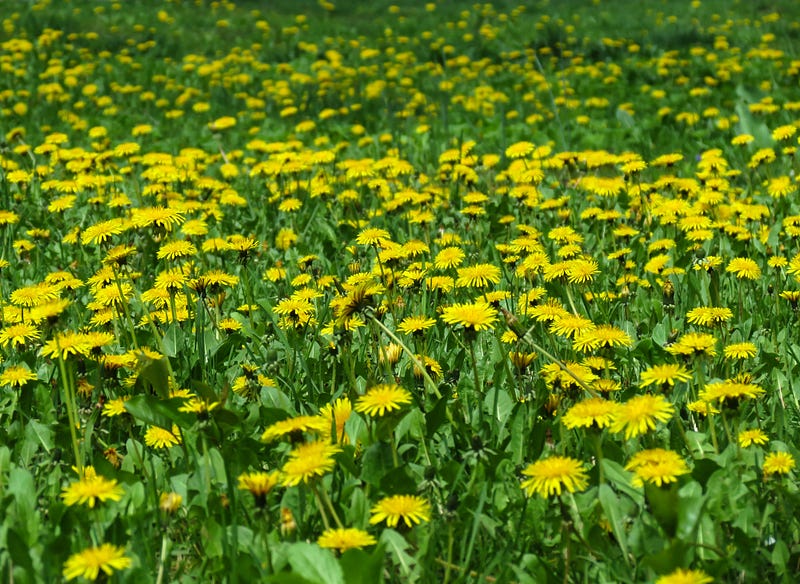
I had 47 photos of snowdrops, a dandelion field, eight places with Sakura trees, faded Eastern pasqueflowers, and a whole galaxy of apples, apricots, and cherries… Also, three areas with magnolias, 180 Mbytes of lilacs, and a Chinese quince when I didn’t even know what the hell it was. Not that I needed all that, but once you get locked into a serious flower collection, the tendency is to push it as far as you can. The only thing that really worried me was the tulips. There is nothing in the world more helpless and irresponsible and depraved than a bearded man taking photos of tulips, and I knew I’d get into that rotten stuff pretty soon.
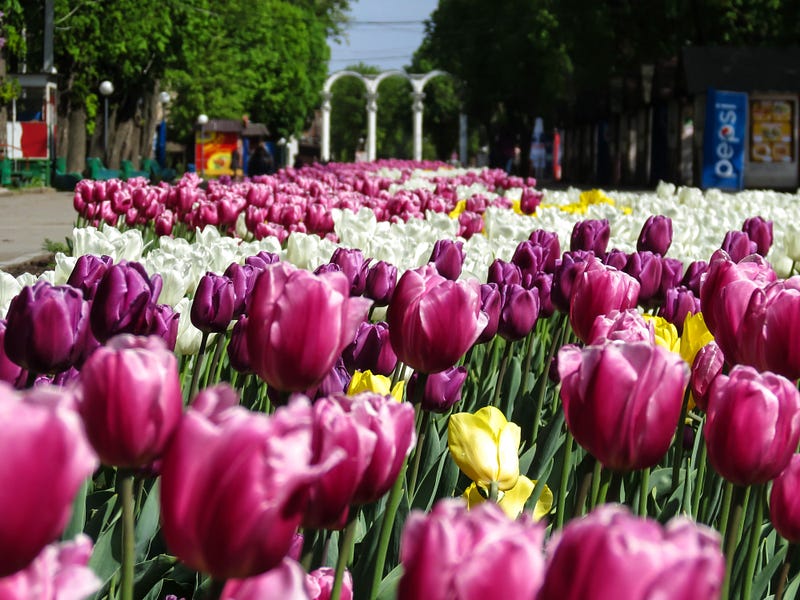
So, at once 40,000 tulips from the Netherlands were planted in Central Park. The city government even planned a festival related to them, but all were canceled for obvious reasons. In the following years, I didn’t see our park so handsome.
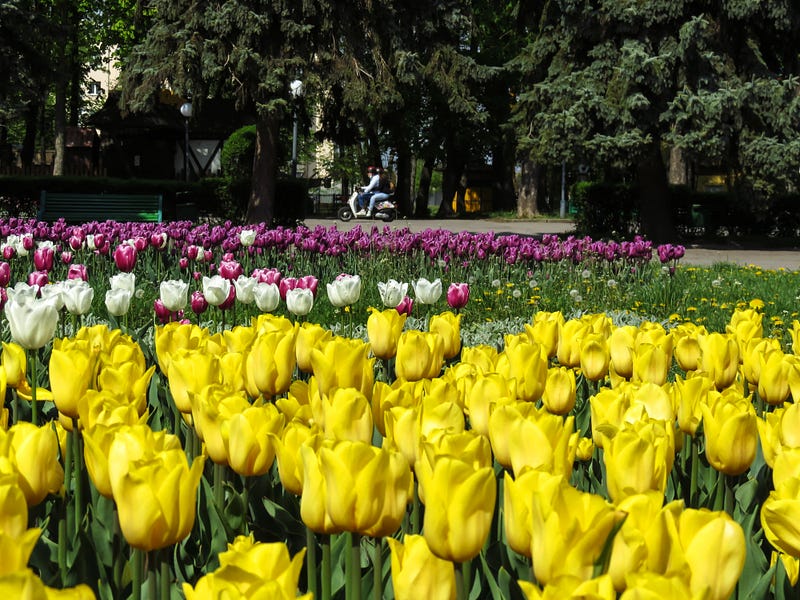
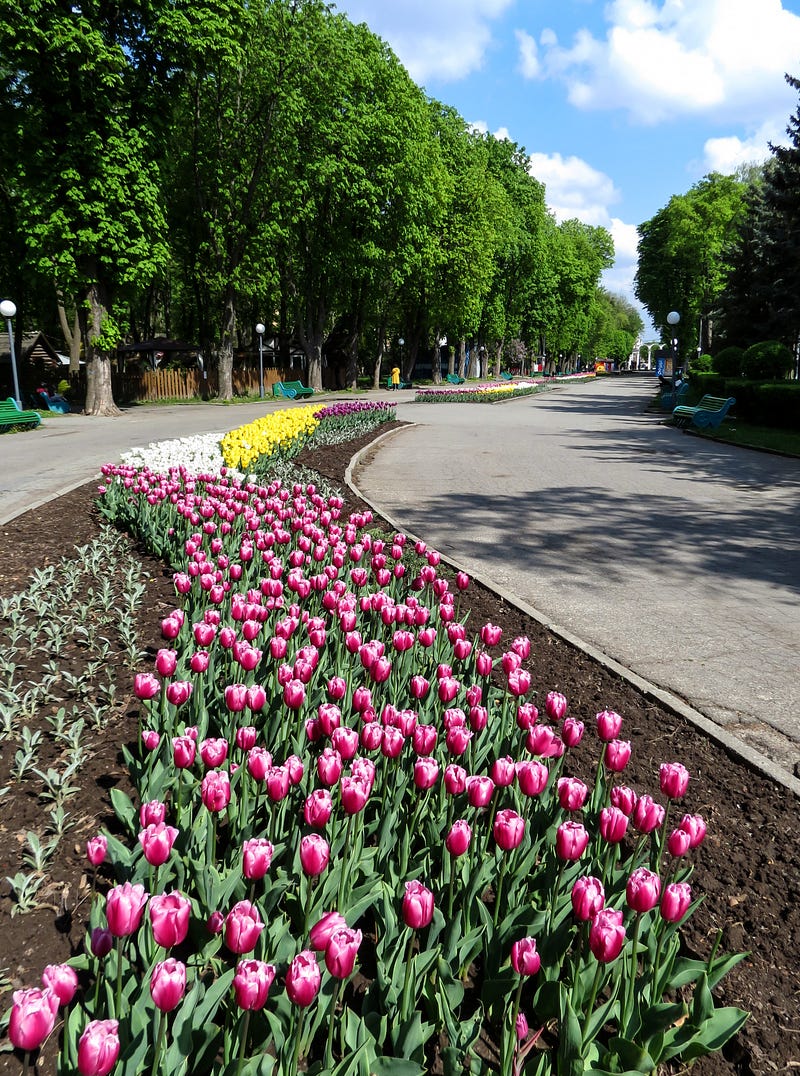
The piquancy of the situation was that there was forbidden to visit parks at that time… Grown men come in the park and don’t leave alive, as was said in one of my favorite films. So one day, I passed by and found out that people were walking in the park and even didn’t fall dead because of the virus… and I joined them.
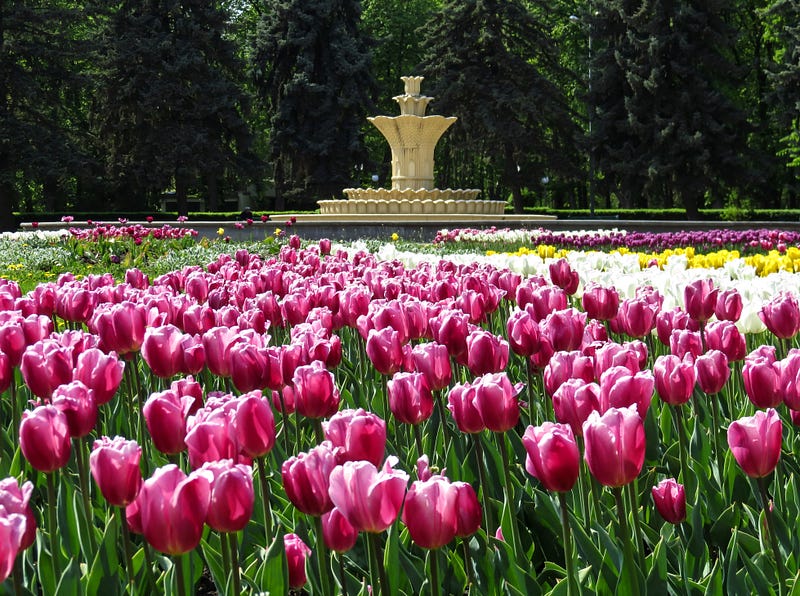
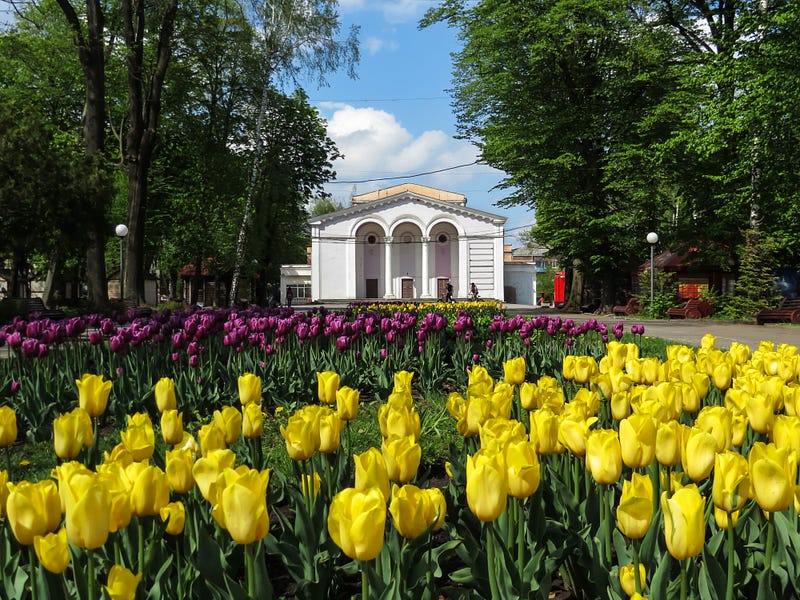
Thus it turns into a small “flowered” guidebook inside one city. I’m thankful to have the ability to have a place to travel inside it when almost all travel was prohibited.
And I’m grateful to Globetrotters for this challenge.
Flowers are beautiful everywhere, but they should be exceptional in the desert (story by Anne Bonfert).
They are so vital that they have become a part of people’s culture (story by Kim Baker).
If you don’t want to miss out on my new stories, you can subscribe to updates on my blog. If you appreciate my photos or tellings, you can buy me a coffee.
While you’re reading this text, Ukrainian people are dying from russian attacks. You can support Ukraine defenders and save lives no matter where in the world you are.


