
Five Popular Books That I Hate With a Passion
What does it take to write a book that’s worth reading?

Books are not created equal. Though a good story combined with quality writing and excellent marketing can tip the scales towards a positive outcome, nothing is a given. It’s impossible to tell which books will be reader favourites and which will vanish into obscurity.
Some amazing books get no recognition, and some terrible books get more attention than they deserve.
Now, I’m not saying the books on this list are terrible — it’s a matter of taste. All I’m saying is that they came highly recommended, yet reading them made me want never to read another written word again for fear of suffering this kind of boredom anew.
But even books you don’t enjoy can serve an educational purpose.
The Hobbit by J.R.R. Tolkien
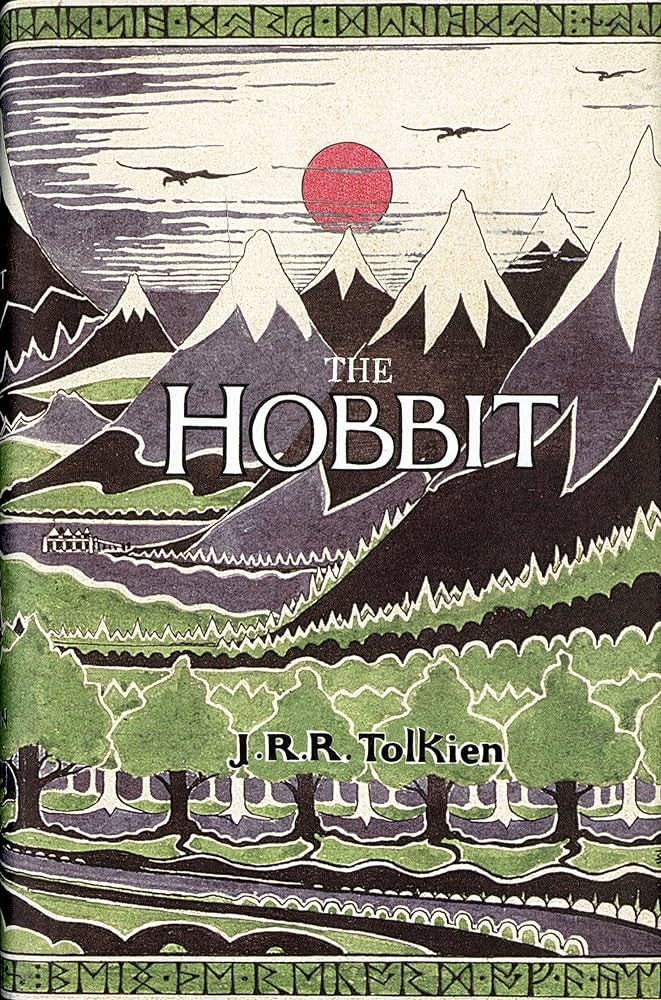
Tolkien was first and foremost a philologist, someone who studies the history of languages, and had a historian’s mind.
He had more interest in exploring this world’s history than he did in crafting an immersive story.
Reading should allow people to live vicariously through the characters. But reading this book was like listening to someone tell a story. Instead of letting me experience the characters’ emotions, the narrator told me who was happy, sad, confused, and left it at that. It made it impossible to become emotionally involved and meant that, even after characters started dying, I didn’t care.
Other than Gollum, who earned himself some pity, I didn’t connect with anyone.
You’d think that with such strong character goals as reclaiming one’s home from evil, the plot and character journeys might have held my interest, but no.
There’s no feeling of urgency, not even in the action-packed scenes. The plot meanders; the characters encounter random, unconnected obstacles and often succeed solely because of fate and prophecy.
And where are the stakes? I wanted to know what the characters would lose if they failed. Not their lives — that’s basic and boring. Failure should be life-altering, crushing, and destructive. Only then does success mean anything.
I sometimes skipped entire pages because the narrator and characters go on and on about certain things that I have no interest in. This world, which reads like a detailed thought experiment, is not so fascinating to me that I’m curious about its history. Especially not when it’s conveyed in such a monotonous way.
I understand why people would love this book, especially those who read it at a young age. The books we loved when we were young are magical and beyond reproach, and had I read this as a child, I might have liked it more. Unfortunately, as an adult, its charms are lost on me.
Lessons learned:
- Passion is contagious. If you love the world you’ve built, others may love it, too.
- There is such a thing as too much world-building, but the more details you throw in, the more you give readers to analyse and obsess over.
- If you’re going to write a hero’s journey plot, link the adversaries to each other or to the heroes’ goal so that the middle doesn’t seem so random.
- Characters and emotions are everything. Make readers care about the characters and give the characters’ goals stakes.
This Is How You Lose the Time War by Amal El-Mohtar and Max Gladstone
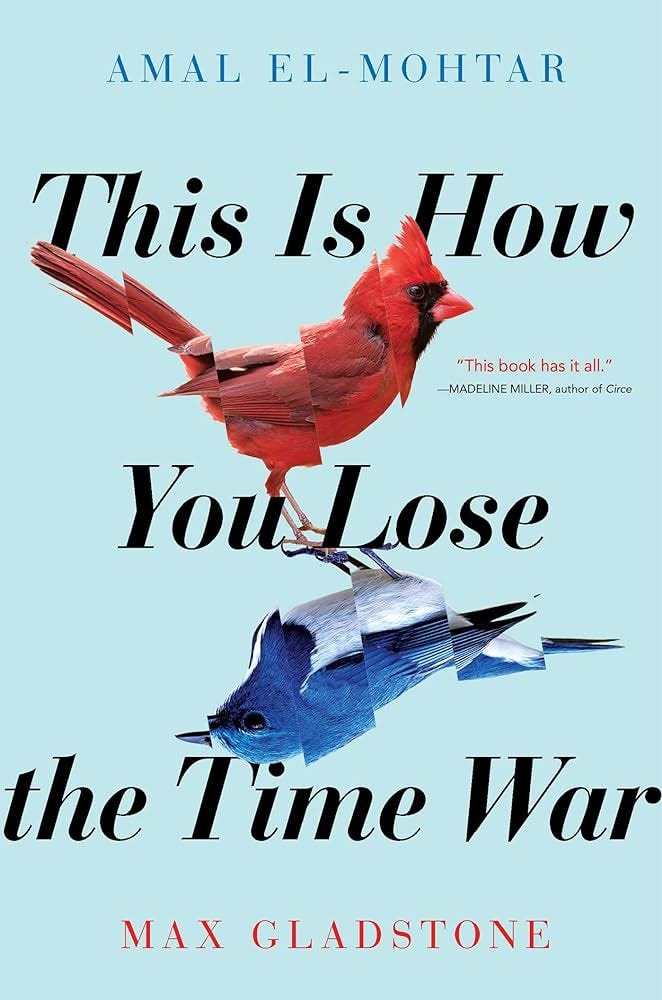
How does a book with this title manage to be so dull?
It’s only 200 pages long, yet the three hours it took me to read it felt like a life sentence in purgatory.
People say this book is poetically written — it isn’t. There is a difference between beautiful writing and stringing words together in a way that only makes sense if you dissect every sentence and carve out the extensive purple prose. It is easier to read the entire works of Robert Burns than it is to slog through this mess.
From start to finish, it was a struggle to figure out what was going on. There’s no context or detail, nothing to make me care about the characters or what they’re doing. Everything is so vague as to become forgettable, and settings and scenes get lost in the blur and randomness.
The characters aren’t fleshed out in any way that matters. They are neither intriguing nor relatable, and I didn’t care a bit for either of them. The only hope I had was that they’d die quickly so that the story would end.
A side-effect of this dislike for the characters is that I didn’t believe the romance, which is a huge failing for a book that promises an epic love story.
Lessons learned:
- Simplicity is not overrated. You can write stunning sentences without relying on adjectives, similes, and utter nonsense.
- Though readers love playing the investigator and figuring things out on their own, it’s only fun if it’s not constant and has a good payoff.
- Ground readers in your story. Spend time in each important scene and make the details pop so that your plot points are unforgettable.
- No matter how grand your plot, if your characters aren’t interesting, it won’t be a story worth reading.
A Clockwork Orange by Anthony Burgess
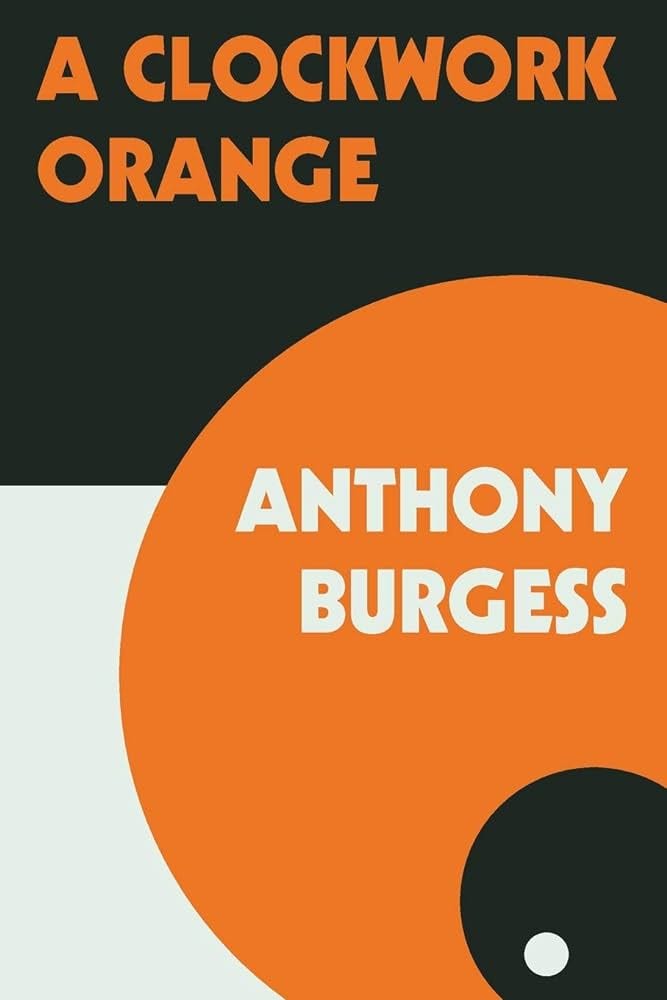
Though impressively written and covering some fascinating topics, this book is so far from subtle that every other sentence feels as if it’s slapping you in the face with something, whether it’s totalitarianism, criminality, incarceration, freedom, or free will.
I say “every other sentence” because it takes such effort to understand the other 50% because of how they’re written.
I understand the amount of skill required to use slang like this, but it takes a while to get used to. Though it is surprisingly easy to understand with context, I had to read most pages twice, at least at the beginning.
One advantage the strangeness of the language has is that it masks some of the violence. The characters in this book do many awful things. It’s not gratuitous on the author’s part; he is trying to make a point, but that doesn’t make it any easier to read. Especially when one of the points he’s trying to show is dumb.
The connection he makes between violence and youth is rot. It’s a gross generalisation that disregards causation and so makes a major aspect of this book lack depth. His field of insight was too narrow and too rigid.
I find the violence of men, which overpopulates this plot, boring.
In dystopian stories especially, violence, notably in men, is treated as something inherent, and I am tired of that narrative.
Lessons learned:
- Messages have more impact if the recipients — in this case, readers — reach the conclusion on their own.
- Artistic choices will not appeal to everyone, and will sometimes make your writing difficult to read.
- Explore your book’s message fully before you start writing. A lack of depth in this area will disappoint readers.
- Not every book is designed for a large target audience, and you shouldn’t try to please everyone, but take into account who your readers are when you write.
Into the Wild by Jon Krakauer
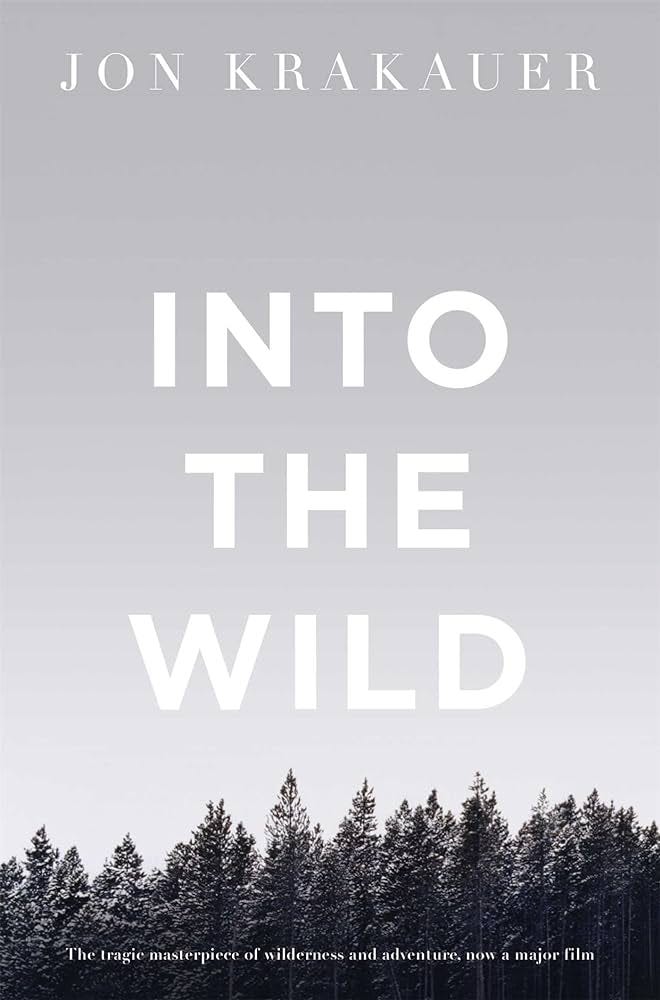
Krakauer put a lot of impressive investigative work into this story, but through it all, fails to say anything new. Hence all the quotes and excerpts from better writers.
His descriptions of locations are awful. He has a great love for stuffing as many adjectives into each sentence as he can, and fails to paint any pictures with them.
He also fails to make a point that isn’t a confused mess. This book’s best message — the fact that relying on others and belonging to a community is the best/only way to live — seems to come about by accident without Krakauer being aware of it.
Community is how McCandless survived as long as he did and seems to be the conclusion he reached at the end of his grand adventure, but the author lacks the emotional maturity to figure it out.
Though Krakauer greatly admires McCandless, he fails to make me admire him because he keeps forcing the same information, often said in the exact same way, down readers’ throats.
There’s also a lack of feeling. Obviously, it’s difficult in a biography, but every experience and emotion feels so secondhand that it isn’t interesting.
Lessons learned:
- Readers want to hear what you have to say, so don’t waste their time or yours repeating verbatim what’s already been said by someone else.
- Start writing with a point in mind, or at least edit with it there so that your writing seems purposeful.
- No matter how important something may be, don’t repeat it so often that readers become sick of hearing it.
- Secondhand emotions, which all emotions in writing are, are only worth something if they’re so intimately described that they resonate with readers.
Stardust by Neil Gaiman
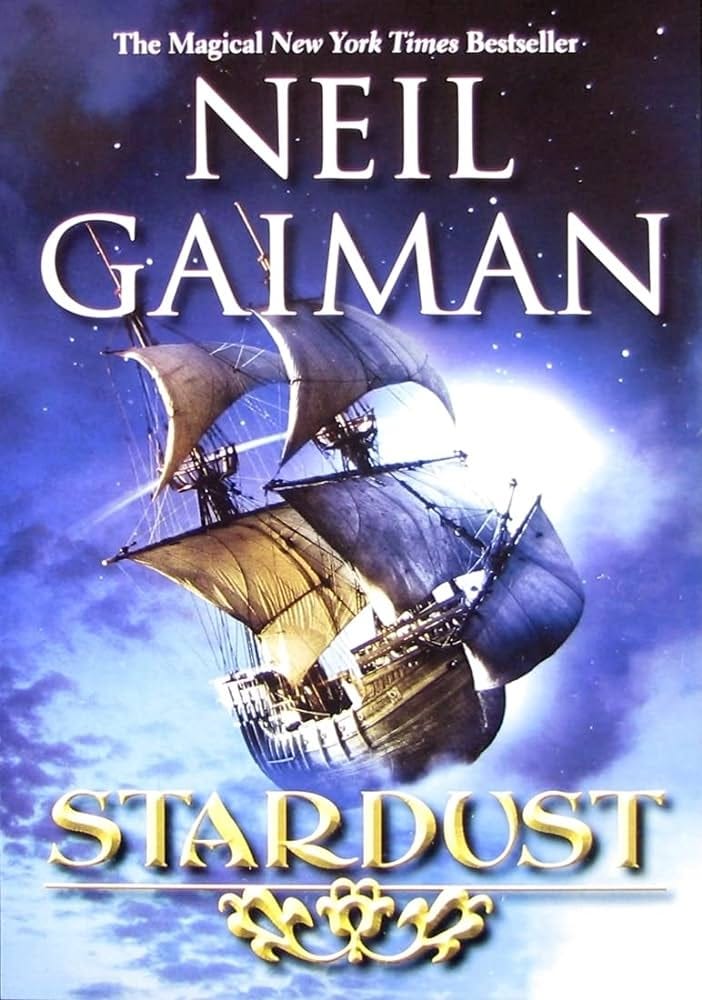
Neil Gaiman appears to have forgotten in writing this book that a story needs characters that are, if not likeable, then at least interesting.
Tristan is stupid and repulsive, and his bad behaviour is forgiven by everyone. Yvaine gets next to no characterisation. What she does have has no depth, and the ending throws two new traits on her that weren’t hinted at in the rest of the book.
If I hadn’t watched the movie before reading the book, the romance would have made no sense to me. It comes out of nowhere and is so bland and without chemistry that it’s a chore to read.
The story has a lot of death but no tension. It rambles through moments that aren’t interesting and speeds through the ones that could have been. The ending doesn’t improve on that. There’s not even an attempt to make it exciting.
Not that the beginning is any better.
The first two pages describe a whole village and its surroundings. It’s long and dull and not how any story should begin. But the worst offence is that, despite that lengthy description, I have no idea what the village looks like.
Lessons learned:
- Character development is essential to a good story, but it needs to happen organically, not come out of nowhere.
- Figure out how to write romance well, even if it’s only going to be a subplot, or leave it out of your book.
- Tension is everything. If a fiction book doesn’t thrill readers, there’s no point to it.
- Descriptions are best when they’re short, active, and purposeful.


