
PORTUGAL TRAVELS
Finding Religion in Braga
They don’t call it the Rome of Portugal for nothing
I certainly don’t consider myself a religious person. I was raised Catholic but that’s where it ended. I do, however, consider myself a spiritual person.
So it all makes me wonder what really drives me to visit so many churches, cathedrals, temples, mosques, and synagogues when I’m traveling. I rarely enter a church when I’m home, except for weddings, funerals, and maybe a few photos. But when I’m on the road, point me in the direction of the nearest church. I’m sure my love of architecture, design, and art has something to do with it.
I knew what to expect in Jerusalem and Rome but there was one place in Portugal, that I had never heard of, that is one of the most devoted Catholic cities I have visited. No, it’s not Fatima. It’s Braga.
I saw a photo online of a remarkable church on a mountain in Braga that I decided I had to visit. It turns out Braga is the third largest city in Portugal, (Who knew?) and is known among Catholics as a devotional place. Its nickname is the Rome of Portugal.
There are about 35 churches in the city of less than 200-thousand residents. And the cathedral isn’t even the most famous one.
Braga is just a short, one-hour train ride from Porto in the north. And it’s easy to walk the 500 meters to the historic old part of town. Along the way are City Hall and the colorful municipal gardens.
The gardens are just outside the Braga Gateway, the Arco da Porta Nova, an eighteenth-century Baroque arch that leads into Braga’s historic district.
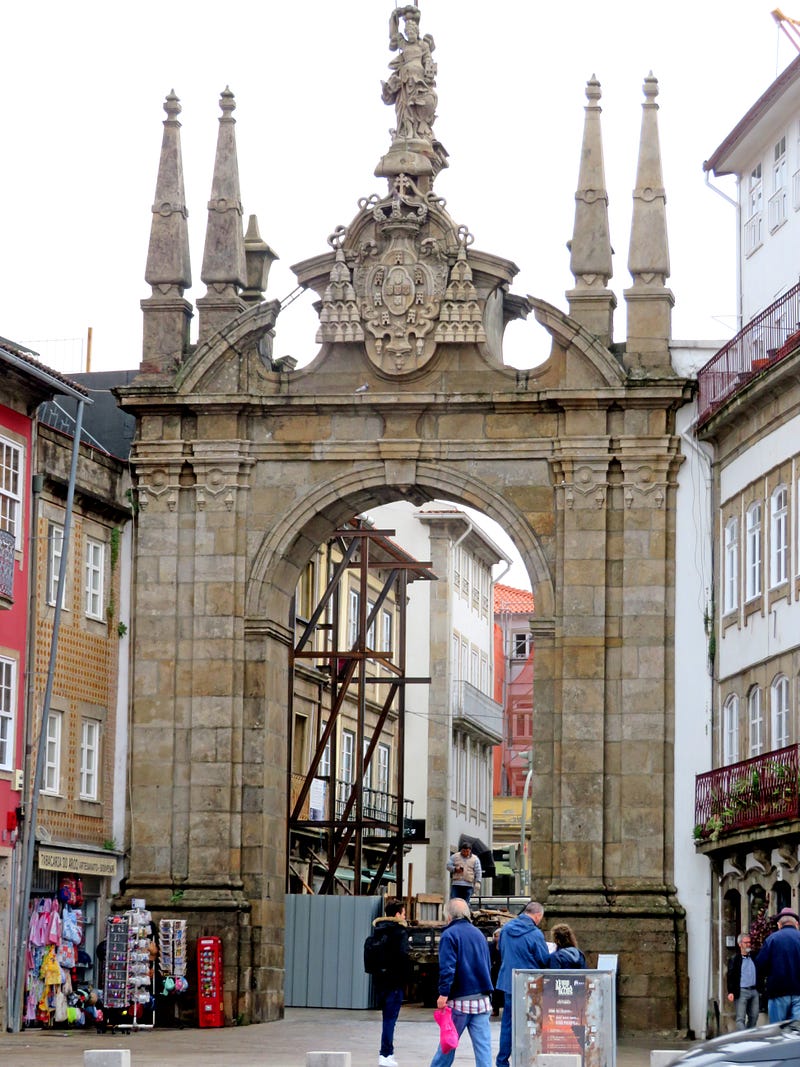
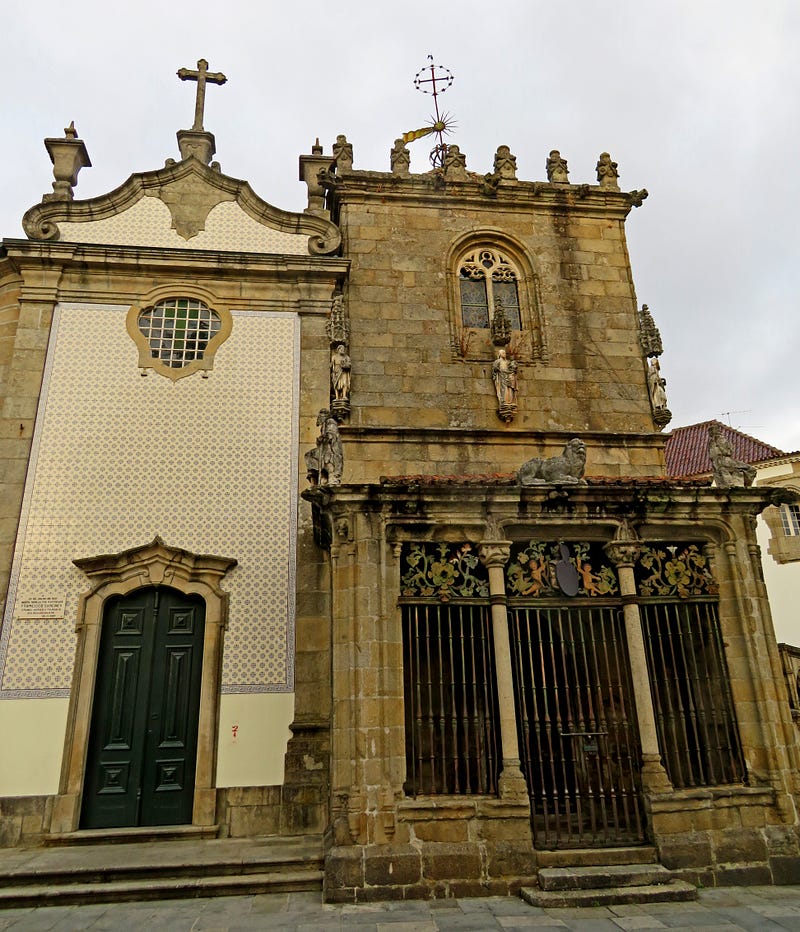
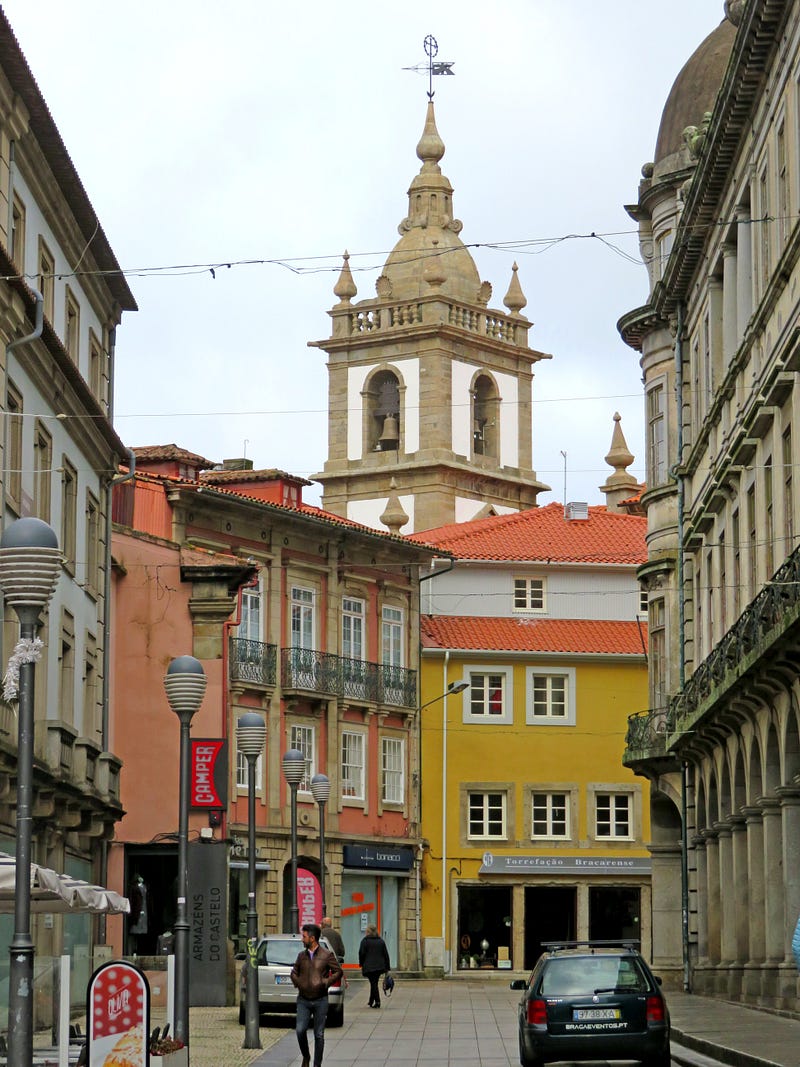
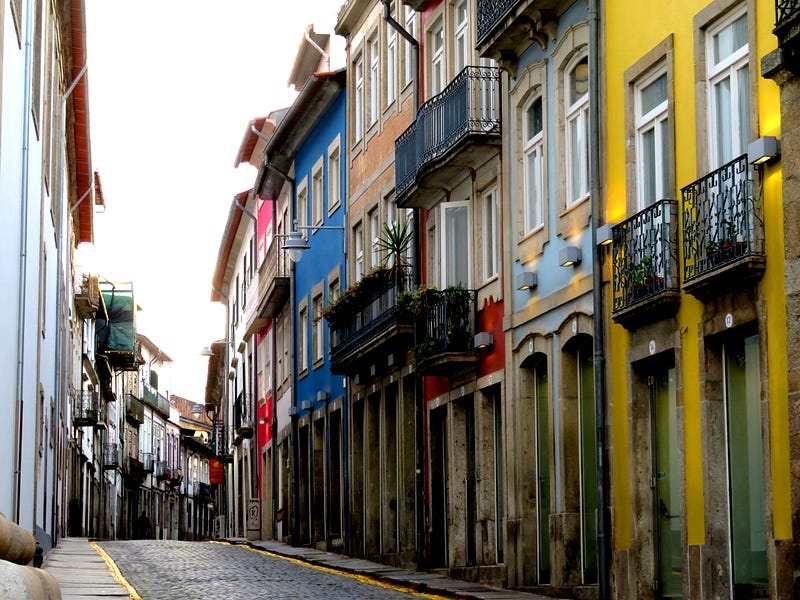
Old stone buildings stand next to colorful wood structures featuring numerous shops, cafes, and bakeries. I had to meander my way along the main streets as well as narrow medieval side streets before I could find the ancient Braga Se (Cathedral).
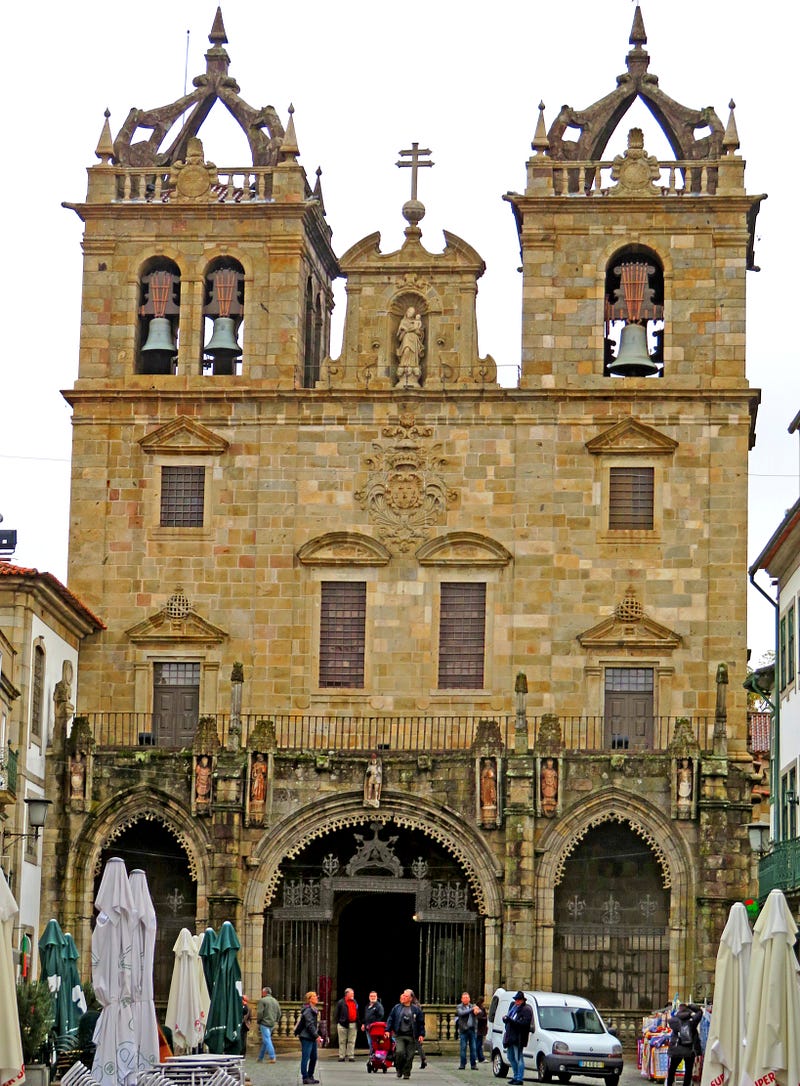
The cathedral is a mishmash of several different architectural styles. Construction started in the 11th century, around the time of the Crusades in Europe, making it the oldest church in Portugal. It has undergone numerous additions and renovations as each successive Archbishop wanted to put his personal stamp on it.
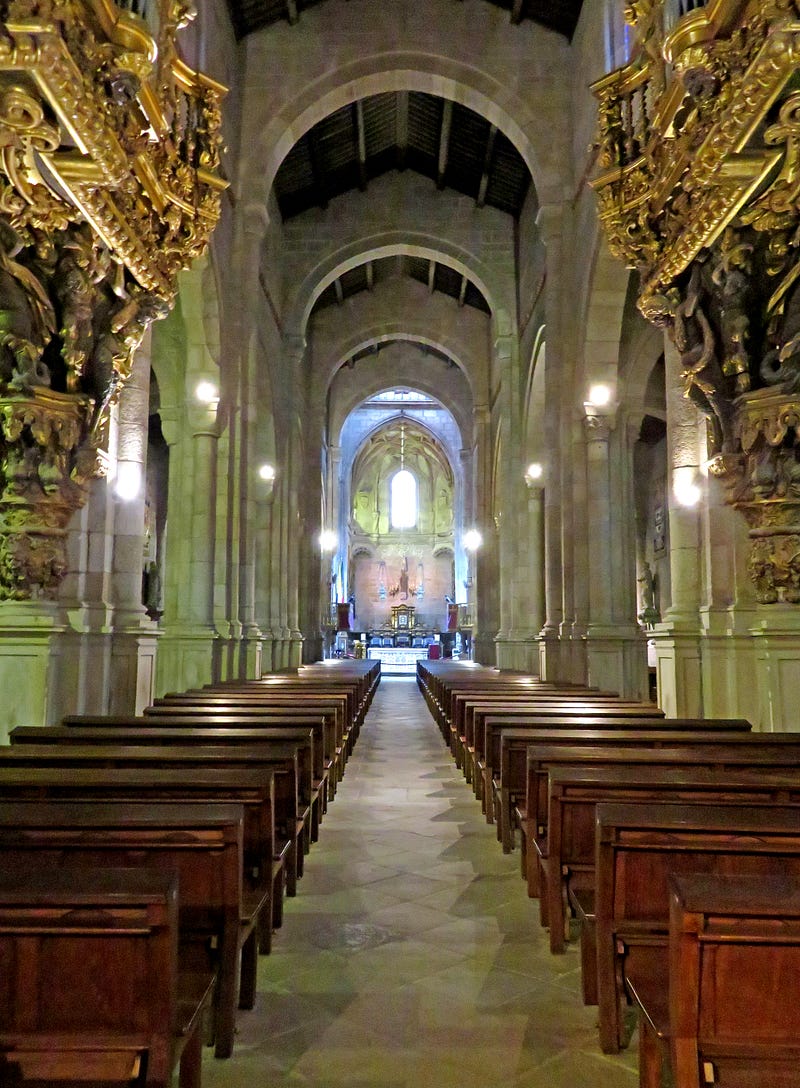
As I walked across the cool stone-tiled floor I couldn't help thinking about the many generations of people who had walked across those same stones over the past thousand years. It’s mind-boggling.
The courtyard features numerous artifacts marking the history of the archdiocese and the cathedral. There is even a mausoleum where archbishops and other church leaders are interred.
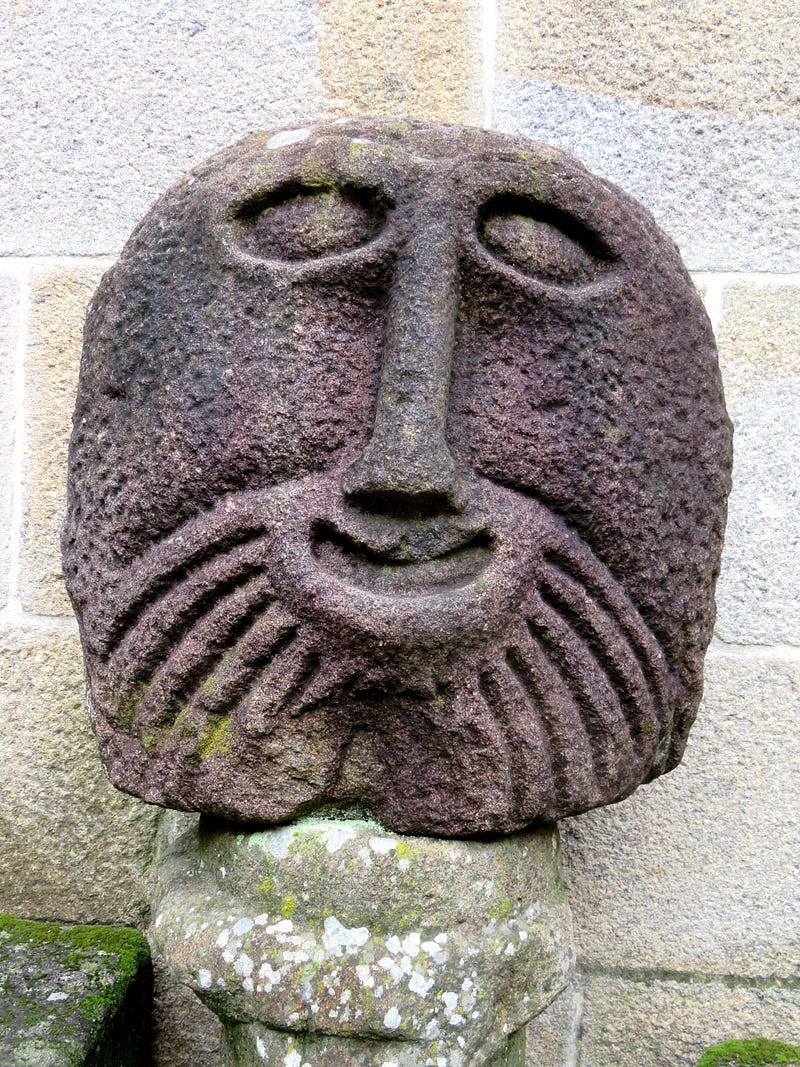
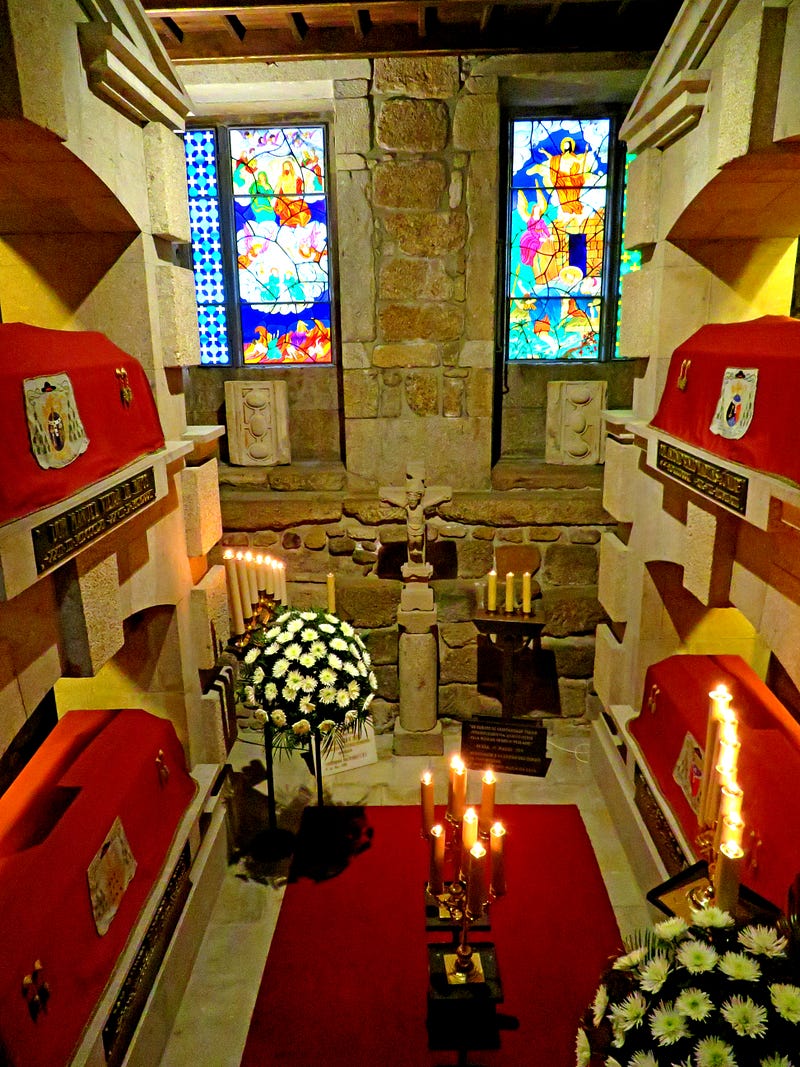
I continued to wander through the streets of Braga and was so impressed with the city that I couldn’t believe I hadn’t heard more about it before.
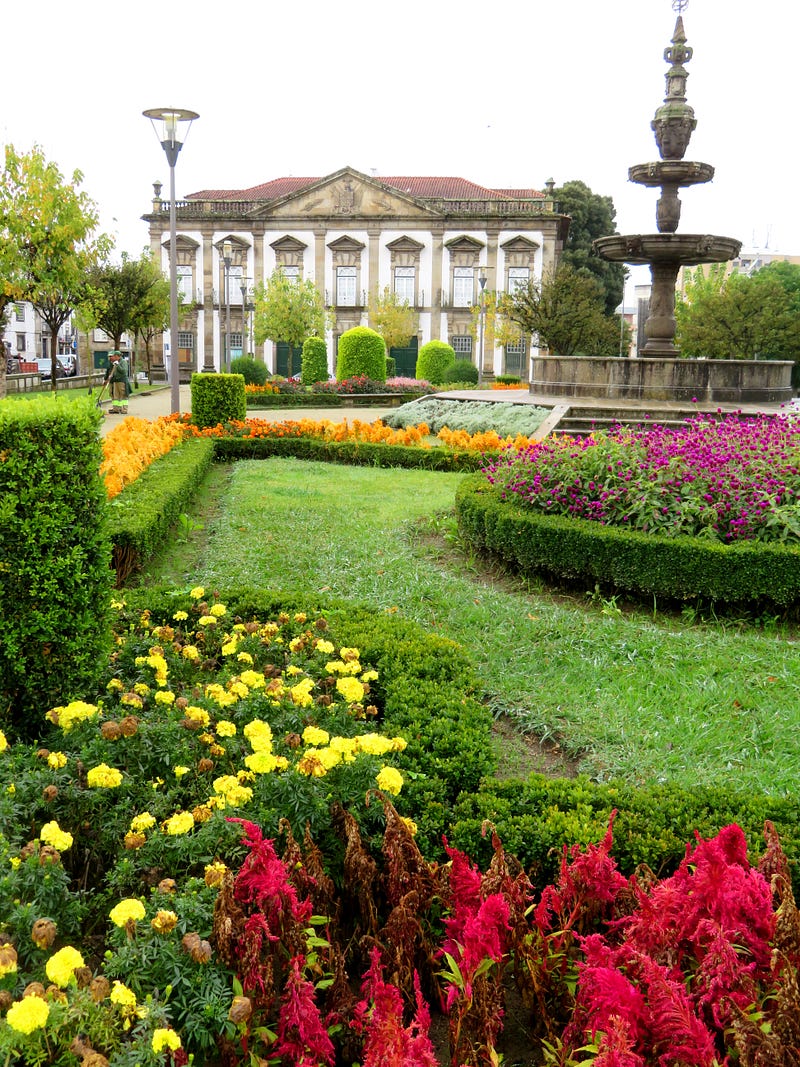
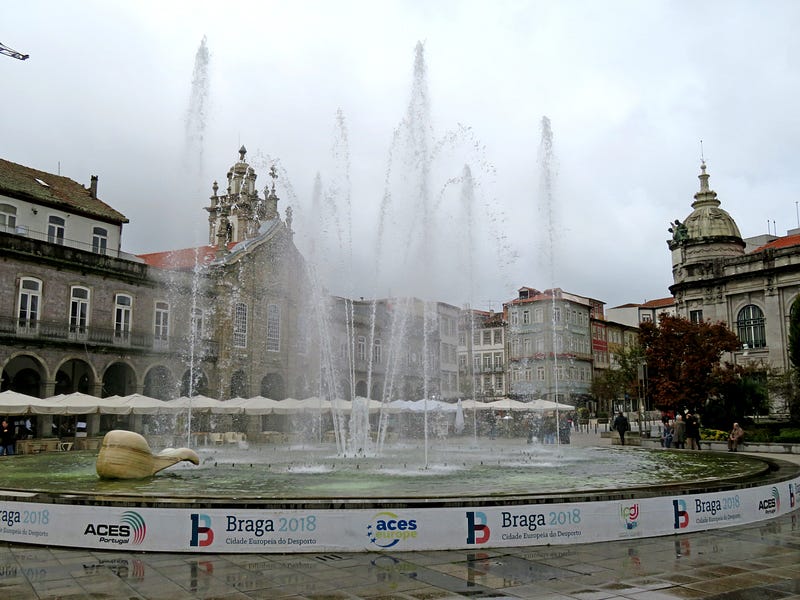
In Praça da República there are gardens, statues, and a giant fountain. And, as expected, more churches.
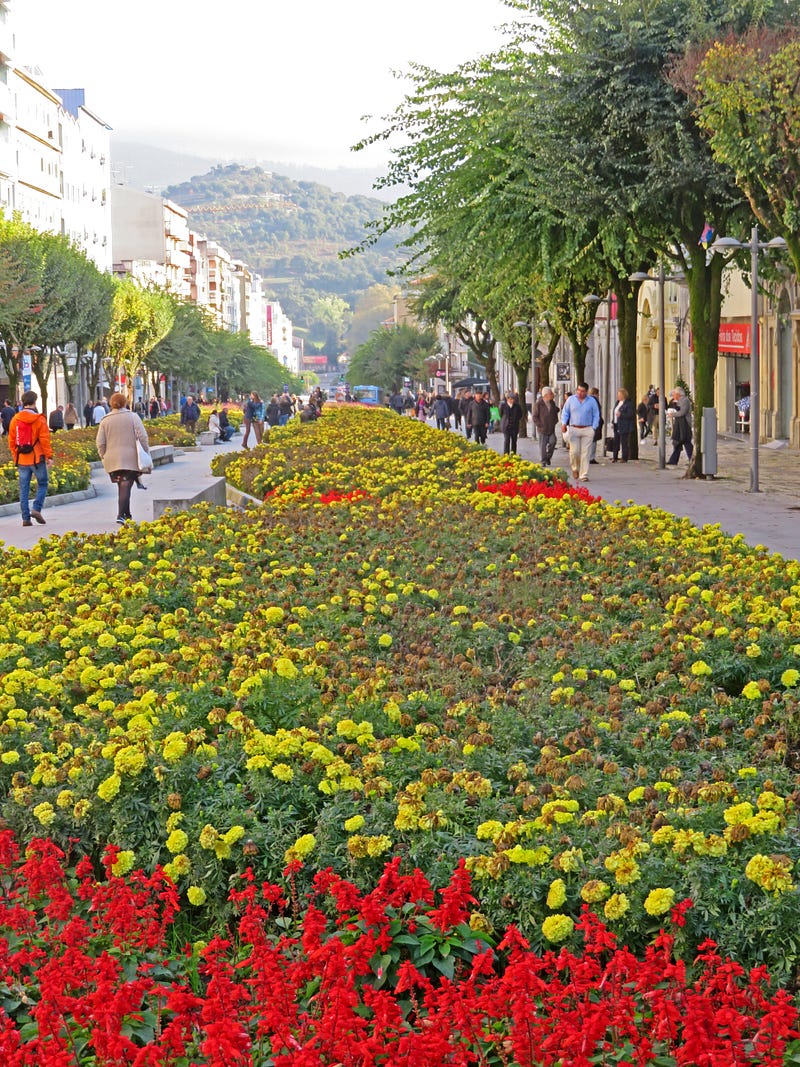
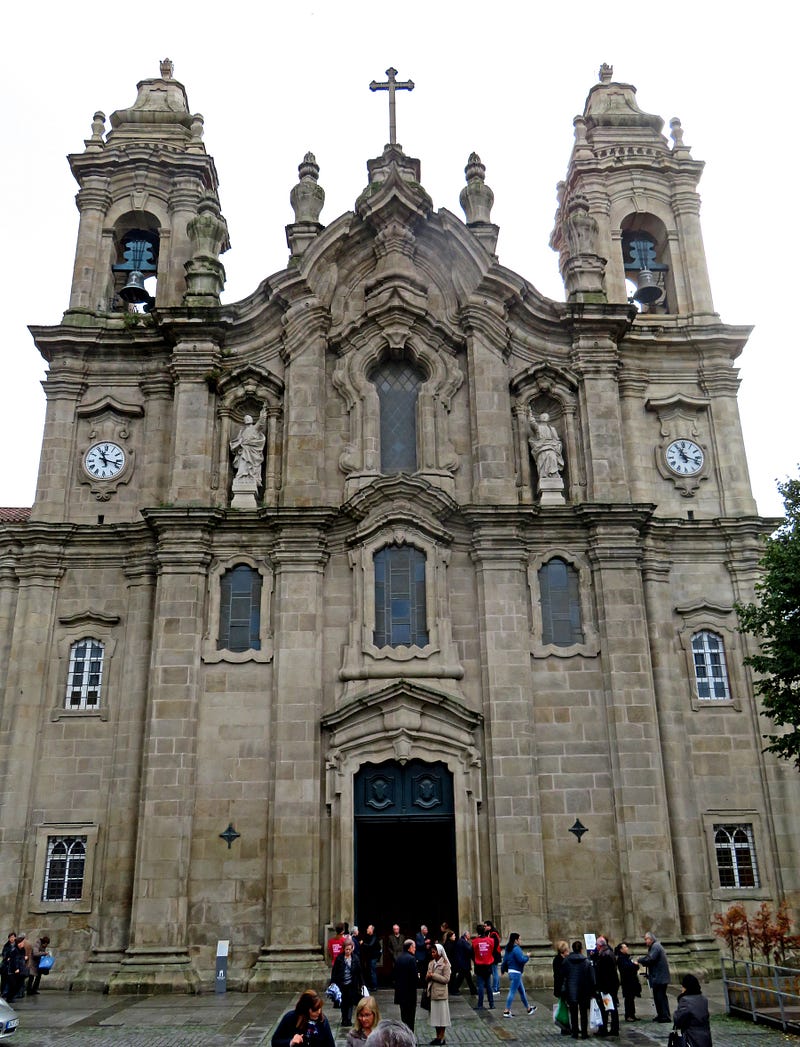
The Convento dos Congregados sits next to the Avenue da Liberdade with its central gardens.
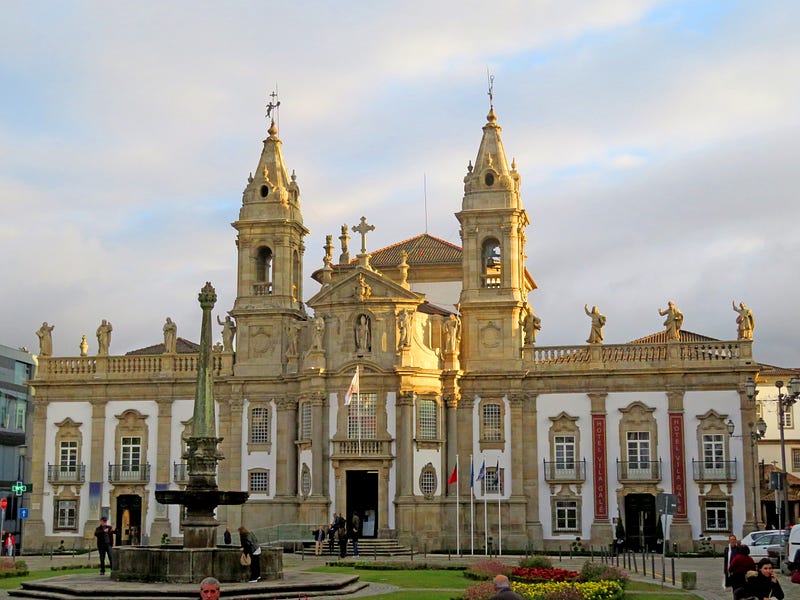
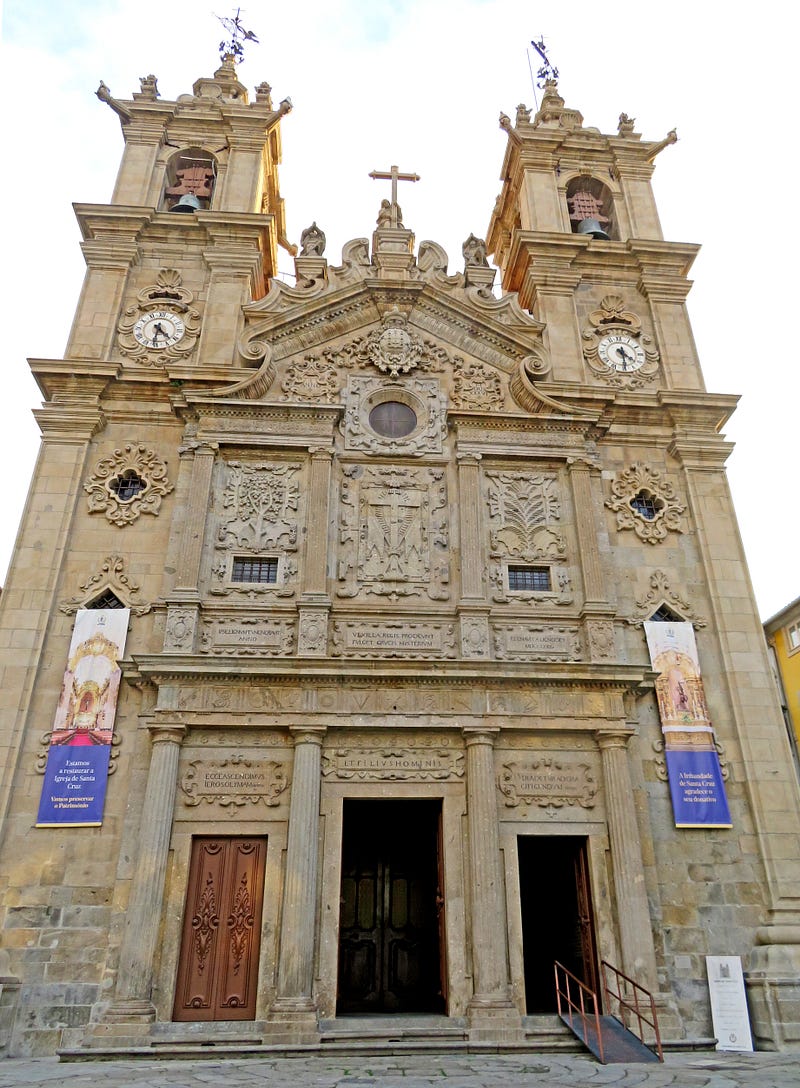
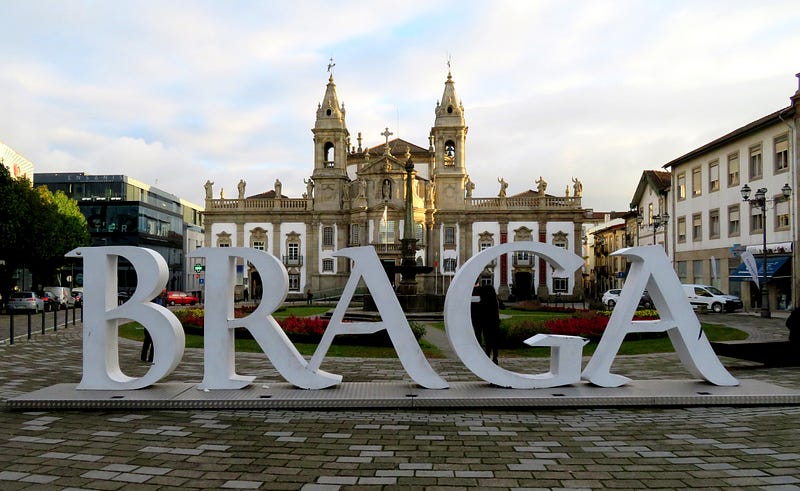
And in nearby Largo de Santa Cruz there are two exquisite churches. The Igreja de Sao Marcos and Igreja de Santa Cruz. Unfortunately, when I was there, church services were underway and they were all packed to the doors, so I couldn’t get inside for a look.
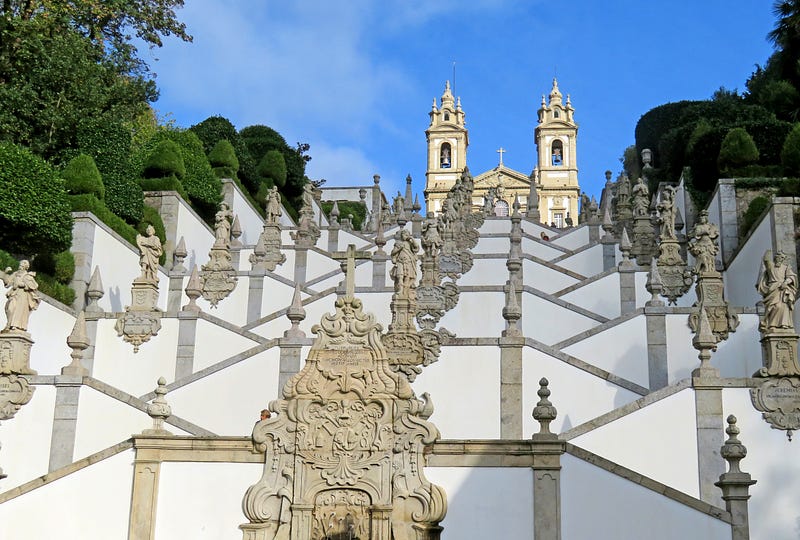
But it is Bom Jesus do Monte (Good Jesus of the Mount) that is the highlight for faithful and secular visitors alike.
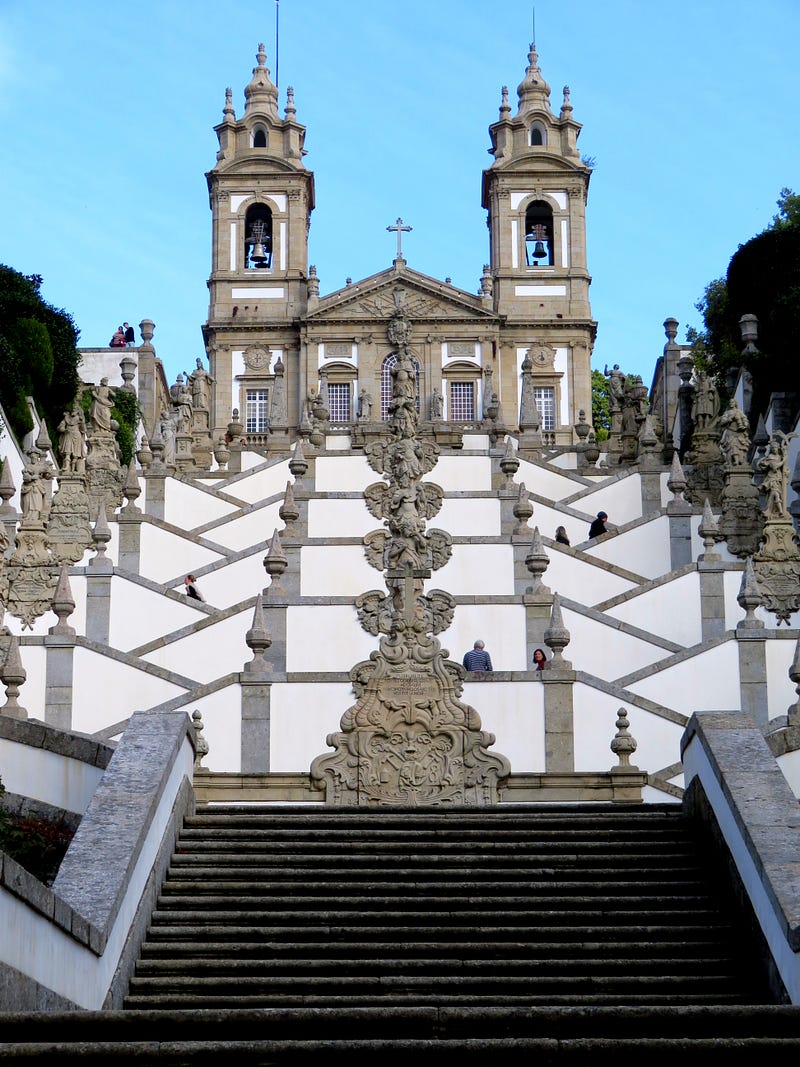
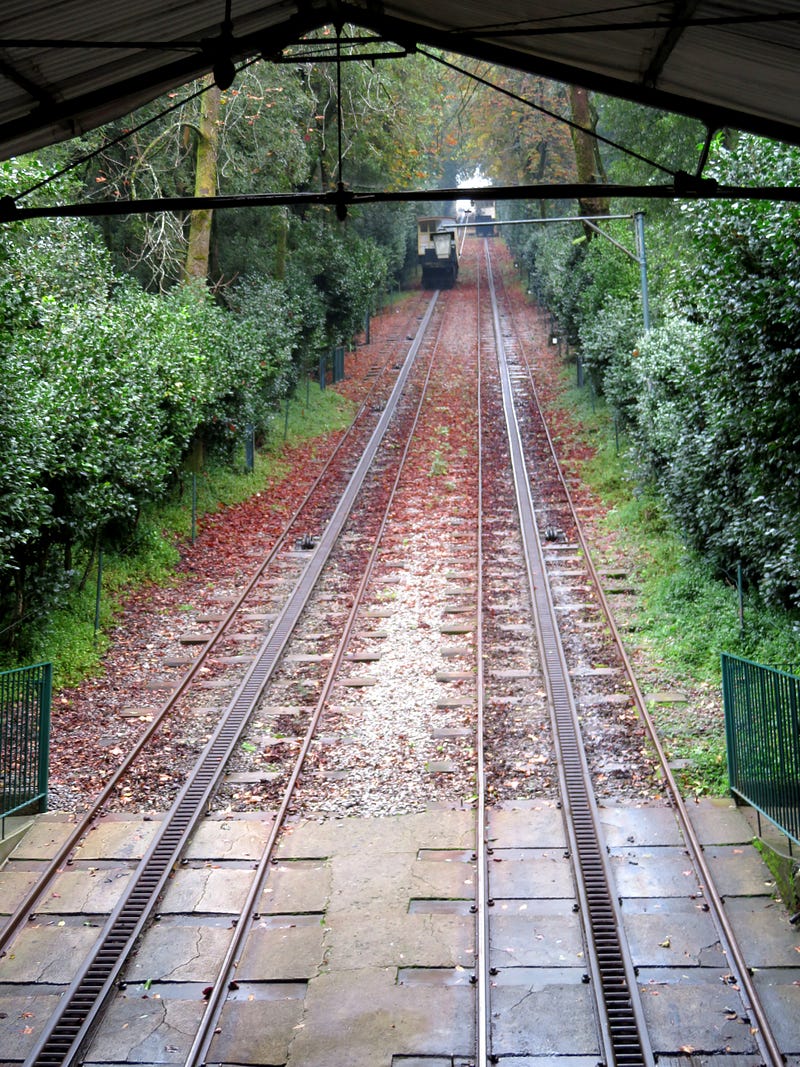
It’s relatively easy to get to by transit, the number two bus drops you off at the foot of the mountain. You can take the funicular to the church or you can walk up the stairs. Pilgrims take each of the 580 steps of the Escadatório do Bom Jesus, climbing 116 meters to the church at the summit.
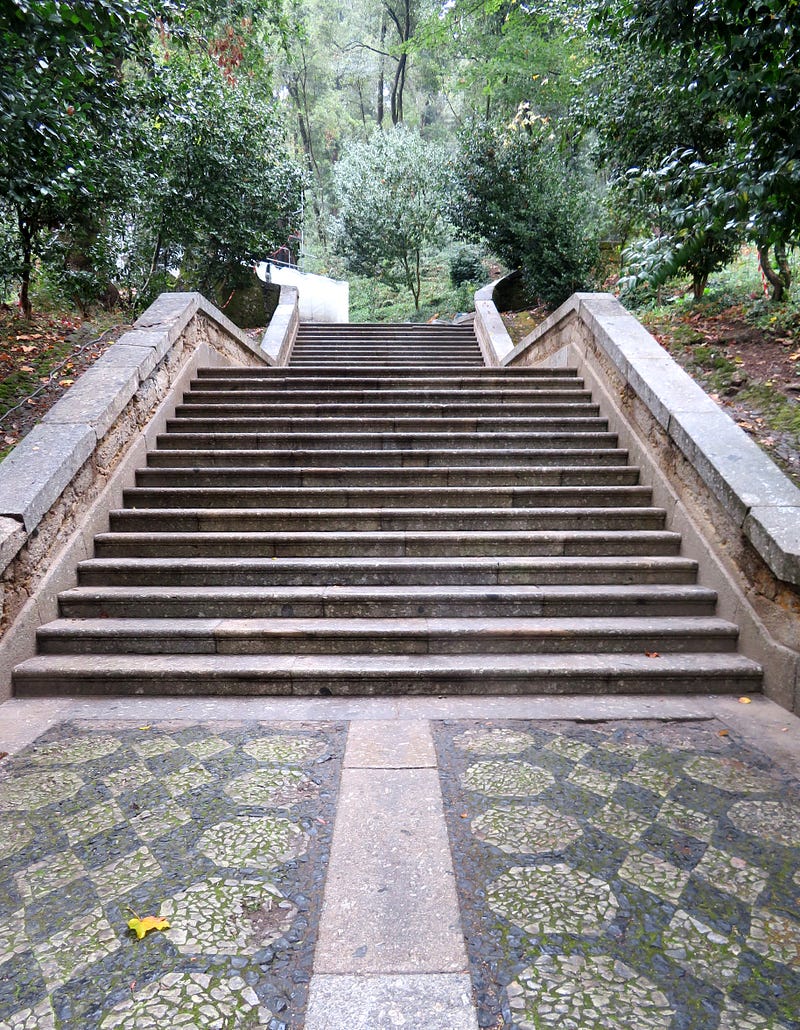
There are small chapels and shrines dedicated to the Passion of Christ, Via Crucis or the Way of the Cross, telling the story of Jesus, his crucifixion, and his resurrection.
The main staircase follows a zigzag route and is dedicated to the five senses (sight, smell, hearing, taste, touch), each represented by a different fountain.
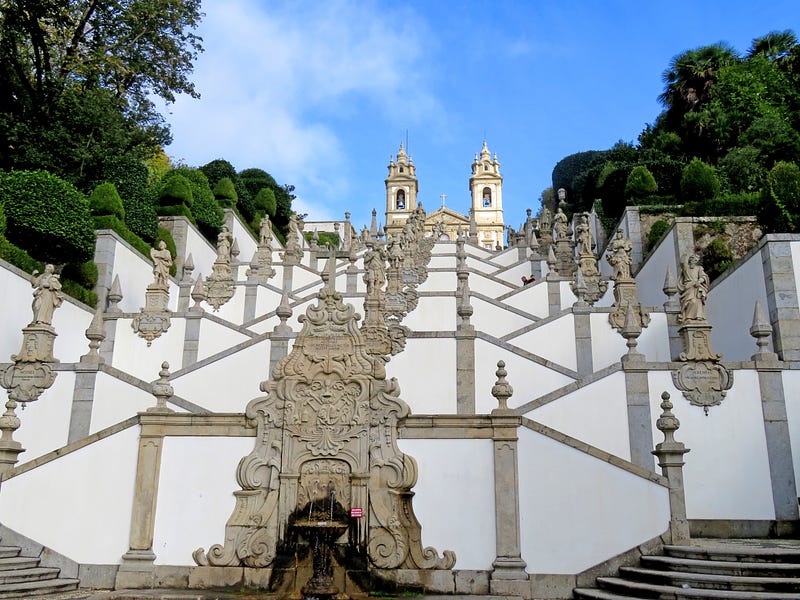
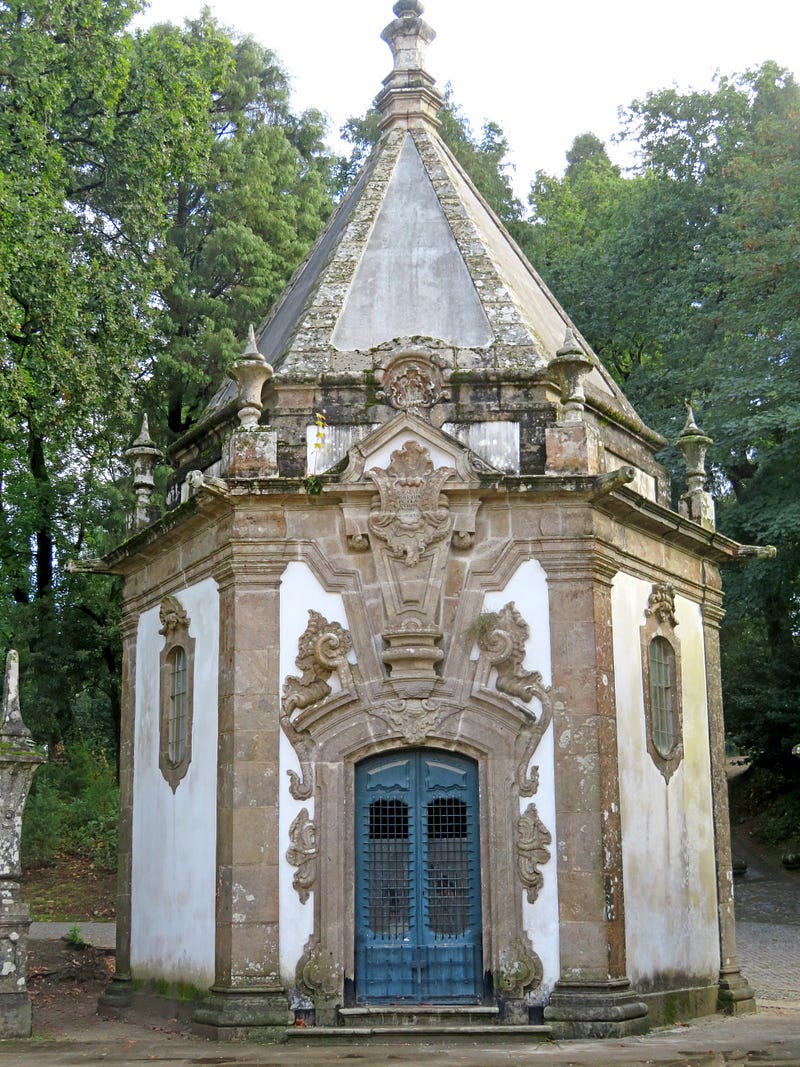
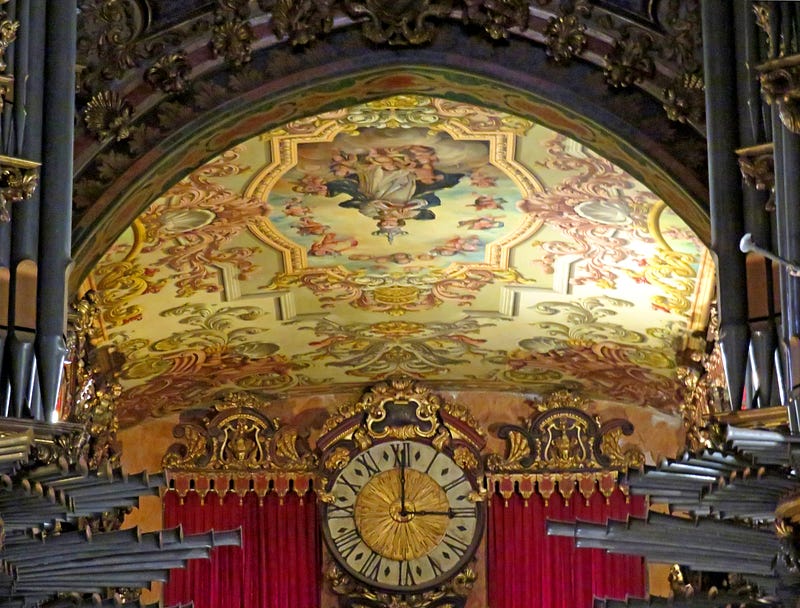
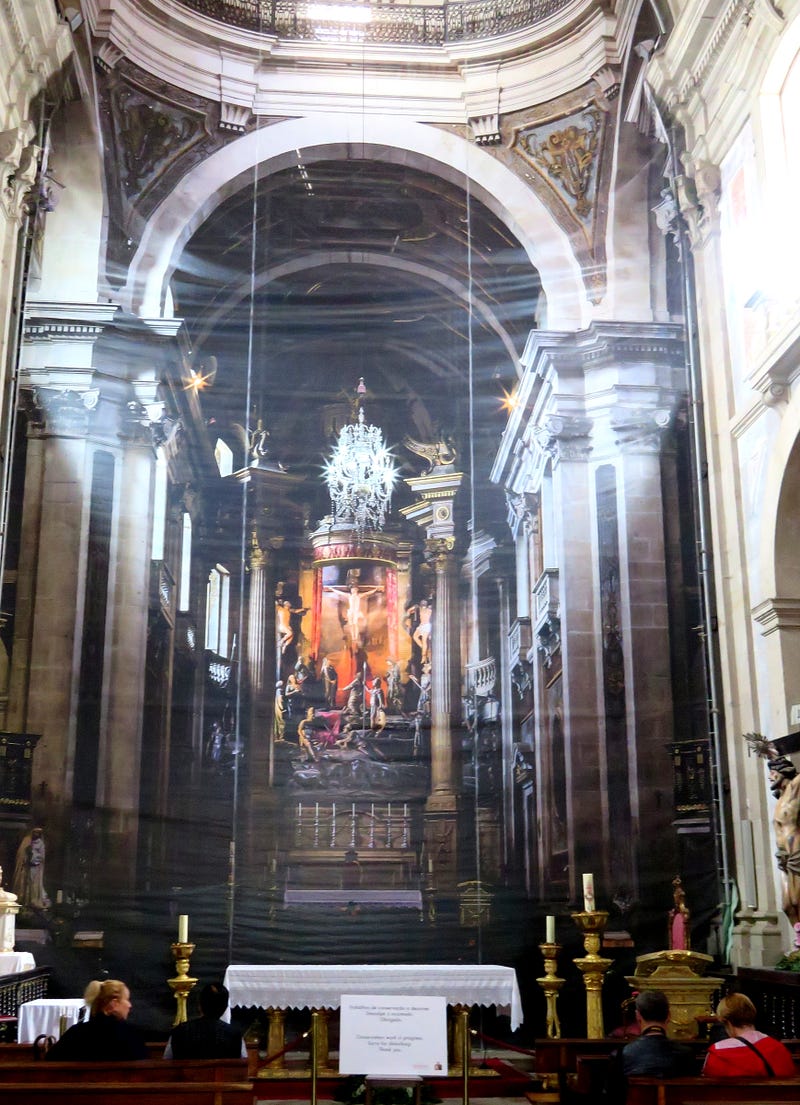
The church itself was a disappointment since it was being renovated when I visited and they had hung a large painted screen in front of the altar.
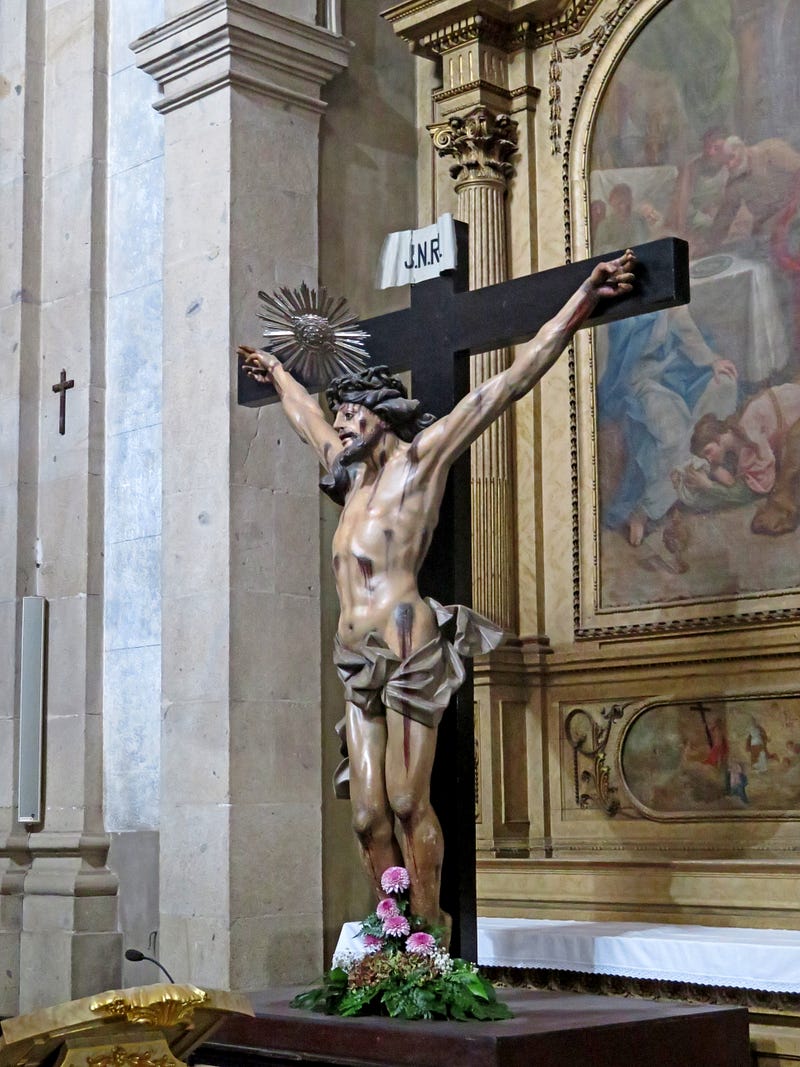
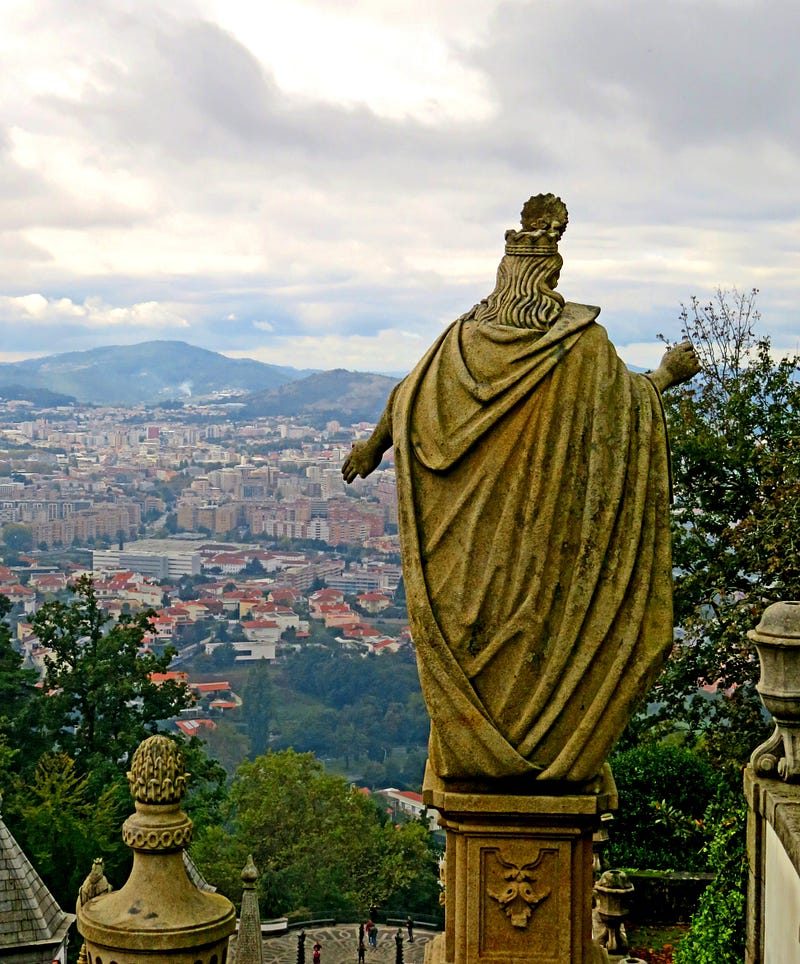
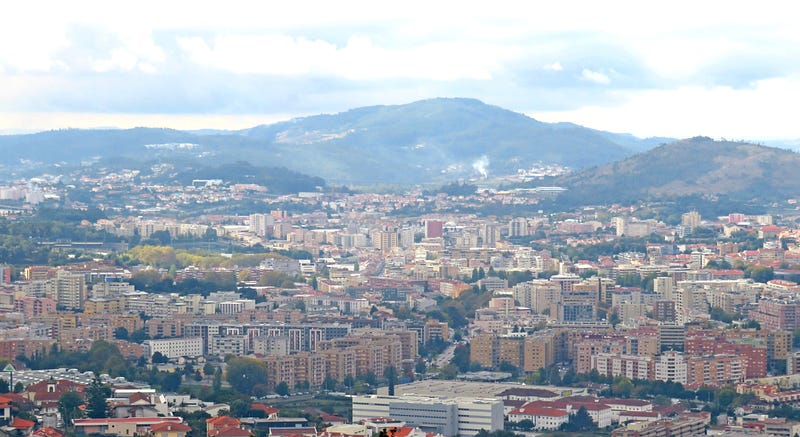
From the top of the mountain, you can see all of Braga and the surrounding area spread out before you. There are statues scattered throughout the grounds, many of them facing out toward the city of Braga. There are also more fountains and chapels around the church, depicting events that followed the crucifixion.
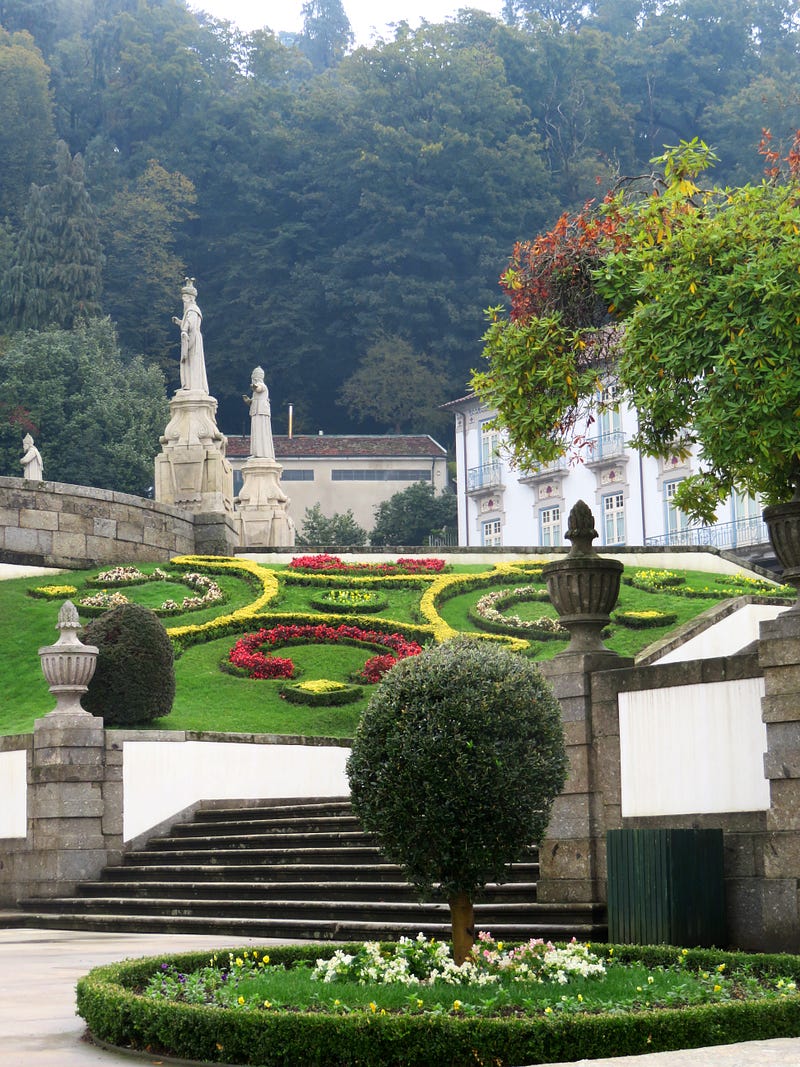
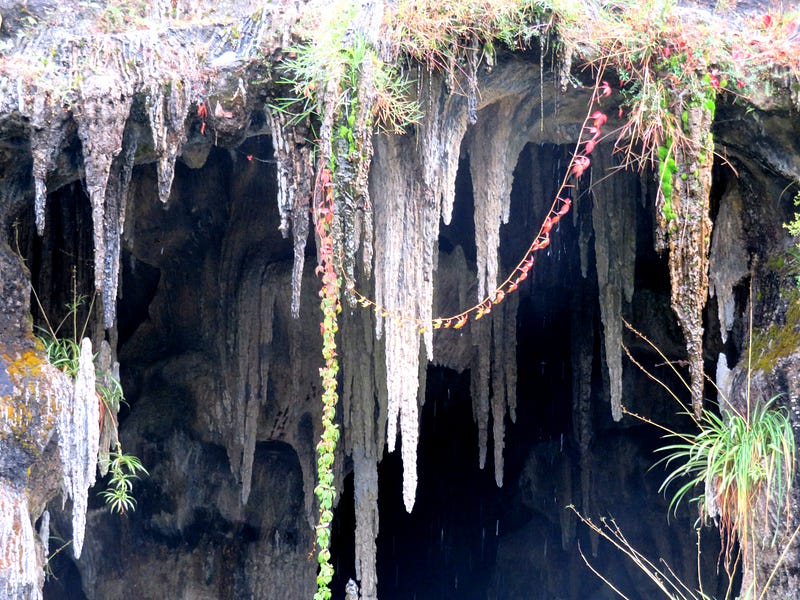
While many visitors don’t venture to the grounds behind the church, it is a hidden treasure. I discovered a beautiful grotto (Gruta do Bom Jesus) with stalactites and flowers among the rocks.
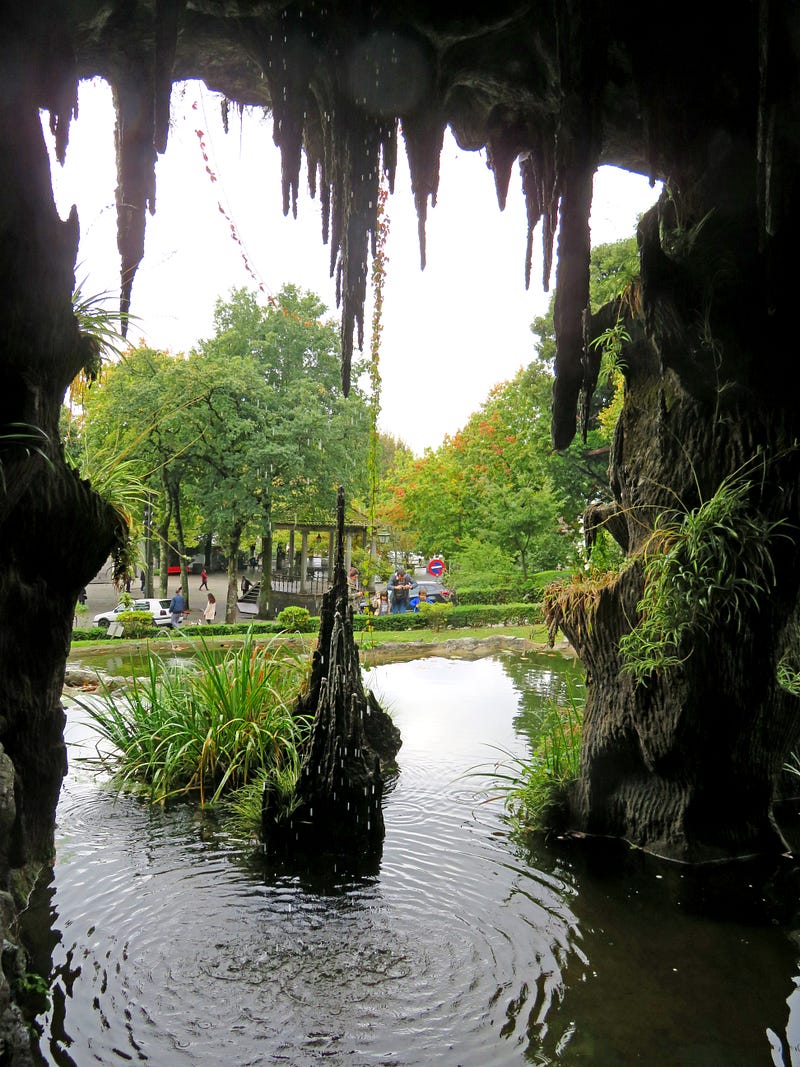
We were there in the early fall so the colors that surrounded the small lake with row boats created a peaceful and serene place to rest or have a picnic. It doesn’t seem like a very popular place though, we saw only a few other people.
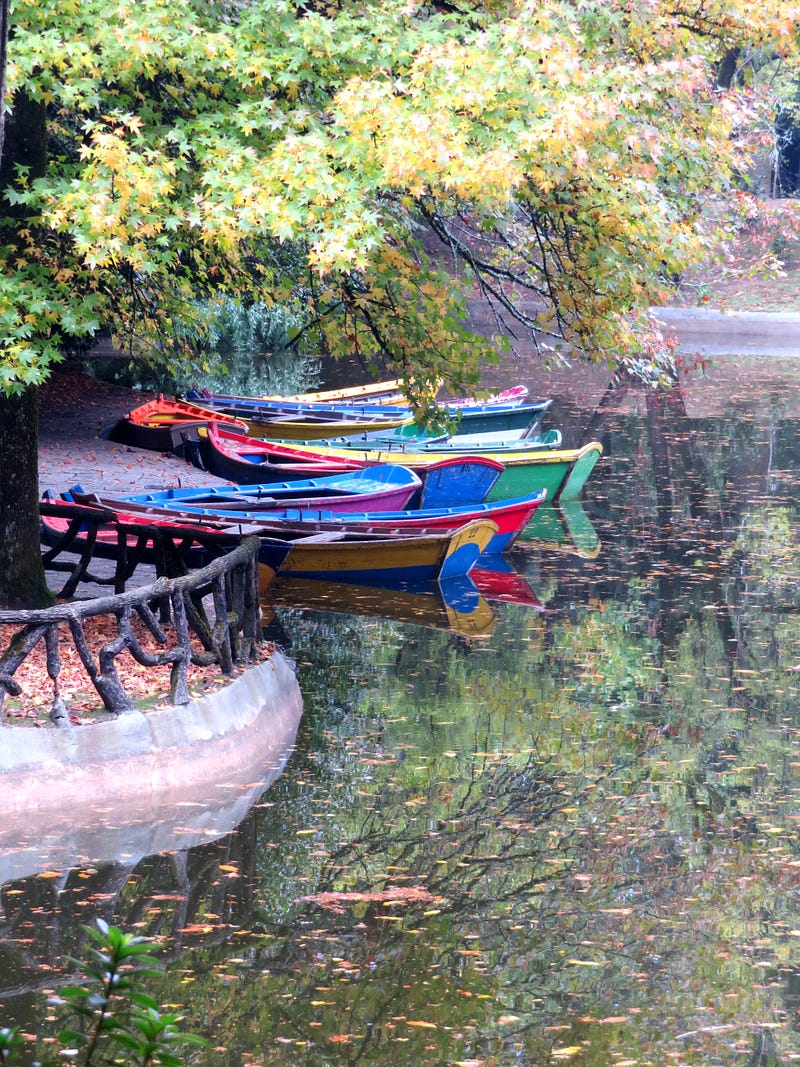
There is a fence along a stretch of the park and we decided to go outside the gate where we found a few hotels and restaurants and spectacular views of the countryside. The Restaurante Central do Bom Jesus was a perfect place to sit down and rest, and have a beer, along with some bread, olives, and a sardine/tuna pate to give us energy for the trek back downhill.
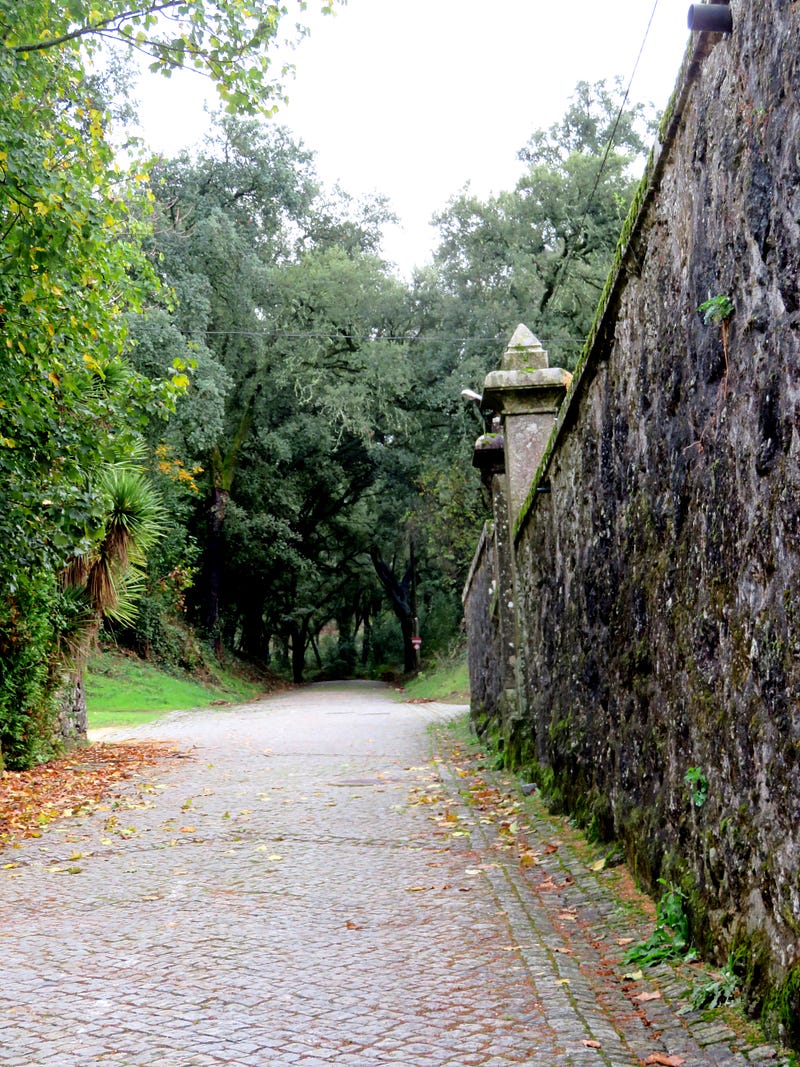
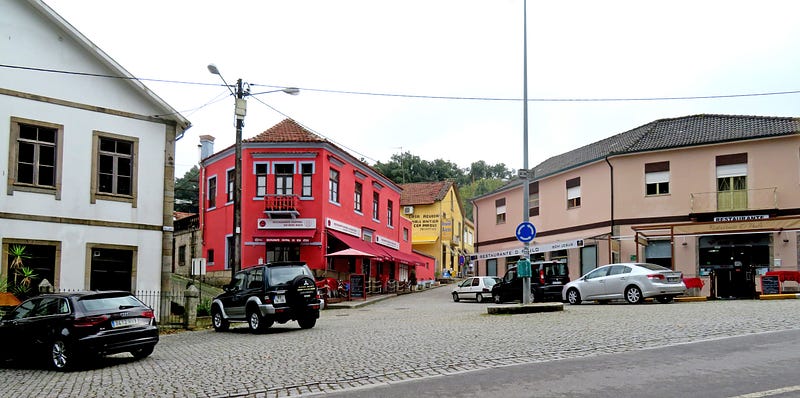
Before heading to the train station for the return trip to Porto, we headed back into the heart of Braga’s historic center for one last look and a promise to return to explore more of this spiritual city.
Thank you for reading. If you are looking for more information on Porto, I wrote about the highlights of my visit, here.


