
Finding Purpose in the Power of Words
Language can bring light to even the darkest of times
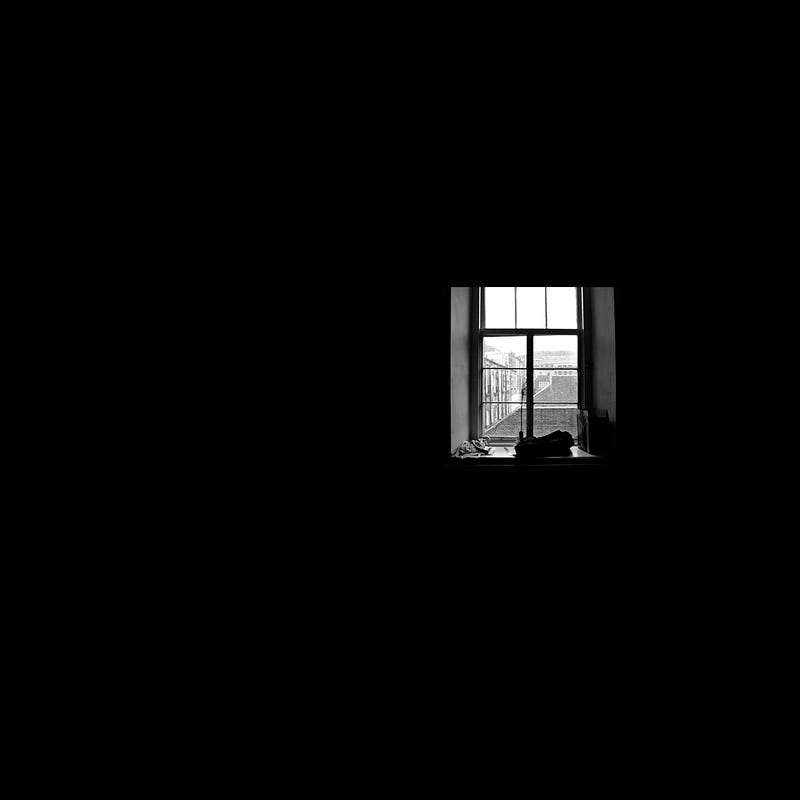
Words are a superpower.
They can hurt and heal.
They can direct and confuse.
They can sing and make silence.
Words are vitality.
But there was a time when I couldn’t speak.
I was so caught up in my mind that I created a dead short in my brain.
This resulted in an excessive current flowing through the circuits of my mind, damaging my thoughts with electrical shocks of depression.
When I most needed to speak, my tongue just wouldn’t move.
A complete dissociation between vocal cords and turbulent thoughts.
All I could do was run.
Run away with my perturbated brain.
Run my legs and mind to exhaustion.
And then I would nod. And mumble. And speak my mind with vague phrases.
After sprinting my lungs out, I sounded as if I were in slow motion.
Underwater.
Drowning.
In silence.
I wanted to want to speak.
I wanted to want to be alive.
I just wanted to want, if that makes sense.
And then I began to write Words.
In October 2012, Malala Yousafzai, age 15, was on a school bus in the Swat Valley of Pakistan.
Then, Taliban militants boarded the bus and shot her in the head and neck.
Malala had been advocating for girls’ education, a cause that was deemed unacceptable by the extremist group.
The attack left Malala in critical condition, but she made it through multiple surgeries and extensive rehabilitation.
And even after this cowardly attack on her life, Malala refused to back down.
Instead, she became an even stronger voice for girls’ education, using her platform to speak out against injustice and to inspire others to do the same.
“Let us pick up our books and pens. They are our most powerful weapons,” said Malala. “One child, one teacher, one book, and one pen can change the world.”
Rather than being silenced by the attack, the Taliban gave her the thrust to speak out even more passionately. And since the attack, Malala has become a global icon for human rights and has received numerous awards and accolades for her work, including the Nobel Peace Prize in 2014.
Her story is a testament to resilience, determination, and the human spirit to overcome even the most unimaginable adversity.
All through the voice of her experience, empathizing with the world, and in the process, changing her own and other people’s lives.
Silence can be an effective tool of oppression, but speaking up is a tool of liberation.
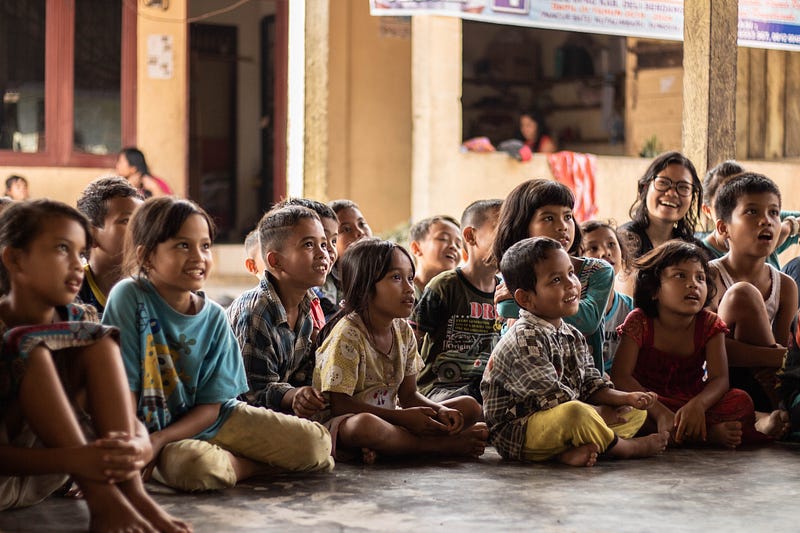
Silent suffering is the loneliest kind.
It is the ultimate shape for pain.
But there is a way to recircuit that dead short.
When you can’t speak, write.
When you can’t write, read.
When you can’t read, listen.
Words are cables full of light.
Even in the darkest of times.