
Finding My Way In
Every story is all walls until I find that one way in
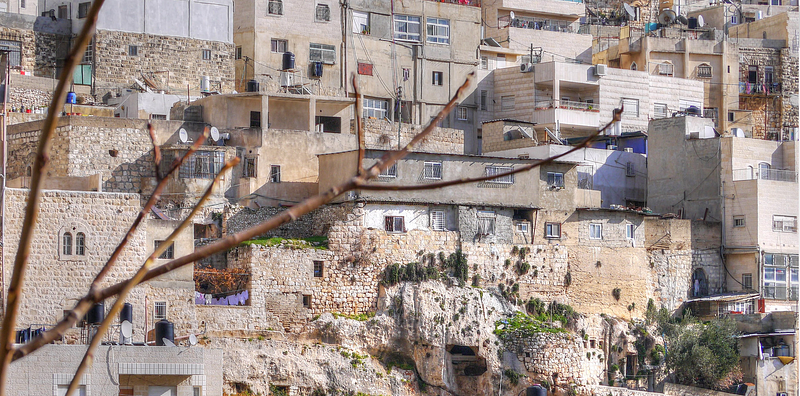
Having the opportunity to write and publish new material here daily has given me an interesting new perspective on what it takes to get moving in any particular piece. Similar to the idea that the sculptor frees the creation that is already living within the block of marble is my theory that every story, fiction and non-fiction alike, exists within a walled-off structure. My first step in writing that story is to find my way in.
One of my earlier short stories, “Fallow Fields”, won honorable mention in the 2007 Gertrude Press chapbook competition and was included in the anthology that year (the link to that piece is long-dead or I’d have included it).
The way into that story was a stray thought that floated up as I watched a housekeeper in her gray uniform walking the family dog on Fifth Avenue while I waited for a bus one morning. The thought: you can always tell a dog that’s never been kicked. From that random observation, and through about sixty re-writes, I wound up with the story about Dan and Bitty’s marriage. There turned out to be no dogs in the story, unkicked or otherwise, but that was my way in.
You just can never tell where the opening in the wall will show up or where it will take you.
In my every waking moment, and a fair amount of my sleeping ones, I’m wandering through a maze of walls. There are turns and corners and ups and downs, but it’s all walls. And I’m always watching for the openings. In fiction, those usually take the form of a killer first step. As with “Fallen Apple” (Being the daughter of a famous suicide is a valid career path. One bullet and no door has ever been closed to me) or “The Last Risk” (Well, that was the last risk she was going to take. Quit while you’re ahead. Or, in this case, quit before all is lost).
The walls of non-fiction
As I’ve written here before, I don’t waste my precious time and effort writing fiction specifically to publish on Medium. No shade thrown at Medium because in over twenty years of writing and submitting short stories to hundreds of literary magazines and competitions and other publishers of fiction I have had six, count ’em, six stories accepted for publication.
So all the fiction that I’ve published on Medium is from my vaults. What I do write and publish specifically for Medium are pieces like this. Non-fiction essays that allow me to ponder any old thing that floats across my mind.
And this means more walls and more openings in those walls. The walls I am surrounded by now are much less difficult to penetrate than those keeping fictional pieces secure and sealed off. I get offered a seat on the subway, bingo, a door appears in the current wall. Watching a couple trailed by their own personal photographer next to a canal in the Dorsoduro in Venice on one of my favorite webcams? Shazzzaaaaam! Opening and in I go. Finding random pinched off bits of philodendron on the sidewalk? Oh, you know it!
Meanwhile, fiction keeps her secrets close and makes me work to find an opening.
Before I wrote my first completed short story I thought that I’d have to map the whole thing out and know exactly how it unfolded as well as how it ended before even starting. That never slowed me down from starting stories, though. I’ve started six times as many stories as I’ve finished (Medium offered the opportunity to finish several that were paralyzed in my vaults but there are still hundreds of limp, go-nowhere paragraphs languishing in there).
Over time I’ve developed my own strategy about where to go once I’ve found one of those rare and precious openings. I start a fictional story at one end of a vast field and see that there’s a rough ending spot way over there at the other end. Seems like a good direction. So I start digging.
I started this story with the idea of a kid digging a really deep hole. That was it. No other details. Those all came into view as I kept writing so that eventually I had myself a story about an Eastern European war orphan being adopted by a couple from the United States. All that from the random notion of some kid digging a hole.
There are obvious flaws with this method. I have lost count of how many times I’ve gotten completely off track and had to trash pages of stuff that I loved but that didn’t serve the story.
Over time I’ve cut my losses and caught myself when I’m going astray (but nothing ever gets deleted; it all goes into countless morgue folders).
Given all that “wasted” effort, why on earth do I still write stories this way?
No surprise for the writer, no surprise for the reader
When I was finishing the first solid all-the-way draft of “The Black Pigeon” which was my final exam for a writing course at Case Western Reserve University back in Cleveland, I was ambushed by the most perfect closing sentence that I’d written to that point. It just floated up from some secret place deep in my brain and slotted itself perfectly to close the story.
I felt like crying, singing, dancing, and laughing at the same time.
How are those walls you’re walking past these days? You didn’t think they were just plain old walls or anything, did you? You know that there are stories in there, right? Stories waiting for you to find the way in, to find the way through, to find the beating, glorious heart and bring it back out for us to experience with you.
Find your opening.
© Remington Write 2020. All Rights Reserved.


