
Feeling Culturally Rich and Ethnically Lost, Simultaneously
Fighting the deterioration of my identity with music
Music is the thread upon which I hang on to my heritage. As an Indian American, I often feel culturally rich and ethnically lost, simultaneously. The mixing of Western ways and customs so deeply characteristic of my ancestry sometimes confuse me, so much so that I begin to question my deepest values.
In losing bits of my mother tongue and forgetting common Hindu shlokas day by day, I shed ethnicity like hair — and fear so strongly that someday I will go bald. Attempting to preserve one’s culture is a difficult, ambiguous task with no instructions manual. Over the years, I have found music to be immensely effective in fighting the deterioration of my Indian identity.
Playing the violin
Having played the violin for the past decade, I am grateful for all the ways in which I was able to explore and mesh my favorite Western and Indian musical flavors. I longed to learn how to play the instrument at the age of eight, after attending a Baroque-style music concert with a friend’s family.
Through school orchestras and concertmaster roles, I reveled in my solo performances of pieces such as Vivaldi’s Concerto for Two Violins in A Minor and Grieg’s Holberg Suite, with a full orchestra as my backdrop. Concert days were delightful. Performances of Chaconne from 6 Sonatas and Partitas filled me with deep emotion.
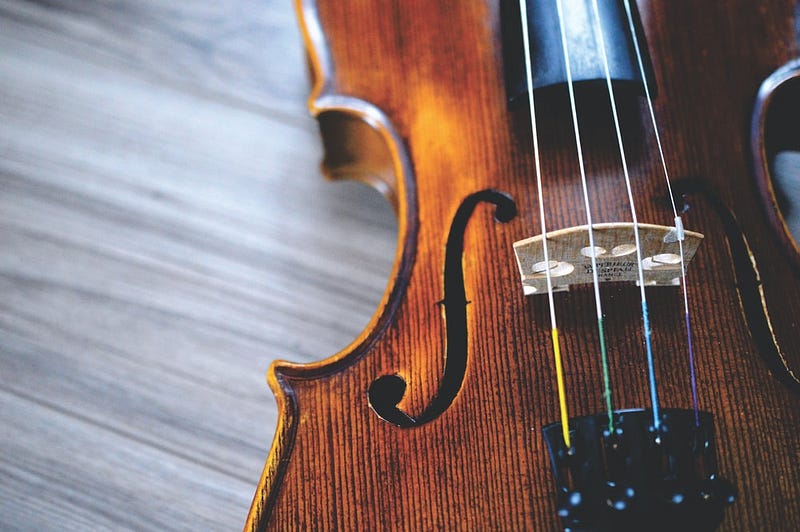
Technical skills gained over years of practice gave me the power and courage to experiment with other musical styles, namely those of the Indian culture. Building from my favorite Bollywood melodies, I had great fun creating violin-piano arrangements of popular Hindi songs with my younger sister, a brilliant pianist. Our duets were met with much enthusiasm at Indian community festivals and events.
I also launched a YouTube channel to showcase our creations, gaining commendation from viewers and also the director of Fanaa, a Bollywood film from which we performed an item song. The violin — or rather, the music I made with it, whether by playing in the usual style or utilizing Indian classical tunings and positions — allowed me to view my ethnic identity from new angles. The love I received from both my local ethnic communities and those on YouTube only strengthened the connections I felt to the Indian culture.
Engaging in cultural pastimes
Pastime activities, particularly watching Bollywood films and attending community festivals, have aided in preserving my Hindi, through song.
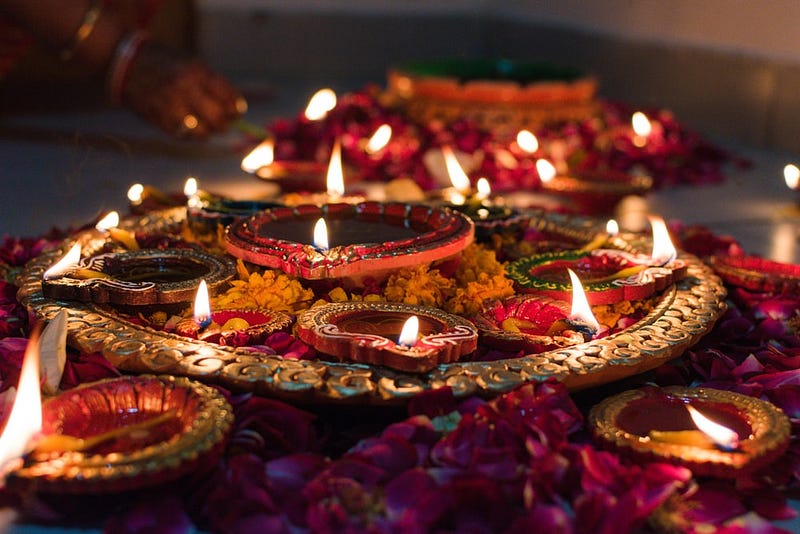
The Indian film industry holds music in the utmost regard. Most movies include a half-dozen songs integrated into the plot line, often defining a film’s impact and popularizing its songs’ vocalists. Movie songs characterize films and help me keep in touch with the customs of my parents’ home country due to their interactive quality. Their easy accessibility via technology is a plus and speaks to Indian music’s increasing fluidity.
Many of the violin-piano duets I arranged were motivated by tunes and dances from catchy film songs. Moreover, the sheer entertainment value gained from listening to the tabla, veena, mridangam, flute, and voice in harmony keep my grasp of Hindi from loosening too quickly.
Singing from the soul
I have always believed the Indian culture to be a celebration — indeed, even ancient Sanskrit prayers are sung, not simply spoken — that encompasses the fixity of music. For me, singing Hindu prayers not only brings me closer to my faith but also to my childhood.
I have many memories of spending summers in India, hearing the Hanuman Chalisa reverberating around the city of Patna while sitting atop my grandmother’s rooftop. Each night brought a new interpretation of the hymn, along with the swelling of new emotions.
Though I am no vocalist, I remember my mother persuading me to sing into the loudspeaker — nervously, I chanted my favorite bhajan, one about Lord Krishna playing the flute — as well as the rush of buzzing excitement that resulted. Upon returning home after that summer trip, I organized a bhajan-shloka group with a couple of friends, during which we filmed and edited videos of spiritual stories, scenes, and epics that personally spoke to us. Though the desire was likely unconscious, it appears that I made conscious efforts to maintain contact with my culture even at a young age.
Through music, I discovered that my capability to experiment with the sounds of a violin gives me great joy, especially when applied to bettering my understanding of ethnic values. I have also gathered that music is as much about the action of creating sound as it is about exercise of the mind and peace of the heart.

Music exploration is a great thrill — in my case, encompassing the worlds of performing, singing, acting, and problem solving — that will always remain one of my lifelong passions due to its role in shaping my ethnic identity.


