avatarThe Mars Girl

Free AI web copilot to create summaries, insights and extended knowledge, download it at here

2995

Abstract

ng, as the water carrying said minerals <b>“dries up”</b> around a <i>nucleus of pebble, leaf, shell, bone, or fossil.</i></p><p id="0e45">However, in 2008, the International Geological Congress in Oslo debunked these claims saying there was no mineral difference between the stones and the sandstone beds on which they sat. They also claimed there was no distinct nucleus to be found.</p><p id="de3a">There is no doubt that these stones are older than men, judging by their composition and locale atop the sands. They must be creations of earthquakes that occurred 5.3 million years ago, presumably in the Middle Miocene sub-epoch era.</p><p id="3e47">The sands surrounding the<b> Trovants hint </b>at ancient marine environments which may explain why bivalve and gastropod fossils can sometimes be found hidden in them.</p><p id="a28e">The trovants secrete cement. This oddity makes some people think they may be living creatures or an egg of an extinct specie. This cement secretion tends to occur after a heavy rain shower.</p><h1 id="54af">Growth, Reproduction, and Mobility</h1><p id="3105">It is not observable by the naked eye but researchers say the deposition rate for trovants is roughly 1.5 to 2 inches (4 to 5 centimeters) every 1,000 years.</p><p id="3974">This same phenomenon is responsible for their reproduction, which mimics that of potatoes. Like the vegetable, due to water hitting only one surface of the rock, a bulb emerges. If this bulb of rock grows large enough, it can separate itself from the parent rock, thus becoming a baby trovant.</p><figure id="da73"><img src="https://cdn-images-1.readmedium.com/v2/resize:fit:800/0*TZtMMRqMDf9scKNo.JPG"><figcaption>When the rocks absorb the rain’s water and minerals, the rain minerals come in contact with the chemicals that make up the stone, causing a pressure reaction that makes the rocks grow in girth. Source: <a href="https://en.wikipedia.org/wiki/Formation_of_rocks#/media/File:Two-parts_stone_nikogda_takih_ne_videl_vot.JPG">Wiki</a></figcaption></figure><p id="71b1">Locals also swear that the rocks can <b>“walk”</b>, like their distant relatives, the sailing stones of the <b>Death Valley</b>. Those stones appear to waft across the level landscape by themselves, and the Trovants are also claimed to do the same.</p><p id="5e3f">One trovant enthusiast took matters into his own hands and videotaped trovants for two weeks. According to his tape, the stone moved about one-tenth of an inch or<b> 2.5 mm</b>. Scientists are wary of such claims and argue that the movement occurred only due to the heating and subsequent cooling of the sands.</p><h1 id="836b">Where can you find them?</h1><p id="d04a">If you wish to see these brilliant stones, you will have to take a trip to Romania’s Valcea County where they are almost exclusively found at the sand quarry near the Costesti village, along the Gresarea Brook.</p><p id="7f17">The only other place to look for is in the neighboring Otesani village where the “Muz

Options

eul Trovantilor” or Trovants Museum Natural Reserve, was developed to protect these strange geological specimens. This reserve is now under the guardianship of UNESCO.</p><p id="1f07">Want to follow up more from me and other amazing writers on Medium?</p><p id="3333"><i>Hop on the chance to join:</i></p><div id="782f" class="link-block"> <a href="https://medium.com/@themarsgirl80/membership"> <div> <div> <h2>Join Medium with my referral link - The Mars Girl</h2> <div><h3>Read every story from The Mars Girl (and thousands of other writers on Medium). Your membership fee directly supports…</h3></div> <div><p>medium.com</p></div> </div> <div> <div style="background-image: url(https://miro.readmedium.com/v2/resize:fit:320/0*Otj10_idvcv_C69B)"></div> </div> </div> </a> </div><h1 id="00b3">More From Author:</h1><div id="349e" class="link-block"> <a href="https://readmedium.com/5-badass-historic-events-with-crazy-consequences-76042481c630"> <div> <div> <h2>5 Badass Historic Events With Crazy Consequences</h2> <div><h3>History doesn’t exist in vacuums. Own ways to get you into fits of laughter</h3></div> <div><p>medium.com</p></div> </div> <div> <div style="background-image: url(https://miro.readmedium.com/v2/resize:fit:320/1*3hrMbKBuaMvX7-_-INhJlQ.png)"></div> </div> </div> </a> </div><div id="45a0" class="link-block"> <a href="https://readmedium.com/did-the-spartans-invent-throuples-6a086697f1c4"> <div> <div> <h2>Shocking Things About Spartans Who Normalized Gay Custom</h2> <div><h3>Multiple men married to the same woman — Spartan families did not conform to conventionality</h3></div> <div><p>medium.com</p></div> </div> <div> <div style="background-image: url(https://miro.readmedium.com/v2/resize:fit:320/0*8NL1XYsCfWCPWuoE.jpg)"></div> </div> </div> </a> </div><div id="90f3" class="link-block"> <a href="https://readmedium.com/how-to-know-if-your-child-is-a-witch-a950526fd039"> <div> <div> <h2>Scotland Apologizes After 300 Years To The Witch-Hunt Victims</h2> <div><h3>Do insane witch-spotting techniques exist? Witches and human’s fascination with them are unending.</h3></div> <div><p>medium.com</p></div> </div> <div> <div style="background-image: url(https://miro.readmedium.com/v2/resize:fit:320/1*Ne0tREkeghD_NGO7xJSpqA.png)"></div> </div> </div> </a> </div></article></body>

Fascinating Stones Of Romania Which Literally Breathe And Reproduce

Unique stones coming to life are able to display signs of life. Are they remotely possessed to defy the law of nature?
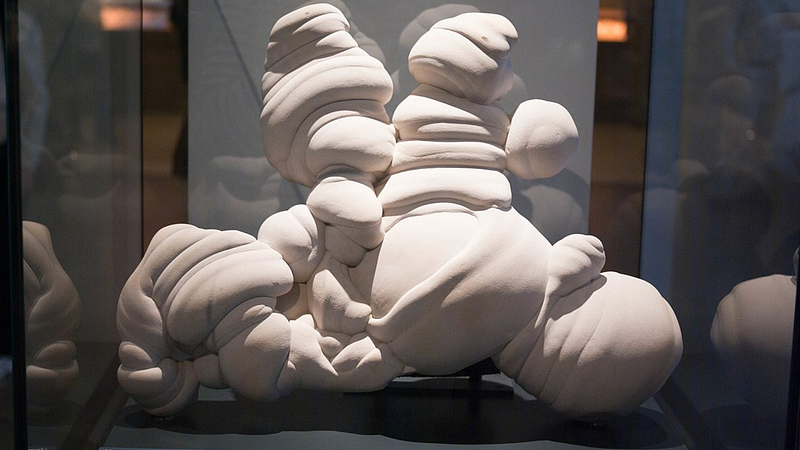
Source: Wiki

Among the many characteristics that make living organisms “living”, is the ability to grow, be mobile and give birth to young. Stones, as everyone is aware, are nonliving things that should not be able to do either of these things. However, in Romania, near Costesti village, some strange Stones are able to “grow and move”.

Called Trovants, the curious stones have confused experts ever since their discovery. No one can say for sure how these rare bulbous, budging boulders commit such acts against nature, but they have made their way into local folklore, sparking many strange, haunting controversies.

Size and Growth

The enigmatic living stones can be as small as a couple of millimeters, in diameter and weigh only a few grams, or they can soar up to 15 feet (4.5 meters) high and weigh several tons.

Since the 18th century, these bizarre, gravity-defying stones have weirded out locals with many a curious soul suspecting they were dinosaur eggs, plant fossils, or even alien pods.

The dinosaur egg theory was quite popular, as the stones appeared to be of incredibly large stature and had a strange look about them. They also seemed to grow and rumble, leading people to believe that a small dinosaur fetus was developing inside, waiting to hatch.

The History of Trovants

The name Trovants is a Romanian geological term that simply means cemented sand and was introduced by the Romanian naturalist Gh. M. Murgoci in “The Tertiary in Oltenia”.

In 2004, The “Muzeul Trovantilor” or “Trovants Museum Natural Reserve “ was formed for the safeguarding of precious geological discoveries.

Initially, it was said that trovants are a type of concretion, which is a mound of mineral matter (specifically gritstone and conglomerates) implanted within rock layers of limestone, sandstone, or shale.
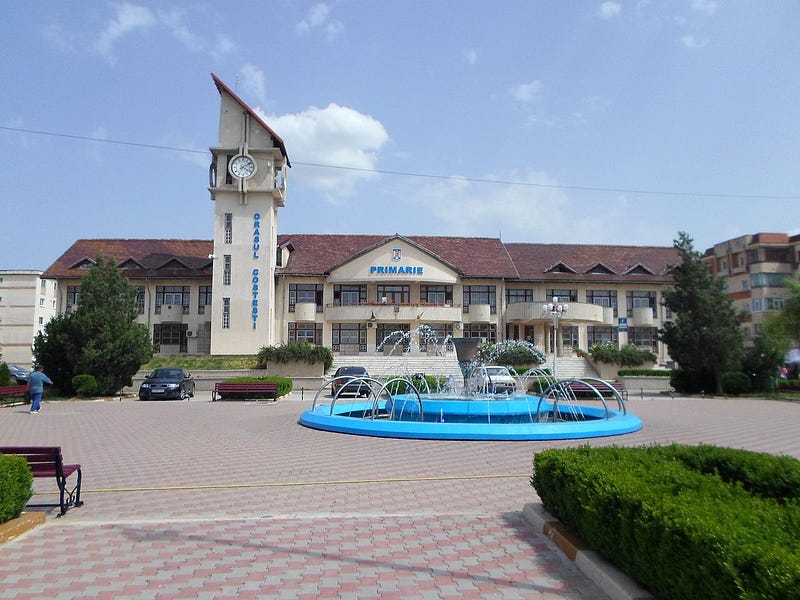
Picture of Costești where these tones are found. People there refer to them as growing stones as usually after rain, new formations can be seen. Source: Wiki

You can imagine this as sort of a sandwich of different rock materials, forming from the minerals precipitating, as the water carrying said minerals “dries up” around a nucleus of pebble, leaf, shell, bone, or fossil.

However, in 2008, the International Geological Congress in Oslo debunked these claims saying there was no mineral difference between the stones and the sandstone beds on which they sat. They also claimed there was no distinct nucleus to be found.

There is no doubt that these stones are older than men, judging by their composition and locale atop the sands. They must be creations of earthquakes that occurred 5.3 million years ago, presumably in the Middle Miocene sub-epoch era.

The sands surrounding the Trovants hint at ancient marine environments which may explain why bivalve and gastropod fossils can sometimes be found hidden in them.

The trovants secrete cement. This oddity makes some people think they may be living creatures or an egg of an extinct specie. This cement secretion tends to occur after a heavy rain shower.

Growth, Reproduction, and Mobility

It is not observable by the naked eye but researchers say the deposition rate for trovants is roughly 1.5 to 2 inches (4 to 5 centimeters) every 1,000 years.

This same phenomenon is responsible for their reproduction, which mimics that of potatoes. Like the vegetable, due to water hitting only one surface of the rock, a bulb emerges. If this bulb of rock grows large enough, it can separate itself from the parent rock, thus becoming a baby trovant.
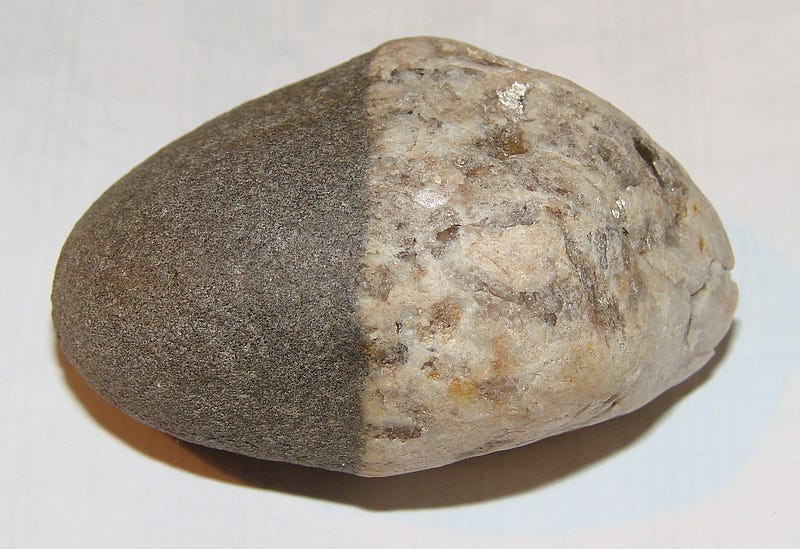
When the rocks absorb the rain’s water and minerals, the rain minerals come in contact with the chemicals that make up the stone, causing a pressure reaction that makes the rocks grow in girth. Source: Wiki

Locals also swear that the rocks can “walk”, like their distant relatives, the sailing stones of the Death Valley. Those stones appear to waft across the level landscape by themselves, and the Trovants are also claimed to do the same.

One trovant enthusiast took matters into his own hands and videotaped trovants for two weeks. According to his tape, the stone moved about one-tenth of an inch or 2.5 mm. Scientists are wary of such claims and argue that the movement occurred only due to the heating and subsequent cooling of the sands.

Where can you find them?

If you wish to see these brilliant stones, you will have to take a trip to Romania’s Valcea County where they are almost exclusively found at the sand quarry near the Costesti village, along the Gresarea Brook.

The only other place to look for is in the neighboring Otesani village where the “Muzeul Trovantilor” or Trovants Museum Natural Reserve, was developed to protect these strange geological specimens. This reserve is now under the guardianship of UNESCO.

Want to follow up more from me and other amazing writers on Medium?

Hop on the chance to join:

More From Author:

History
Art
Culture
Education
Life
Recommended from ReadMedium