
Fascinating drinking alcohol from a scientific point of view
At a party, it’s trivial: we have a few drinks, have a great time and certainly don’t spoil our mood with the prospect of a hangover. From a scientific point of view, drinking alcohol is a complex and fascinating process which has been the subject of research for years.

When we are having fun, our internal organs go crazy, stimulated by thousands of stimuli. Absorption of alcohol starts already in the mouth and esophagus, which is responsible for the layer of extremely sensitive mucous membranes. The high-alcoholic beverage then travels to the stomach and small intestine, from where the ethanol molecules also enter the bloodstream. We say that alcohol circulates in our veins, and this fact should be taken literally. But don’t let the temporary euphoria fool you. The body treats the drink as a poison and quickly begins to defend itself against it. The liver immediately begins working hard to metabolize the absorbed drink as quickly as possible. It’s a race against time between its efficiency and the next drink. The more alcohol we pour into ourselves, the more we disrupt the work of the brain, which is responsible for controlling various biological processes. Difficulty walking, blurred vision, slurred speech, slowed reaction time and memory problems appear. If you add to this the disastrous mood of the next day, drinking alcohol may seem extremely irresponsible behavior. But man has been giving in to this temptation for thousands of years and drinks with undisguised pleasure. In addition, he rarely feels any remorse.
The brain on a high
Although we know how alcohol affects the human body, there are a large number of variables that make alcoholic beverages affect everyone differently. Of course, much depends on gender, body weight, the amount of alcohol consumed, and finally, genes. No wonder, then, that alcohol and the consequences of drinking it have remained a hot topic of research for years.
Let’s start with the brain, because that’s where most of the drinking happens. When ethanol reaches the cerebral cortex with the blood, we feel a slight daze. This happens for several reasons. Alcohol turns up the receptors of gamma-aminobutyric acid, or GABA for short, which slows down the work of nerve cells and at the same time inhibits the feeling of anxiety. It is due to the enhancement of GABA activity that the reactions of people under the influence are delayed. This neurotransmitter also impairs judgment. The inhibition of brain activity makes people feel unpunished and, as a result, they take actions that they would never dare to take when sober.
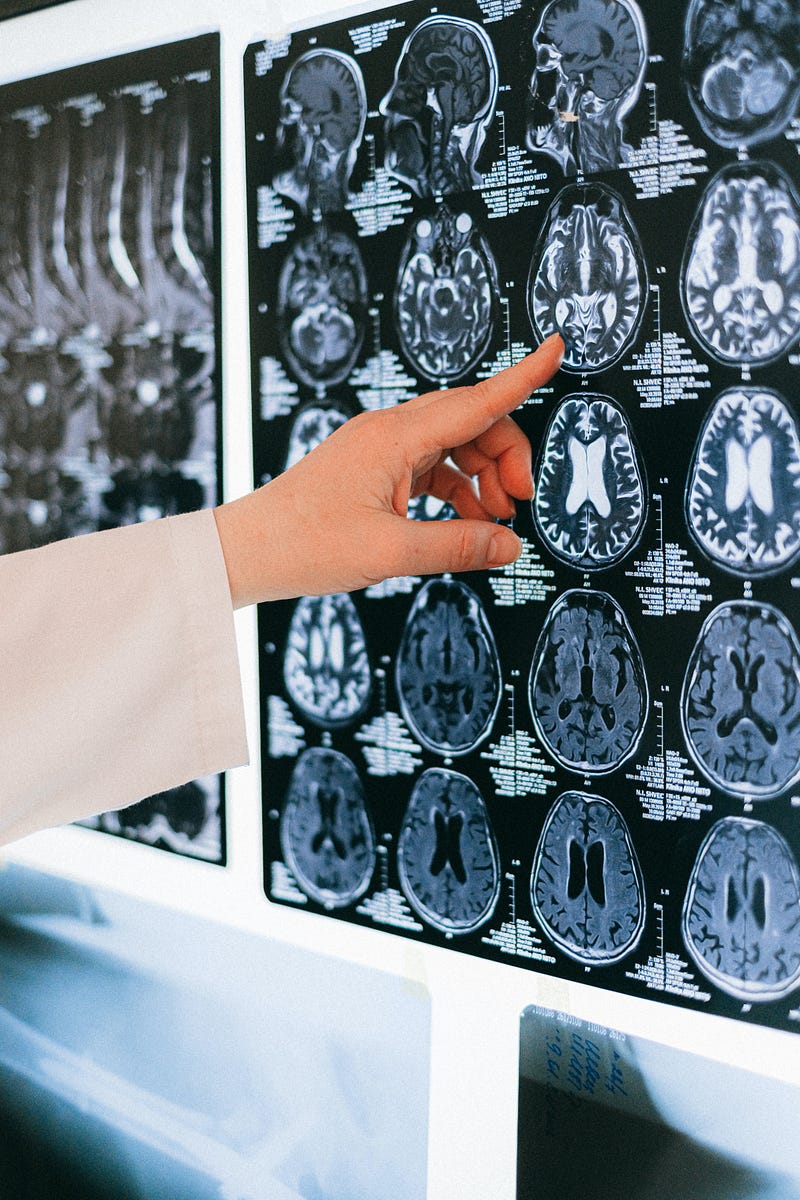
Alcohol can also increase the amount of another neurotransmitter — serotonin, which improves mood. This makes us eager to make new friends, especially if we are shy by nature. If we drink a lot, the ethanol contained in alcohol will also attack our cerebellum, the part of the brain responsible for coordination of movement and balance, which will make us stagger. Do we worry about it? No, because as proved by the team of professor Jennifer Mitchell from the University of California in San Francisco, alcohol releases endorphins, i.e. euphoric substances with an effect similar to opioids, which put us in a good mood.
But from a biological standpoint, the state of alcohol intoxication has a number of consequences. Take, for example, the distorted perception process, which, to say the least, makes women or men suddenly appear much more attractive than they really are. This happens for two reasons: firstly, alcohol increases the secretion of dopamine in the brain responsible for desire, and secondly, it disrupts the proper functioning of the occipital lobe, which directly affects our interpretation of stimuli received by the organs of vision. When we have a blurred image, our subconscious sees reality in a very simplified way. Humans by nature like symmetrical things, so we find anything that is symmetrical attractive and pretty. This is how we judge people’s faces. When we are drunk, we unconsciously look at whether the person of the opposite sex has eyes aligned, whether they are the same size, whether the nostrils and ears are symmetrical, and so on. In practice, the fewer asymmetrical points we pick up, the more attractive a partner seems to us. This pattern of thinking was proven, among others, by researchers from the University of Roehampton in London, who conducted a series of experiments on a group of students of both sexes. In the course of the study, a part of those taking part in the experiments remained sober, while the other group of daredevils was gradually made drunk in laboratory conditions. Showing them (before and after alcohol consumption) pictures of unknown people not only confirmed the hypothesis of perception by symmetry, but also drew other interesting conclusions: our simplified evaluation of other people’s attractiveness is activated already after drinking a relatively small amount of alcohol (in this case one and a half bottles of beer) and lasts much longer in men than in women.

There are, of course, more fatal consequences of binge drinking. If we don’t cut down on alcohol in time, we may experience a palimpsest, commonly known as a movie blackout, in which we don’t remember the events preceding our falling asleep. The reason for this should be seen in the impaired work of the frontal cortex and cerebellum, which, under the influence of a sharp increase in blood alcohol concentration, have a problem with the proper functioning of one of the memory processes — in this case, playback. It is known that such a symptom affects mostly alcohol addicts and heavy and heavy drinkers. Electroencephalographic studies have shown significant differences in the functioning of the brains of occasional and regular drinkers. Unfortunately, this consequence of binge drinking remains poorly understood, as palimpsest studies are extremely difficult and often ethically problematic.
The genetic puzzle
Finally, let’s get back to the question of why each of us reacts differently to alcohol. There are people who behave strangely and have no control over their reflexes even after drinking a small amount. As it turns out, genes are to blame. Much in this regard explains the specific mutation of the HTR2B gene, which was discovered only in 2010. Since then, research has been ongoing into the effects it causes. It is known that people who have this specific trait are much more impulsive on a daily basis, are more likely to have problems with self-control and mood disorders, and become aggressive after drinking alcohol. Not surprisingly, the press quickly hailed HTR2B as the violence gene. Last year, Dr. Roope Tikkanen’s team at the University of Helsinki conducted a study on a group of Finnish prisoners. Out of 170 inmates, 14 individuals were selected to have the HTR2B gene mutation. It quickly became apparent that these individuals were, on average, more aggressive and impulsive than the rest of the subjects. That’s not all. — The test subjects, when sober, tended to exhibit impulsive behavior. However, we found that consumption of even small amounts of alcohol will increase such behavior, Tikkanen concluded. For now, the research is at a very early stage. According to estimates, the harmful mutation occurs in 2.2% of the Finnish population, or about 100 thousand people. Scientists hope that further tests, conducted on a larger and much more ethnically diverse group, will lead to more representative conclusions.
Unfortunately, every pleasure has its price, so even the momentary euphoria we induced with alcohol has to be paid for. Despite the enormous progress of science, no effective cure for a hangover has been created to date. For most people it’s the so-called “day after syndrome”, but from a scientific point of view we are talking about alcohol poisoning. After we have flooded our veins with ethanol, the body must take specific actions to get rid of it.
Unambiguous identification of the culprit responsible for the hangover is not easy. The most common and most likely cause is acetaldehyde poisoning. This is a substance formed from the conversion of alcohol by liver enzymes, which is up to 30 times more poisonous than ethanol. It is acetaldehyde that causes nausea, headaches and increased blood pressure. This compound undergoes further transformations into acetic acid, which weighs down the stomach, and thanks to the body’s metabolic abilities is eventually changed into water and hydrogen, relieving sufferers of their ailments. Another hypothesis about the reasons for the occurrence of hangovers speaks of a deficiency of vitamin B12. Besides, the liver, by utilizing acetaldehyde, produces less glucose, which also leads to a significant weakening of the body.

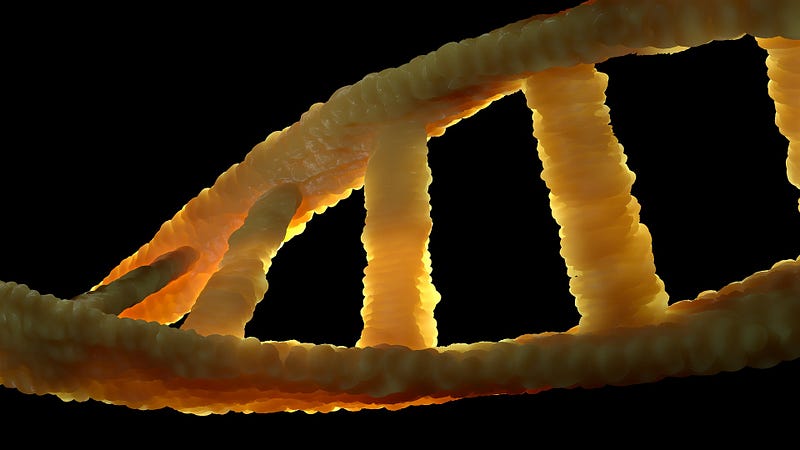
Vulnerability to hangovers, and how much alcohol we are able to drink, is a trait written into our DNA. It all comes down to how generously nature has supplied us with an enzyme called alcohol dehydrogenase. It is responsible for metabolizing alcohol in the liver. Obviously, the more of it there is, the stronger our drinking head is. Differences resulting from the amount of dehydrogenase produced are visible not only at the level of gender (men produce more of it), but also whole nations. Data from the International Center for Alcohol Policies show that less dehydrogenase is produced by residents of Asian countries, as well as Ashkenazi Jews and indigenous people of South and North America.
In treating the effects of a hangover, replenishing water deficiency in the body and sleep are helpful. It is worth remembering that a healthy body needs about an hour to metabolise and excrete about 10 grams of pure ethanol. After a party with a lot of alcohol, it’s a good idea to give the body at least 24 hours to cleanse itself of all the poisonous substances and return to full efficiency. Does this mean that after this time we can continue drinking without major implications? Absolutely not.
Fatal effects of drinking
Conclusions from research on the consequences of long-term alcohol consumption are worrying. Yes, regular drinking of small amounts, such as a glass of wine with dinner, has a number of positive effects on our body. Cardiologists are convinced that flavonoids contained in red wine improve the condition of blood vessels and stop the development of atherosclerosis. Thus, the risk of heart attack and stroke is reduced. In turn, frequent urination caused by the consumption of beer is, according to nephrologists, a great way to dissolve kidney stones. Many of these fantastic properties have already become myths and are often overestimated, so it is worth remembering not to cross a very thin line. Drinking more than the recommended amount of alcohol not only cancels the beneficial effects of alcohol on health, but it can even cause serious harm (a maximum of two glasses of wine for men and one for women per day is considered a moderate amount).
The National Institute on Alcohol Abuse and Alcoholism (NIAAA) warns: excessive alcohol abuse means that our liver has no time to regenerate, which leads to cirrhosis, i.e. irreversible damage to the organ which may be fatal. After several years of heavy drinking, damage occurs to the heart muscle and peripheral nerves. Finally, intensive drinking can cause extensive and far-reaching changes in the brain, just to mention the usual memory gaps.

Over the past few years, scientists have added cancer to the list of dangers associated with alcohol abuse. According to researchers from Loyola Marymount University, alcohol increases the risk of developing breast cancer. Professor Jennie Connor from the University of Otago in New Zealand goes even further and warns that in addition to breast cancer, alcohol can contribute to the development of six other cancers: oral cavity, pharynx, larynx, esophagus, liver and colon. Data published by the researcher shows that nearly half a million people died from alcohol-related cancers in 2012 alone. The exact biological mechanisms that make alcohol contribute to such diseases are still unclear. According to one theory, alcohol can modify DNA, leading to many unfavorable mutations.
Professor David Nutt, a British psychiatrist and psychopharmacologist from Imperial College London, has also been talking about alcohol’s harmfulness for years. According to the scientist, alcohol abuse wreaks more havoc in our bodies than heroin. In his book “Drugs without the Hot Air” he writes that cultural conditioning is responsible for assessing the harmfulness of a given drug. The researcher concludes at the same time that if alcohol “were invented today, it would immediately be on the black list of the most combated drugs”. As a result of the researchers’ efforts, WHO has placed alcohol abuse among the five most important causes of death in wealthy countries.
Prof. Nutt, realizing that even with such facts he would not get people to stop drinking, began working on creating organic alcohol. In September 2016, the team led by him achieved some success — they boasted the development of a recipe for a drink that does not contain alcohol, although drinking it leads to a state similar to mild alcoholic intoxication. The scientists also note that its consumption would be safe for the body, as it would not only not cause addiction, but also would not lead to side effects from excessive drinking. Nutt hopes to get all the necessary certifications by 2050, and the product will pass the necessary clinical tests that will allow it to be sold in stores. But will fans of strong drinks be convinced?
The art of drinking
How we feel the day after a party largely depends on how much and how we drank. The basic rule is not to consume alcohol on an empty stomach. Lack of a meal between drinks causes ethanol to enter the bloodstream much faster, and in such concentrated doses that it hits the head much sooner. According to researchers at Boston University School of Public Health, the disastrous effects of mixing different alcohols together are mostly a myth. From the point of view of the chemical reaction in our bodies it does not matter much.

A more serious problem is the amount of alcohol consumed. Scientists also point out that there are some exceptions. It’s better not to mix non-carbonated alcohol (e.g. vodka) with carbonated alcohol (e.g. beer, champagne) because the carbon dioxide contained in the latter accelerates alcohol absorption into the blood (under the influence of gas, the pressure in the stomach increases). The same is true when mixing pure (so-called white) and colored alcohols. Colored alcohols have more by-products of the fermentation process, which makes them more harmful to us. And finally, the most important rule: under no circumstances should you mix alcohol with medicines, especially antibiotics. Many medications can interact with alcohol, increasing the risk of illness, injury or death.
How did our ancestors deal with a hangover?
It is widely believed that the best way to deal with a hangover is to consume water, possibly drink coffee and swallow an aspirin. While the proponents and opponents of such treatments can be divided roughly equally, different communities have dealt with this issue in a variety of ways over the centuries. In ancient China, horse brains were eaten after a night of drinking. The Egyptians thought that only sauerkraut would protect them from a hangover. The Assyrians believed in a concoction of myrrh and ground beaks of swallows, and the Romans — in roasted canaries. Wives of the Warao Indians from South America rocked their alcohol-poisoned husbands in hammocks, thinking that this would make the alcohol evaporate faster. But this is not the end. In Puerto Rico, while waiting for relief, armpits were rubbed with lemon. The inhabitants of Singapore consider herbal soup with ginger as the most effective remedy. In Mongolia, the effects of alcohol are treated with tomato soup with a bull’s eye floating in it, while in Korea, alder tea is used. There’s no denying that with such treatments, water seems like a pretty reasonable remedy.
Alcohol and myths
Tourists visiting warm countries, exposing themselves to the risk of diarrhea caused by contact with a different bacterial flora, claim that you need to prophylactically consume alcohol. I have to disappoint them — it is impossible to disinfect the digestive tract from the inside. In addition, ethanol irritates the mucous membranes of the stomach and intestines, which — if they really suffered from stomach problems — would only exacerbate the discomfort.
Another myth is that beer is good for people with kidney stones. In fact, it neither prevents nor cures kidney stones. So why do even some physicians recommend it?
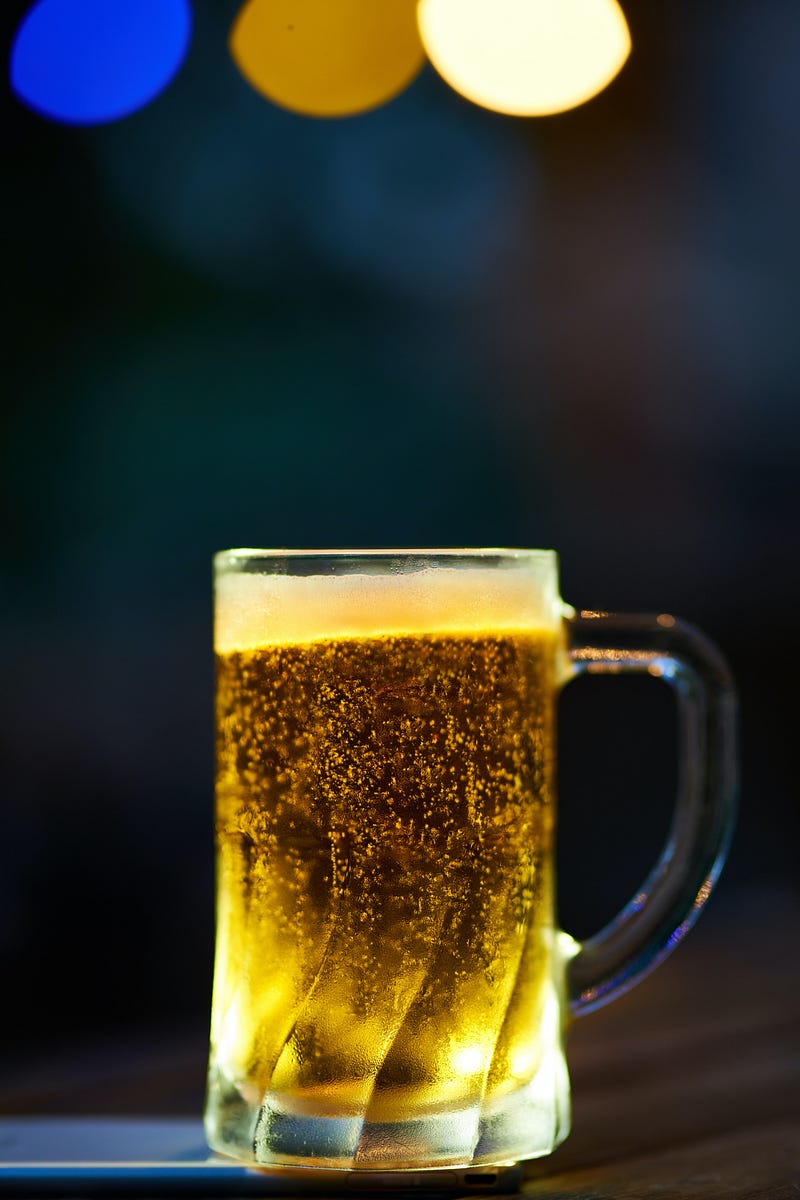
Well, they know that it is not easy to persuade a patient to drink 2–3 liters of water every day, and it is the intake of large amounts of fluids that plays the most important role in preventing/treating kidney stones.
Will vodka with pepper soothe abdominal pain? Alcohol is an irritant and may additionally damage the gastric mucosa. Therefore, it exacerbates the symptoms of existing peptic ulcer disease or those resulting from inflammation of gastric mucosa.
Does alcohol improve digestion? Yes, but only when it increases gastric juice secretion, which depends on the concentration of ethanol and additional ingredients of the drink. Pure ethanol in low concentrations (less than 5%) stimulates the secretion of gastric juice to a small extent, in higher concentrations it has no effect at all or a slightly inhibiting effect. Alcoholic beverages with a low ethanol content, such as beer and wine, are much better suited for this purpose. They additionally stimulate the release of gastrin by the pyloric cells of the stomach — this hormone stimulates gastric juice secretion and intestinal peristalsis (consumption of such alcohols may therefore improve digestive comfort). This effect is not present in drinks with a high concentration of ethanol. However, in order for a glass of wine to aid digestion, one should keep moderation in eating. Too fatty meal together with alcohol will make everything stay in the stomach longer. Moderation must also apply to the amount of liquor.
Why shouldn’t alcohol and medication be combined?
Consuming alcohol while taking medication can lead to a number of serious health consequences. It is important to be aware that it is not just about taking alcohol and medication at the same time. It is necessary to take into account the total time they stay in the body, and even the changes that occur under the influence of long-term alcohol or drug intake. The interaction may involve the processes of absorption, distribution in the body, and above all metabolism. The main site of alcohol metabolism is, as is well known, the liver. The metabolism of many drugs also takes place in this organ, so with their simultaneous presence there is competition for metabolizing enzymes. Even a small amount of alcohol can inhibit or slow down the metabolism of a drug. As a result, the drug is in the body longer and may accumulate, potentially increasing the risk that the person will experience harmful side effects.
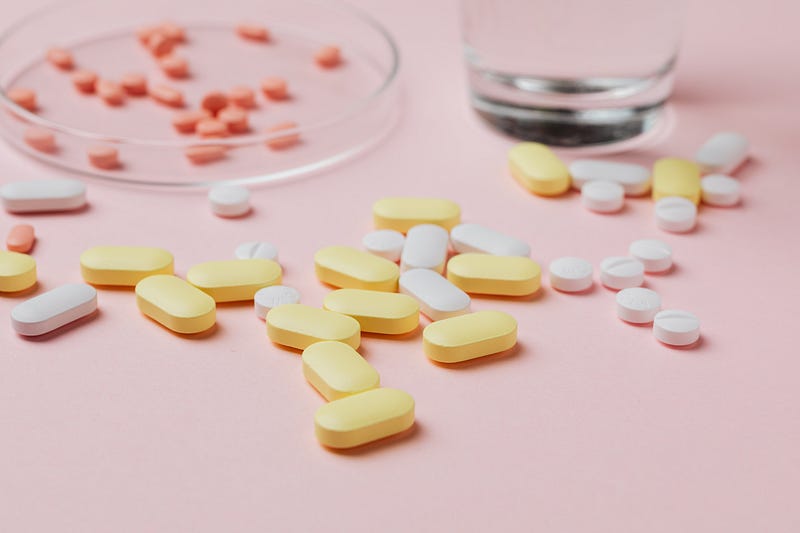
Does this rule apply to all medications? — No. Taking sedative and sleep medications, such as the commonly used benzodiazepine derivatives or their predecessors, the barbiturates, in combination with alcohol can cause significant sluggishness, coma, and even lead to death from respiratory depression. This also increases the risk of accidents in traffic, at work or at home.
It is also important to avoid alcohol if you are taking antihistamines, which are used for example to treat allergies. Side effects include drowsiness, fatigue, weakness, impaired concentration, restlessness, dementia, headaches and dizziness or balance disorders. Alcohol can intensify these effects, and the elderly are a group particularly vulnerable to these interactions.
When it comes to pain medications, the most dangerous, of course, are interactions of alcohol with narcotics like opioids (morphine, codeine). Taking them together increases the risk of death from overdose. Alcohol consumption activates enzymes that convert acetaminophen (paracetamol) into chemicals capable of damaging the liver. This effect can occur in people who drink widely varying amounts of alcohol, even at low doses of acetaminophen. Many cases of deaths from poisoning by such toxic metabolites have been reported in the literature.
On the other hand, when acetylsalicylic acid (aspirin) or its derivatives are combined with alcohol, gastric bleeding or inhibition of blood clotting may occur. Finally, alcohol should not be consumed by people taking anticoagulants because it enhances their effects, increasing the risk of life-threatening hemorrhages, or by people taking antiepileptic drugs because it reduces their effectiveness and thus reduces protection against epileptic seizures.
Cool that you made it to the end of this article. I will be very pleased if you appreciate the effort of creating it and leave some claps here, or maybe even start following me. Thank you!