
Facebook Doesn’t Work In Australia Anymore — Zucks Blocked All News
The #DeleteZuckerberg movement is getting stronger.
I logged into Facebook today to view the latest videos from my favorite channel, Goalcast. I got a message that said “no posts.” Goalcast is a platform for inspirational content with 11,000,000 followers. Something felt wrong.
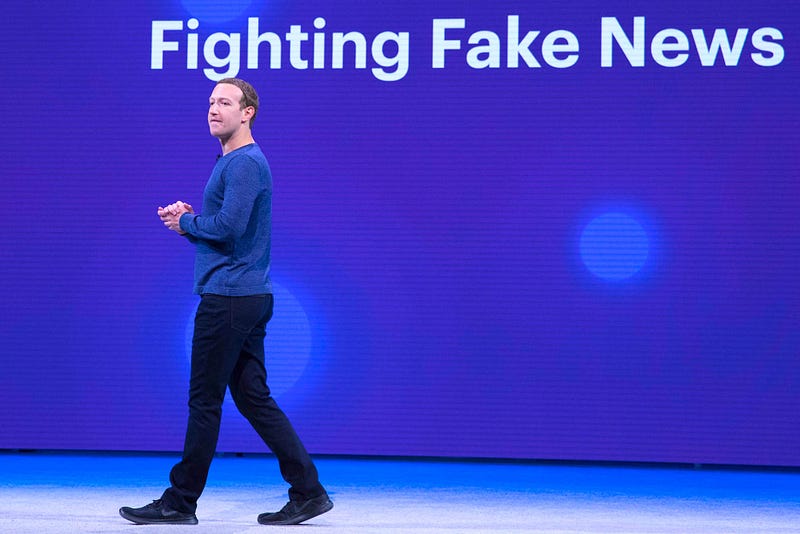
Then I went to Twitter and #DeleteFacebook was trending. Facebook clashed with the Australian Government over paying for news content. Google struck a deal to pay for news. Mark Zuckerberg decided to take things into his own hands and block all news.
Let that sink in for a second. Mark Zuckerberg blocked all news in Australia.
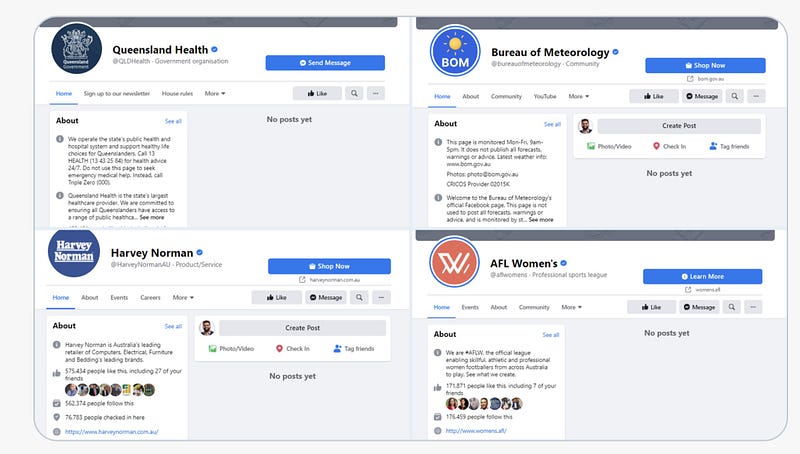
Here’s what’s even crazier: Facebook blocked non-news content too.
Goalcast is an example of that. Their content isn’t news-related but it’s now blocked and deemed to be news in Australia. Hobart Women’s Shelter, which provides crisis accommodation and help for women who are going through homelessness or have experienced domestic violence, has been silenced too.
In 2021 this is all evidence of what is wrong with social media. Social media is losing the plot. As a content creator, I rely on social media to research ideas and distribute my work. Now that Facebook has chosen content war, people like me need to adapt or face ruin.
Facebook is becoming irrelevant.
I don’t post on Facebook anymore. Unless I pay money for ads my content is seen by hardly anyone. The user interface is cluttered. The homepage is littered with red notifications telling me what to pay attention to.
Sometimes I go to Facebook to research a topic and within seconds I forget why I even opened the app. That’s what red notifications can do. Notifications can make you forget the present so they can drag you into a business’s business model. In the case of Facebook, ads are the business model.
Having a business model drive a user experience no longer works. Users come to an app to have their needs met, not the needs of a business. The prioritization of ads is one reason Facebook will become extinct.
The quality of content on Facebook is going downhill too. I see ads instead of family (the reason I still have Facebook).
Facebook has blocked news. What if users block Facebook?
That’s the challenge with the internet. Users have all the power and they can simply use social media to spread the message to delete Facebook.
Honest business always wins in the end. Facebook is playing game of thrones with its users.
They think Australia is just a dot on the global map, full of a bunch of laidback Aussies sleeping in tents out in the middle of a desert full of kangaroos and ‘you beaut’ snakes. Aussies like me are laidback, but we’re not stupid. The world listens to Aussies. The world is watching what Facebook is doing to Australia. The question is, will the world agree with Facebook or delete Facebook? My guess is people around the world will delete Facebook.

I don’t hate Facebook, though.
Facebook is only human. Facebook is a human experiment. And Facebook failed as an experiment.
Having humans have so much power to control what people see during large parts of their lives is destined for accidental abuse. I don’t believe Mark Zuckerberg was born evil. I don’t think he’s trying to take over the world. I think he’s just a grown teenager who lost his way and doesn’t know how to stay relevant. His key strategy going forward will be to acquire social media apps that compete with Facebook, the way he did with Instagram and WhatsApp.
Facebook started out as a platform to connect people. Facebook used to be a place to add friends to your life and make the world less lonely. Over time the drive to make shareholders wealthy got in the way. “Marketers ruin everything” as social media expert Gary Vaynerchuk says.
Marketers ruined Facebook with their ads that stole Zuckerberg’s attention.
What will replace Facebook?
dApps (decentralized apps) are coming fast. It’s why Bitcoin and Ethereum are outperforming every other asset in the world. It’s not a craze or a bubble as some have predicted. It’s the building of a future where ownership is transformed. Where ownership isn’t controlled by accidental billionaires like Mark Zuckerberg. Where the community acts as a democracy. Where users own their data.
Jack Dorsey, co-founder of Twitter, has seen the light too. That’s why he is pivoting his company’s resources towards a decentralized future. (Now that’s self-awareness and leadership.)
There are no clear decentralized apps that will replace Facebook, yet. This is definitely going to change. A world where Mark Zuckerberg can’t turn off the news is coming. I hope it comes quickly. Honestly, I hope Facebook sees the error in their ways and chooses humanity over their business model.


.jpg)