Exploring the Ruins of Britain’s First City
Surprising discoveries in an unassuming Essex town
I probably wouldn’t have gone if it wasn’t for the super cheap train ticket. I feel like a lot of my travel stories start with “I found a cheap plane/train/bus ticket,” but I’m a broke 20-something, so that is often an important factor — sometimes even a deciding factor — in where I go. Anyway, that’s how I ended up visiting a small city in Essex called Colchester last fall.
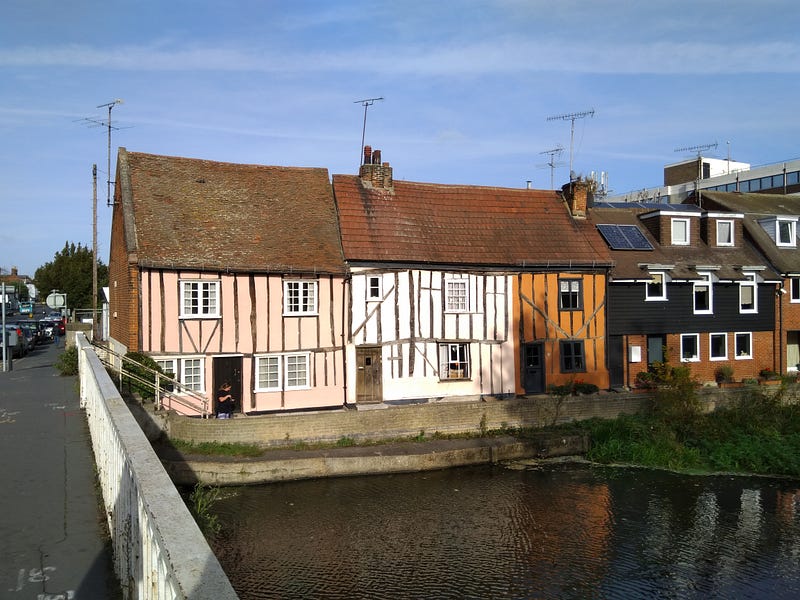
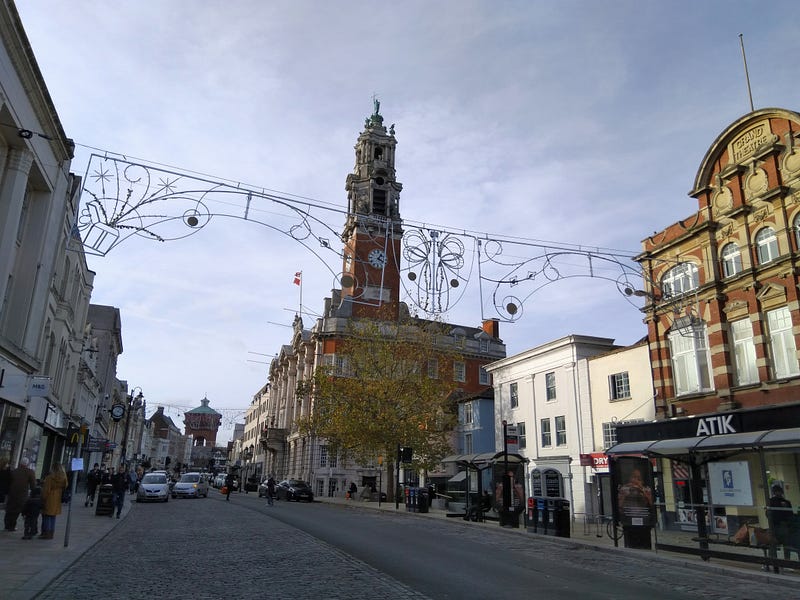
My first impression of Colchester wasn’t the absolute best, considering it holds the title of being the oldest recorded town in Britain. There are some pretty medieval buildings, but a lot of the town isn’t that exciting or beautiful. Maybe I was being unfair by comparing it to some truly amazing towns and cities in the UK, but I try to give my honest opinions about the places I travel when I write, and that was how I felt (hopefully I’m not offending anyone if this is their hometown! Sorry!).
I think it’s fair to say, though, that Colchester is worth visiting less because of the town itself and more for the historical sites. One of these is Colchester Castle, which has the largest Norman keep in Europe. The truly surprising aspect of Colchester Castle, however, is that it was built on the ruins of a Roman temple. Before moving to Europe I really associated Roman ruins with Italy, as well as a few other Mediterranean countries. Of course, the truth is that they’re much more extensive than that!
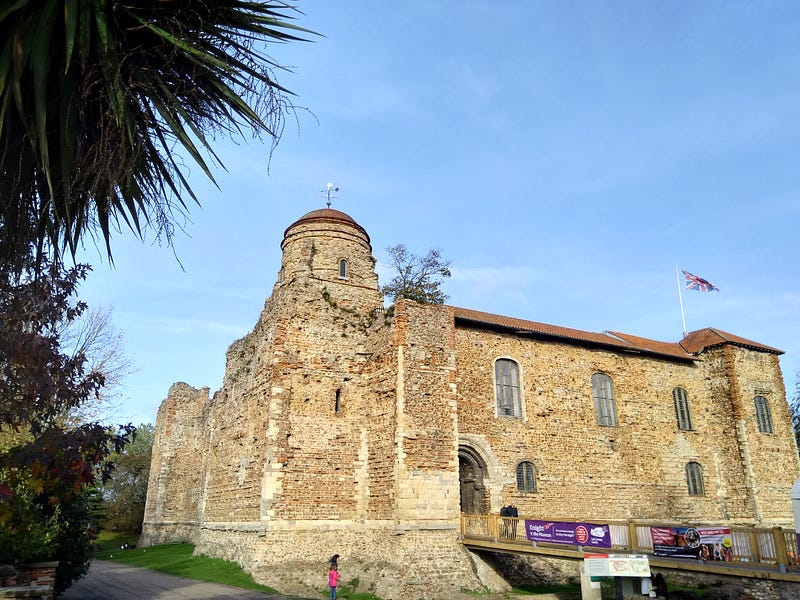
The castle grounds include a large park, which is definitely worth spending some time exploring in my opinion. It’s one of the best places in town to see the Roman Wall, which I, unfortunately, failed to take a picture of — I didn’t think ahead to the fact that I’d need it for a story!
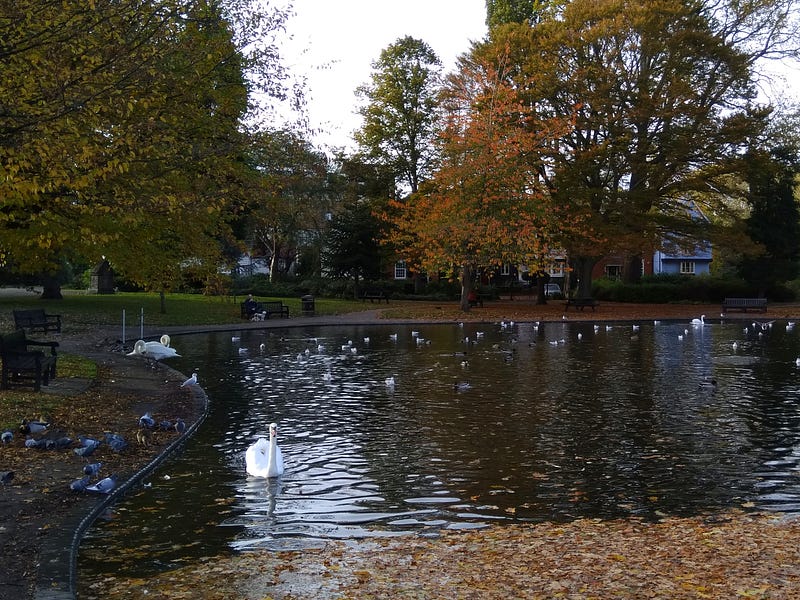
But I did take some pictures elsewhere in the park. The trees were beginning to change colors when I went, and there was a pond with several swans as well as ducks and pigeons. It was a tranquil place to stroll around, bird-watching and enjoying the autumn foliage.
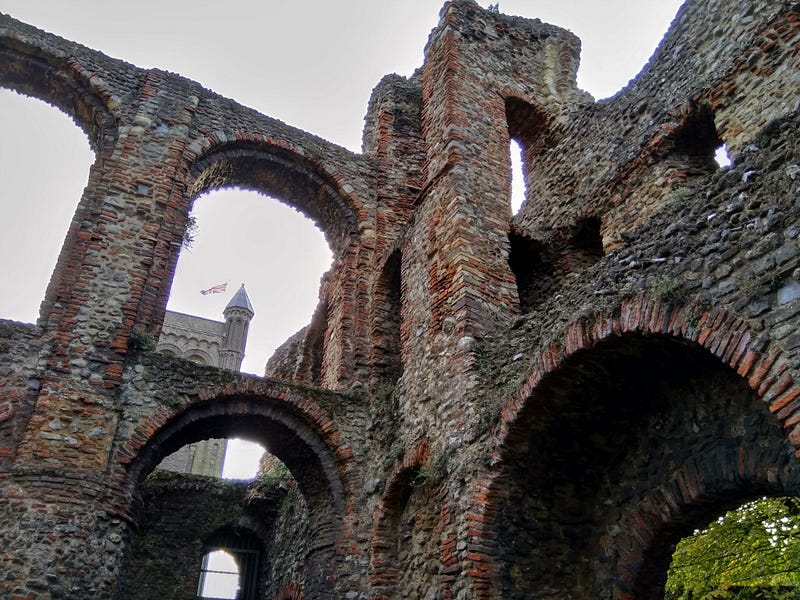
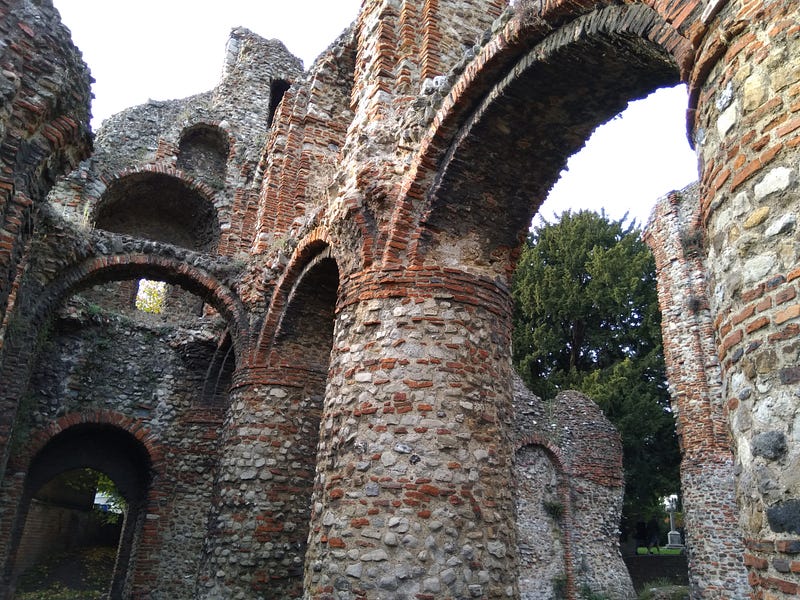
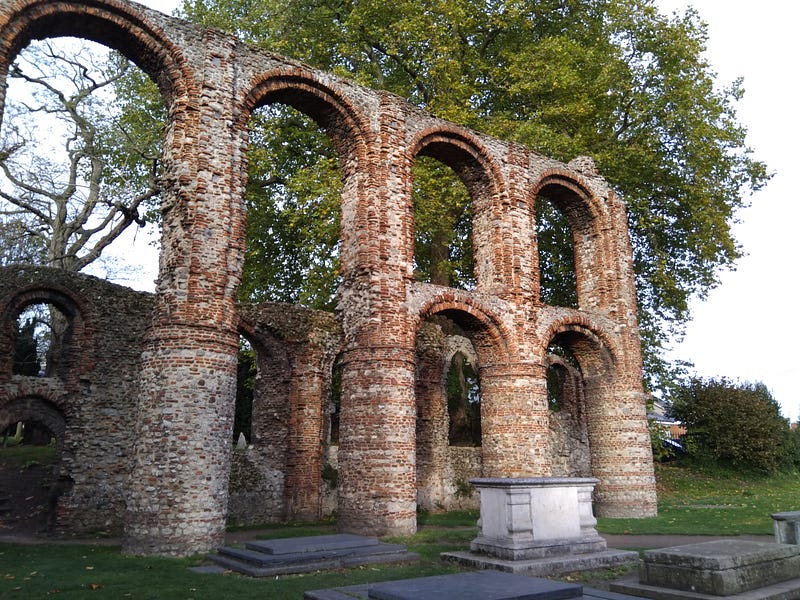
My favorite ruins that I saw in Colchester were those of St Botolph’s Priory. Although they’re Augustinian ruins rather than Roman ruins, they were built partly with Roman brick. The priory was completed in 1150, but was partially destroyed in a siege in 1648 (source). I found the archways to be quite beautiful, creating frames for the trees and buildings beyond.
A fun but strange fact that I’ve learned since visiting is that some historians believe the famous nursery rhyme Humpty Dumpty was based on something that happened during the seige that destroyed the priory. Who knew?!
I loved reading about Roman ruins in a completely different part of the world — Jordan — in this great story by Scott-Ryan Abt:
I also found Adrienne Beaumont’s story about her experience visiting the ruins of Troy, as well as the Trojan Horse replica, quite interesting:
If you would like to support my writing, please consider clicking the follow and subscribe buttons! Additionally, you can sign up to be a Medium member here: https://medium.com/@claireelizabeth21/membership (I will get a small commission). It’s only $5 a month, and gives you access to an unlimited number of stories by me and many other writers!