
RUINS OF THE WORLD
I Thought Troy Was a Myth
And then I saw it… what was left of it
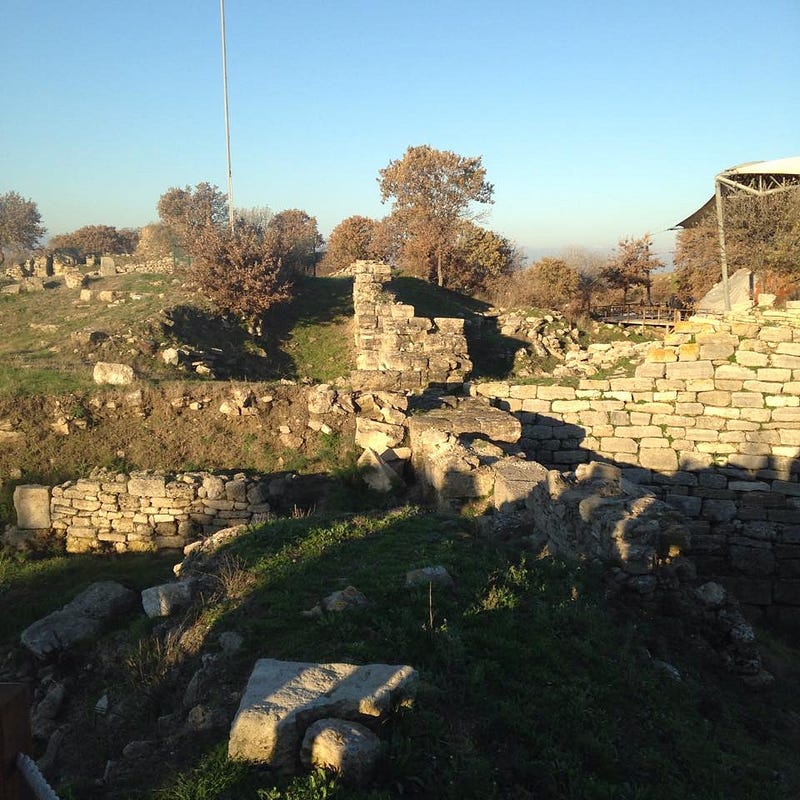
Yes, Troy was a real place, although many Greek mythological events occur here, I think. You’ve heard of the Trojan Horse?
The story of the Trojan Horse describes how Greek soldiers were able to take the city of Troy after a fruitless ten-year siege by hiding in a giant horse supposedly left as an offering to the goddess Athena.
If you look at the last photo of the replica, the original Trojan Horse would have had to have been ten times larger at least to fit enough Greek soldiers in to capture a city.
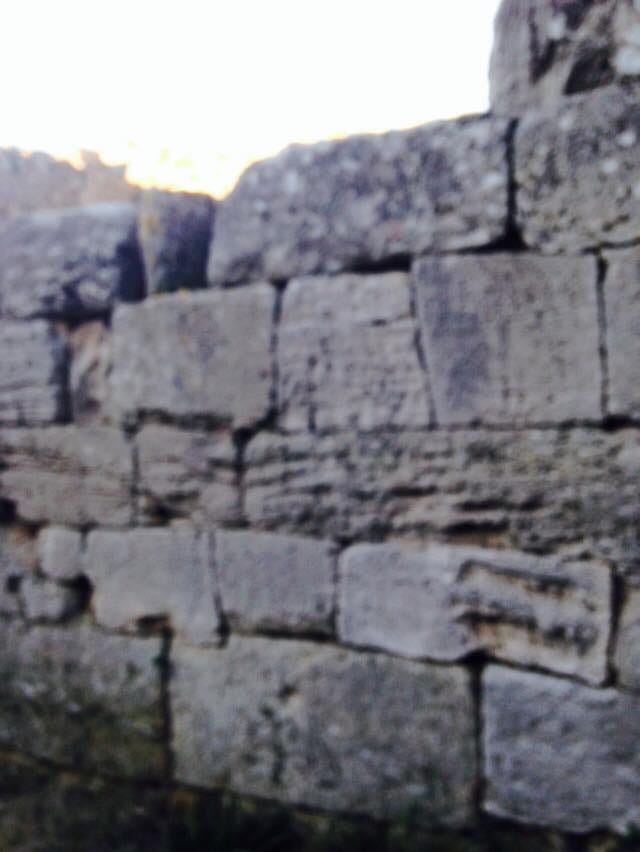
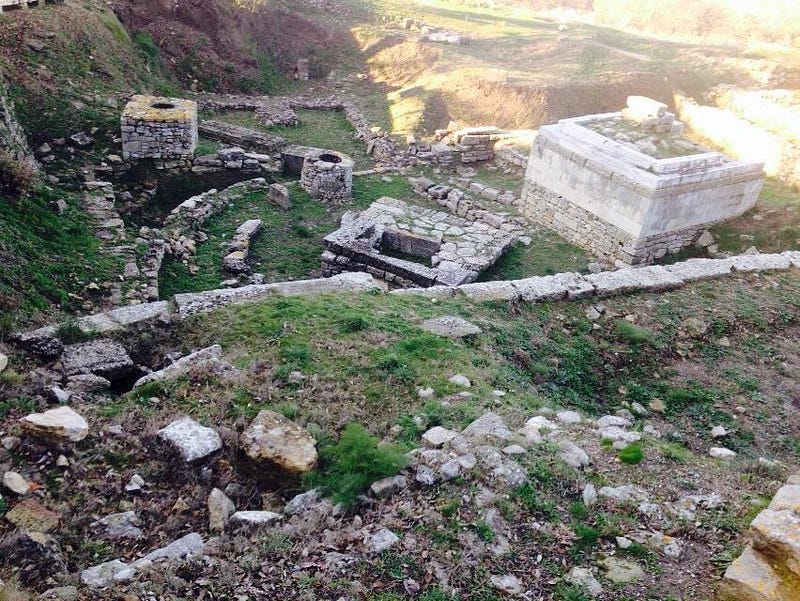
Troy was rebuilt 9 times - each of the previous settlements was razed to the ground by earthquake or war - but the one we know most about was the 6th Troy.
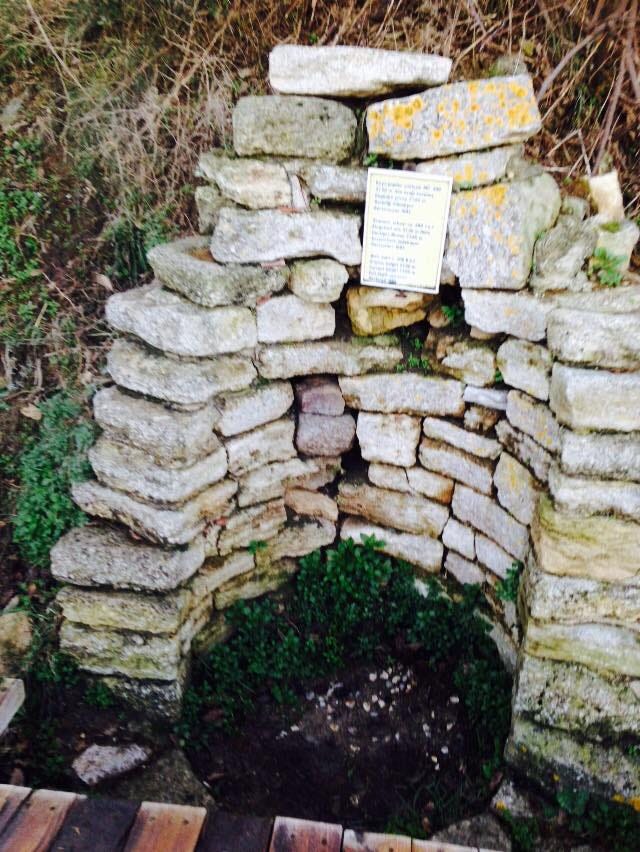
A German guy in the late 19th century destroyed much of it by excavating wildly to find the supposed treasures of the Palace. I’m not sure if he succeeded or not!
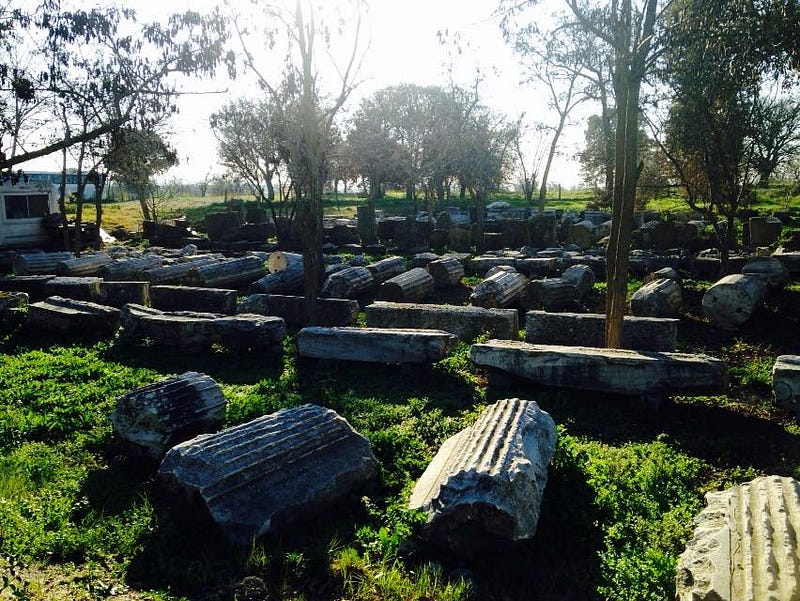
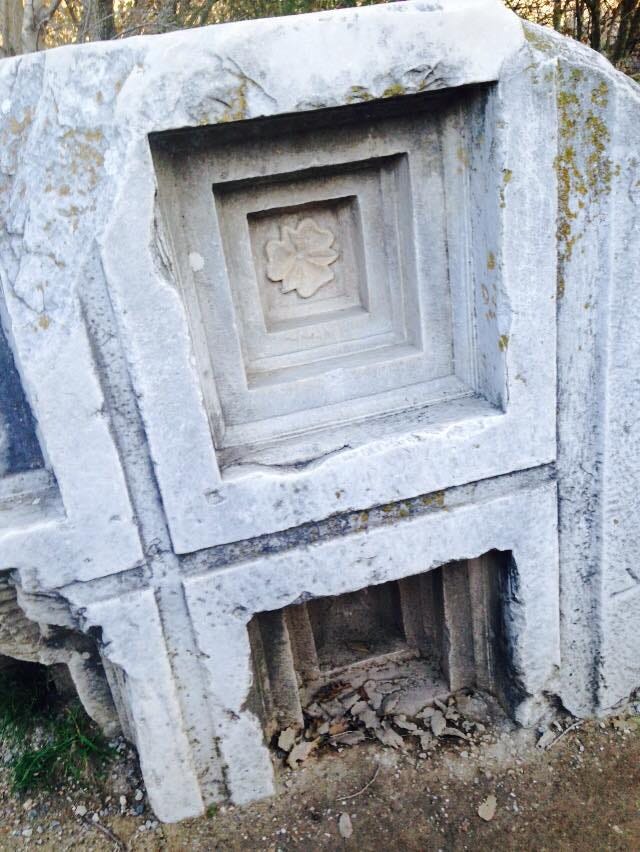
Parts of the ruins are spread around the grounds awaiting reconstruction maybe. Look at all those columns!
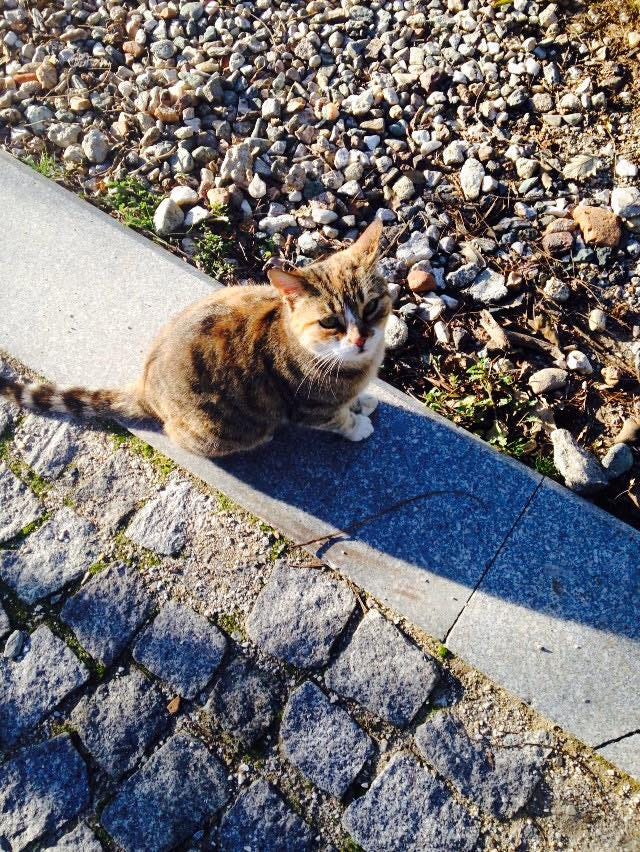
As Jillian Amatt will tell you if it’s in Turkey, there’ll be cats.
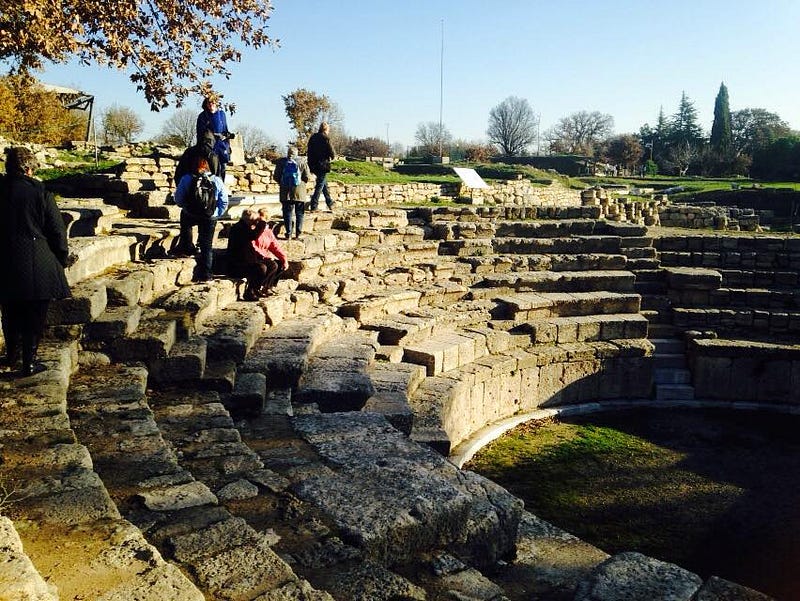
There’s always an amphitheatre in every Roman and Greek ruin I’ve visited. Entertainment must have been a large part of their lives. The astonishing thing about these amphitheatres is that, if you stand on the stage and talk in a normal voice, “Romeo, Romeo, wherefore art thou Romeo?”, you can be heard all around the theatre even from the top row of seats!
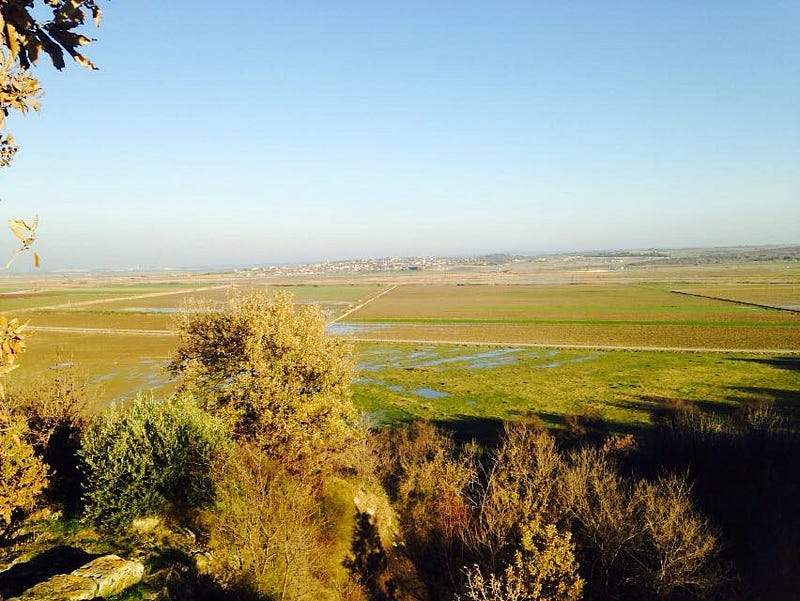
It was only when Troy lost their harbour because the river completely silted up that it was never rebuilt. You can see in the above photo how far Troy’s ruins are now from the coast. You can barely see the sea in the distance.
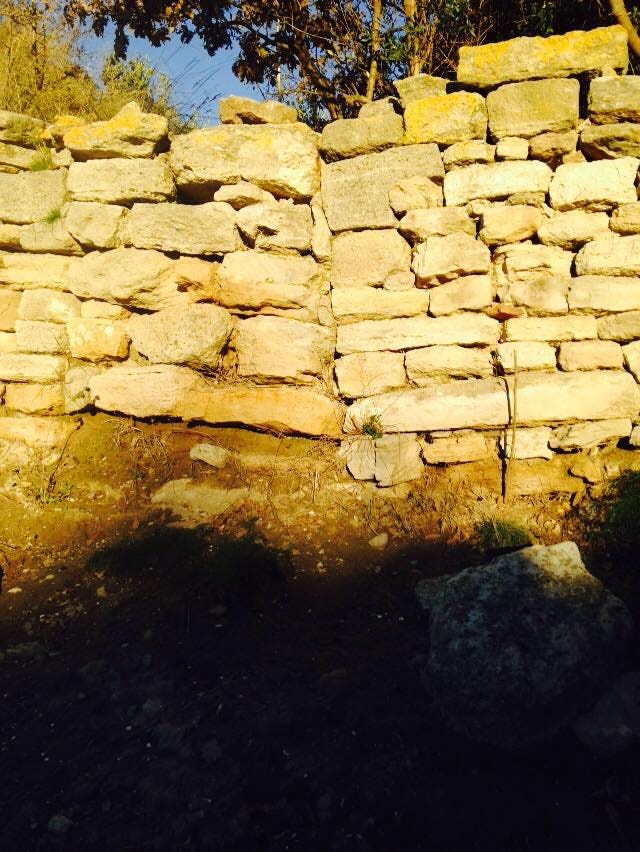
We could see the different levels because of the way the walls were built and the type of material used.
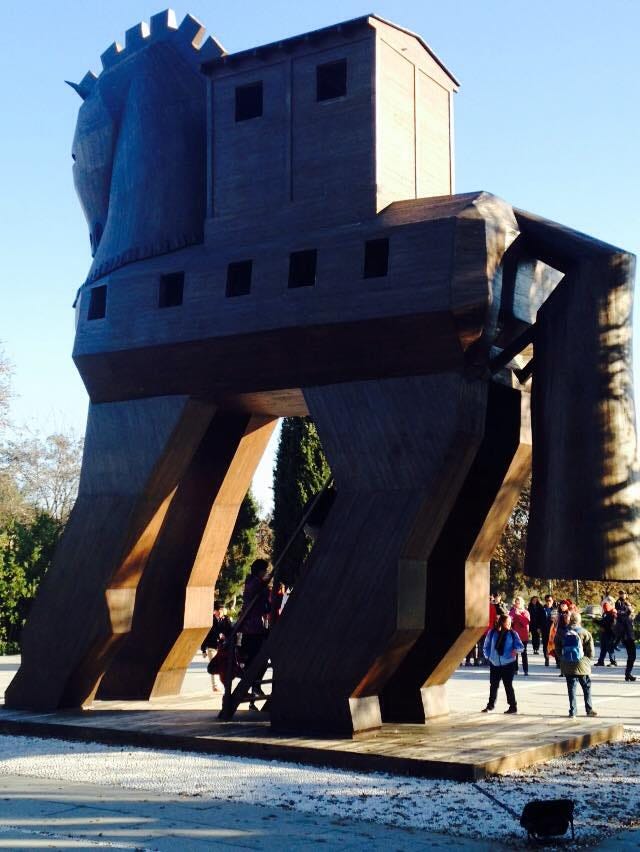
The least interesting but most challenging part of the visit to Troy was the replica Trojan Horse. I climbed up it quite easily but had difficulty climbing down. By the time I reached the bottom, there was a huge lineup of Japanese tourists waiting to climb into the wooden horse. I think they came to see the Trojan Horse and not the ruins of Troy as they left as soon as they had seen the horse.
Here’s a fascinating story of ancient tombs in Fethiye explored by Jillian Amatt - Artistic Voyages just three months ago.
And here’s the myth explained by Gerald Washington. It’s interesting how this story has survived.
If you like what I write, and would like to read to your heart’s content, please consider joining Medium through this link. Thanks. 😆


