
Exploring the Relationship Between Interest Rates and the Stock Market — Become a Smarter Investor!
Understanding the effects of interest rates on the economy can make you a smarter investor!

From affecting your personal finances to the entire macroeconomy as a whole, interest rates have a huge impact on the financial world, including the stock market.
For students who are just beginning to invest their money in the stock market, it’s important to understand the effect that interest rates can have your investments, as they can certainly be a primary cause for your portfolio swinging far into the green, or even further into the red.
That’s why in this article, I’ll be exploring what interest rates are, how they can affect the stock market, how they can relate to the macroeconomy, and what this might mean for you as a student beginning to invest and take responsibility for your own finances.
Let’s explore beyond what you’ve learned about interest rates in your economics class, and leverage this knowledge to become smarter investors!
What Are Interest Rates?
In a nutshell, the interest rate represents the cost of borrowing money (credit), and the reward for savings (the money you’ll earn on top of your savings in the bank).
Interest rates are set by central banks, such as the Federal Reserve in the United States, or the Reserve Bank of New Zealand and are expressed as percentages (for example, an interest rate of 6.8%).
The Different Types of Interest Rates
Nominal Interest Rates
This is the stated interest rate that isn’t adjusted for inflation. It’s the dollar figure you’ll see banks advertising on their flyers, posters, websites, etc.
It affects everything from the interest you earn on your savings accounts to the interest your parents will pay on their mortgage.
Real Interest Rate
The real interest rate is the nominal interest rate adjusted for inflation, indicating your true purchasing power.
It accounts for increases in the general price level within the economy (which is inflation), and is generally lower than the nominal interest rate, unless inflation is 0%.
How Do Interest Rates Affect the Stock Market?
The Relationship Between Stocks and Bonds
The stock market is greatly affected by interest rates, particularly in the inverse relationship between interest rates and bond prices.
Firstly, What Even is a Bond?
A bond is a loan you give to a company or government.
It’s commonly used a debt-security investment.
The government or company you invest with will pay you interest over time, and return your money back to you when the loan or bond matures.
The Inverse Relationship
The inverse relationship between interest rates and bonds means that as interest rates increase, bond prices typically decrease, and vice versa.
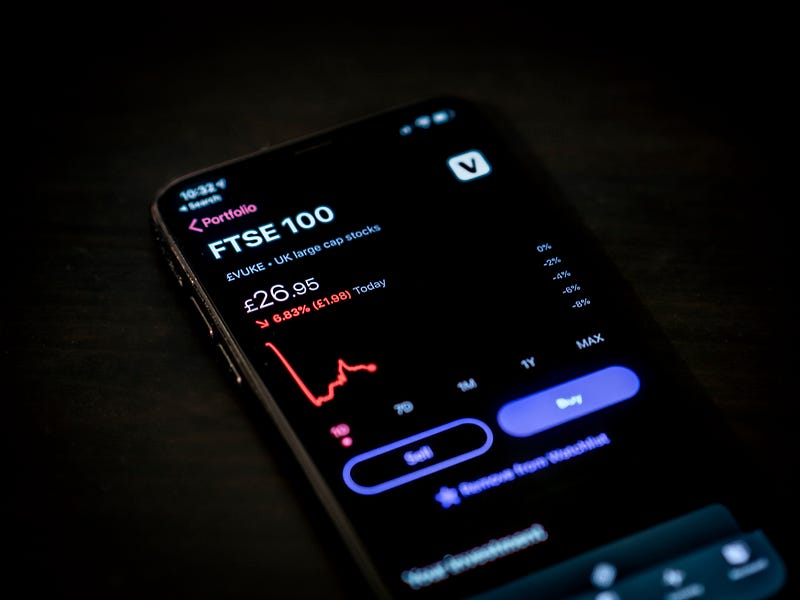
This is due to the fact that bonds with fixed interest rates become less desirable and attractive to investors when newer bonds offer higher returns.
As bond prices fluctuate, it can also impact stock prices and trading volumes as these two financial instruments both compete for investors’ capital.
Borrowing Costs
Companies’ borrowing costs are significantly affected by interest rates.
Just like how rising interest rates would make your parents’ mortgage on their home more expensive, when interest rates rise, businesses may face higher costs to finance and fund their operations and business activities.

These increased costs can lead to reduced profits for companies, ultimately impacting stock prices as investors will see that these companies are seemingly not doing as well as they used to.
Investors closely monitor how the companies they are invested, or want to invest in, are performing.
Poor annual reports or quarterly earnings reports that show declining financial performance can lead to a decrease in investor sentiment, leading to stock prices dropping.
On the contrary, falling interest rates, which make borrowing credit and taking out loans for investments cheaper for businesses and your parents alike, can cause stock prices to increase due to stronger market sentiment.
Decisions about Investment Vehicles
A rising interest rate may increase the opportunity cost of investing in stocks.
Stocks offer a potential return, whereas bonds and other fixed-income assets offer a safer, more predictable return.
As a result, some investors may be tempted to invest more money in bonds and less in stocks as interest rates rise, which will cause a lower market sentiment in the stock markets.
To learn exactly how you can be effectively investing your time and money as a student, click the link below:
Economic Indicators
Interest rates also serve as indicators of economic health.
Central banks will adjust interest rates to manage economic conditions.
During times of economic heat, generally when inflation has surpassed the target of 1–3% per annum, central banks raise interest rates to cool down the economy.
In an attempt to slow things down and reduce the inflation rates.
For investors, this indicates that corporate earnings might slow down, resulting in fluctuations in stock market performance.
Understanding this economic indicator is crucial to being able to roughly predict stock market action, and it’s also why so many people say that you need to keep up with the economic news happening around you.
Dividend-Adjusted Yields
A stock dividend yield is often compared to that of a bond yield.
If bond yields rise due to increased interest rates, stocks may need to be able to offer more attractive dividend ratios and payments in order to remain competitive.
In the event of rising interest rates, companies may feel obliged to increase their dividend payouts, making stocks a more attractive investment due to the expected higher returns.
It is important for students to be aware of this concept, as it can be the cause of your portfolio going up, or tanking south.
What Does This Mean For You as a Student?
Stay Informed and Updated
Data on economic indicators and central bank decisions are crucial to gauging market shifts, personal finance implications, and macroeconomic trends.

It’s a good habit to get into reading the economic news around you and learning about how it might affect you and your investment decisions.
Portfolio Diversification
The risks associated with interest rate fluctuations can be mitigated by maintaining a diversified investment portfolio.
The aim of diversification is to protect against the adverse effects of rising interest rates on stock prices by spreading investments among various asset classes, such as stocks, bonds, ETFs, and real estate.
You can learn more about the different asset classes you should be investing in by clicking on the link below:
Taking a Long Term Approach
The stock market fluctuates due to interest rate changes in short periods.
In order to navigate market volatility caused by interest rate changes, and ride out the effects that this can cause, students should adopt a long-term investment horizon, focusing on their investment objectives and long term financial goals.
Don’t always get so caught up and get scared by what’s happening, and always focus on what’s going to happen long term.
To Wrap Things Up
If you’re an avid reader of Grad Excel, chances are, you’re already an investor.
Therefore, it’s going to be extremely important that you understand the implications involved with interest rates, and how they can affect the performance of your investment portfolio, wherever your money might be sitting.
I hope you’ve enjoyed reading through this article, and have been able to learn something from it!
If you did, remember to share it with a friend, and check out the rest of the Medium publication, Grad Excel if you’re serious about becoming the highest performing student you can be, beyond simply your academic performance!
All the best for your investing endeavors.


