avatarB.R. Shenoy

Free AI web copilot to create summaries, insights and extended knowledge, download it at here

3378

Abstract

or viewing some of the city’s most impressive architectural feats.</p><p id="a00f"><b><i>Please take a look at the photos I captured during my walk.</i></b></p><figure id="a2ec"><img src="https://cdn-images-1.readmedium.com/v2/resize:fit:800/1*X1TCmOyjm9B84Mdi4MSK3g.jpeg"><figcaption>Credit: <a href="undefined">B.R. Shenoy</a></figcaption></figure><figure id="1eff"><img src="https://cdn-images-1.readmedium.com/v2/resize:fit:800/1*7YYj4fVpDvSye_B3raycPw.jpeg"><figcaption>Credit: <a href="undefined">B.R. Shenoy</a></figcaption></figure><figure id="fe18"><img src="https://cdn-images-1.readmedium.com/v2/resize:fit:800/1*4bV5p7rbTSxWNLld1TQd4g.jpeg"><figcaption></figcaption></figure><figure id="5cd0"><img src="https://cdn-images-1.readmedium.com/v2/resize:fit:800/1*eR8BD__rtQ8wYF2m5x9RYw.jpeg"><figcaption></figcaption></figure><figure id="cac4"><img src="https://cdn-images-1.readmedium.com/v2/resize:fit:800/1*ycxumLJr-sPWjebwLFlUMg.jpeg"><figcaption>Credit: <a href="undefined">B.R. Shenoy</a></figcaption></figure><figure id="9308"><img src="https://cdn-images-1.readmedium.com/v2/resize:fit:800/1*7dux05OD08o3ssaUumgv0A.jpeg"><figcaption></figcaption></figure><figure id="2cdf"><img src="https://cdn-images-1.readmedium.com/v2/resize:fit:800/1*0h-aNXc-ElxNstfQYIfNxA.jpeg"><figcaption>Credit: <a href="undefined">B.R. Shenoy</a></figcaption></figure><figure id="407b"><img src="https://cdn-images-1.readmedium.com/v2/resize:fit:800/1*eIYHAmRp_hx2NX_Hj5NvSA.jpeg"><figcaption></figcaption></figure><figure id="6b55"><img src="https://cdn-images-1.readmedium.com/v2/resize:fit:800/1*IZmCAANOIi8lLYEtDARQGA.jpeg"><figcaption>Credit: <a href="undefined">B.R. Shenoy</a></figcaption></figure><figure id="646e"><img src="https://cdn-images-1.readmedium.com/v2/resize:fit:800/1*n69QoAQFU0by9GxGcoYcbw.jpeg"><figcaption></figcaption></figure><figure id="7ed1"><img src="https://cdn-images-1.readmedium.com/v2/resize:fit:800/1*mjRwnKebJjFA4WMfW1CT0g.jpeg"><figcaption>Credit: <a href="undefined">B.R. Shenoy</a></figcaption></figure><figure id="3f8a"><img src="https://cdn-images-1.readmedium.com/v2/resize:fit:800/1*XrEcD3vetsSD3f0Ifnwtfg.jpeg"><figcaption></figcaption></figure><figure id="f8ed"><img src="https://cdn-images-1.readmedium.com/v2/resize:fit:800/1*kKlx_T24AmHHRQDJVnum8Q.jpeg"><figcaption>Credit: <a href="undefined">B.R. Shenoy</a></figcaption></figure><figure id="7331"><img src="https://cdn-images-1.readmedium.com/v2/resize:fit:800/1*arz_B6vKbghorAX49MYSqw.jpeg"><figcaption></figcaption></figure><figure id="8bb9"><img src="https://cdn-images-1.readmedium.com/v2/resize:fit:800/1*8OYz7d_BDdRd0WggUdrNoQ.jpeg"><figcaption>Credit: <a href="undefined">B.R. Shenoy</a></figcaption></figure><figure id="1c9b"><img src="https://cdn-images-1.readmedium.com/v2/resize:fit:800/1*BMXt_LAD-vQWYkez0nKo1Q.jpeg"><figcaption>Credit: <a href="undefined">B.R. Shenoy</a></figcaption></figure><h1 id="ebff">Historical Overview of Mexico City</h1><h2 id="39fe">Early History:</h2><p id="16c2"><i>Mexico City’s roots trace back to the indigenous groups inhabiting the valley from <b>100</b> to <b>900</b> A.D., with ties to the Toltecas. The Aztecs, known as Mexicas, founded Tenochtitlán in <b>1325</b> A.D. on an island in Lake Texcoco. The city, built over a lake, later fell to Spanish conquistadors led by Hernán Cortés in <b>1521</b>, who established Mexico City on its

Options

ruins.</i></p><h2 id="eb59">Middle History</h2><p id="f506"><i>Under Spanish rule (<b>1535</b><b>1821</b>), Mexico City flourished, but social divisions emerged. The struggle for recognition among classes contributed to political corruption and fueled the independence movement. Miguel Hidalgo’s rebellion in <b>1810</b> marked the beginning of the War of Independence, culminating in the signing of the Plan of Iguala in <b>1821</b>, granting Mexico independence.</i></p><h2 id="2925">Recent History</h2><p id="d57f"><i>In <b>1824</b>, Mexico City became the country’s Distrito Federal, absorbing surrounding municipalities. The U.S. invaded in <b>1846</b> during the Mexican-American War, leading to territorial losses. The French briefly occupied Mexico in <b>1864</b>, and political instability persisted until the establishment of the PRI party in <b>1929</b>. Porfirio Díaz’s regime, lasting <b>36</b> years, ended in <b>1911</b> through a revolution.</i></p><h2 id="96f2">Mexico City Today</h2><p id="c5a4"><i>As the political, economic, and social heart of Mexico, Mexico City is the largest metropolitan area in the Western Hemisphere. Despite a high GDP per capita, wealth distribution is uneven, with <b>15%</b> living in poverty. Strong labor unions, historically aligned with the PRI, have shown a shift toward the Party of the Democratic Revolution since <b>1997</b>. Notable neighborhoods include Coyoacan, Santa Fe, Xochimilco, and Polanco, reflecting the city’s diverse and dynamic character.</i></p><h1 id="b038">Closing Thoughts</h1><p id="5794">Mexico City is undoubtedly a popular destination for travelers because of its beautiful landscapes, rich culture, and the warmth and hospitality of its people.</p><p id="4c53"><b><i>What is your favorite city in the world? Please share your thoughts in the comments.</i></b></p> <figure id="879c"> <div> <div> <img class="ratio" src="http://placehold.it/16x9"> <iframe class="" src="https://cdn.embedly.com/widgets/media.html?src=https%3A%2F%2Fwww.youtube.com%2Fembed%2Fa2fiU2tGjys%3Ffeature%3Doembed&amp;display_name=YouTube&amp;url=https%3A%2F%2Fwww.youtube.com%2Fwatch%3Fv%3Da2fiU2tGjys&amp;image=https%3A%2F%2Fi.ytimg.com%2Fvi%2Fa2fiU2tGjys%2Fhqdefault.jpg&amp;key=a19fcc184b9711e1b4764040d3dc5c07&amp;type=text%2Fhtml&amp;schema=youtube" allowfullscreen="" frameborder="0" height="480" width="854"> </div> </div> </figure></iframe></div></div></figure><p id="2cdb"><b>Thank you to the SNAPSHOTS Editorial Team <a href="undefined">Allan Rae</a>, <a href="undefined">Sherry Kappel</a>, <a href="undefined">Dennett</a>, and <a href="undefined">David Montgomery</a>.</b></p><p id="41c3"><b>Another travel story of mine:</b></p><div id="a096" class="link-block"> <a href="https://readmedium.com/an-eventful-evening-walk-c4129bcfc41"> <div> <div> <h2>An Eventful Evening Walk</h2> <div><h3>You never know what will happen next</h3></div> <div><p>medium.com</p></div> </div> <div> <div style="background-image: url(https://miro.readmedium.com/v2/resize:fit:320/1*JXrSoxy8QV7gVdL2OaDJgA.jpeg)"></div> </div> </div> </a> </div></article></body>

Credit: B.R. Shenoy

TRAVEL/ STREET PHOTOGRAPHY

The Bustling Streets of Mexico City: A Photo Journal

Capturing the vibrancy of Paseo de la Reforma

“Mexico City is the most vibrant and exciting city in Latin America.” — Anthony Bourdain

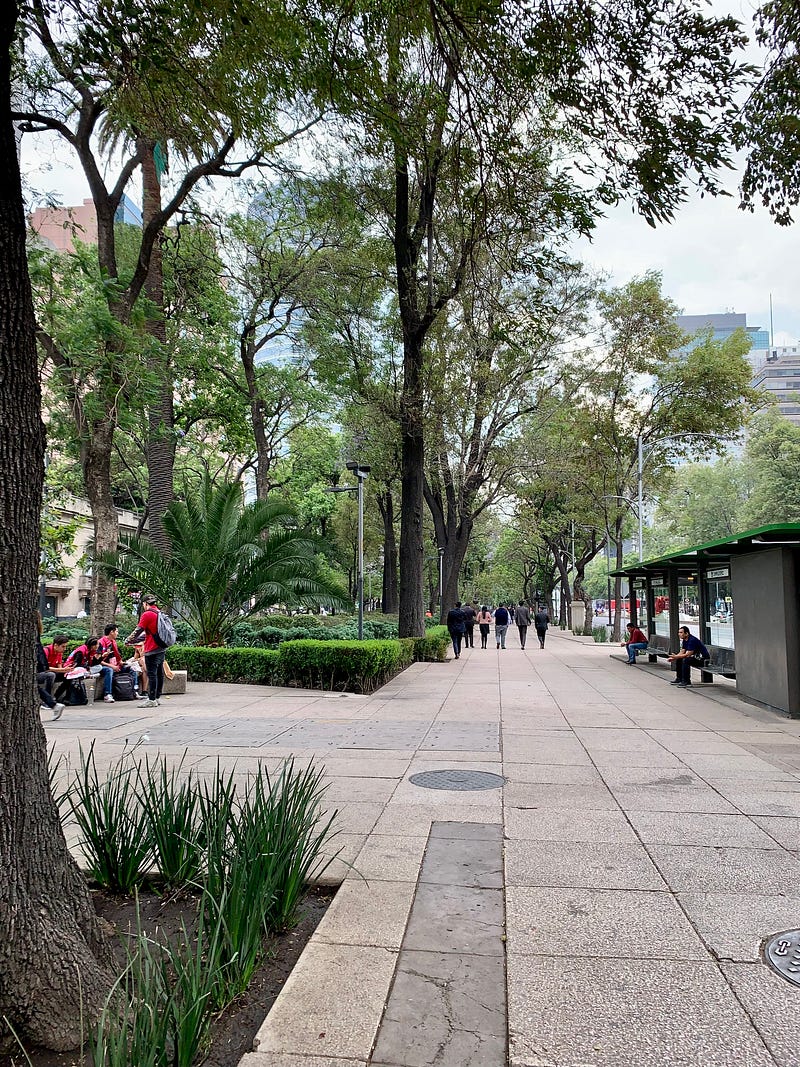
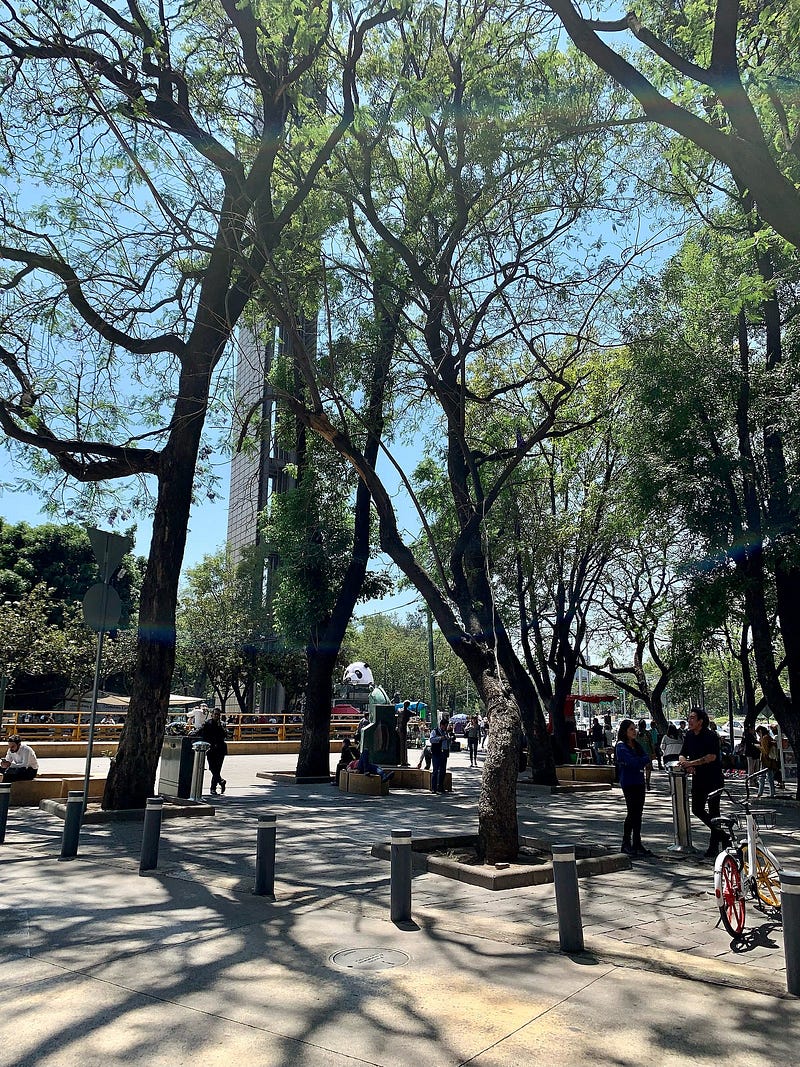
During a recent trip to Mexico City, while my husband was attending a business meeting, I took advantage of some free time. I decided to explore the lively Paseo de la Reforma area on foot and capture some street photographs of this vibrant city.

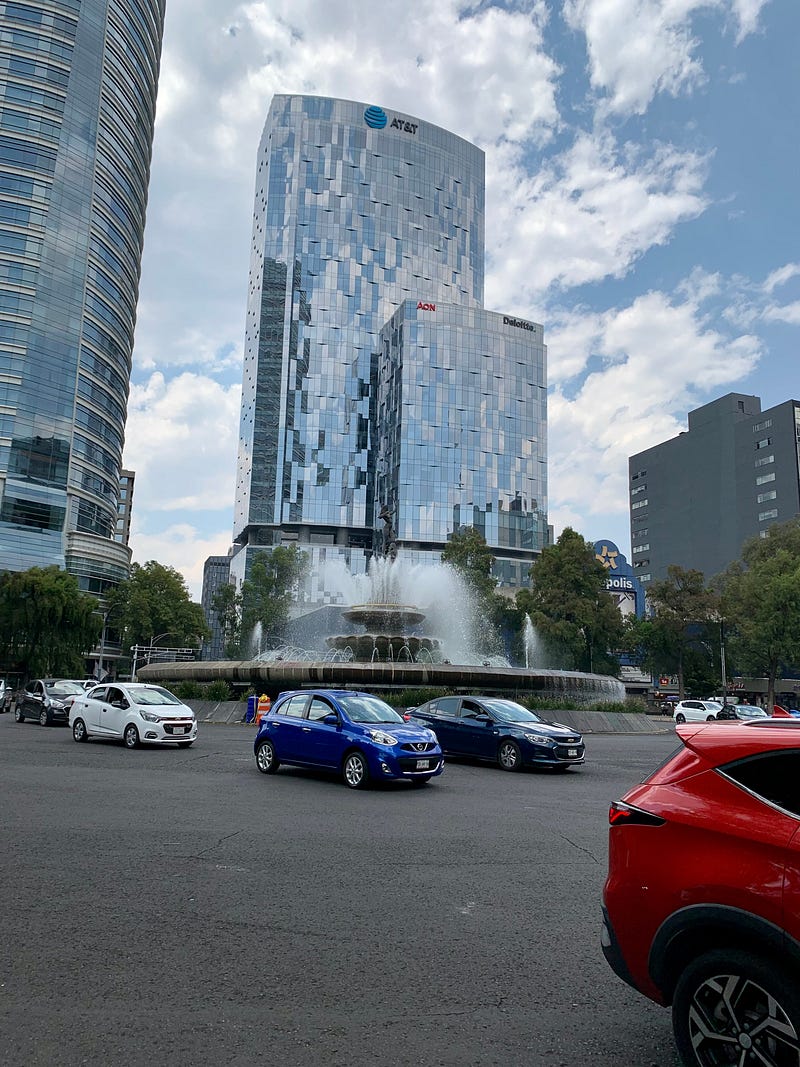
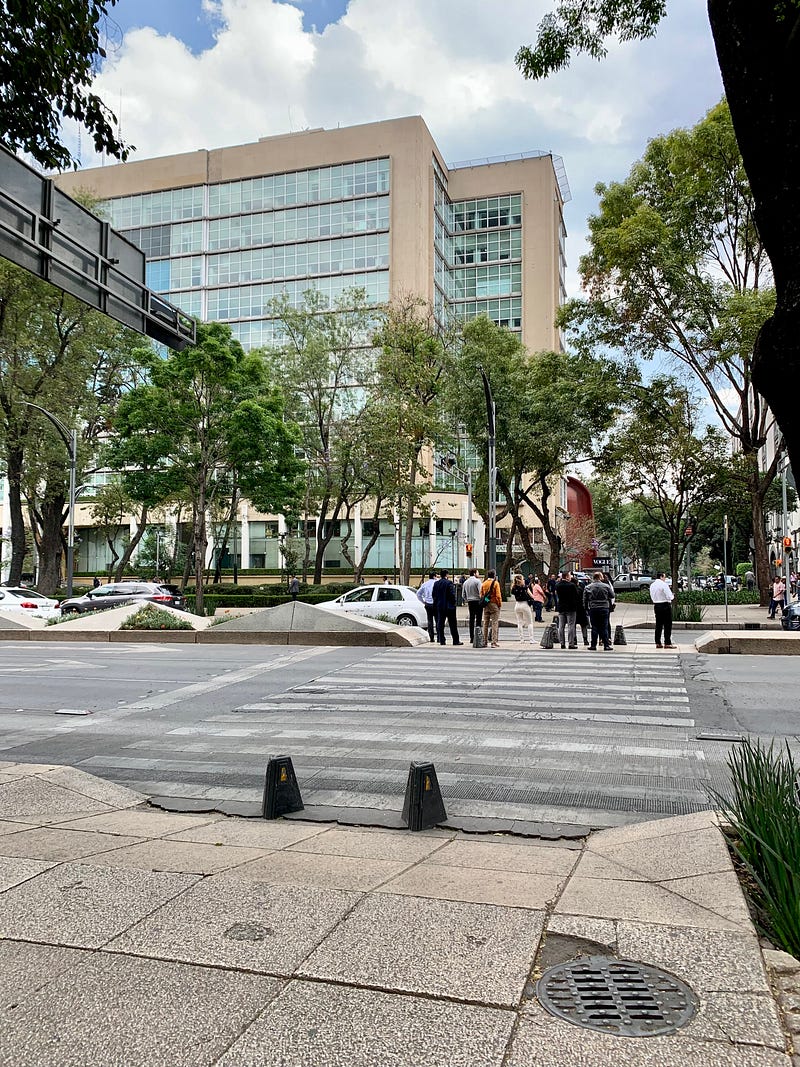
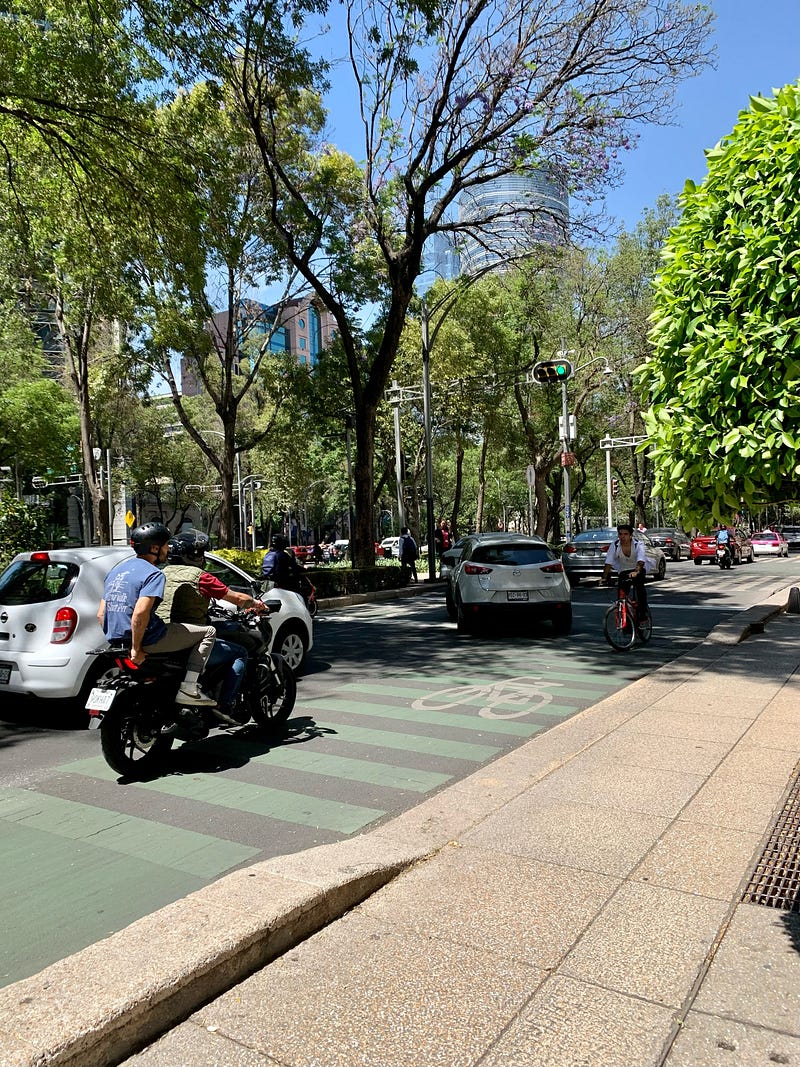
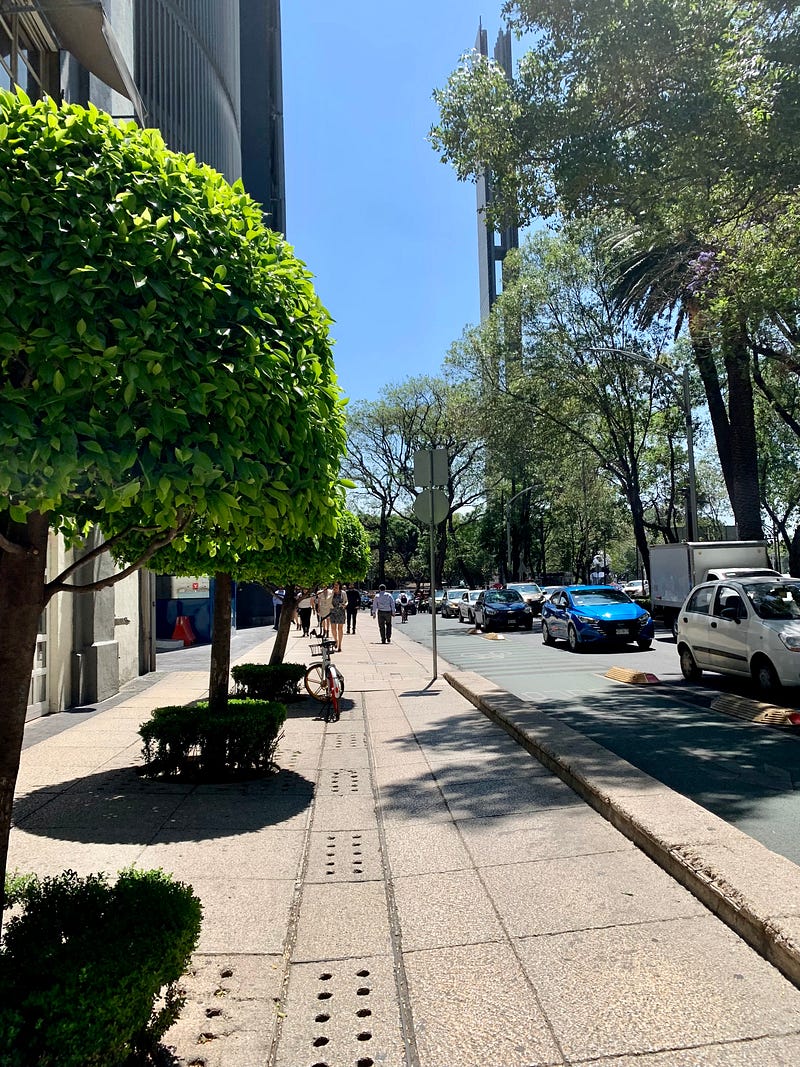
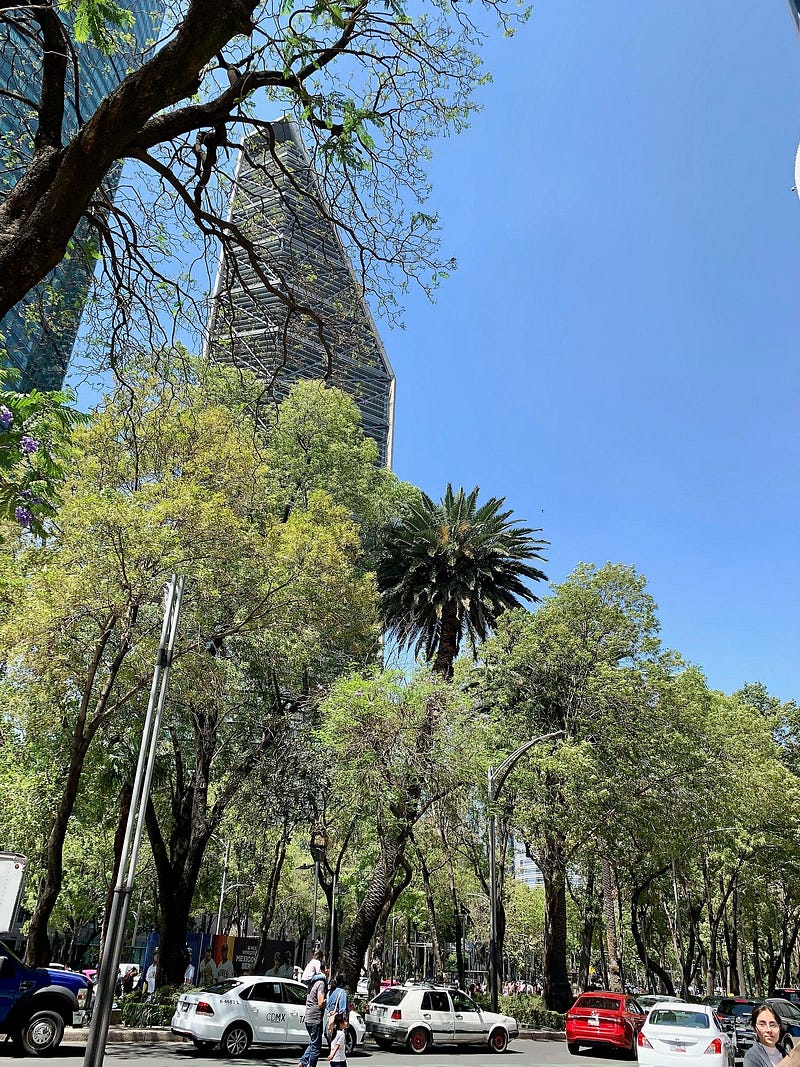
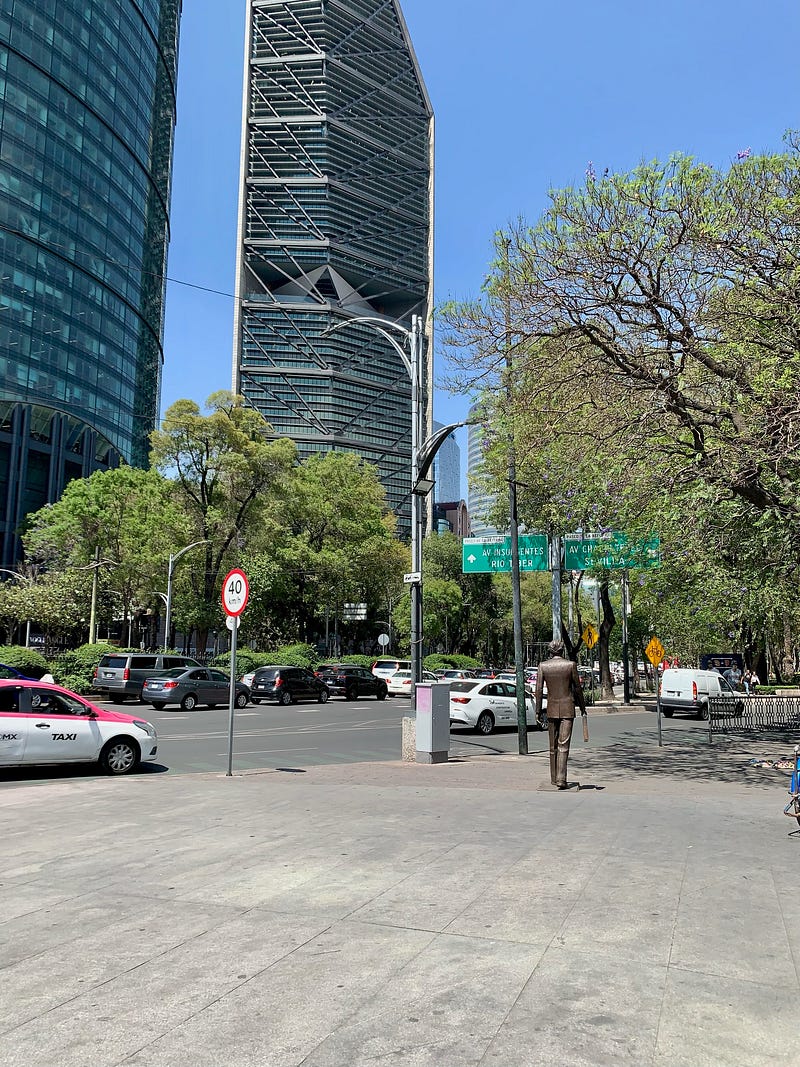
Mexico City is one of the world’s largest and most populous cities, with over 21 million people living in the metropolitan area. As such, it is no surprise that traffic can be a major issue, especially during peak hours. The roads and highways are often congested with vehicles.

The afternoon weather on this particular day was warm and humid, and the streets were bustling with people going about their day.

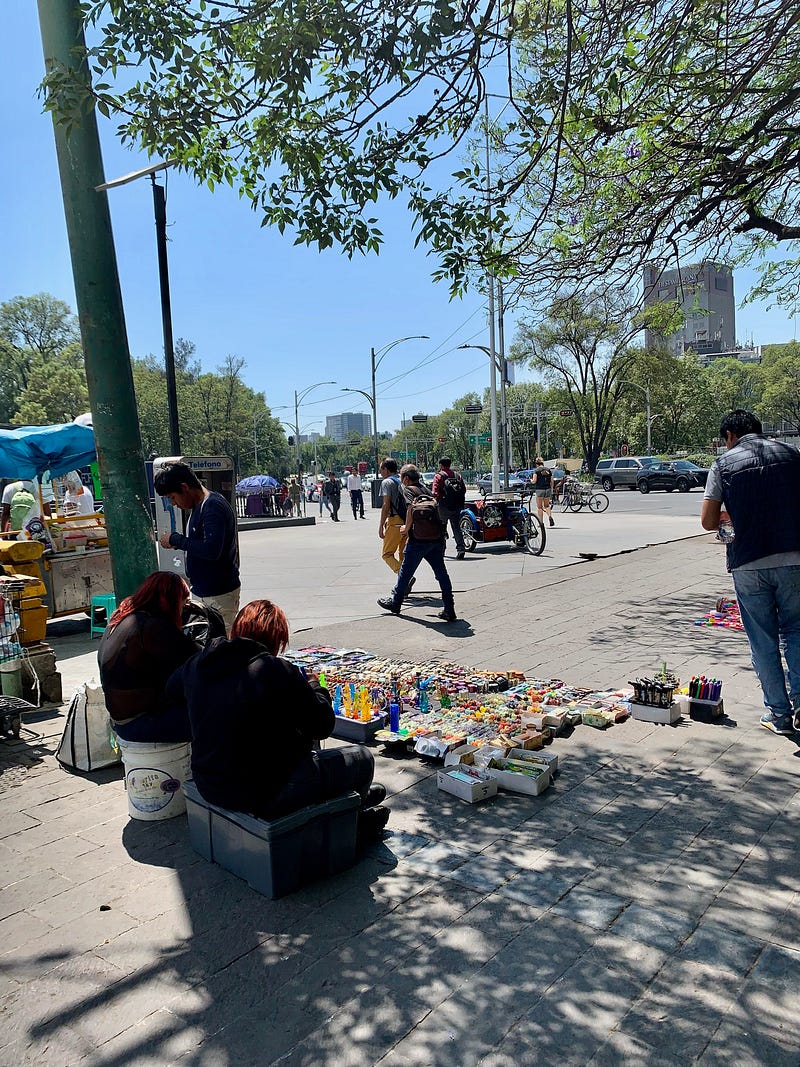
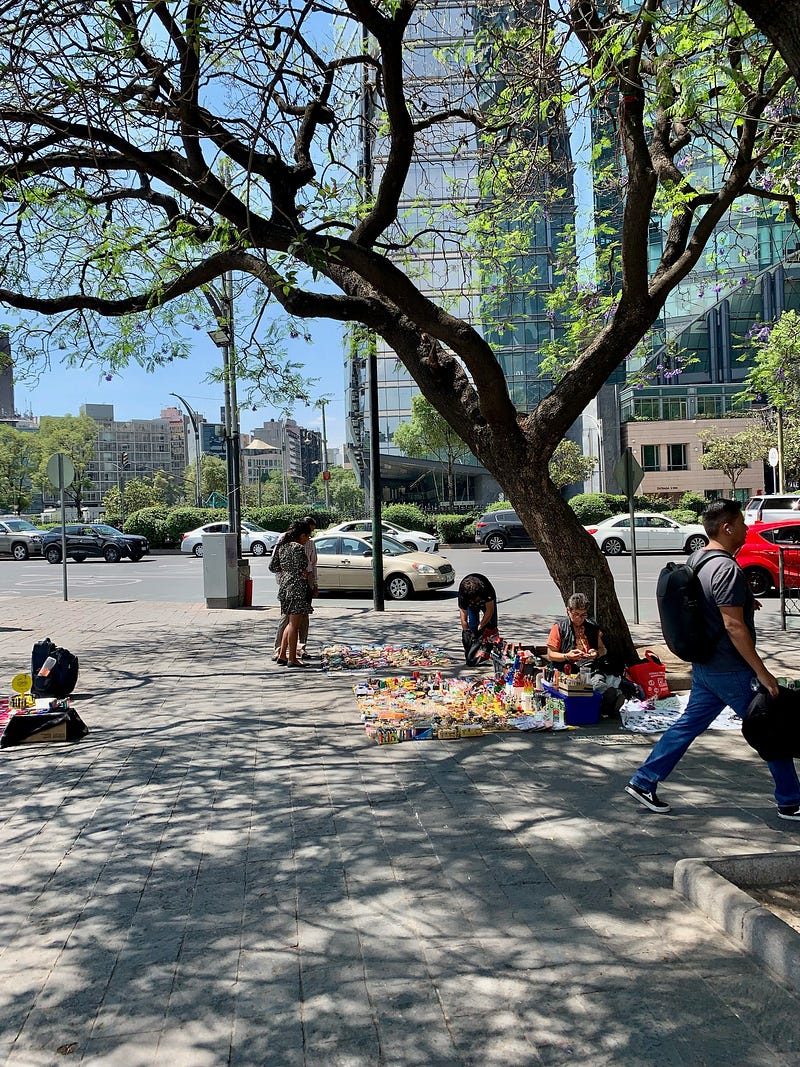
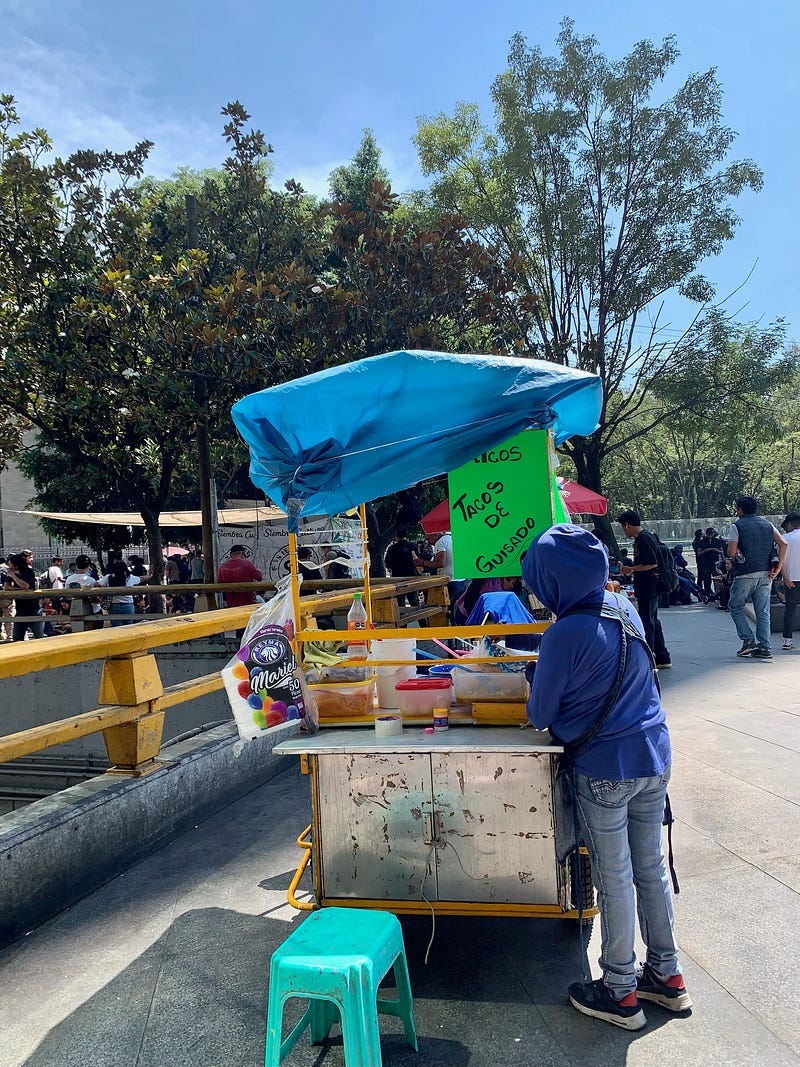
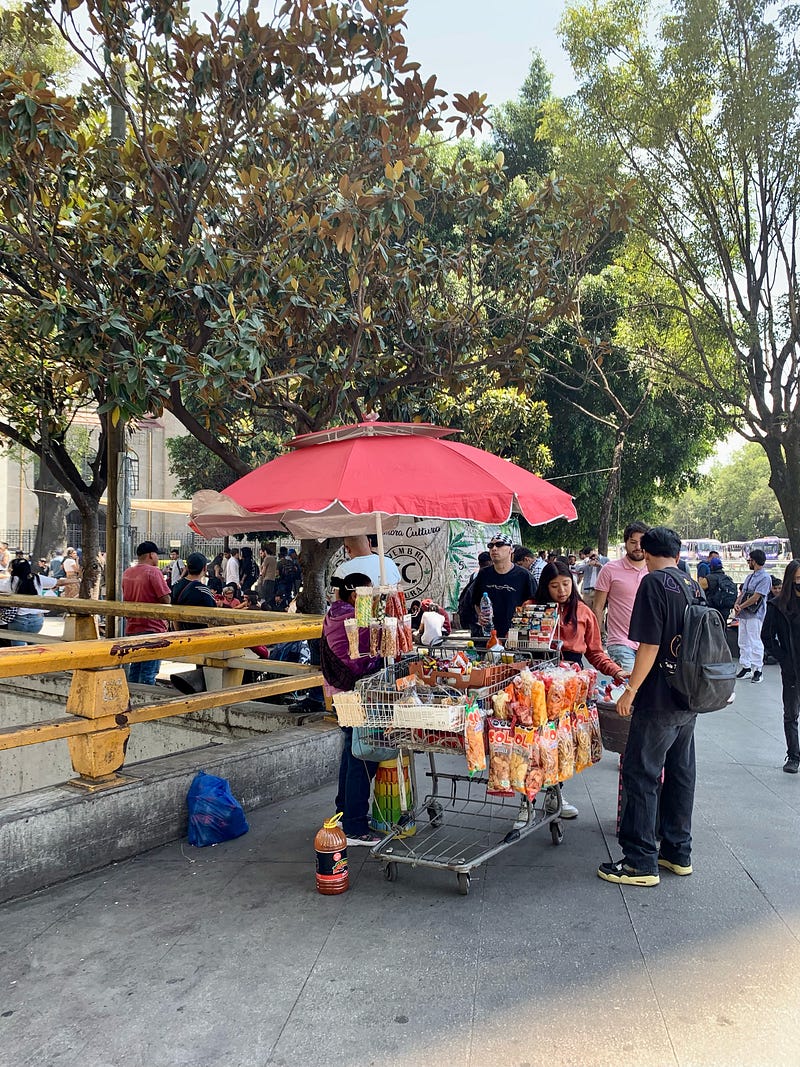
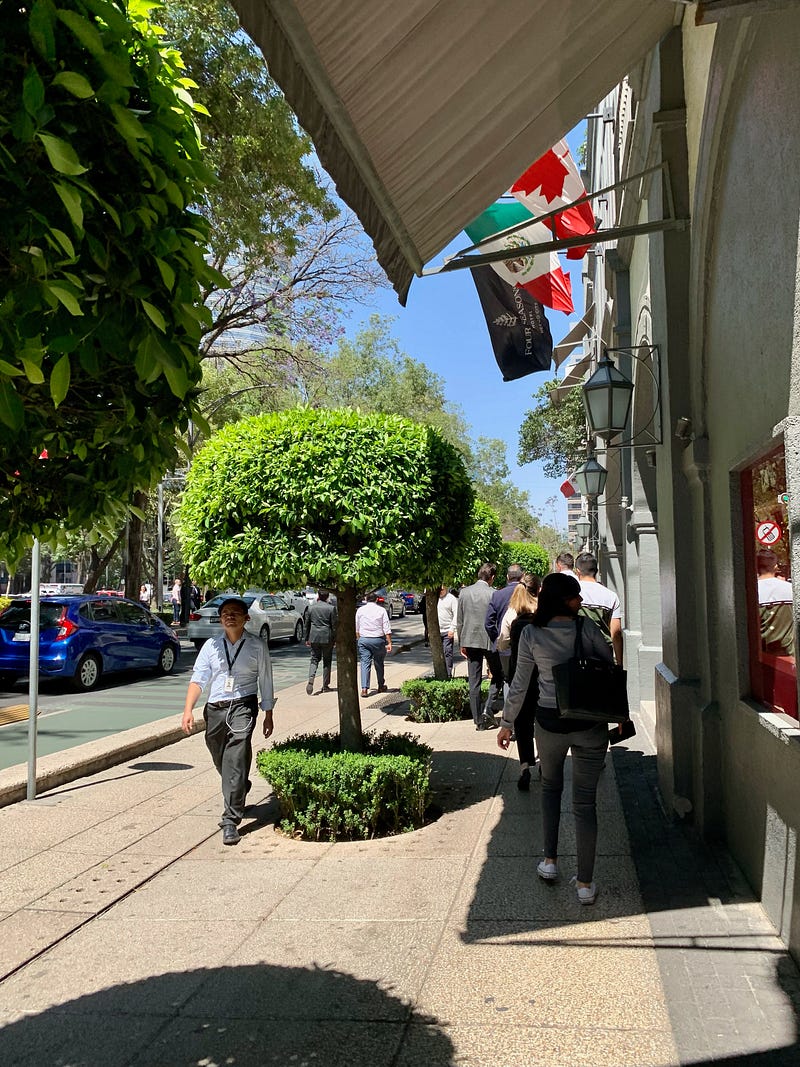
I clicked photos of the people I encountered along the way, including street vendors selling their goods, businesspeople headed out for lunch, and young people glued to their phones.

Mexican People

Mexican people have a reputation for being exceptionally warm and hospitable, and during my trip to Mexico, I experienced this firsthand.

I was struck by the kindness, generosity, and helpfulness of the locals, who always seemed eager to make me feel at home.

While taking a selfie, a kind gentleman offered to take a photo of me. Additionally, earlier in the week, when my daughter and I were struggling to find the location for our Uber pickup after visiting an attraction, a passerby offered to help us in English.

The welcoming nature of the Mexican people left a lasting impression on me. I will always cherish the memories of the friendly encounters I had during my travels.

Paseo de la Reforma

Paseo de la Reforma is a sprawling avenue that serves as a vital link between various neighborhoods, pulsating like arteries that keep the heart of the city alive.

The grand avenues of Europe inspired the avenue’s construction. It was initiated in the 1860s to connect Emperor Maximilian’s newly constructed imperial residence, Chapultepec Castle, with other parts of the city.

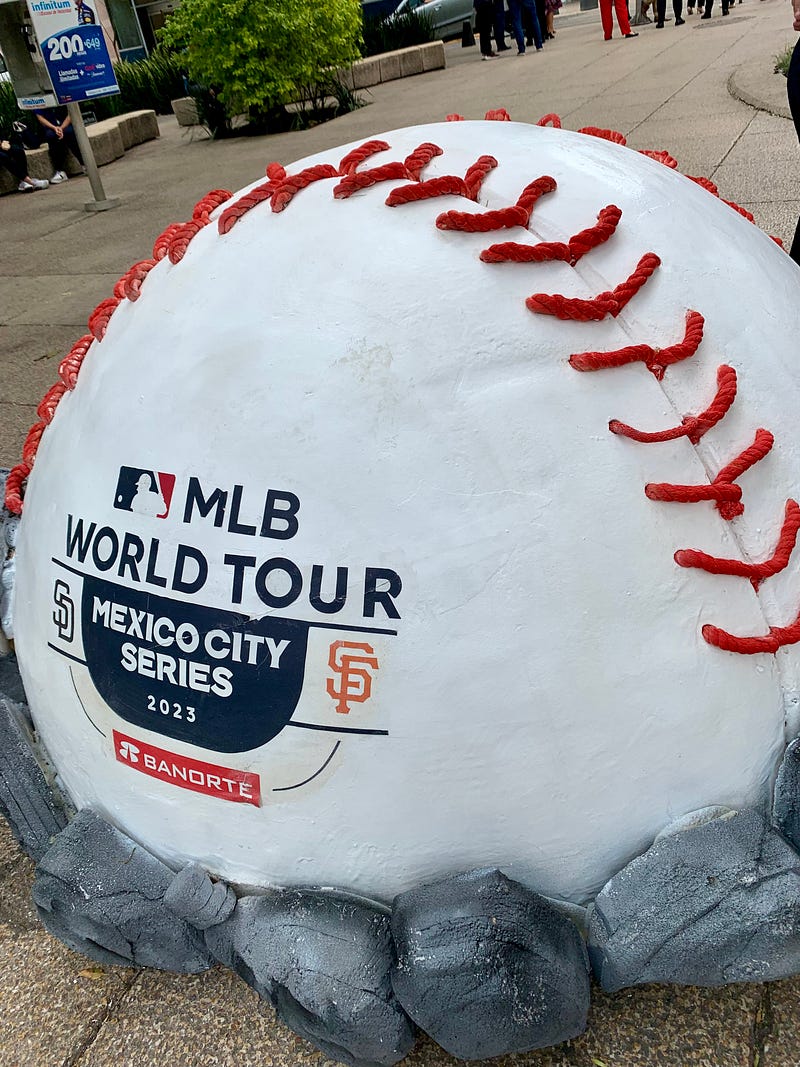
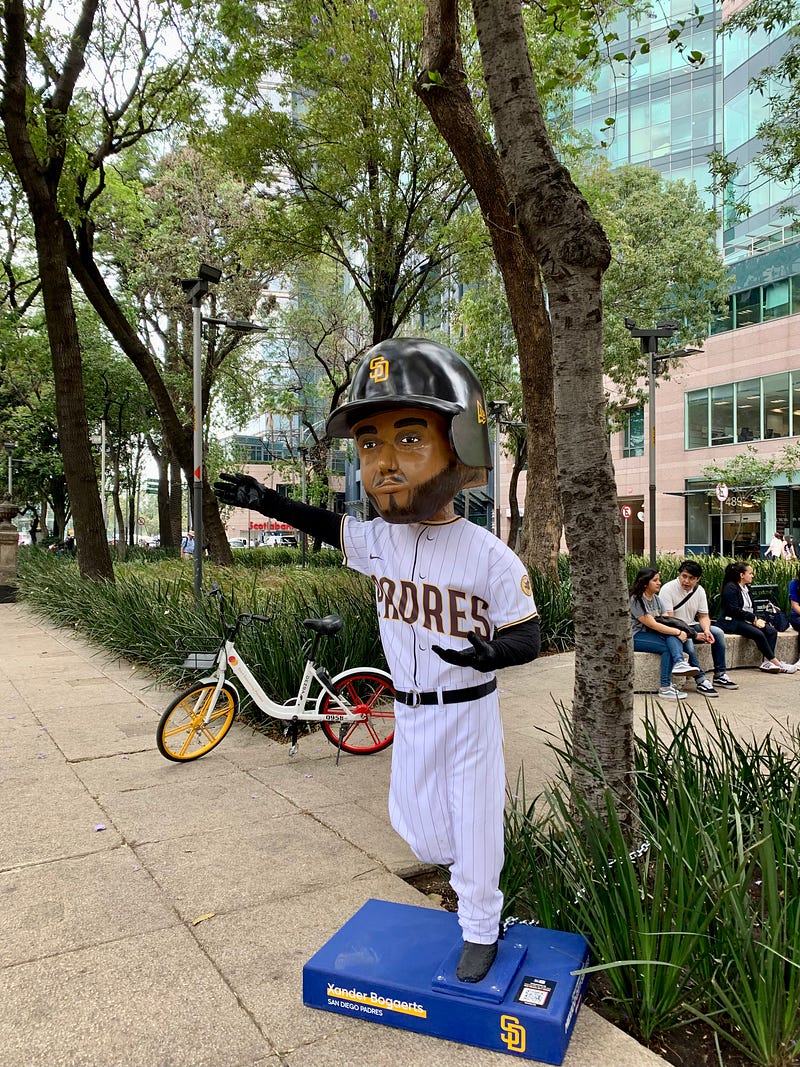
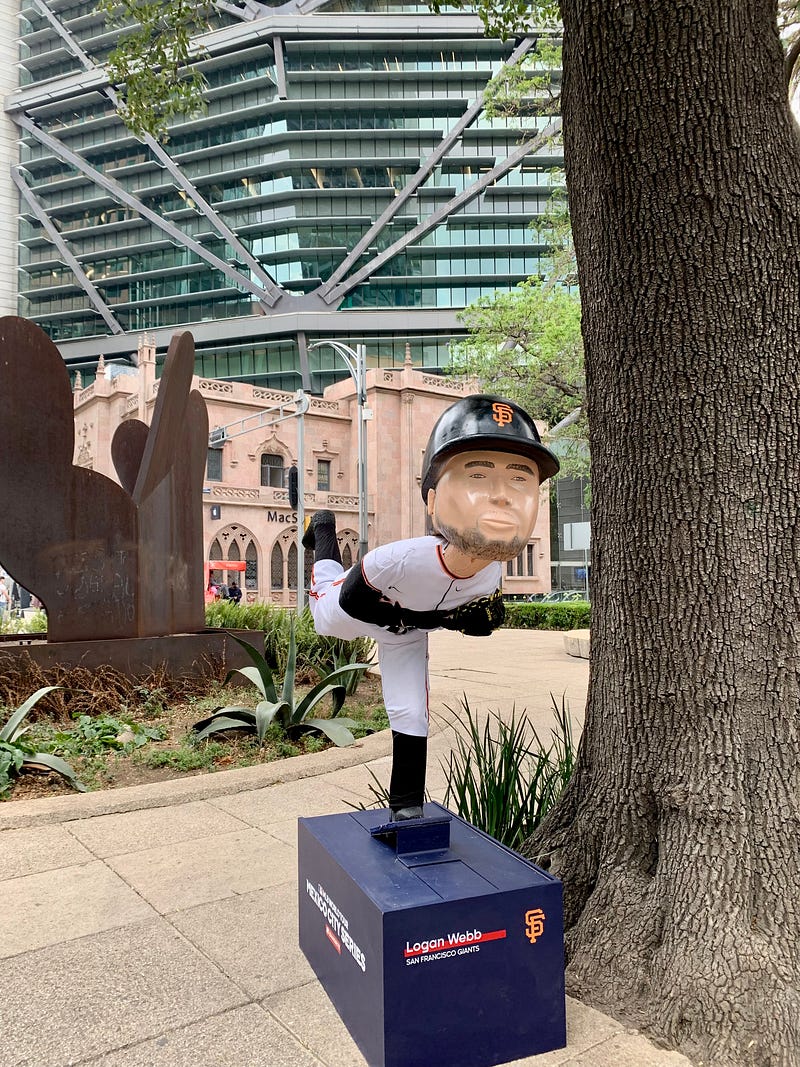
Paseo de la Reforma remains a vantage point for viewing some of the city’s most impressive architectural feats.

Please take a look at the photos I captured during my walk.
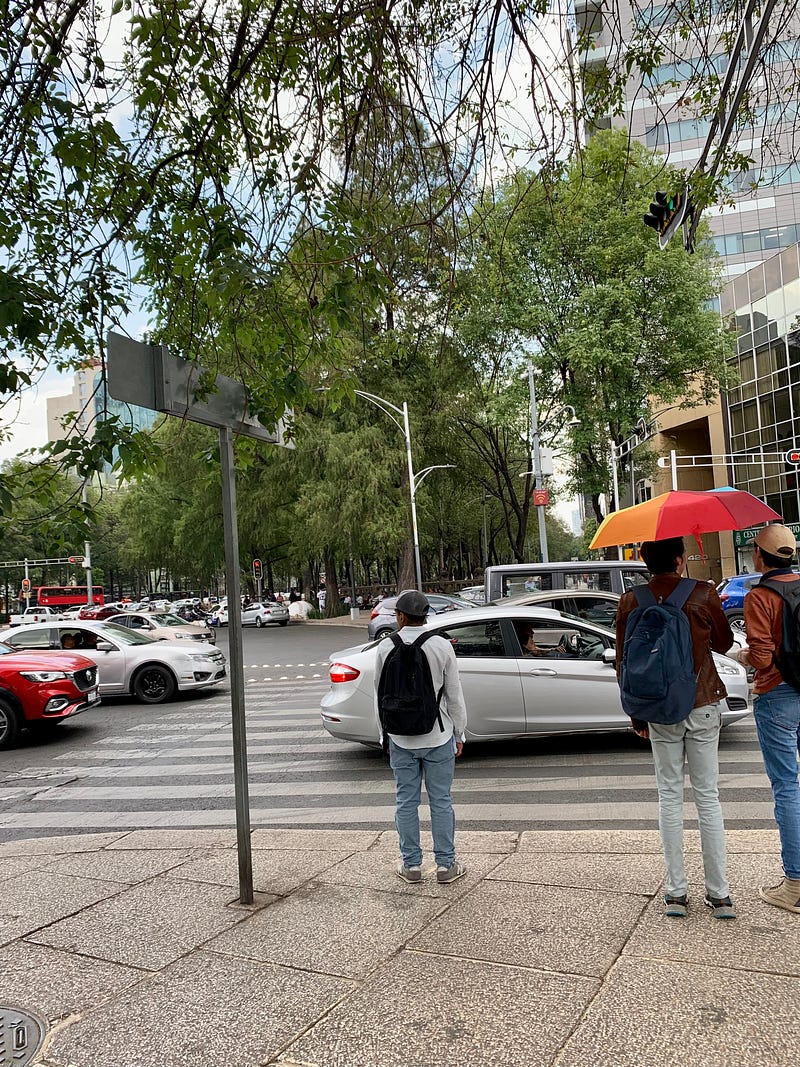
Credit: B.R. Shenoy
Credit: B.R. Shenoy
Credit: B.R. Shenoy
Credit: B.R. Shenoy
Credit: B.R. Shenoy
Credit: B.R. Shenoy
Credit: B.R. Shenoy
Credit: B.R. Shenoy
Credit: B.R. Shenoy

Historical Overview of Mexico City

Early History:

Mexico City’s roots trace back to the indigenous groups inhabiting the valley from 100 to 900 A.D., with ties to the Toltecas. The Aztecs, known as Mexicas, founded Tenochtitlán in 1325 A.D. on an island in Lake Texcoco. The city, built over a lake, later fell to Spanish conquistadors led by Hernán Cortés in 1521, who established Mexico City on its ruins.

Middle History

Under Spanish rule (15351821), Mexico City flourished, but social divisions emerged. The struggle for recognition among classes contributed to political corruption and fueled the independence movement. Miguel Hidalgo’s rebellion in 1810 marked the beginning of the War of Independence, culminating in the signing of the Plan of Iguala in 1821, granting Mexico independence.

Recent History

In 1824, Mexico City became the country’s Distrito Federal, absorbing surrounding municipalities. The U.S. invaded in 1846 during the Mexican-American War, leading to territorial losses. The French briefly occupied Mexico in 1864, and political instability persisted until the establishment of the PRI party in 1929. Porfirio Díaz’s regime, lasting 36 years, ended in 1911 through a revolution.

Mexico City Today

As the political, economic, and social heart of Mexico, Mexico City is the largest metropolitan area in the Western Hemisphere. Despite a high GDP per capita, wealth distribution is uneven, with 15% living in poverty. Strong labor unions, historically aligned with the PRI, have shown a shift toward the Party of the Democratic Revolution since 1997. Notable neighborhoods include Coyoacan, Santa Fe, Xochimilco, and Polanco, reflecting the city’s diverse and dynamic character.

Closing Thoughts

Mexico City is undoubtedly a popular destination for travelers because of its beautiful landscapes, rich culture, and the warmth and hospitality of its people.

What is your favorite city in the world? Please share your thoughts in the comments.

Thank you to the SNAPSHOTS Editorial Team Allan Rae, Sherry Kappel, Dennett, and David Montgomery.

Another travel story of mine:

Travel
Photography
This Happened To Me
Culture
Snapshot
Recommended from ReadMedium