
AFRICAN SAFARI
Exploring Africa’s Serengeti
On safari in Tanzania
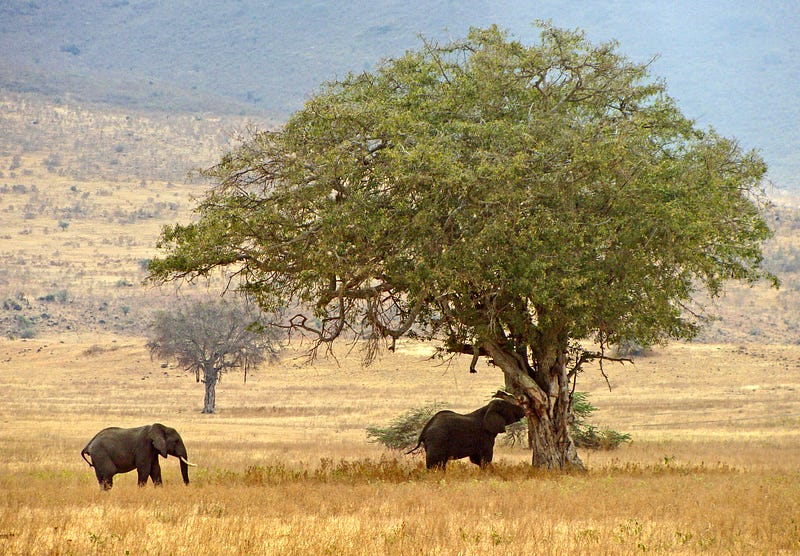
Africa’s Serengeti Plains
I remember first hearing the name while I watched an episode of Wild Kingdom when I was six or seven years old. I was fascinated as the most exotic animals I could imagine survived together on this great savanna grassland.
I was awed by the size of the Great Migration when millions of wildebeest migrate to the green grasslands following the rainy season where they will continue the cycle of life. It’s the largest migration of mammals on earth.
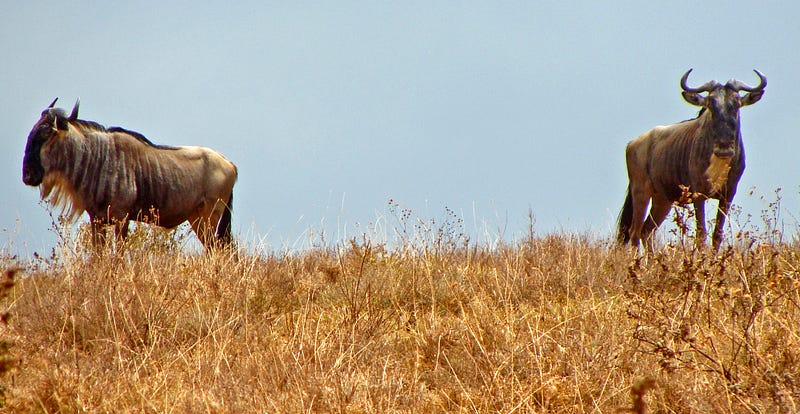
I knew that one day I would visit the Serengeti and see it for myself, not like a zoo or wildlife park. This is their home where they have lived together for thousands of years.
The names are all familiar to me now — Arusha, Lake Manyara, Masai Mara, the Serengeti, and Ngorongoro Crater. I was finally going to see it all.
It only took me forty-some years to get there but I made it. It wouldn’t be around the rainy season though so I wouldn’t see the Great Migration. I was in Tanzania to climb Mt. Kilimanjaro and the two-day safari was an add-on.
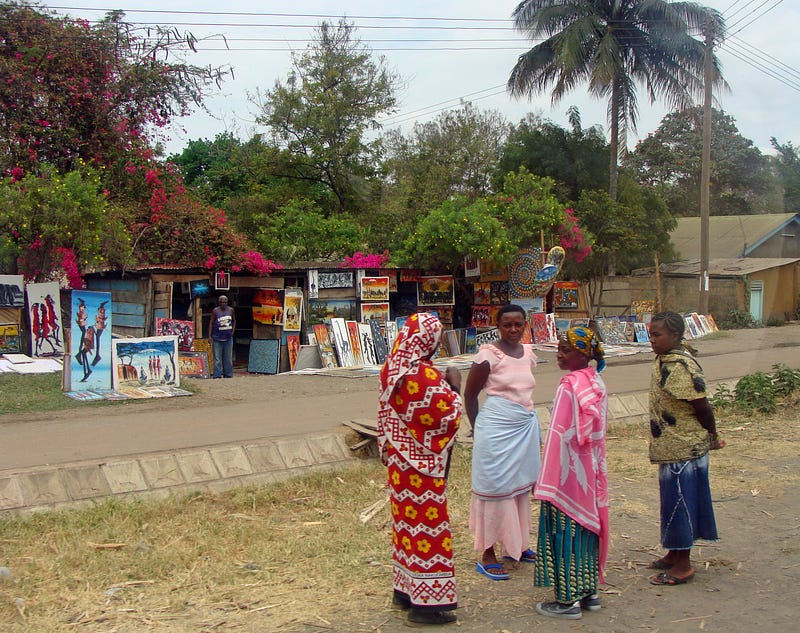
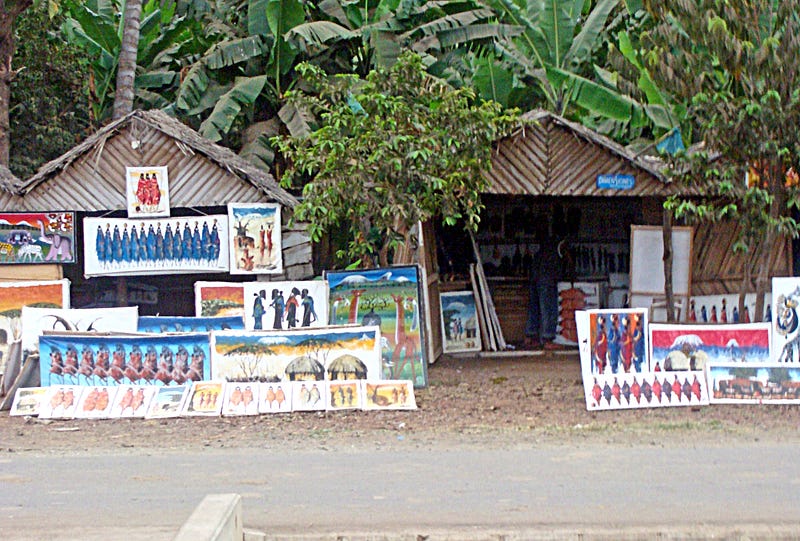
Seeing Masai herding their animals beside the dusty road and roadside shops selling tourist “art”.
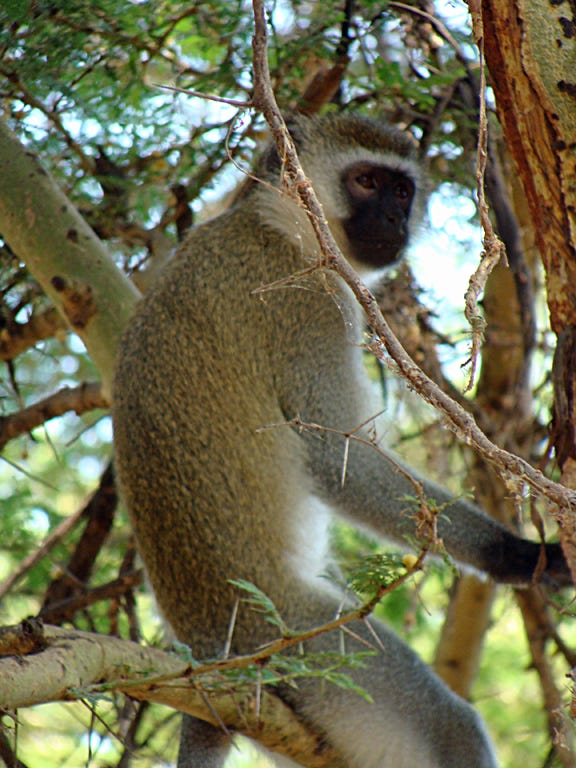
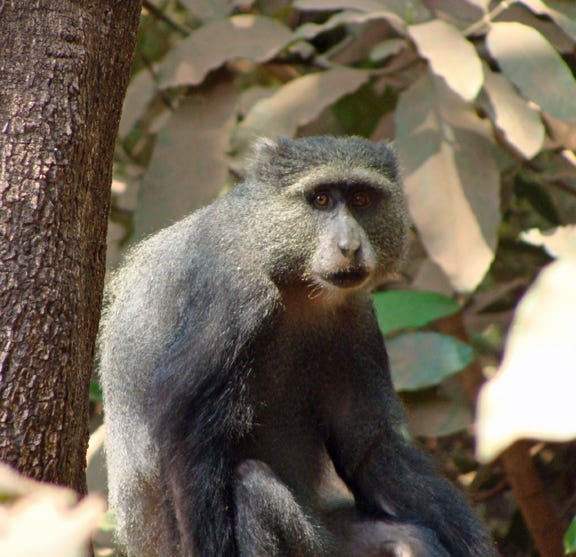
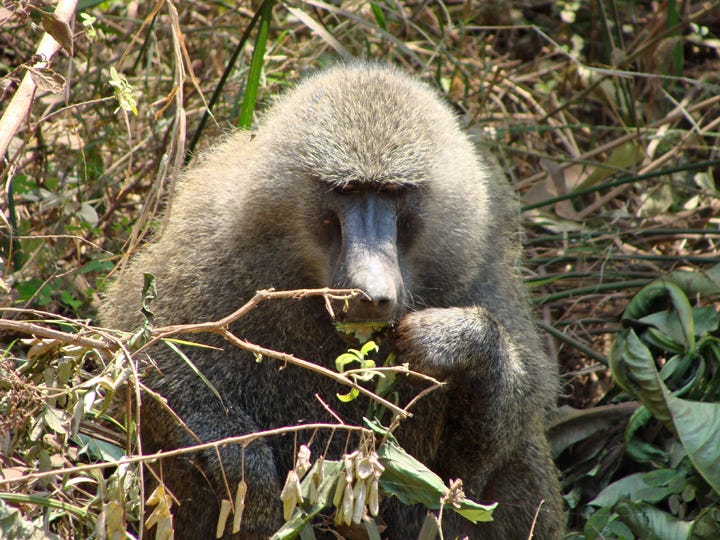
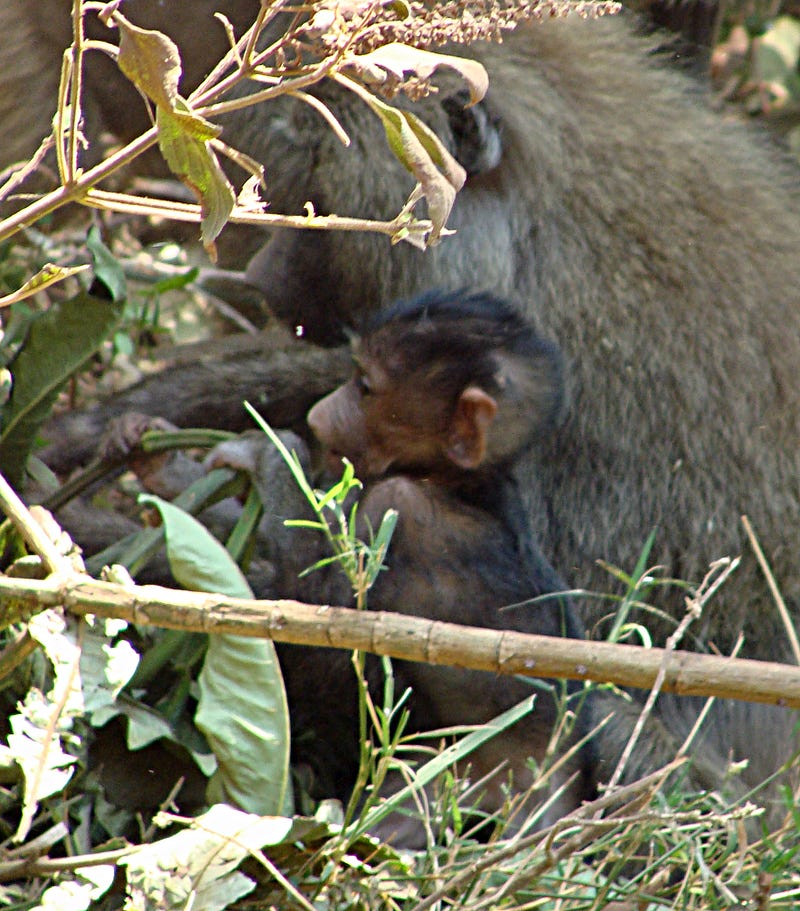
I was with several friends from Canada as we drove 3 hours from our hotel in Arusha. At the entrance to Lake Manyara National Park, we got out of the jeep and walked casually among the primates, Blue Monkeys, Vervets, Baboons, and even a mother and her baby that was just a few days old.
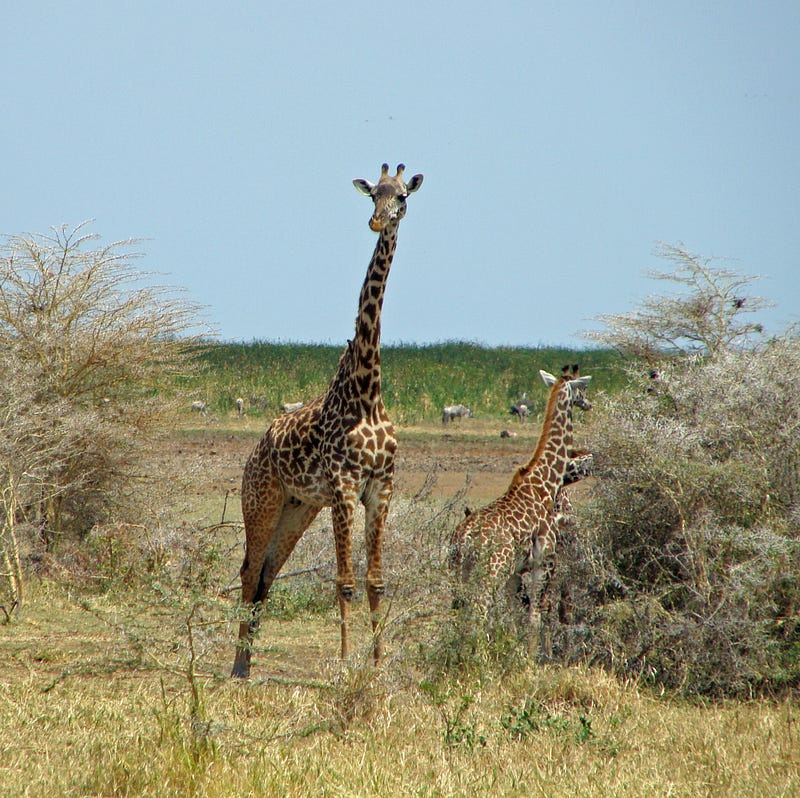
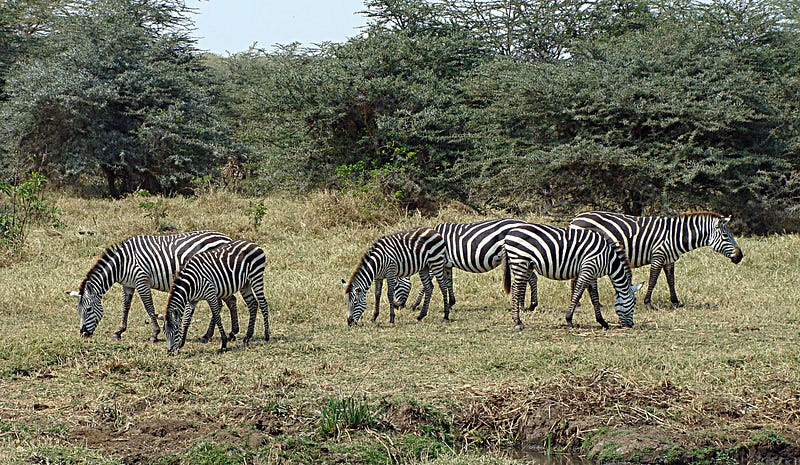
As we continued on our journey, we scanned the savanna, the ponds, and the forested areas for signs of life, excited about the photographic hunt. As we approached the Hippo Pond we came across herds of zebras and giraffes all grazing peacefully together.
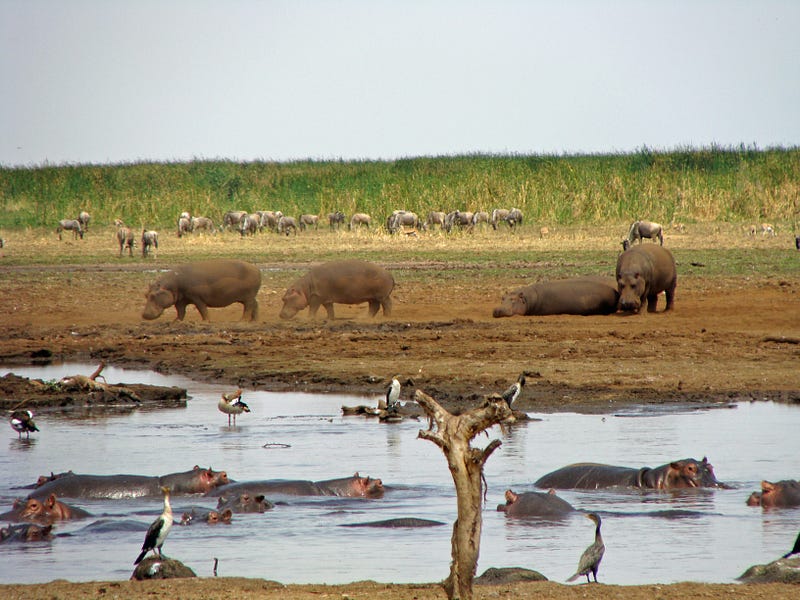
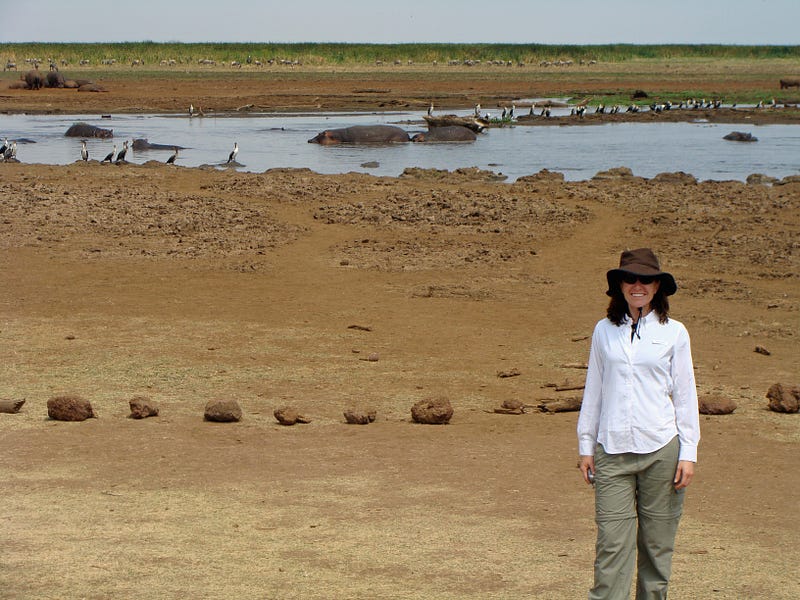
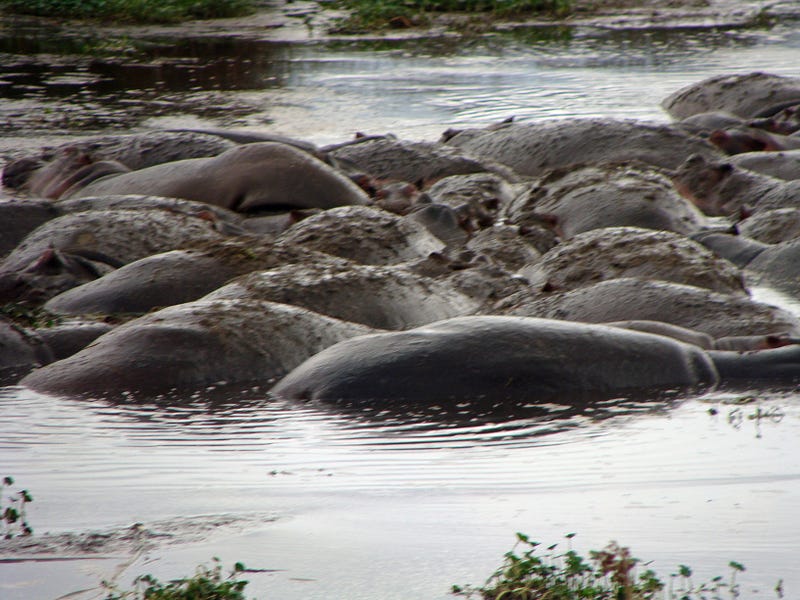
The hippos were almost completely underwater so it was tough to see anything. But we were warned, they may look like big lumbering beasts but you don’t want to piss one off. When provoked they will run you down. More people die from hippo attacks than from any other animal in Africa.
Ironically there was a band of rocks around the pond which was supposed to be the barricade to keep us safe.
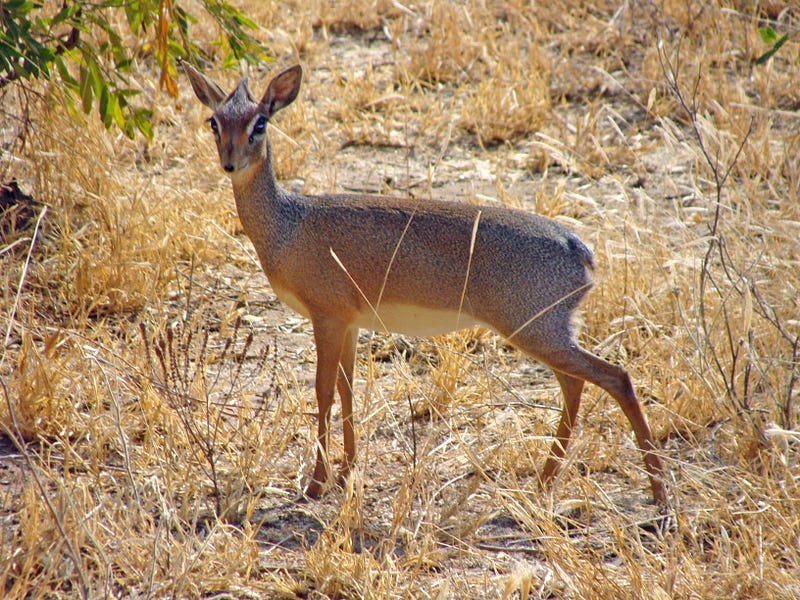
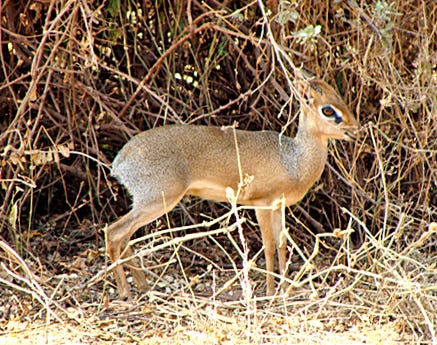
We also saw some tiny deer staring back at us with their big brown eyes. I fell in love with the dik-diks, which are small deer about the size of a whippet or a small greyhound.
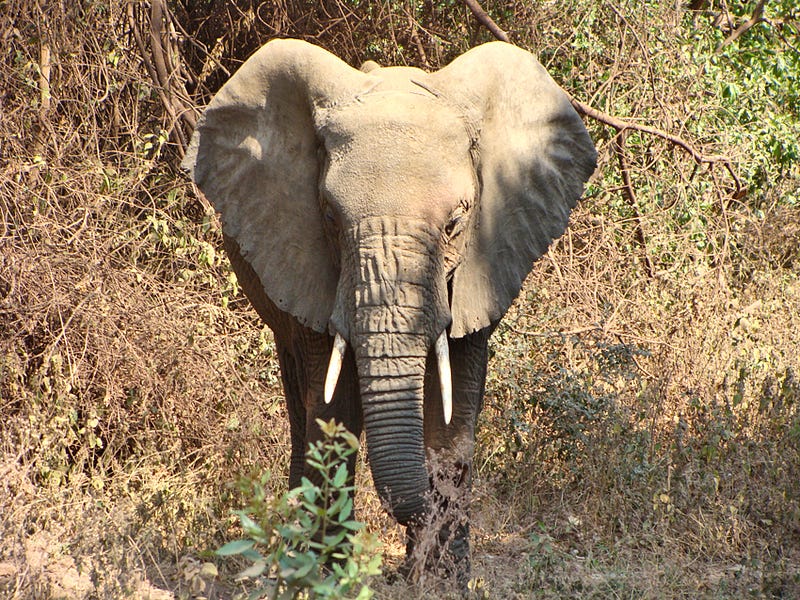
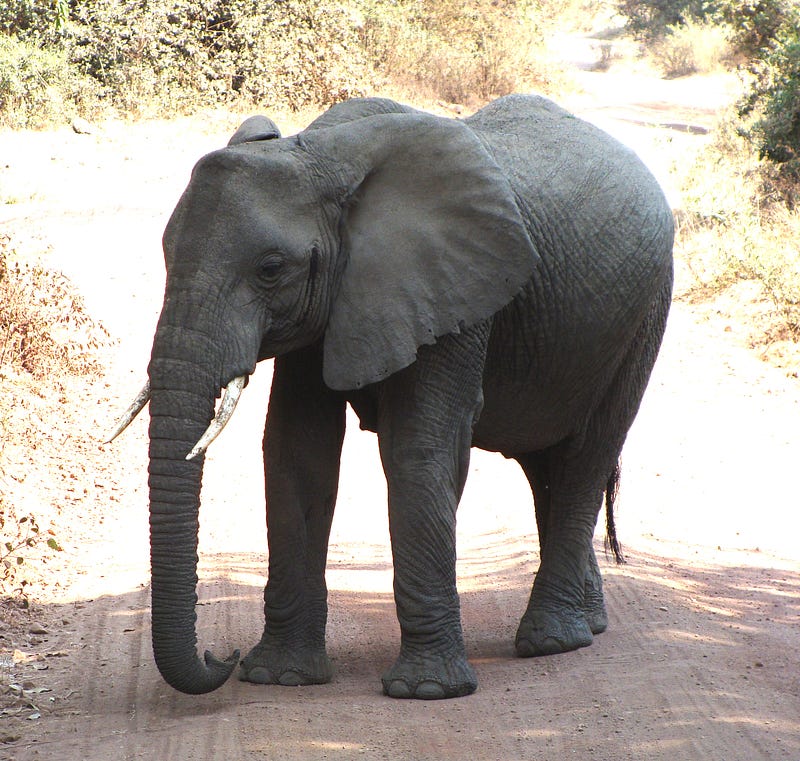
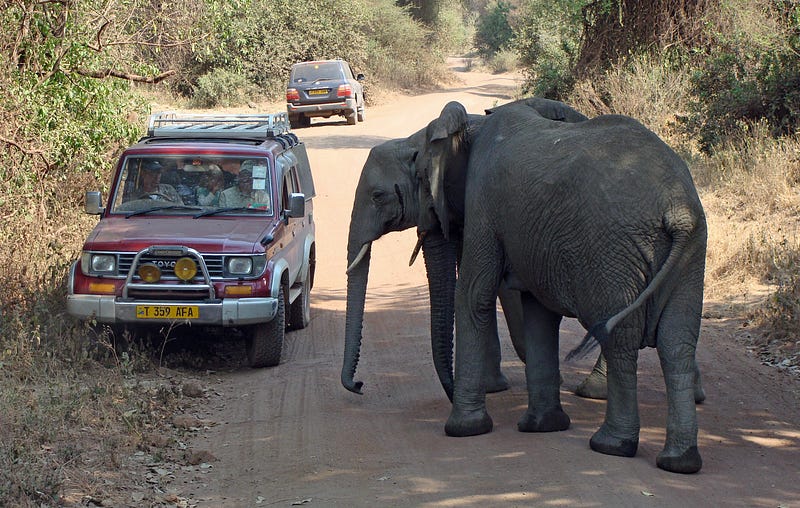
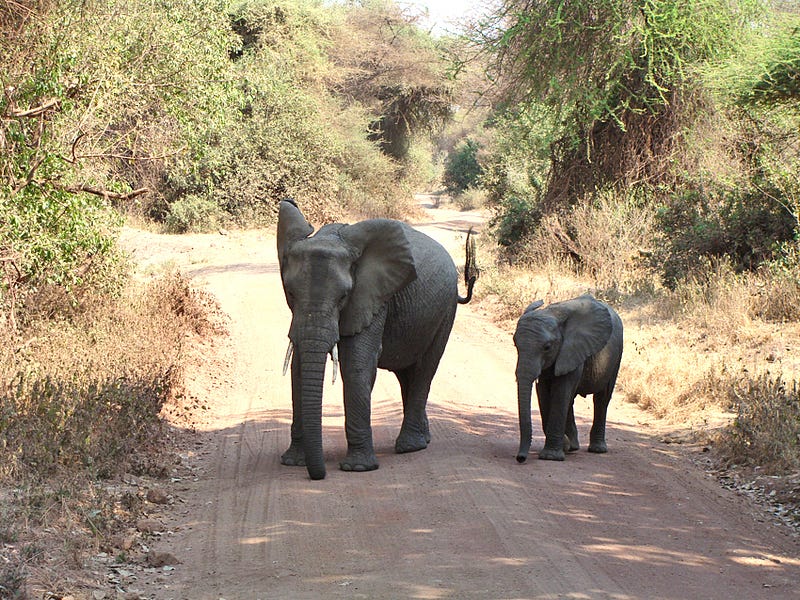
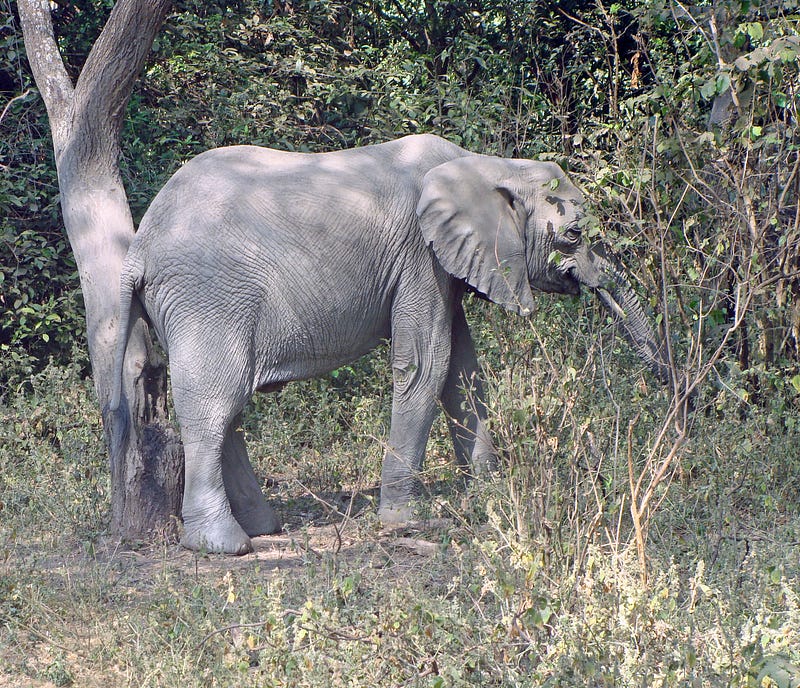
But we were in search of the giants of the African savanna and found a large herd of elephants, all different sizes and ages wandering back and forth across the road. While we were taking photos a distressed mother with her baby didn’t look too pleased to see us there, but luckily they kept their distance.
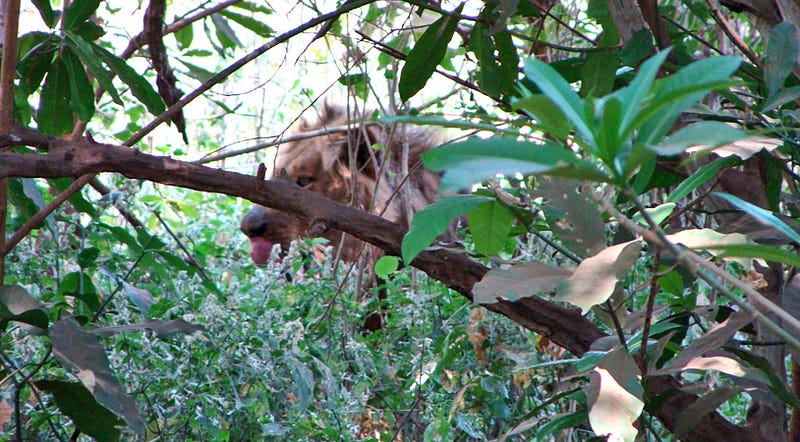
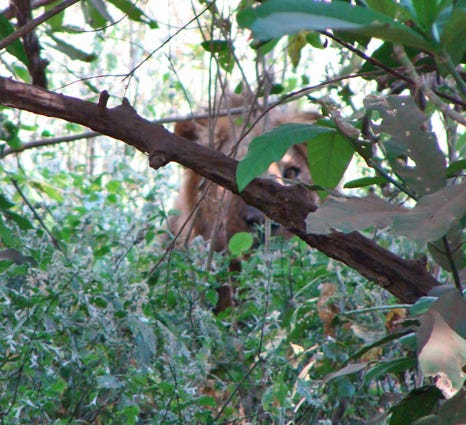
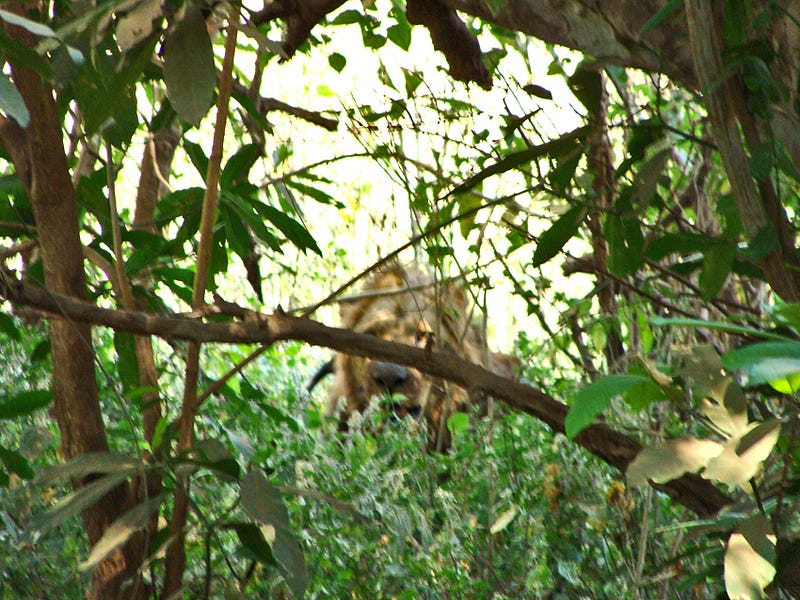
Next on our photo hunt was the king of the jungle. And in no time, we spotted a lion staring back at us through the brush and trees. It was tough to see but appeared to be devouring something it had just caught. I hope it wasn’t a dik-dik.
Over the next couple of hours, we became blase because we were surrounded by so much of what nature has to offer. “Oh it’s just another zebra or antelope” or “Oh that’s just another elephant.” What happened to living for the moment?
Safari Day Two
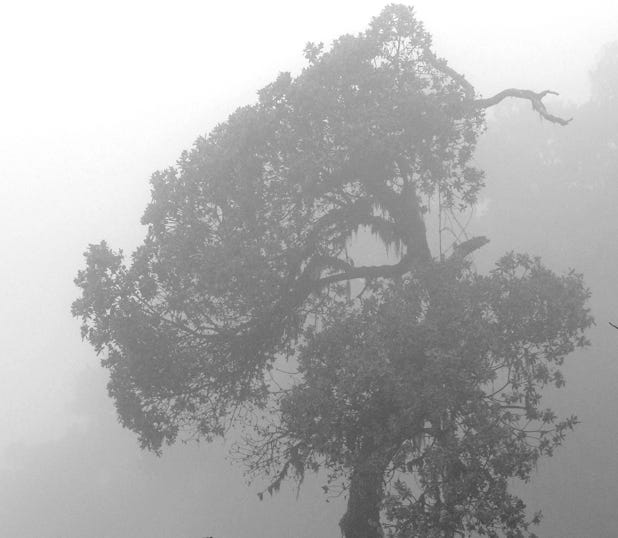
I learned the meaning of a “white-knuckled” ride the next morning as we drove up a long and winding mountain road shrouded in fog en route to Olmoti Crater for a photo hike with an armed guard. There were huge drop-offs on either side of the narrow mountain road, barely wide enough for a single vehicle. But our driver was fearless, speeding uphill and swerving all over the dangerous road. Even when we came across a broken-down bus in the middle of the road, blocking traffic in both directions, our driver Peter maneuvered around it to keep us on schedule. I could imagine the headline
Group of Canadians Killed in Van Crash While On Safari
It was a miracle we survived.
We stopped at a traditional Masai home where our young guide joined us. Not an armed ranger like we were told but a Masai herder armed with a spear. Yonah reassured us that he had fought lions and buffalo with that spear. I know it was supposed to put us at ease but instead made us wonder what we were getting ourselves into.
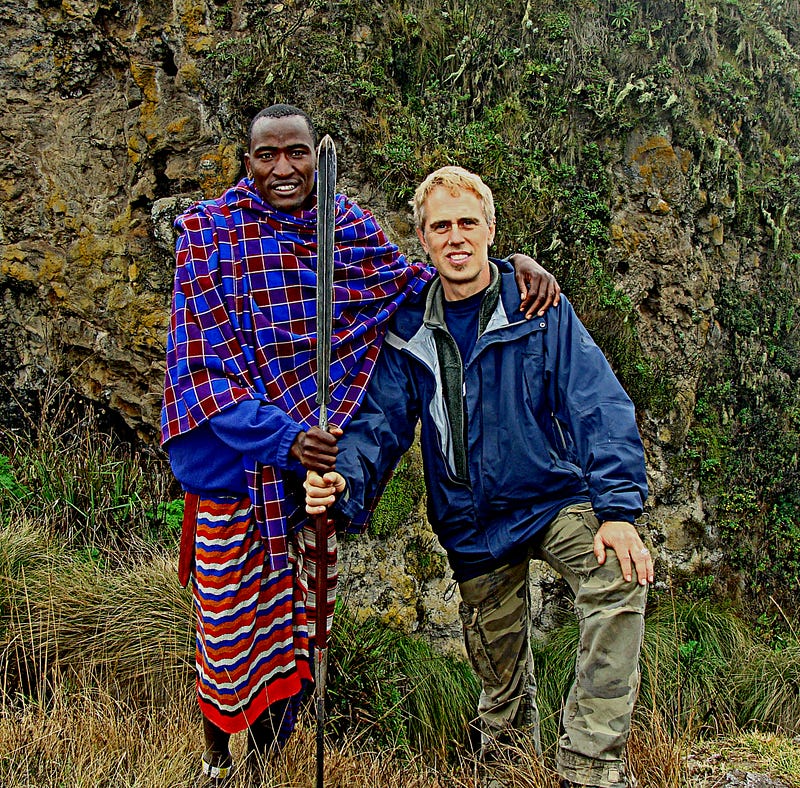
He led us down into a valley, but in order to get there, we had to trek uphill, and it took us about an hour of hiking through the thick fog. We could barely see anything except for the fog-shrouded trees. We stumbled along a path, all of us complaining about our muscle aches after our trek up Mount Kilimanjaro just a few days earlier.
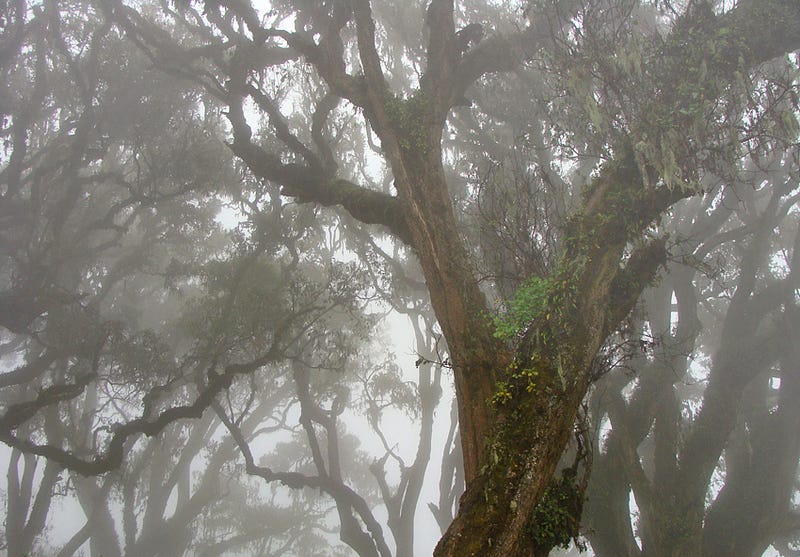
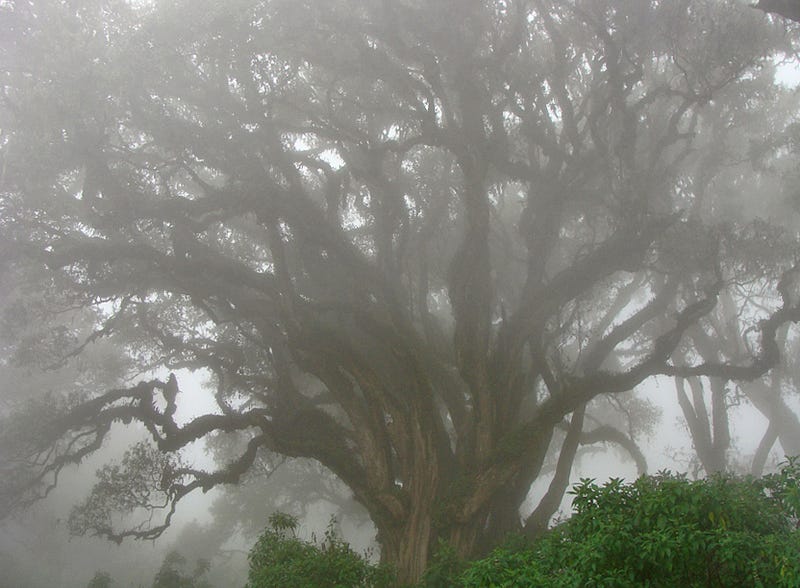
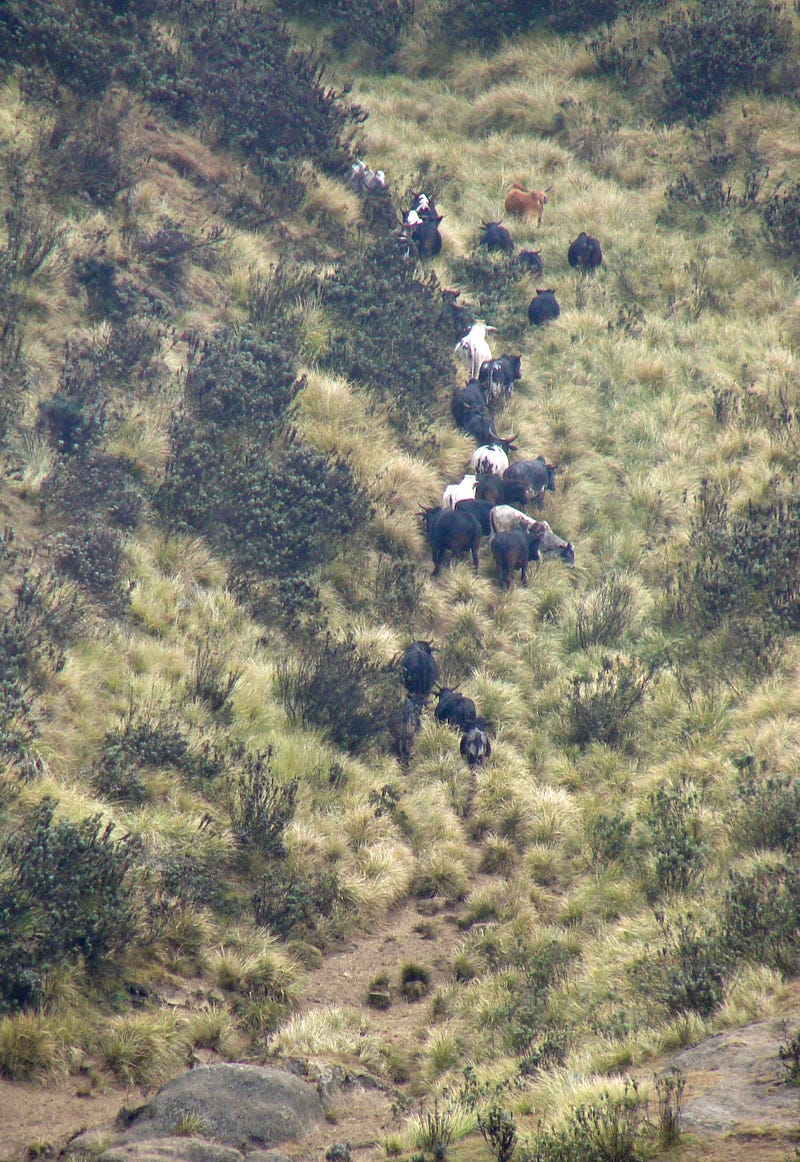
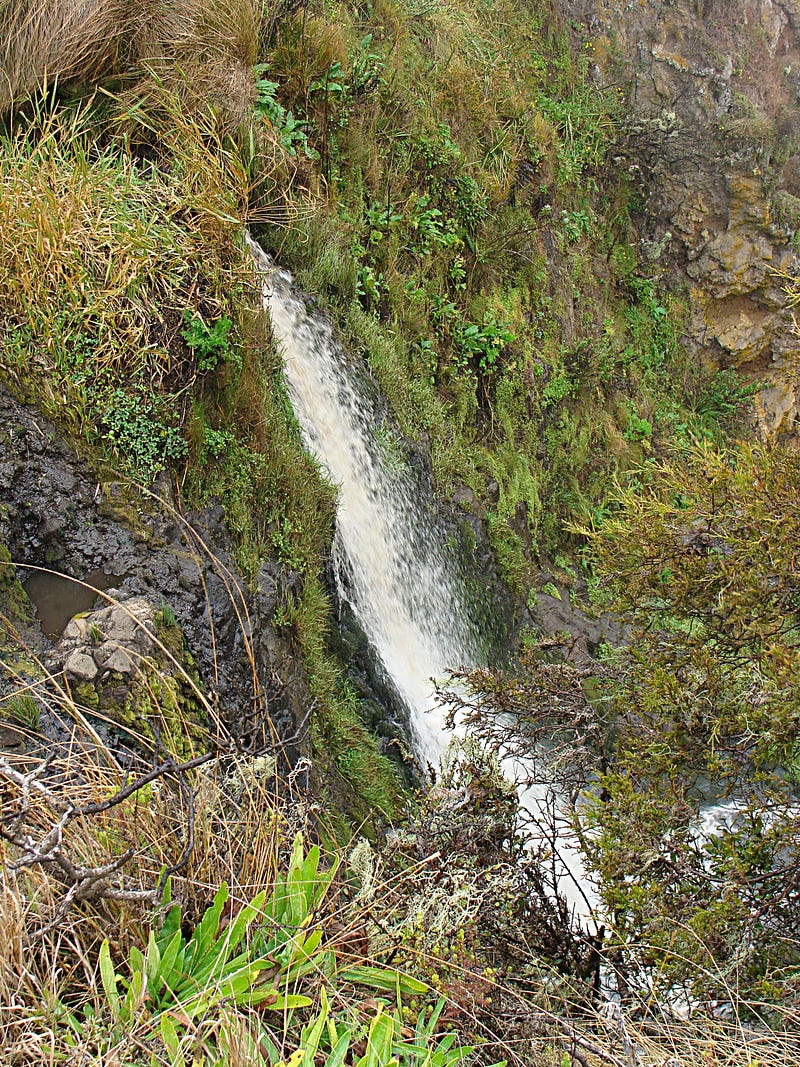
When we finally got to the valley, the only animals we saw were a herd of cows headed uphill after getting water in the ponds at the bottom. There was a waterfall and some amazing views, but I’m not sure it was worth the hike.
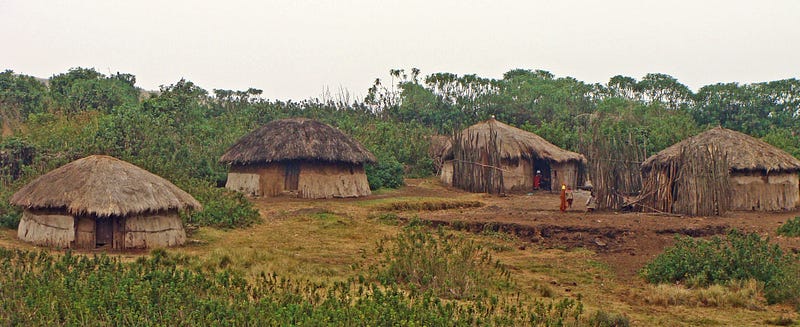
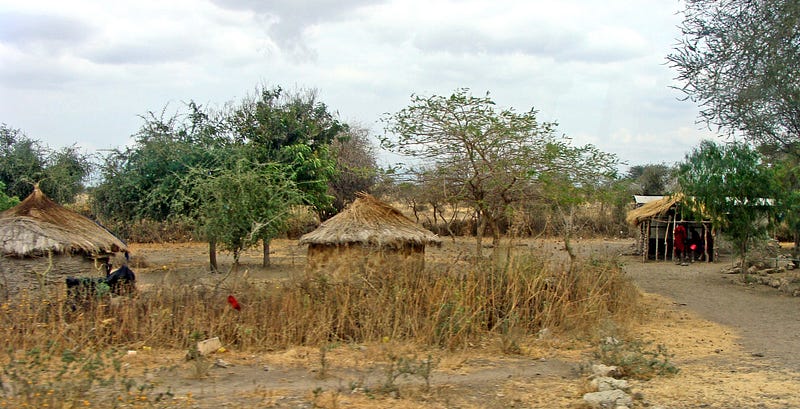
As we drove on, we passed numerous Masai settlements with their round homes. Yonah told us that Masai don’t live in any one place, they are nomadic and keep moving their animals for food and water. But the community still made it seem like a settlement.
Ngorongoro Crater
We saved the best for last. The Ngorongoro Crater is the world’s largest inactive volcano caldera but is most famous for its wildlife. This is where the Great Migration takes place every spring when millions of animals pass through the region.
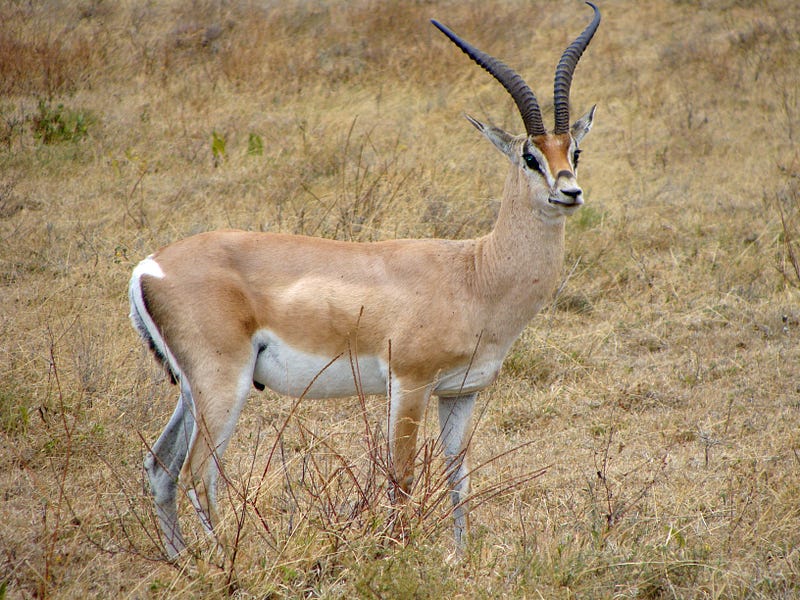
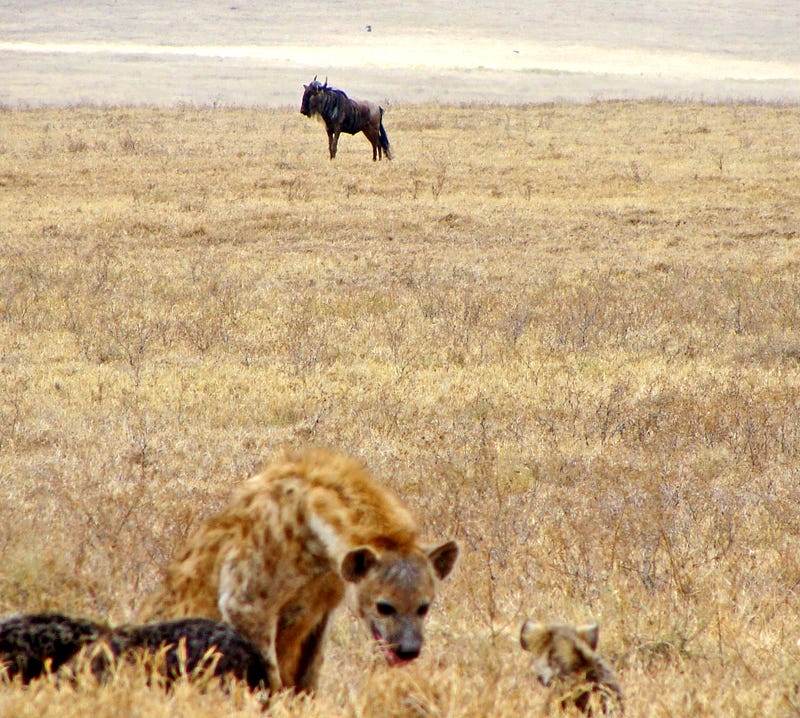
What we saw were the stragglers who liked it there year-round and decided to stay. Ostriches roamed the plain, and female hyenas nursed a litter of pups. We also saw a lot of antelope, including a family with one male and a dozen sister-wives. Yonah told us that the markings on the Antelope's butt look like the letter M and stand for Masai McDonalds.
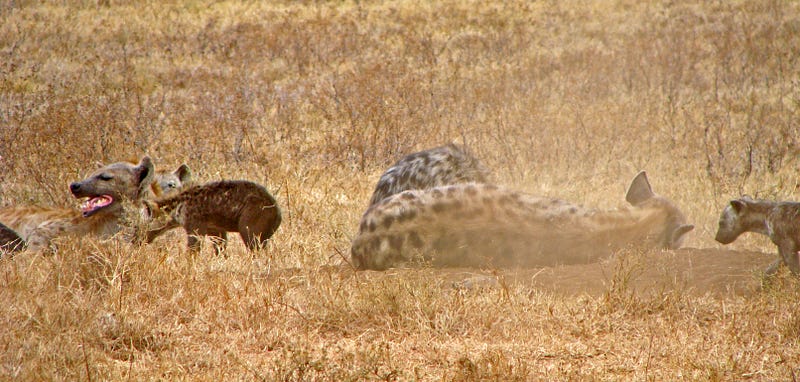
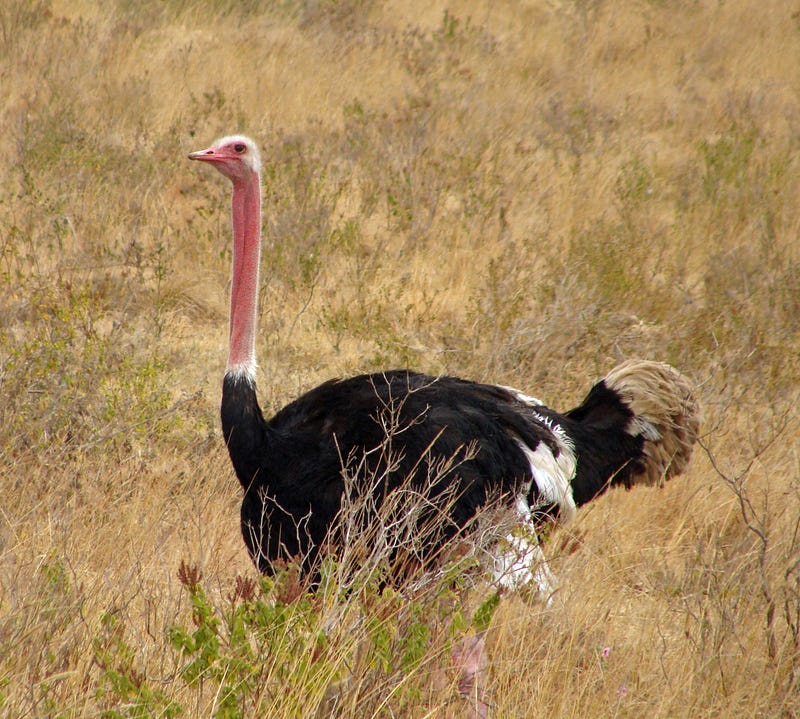
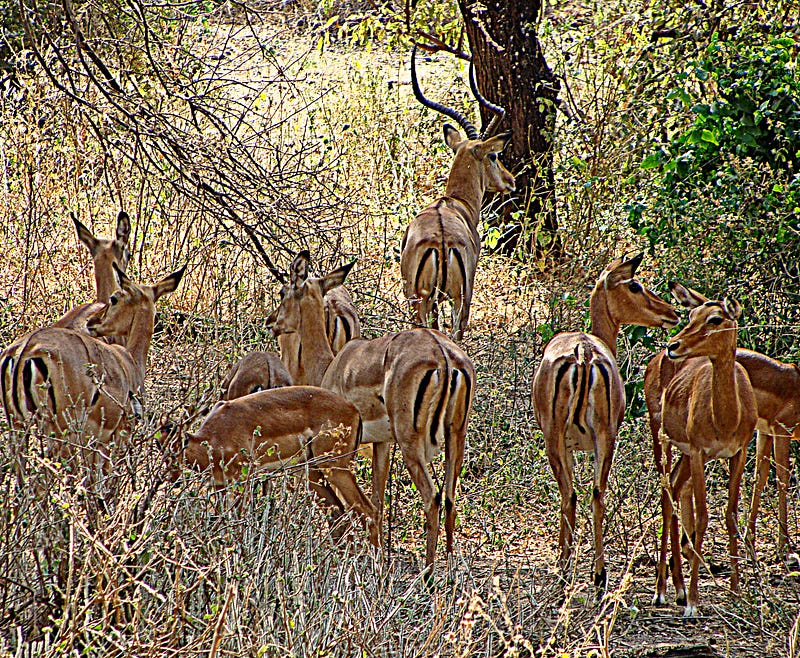
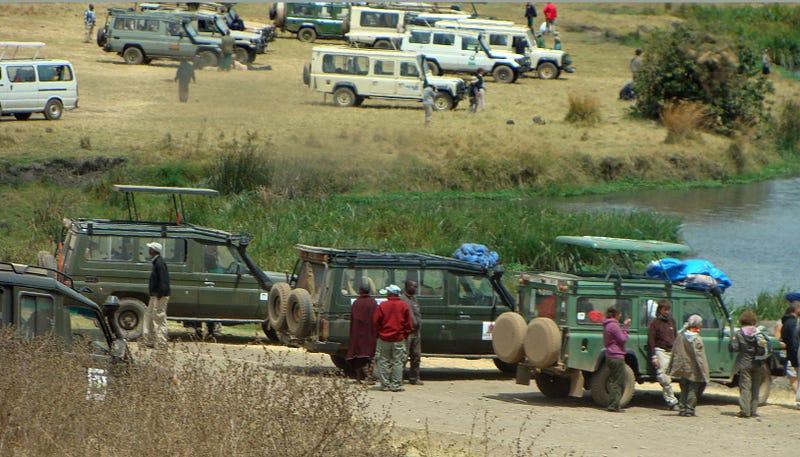
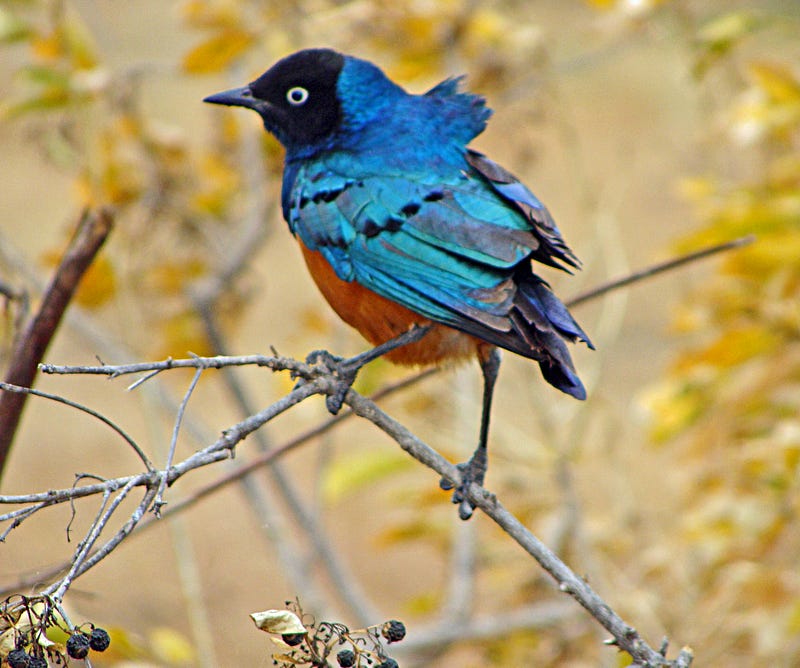
The big hangout for tourists is the Hippo Pond. It’s actually one of the few places where we could get out of the vehicle and wander around. The place was packed with safari tourists, all with the same idea. As we sat on a giant rock overlooking the hippo pond and ate our lunch, a couple of brightly colored Superb Starlings came over looking for some crumbs.
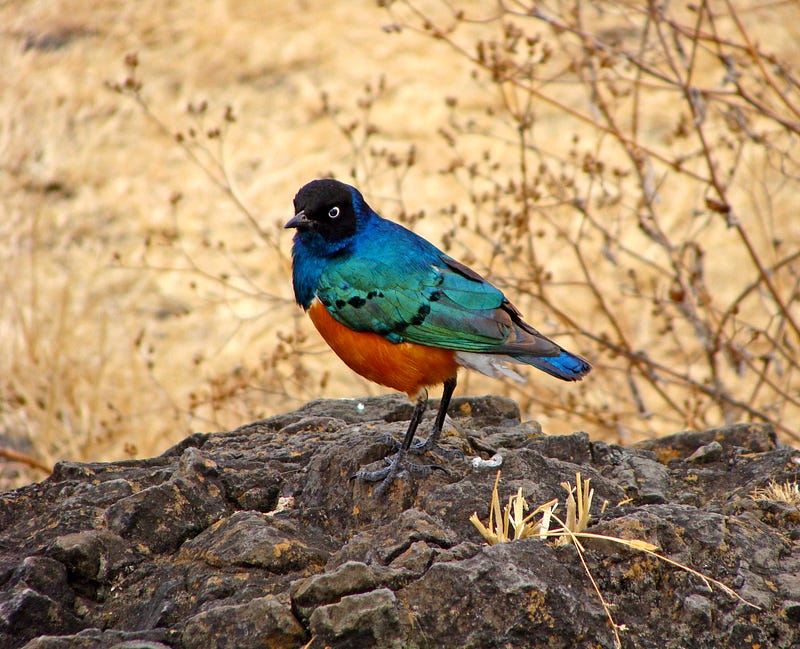
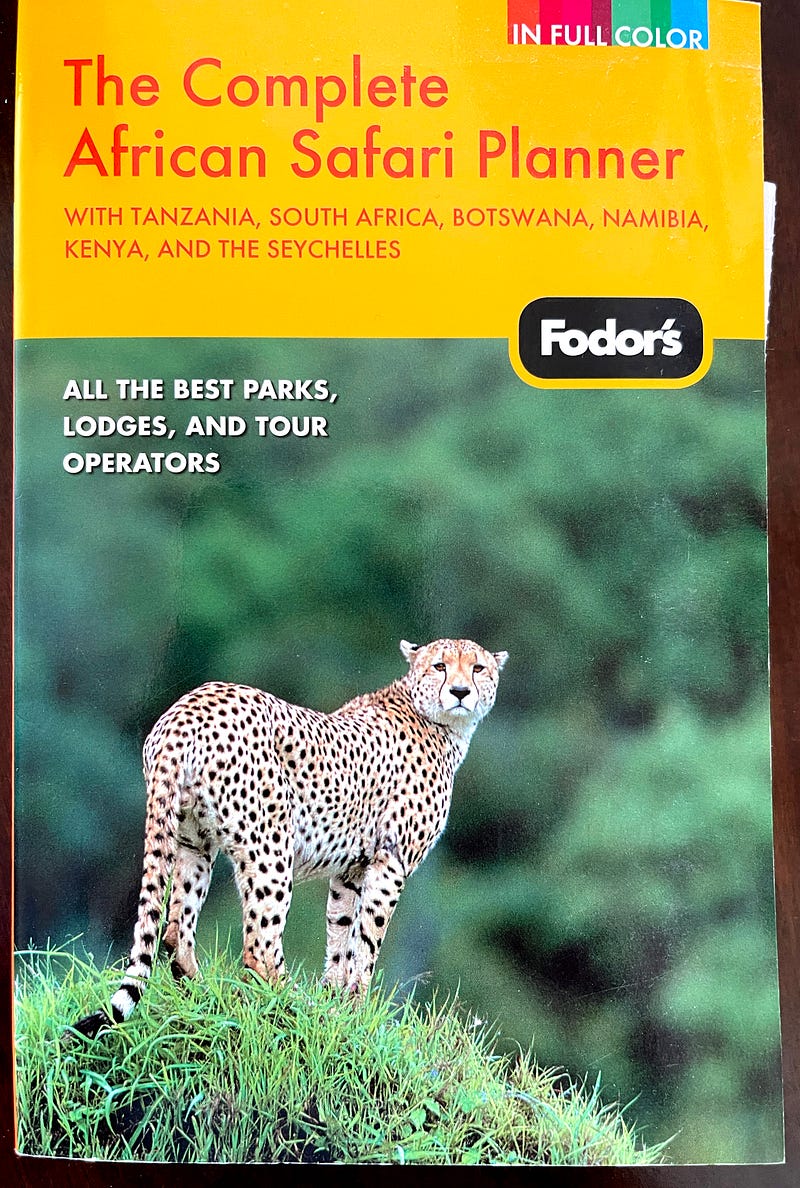
A few months after I got back from Africa, someone from Fodor’s Travel Guides saw my photo of the Starling on social media and asked if they could use it for their book. This is the photo on page 161 of Fodor’s Complete African Safari Planner. They didn’t pay me but sent me two copies. I now see them listed on Amazon for about $70 each (if you were thinking about ordering yourself a copy.)
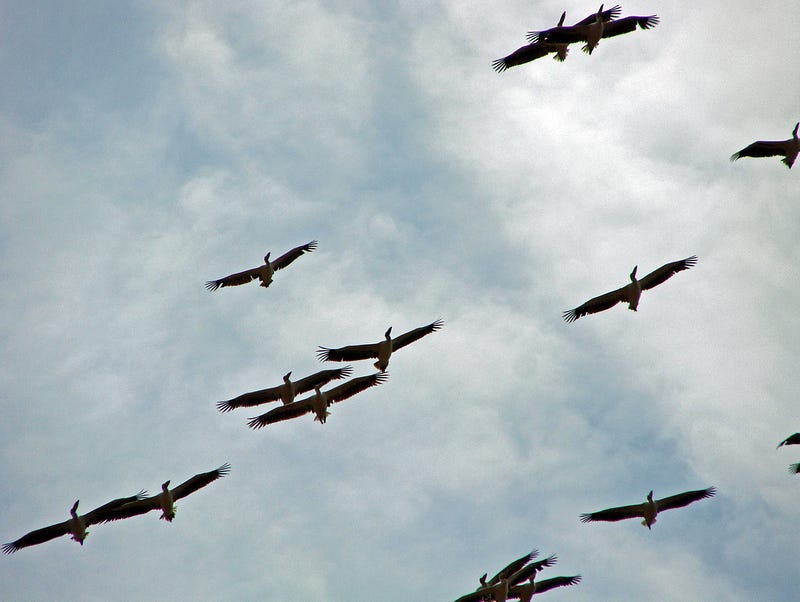
A large raptor, either a hawk or vulture kept soaring over us. Our driver warned us that the large bird would attack and fight anyone for some free food. I wasn’t sure if he was joking but I kept one eye on the bird the whole time I was eating, ready to dive for cover.
After lunch, we checked out another Hippo pond and this one was so close we didn’t want to get out of the vehicle for a closer look. Instead, we watched from the safety of the jeep as hippos rolled around in the mud and flipped water onto their backs.
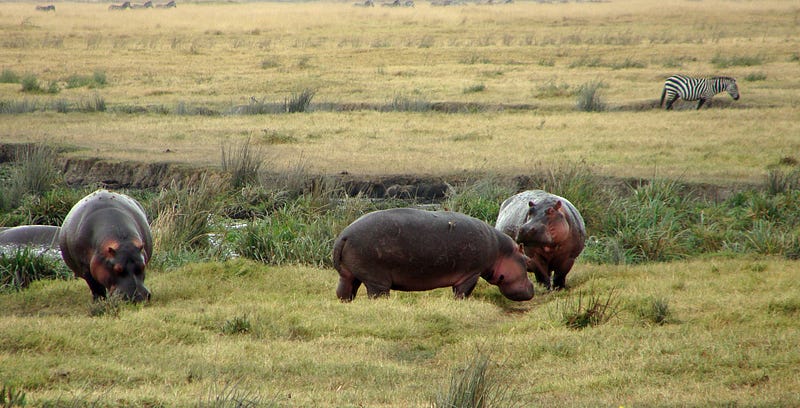
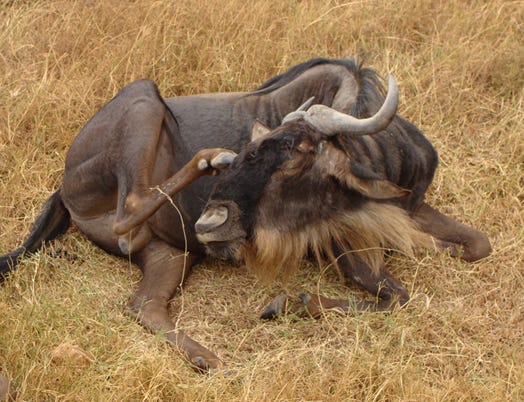
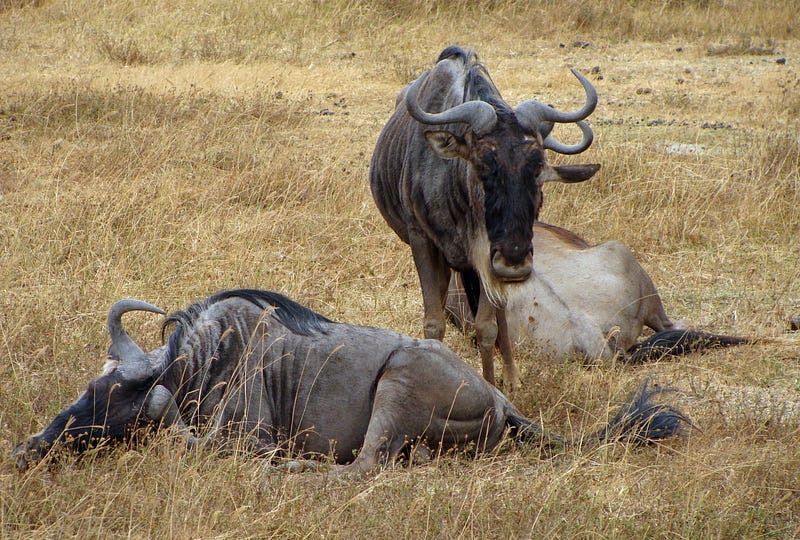
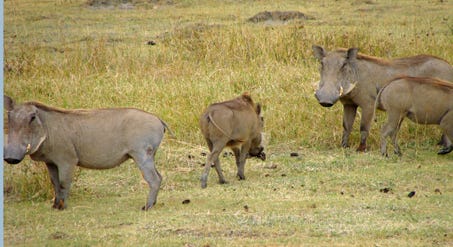
For the next several hours we experienced the best of Africa’s wildlife, wildebeest, water buffalo, jackal, and warthogs.
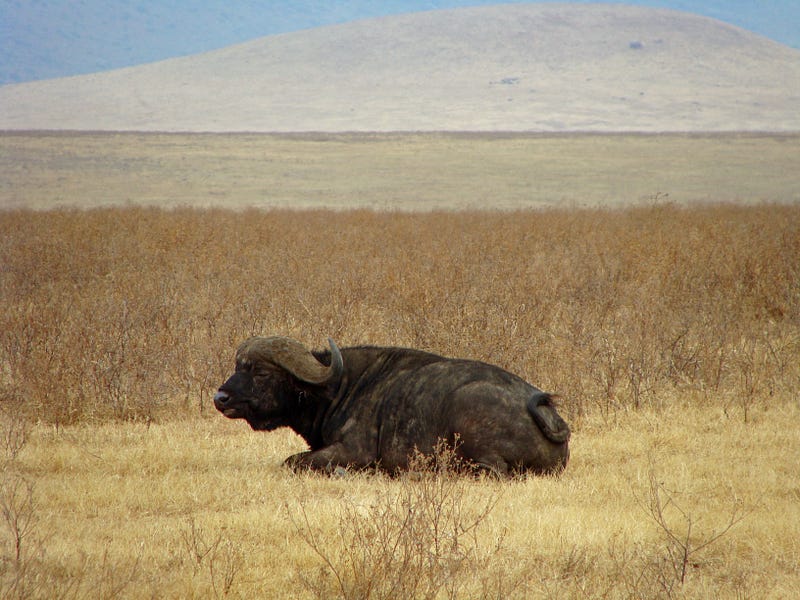
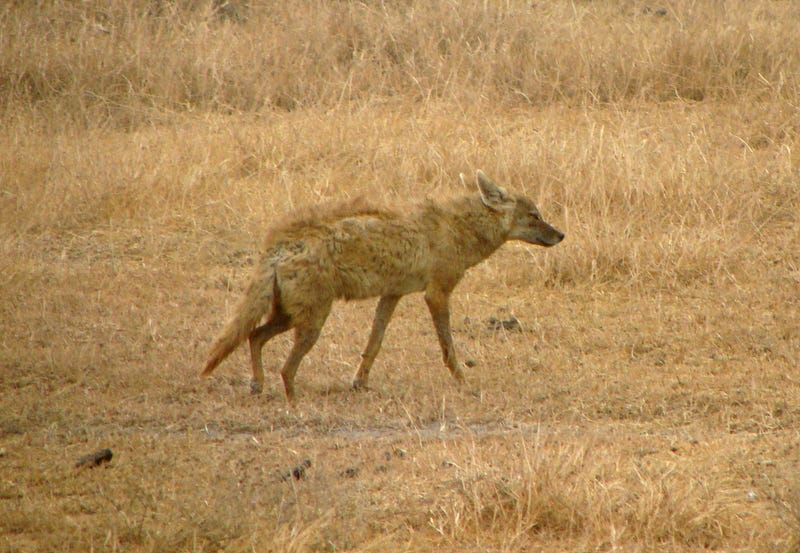
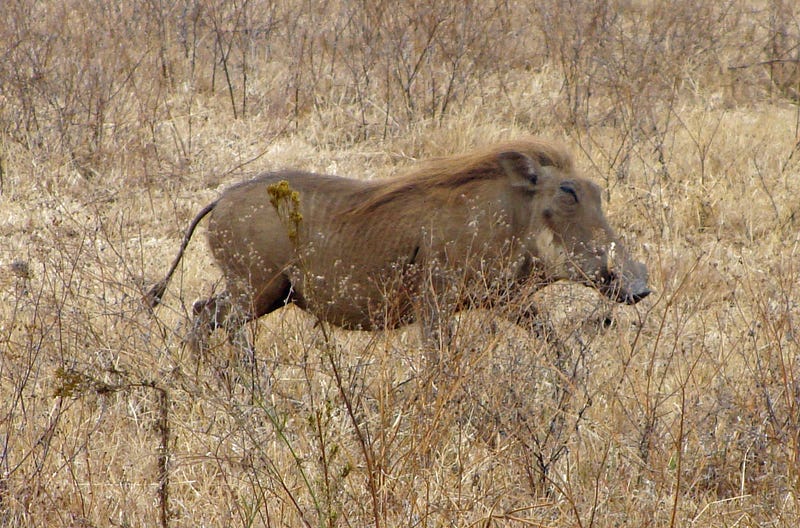
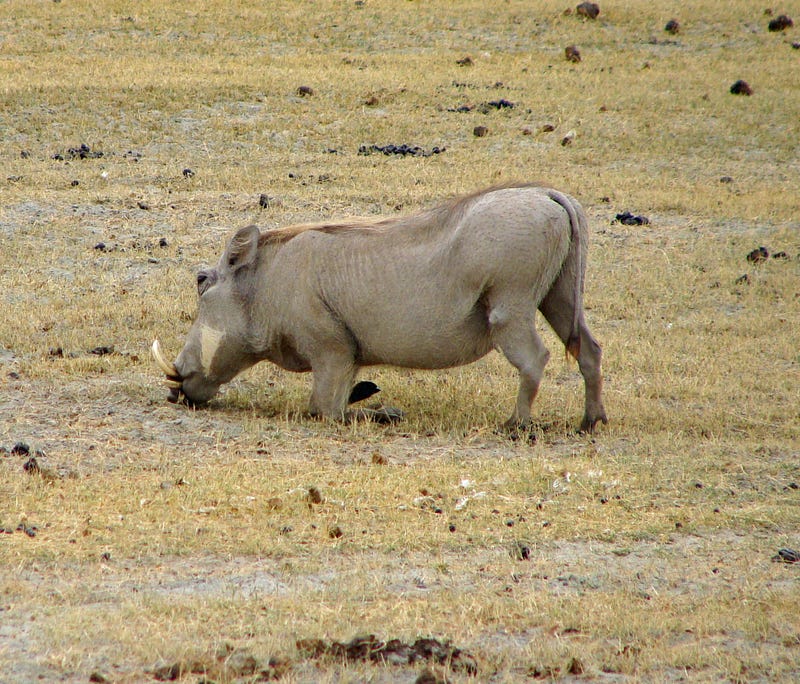
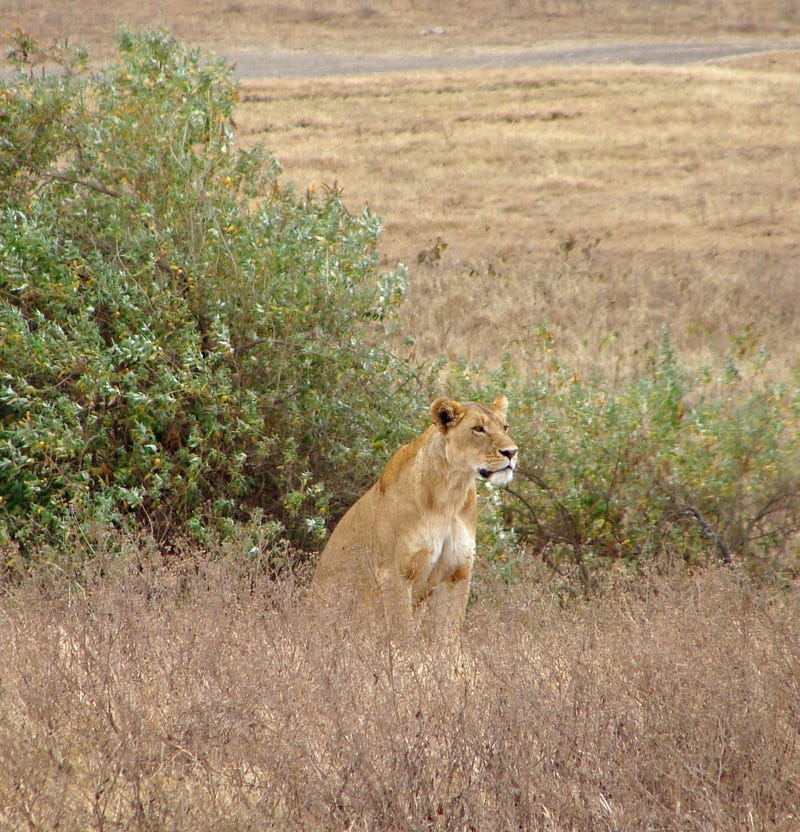
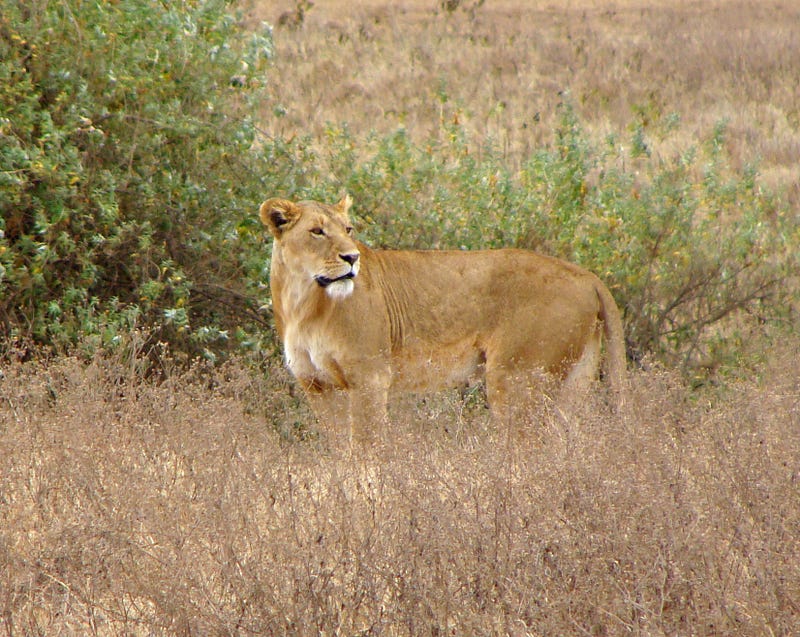
We also saw a pride of lions just off the road. It was a couple of females and their cubs. Another group of tourists had seen the lions unsuccessfully trying to catch a zebra just a few minutes earlier.
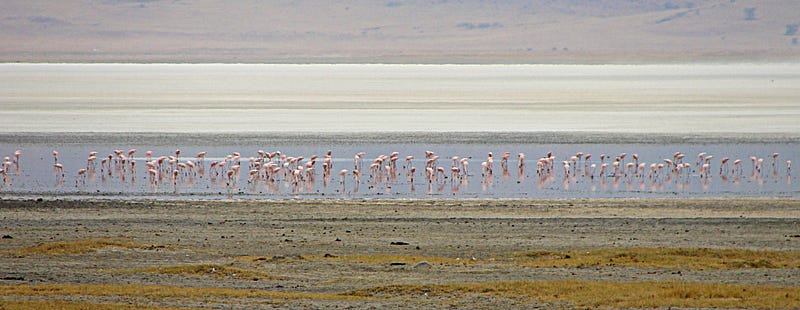
The lake in the crater is salt water and the smell reminded me of the shrimp farms in Hawaii. Of course, there were hundreds of pink Flamingos but the lake had dried up so much that we couldn’t get very close.
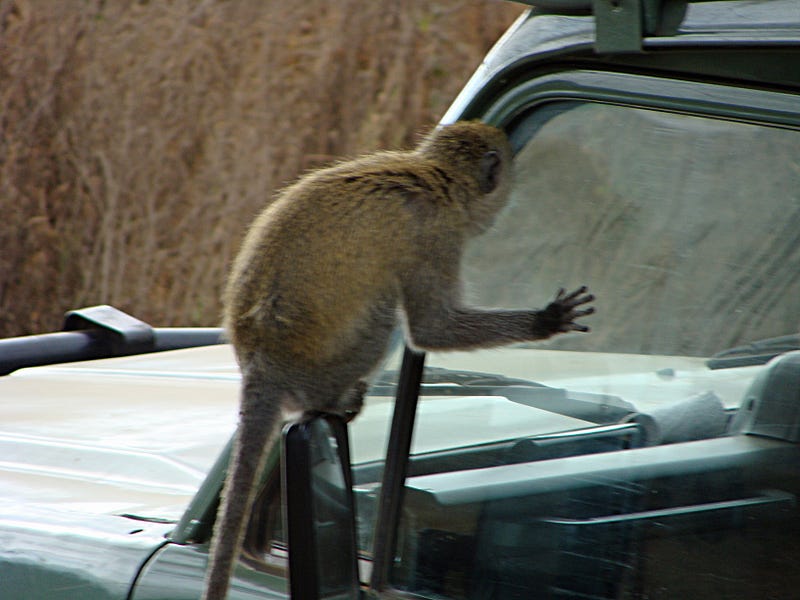
Our most exciting adventure happened at a rest stop almost at the end of our trip. The driver told us to be careful because the Vervet monkeys knew there would be food in the jeep. He didn’t take his own advice. As he got out he forgot to roll up his window. Within seconds a monkey jumped on the back of the jeep. It was obviously a well-planned distraction maneuver. Suddenly someone shouted, “One is inside, one is inside… and he’s stealing your nuts!”
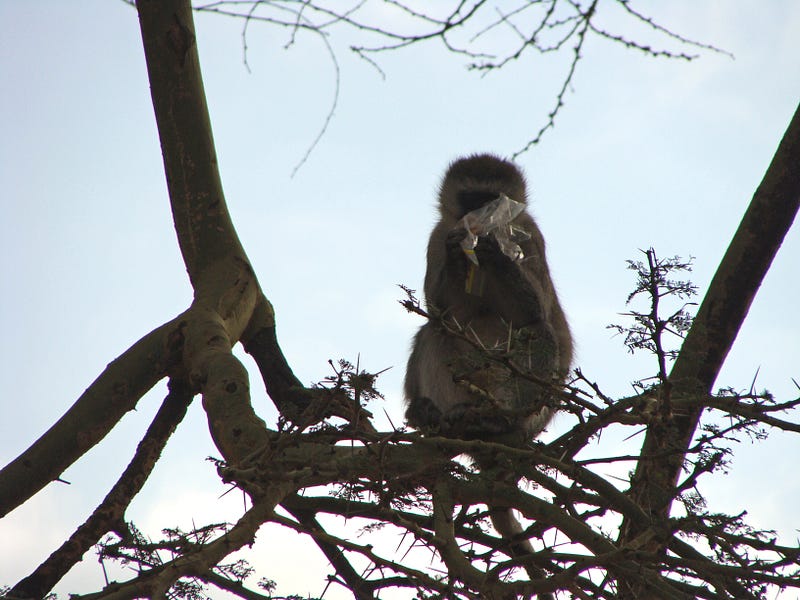
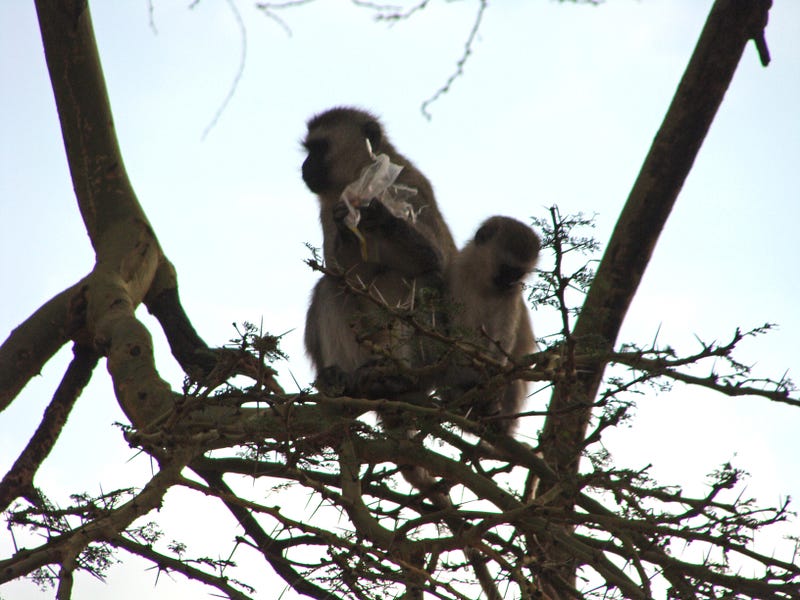
Sure enough, a monkey jumped in through the window, went straight for my knapsack, grabbed a plastic bag of almonds, and ran out the window and up the tree, where he gobbled it up. You’d think he’d done this before.
When another jeep pulled up with a family of Japanese tourists we shared the story. We could see the terror on their faces when we told them what happened. Suddenly a monkey jumped onto the mirror of their jeep and they all started screaming.
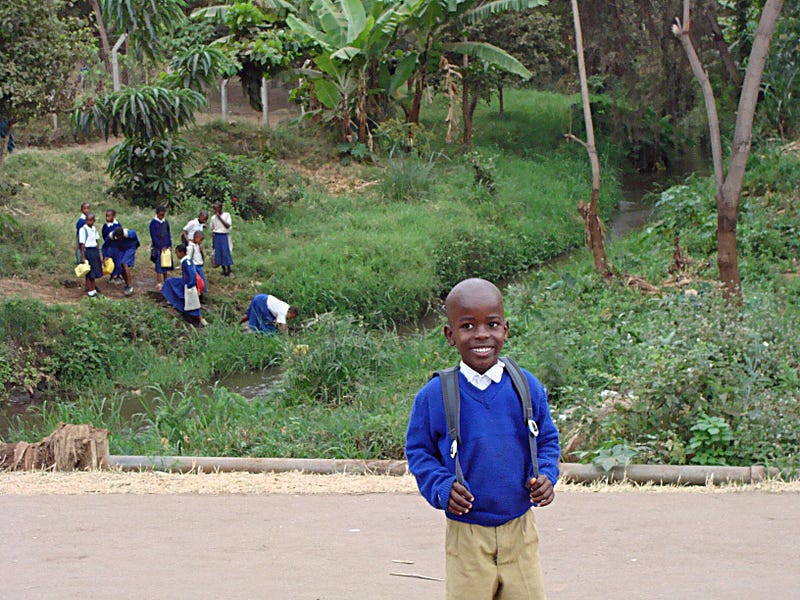
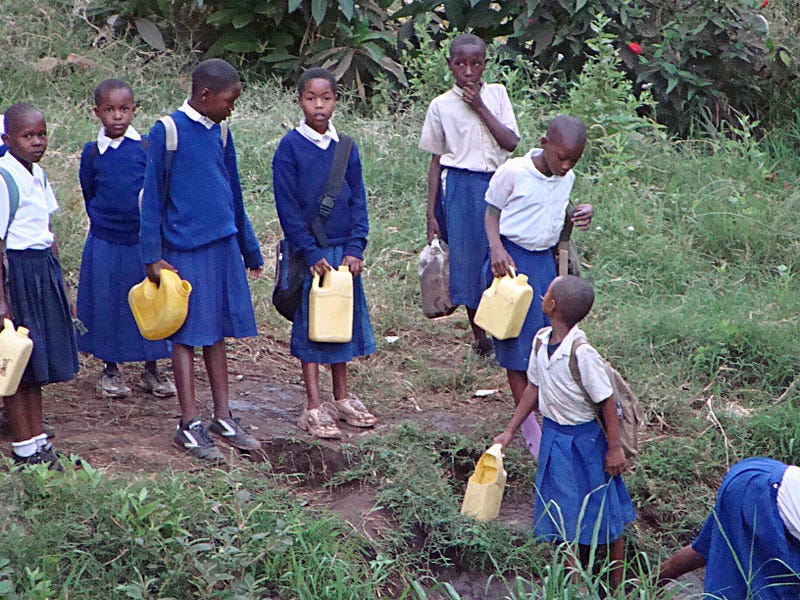
As we headed to the airport the next morning, we saw dozens of kids walking along the road on their way to school. They were smartly dressed in their uniforms and we were told that the uniforms and books can add up to a couple of months' salary for a family.
In one area, the kids were carrying big sticks for the lunch meal fire. If anyone forgot their stick they wouldn’t get lunch. They also lined up next to a creek filling up containers with water to bring to school. They waved and posed for our cameras.
Just another day in the life, on the Serengeti.
Thanks for reading. You can read all about the next stop on my African adventure in Zanzibar.


