
TRAVEL ALPHABET CHALLENGE
African Beach Vacation in Zanzibar
A to Z of my favorite travel destinations — Z is for Zanzibar
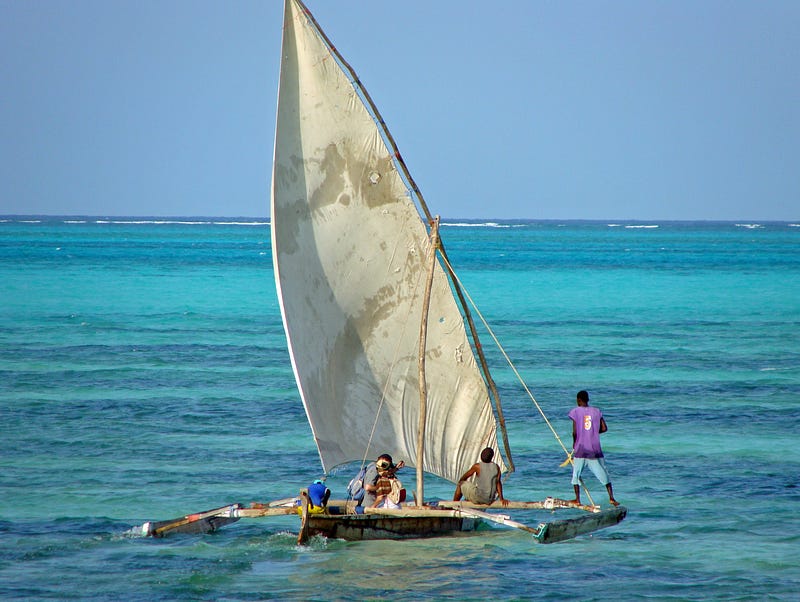
It’s never been a destination on my bucket list, but since I was in Africa to climb Mount Kilimanjaro, it was the closest beach resort we could find.
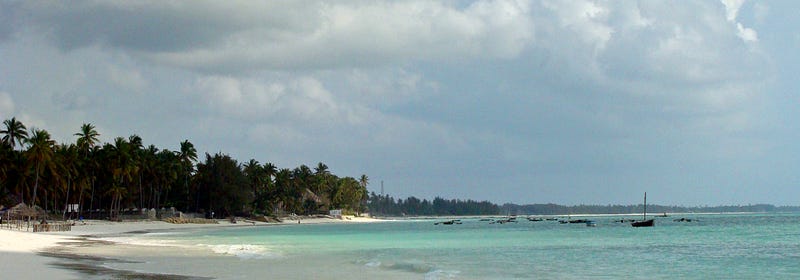
Just off the Tanzanian coast, Zanzibar is a relatively small island in the Indian Ocean about an hour flight from the mainland. When we stepped off the plane onto the tarmac we were welcomed by warm, humid sea air — a wonderful change from the dry, dusty air we were used to on Kilimanjaro and on safari.
We entered the terminal and the baggage handlers pulled up in a cart and started unloading the luggage (from different flights) onto a counter. It was organized mayhem but it seemed to work — at least on the arrivals level. We grabbed a taxi bus at the airport for the hour-plus ride to our hotel.
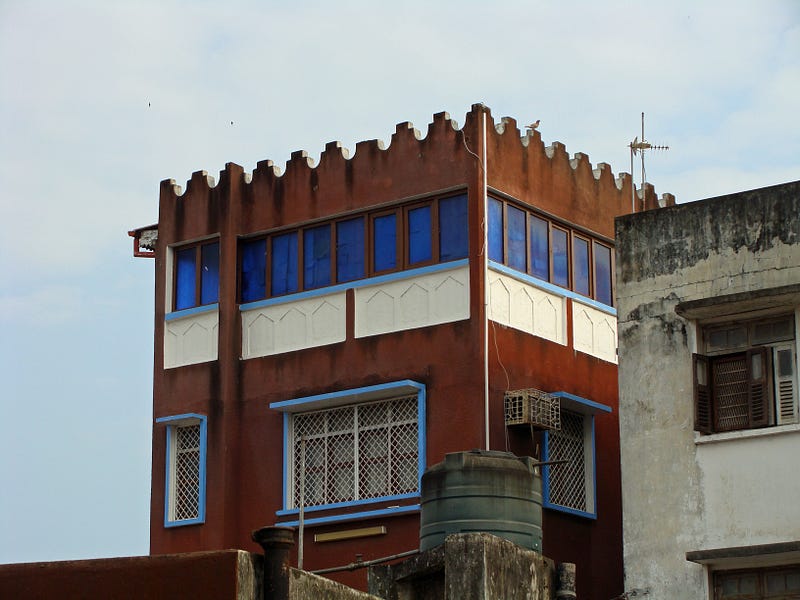
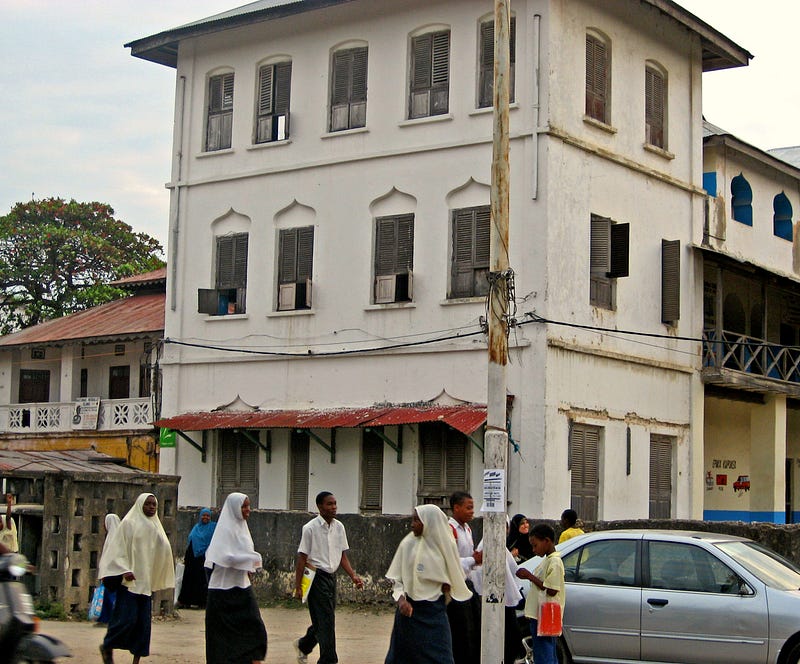
Zanzibar is a unique and exotic location for a holiday. Since this was my first visit to an Islamic region, I was overwhelmed by the beautiful architecture reflecting its Islamic heritage.
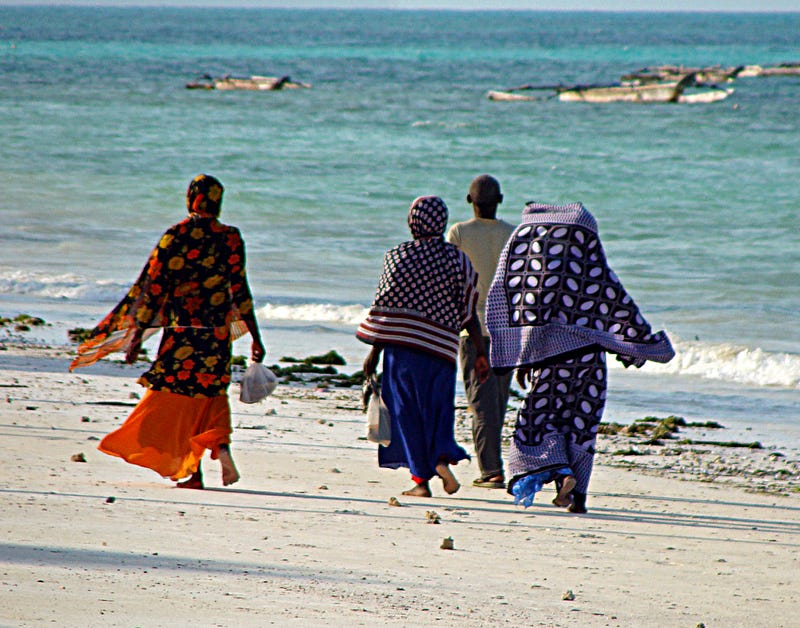
The women were all modestly dressed, some wearing the hijab, others in full burka. Schoolgirls wore white cotton veils and dark navy blue uniforms.
Along the way, we had to stop at a police checkpoint. They examined the driver’s papers and looked us over and then sent us on our way. Not too unusual except that it happened not once but FOUR times in less than an hour! They apparently only stop taxis with passengers, but I don’t know if it’s for our safety or theirs.
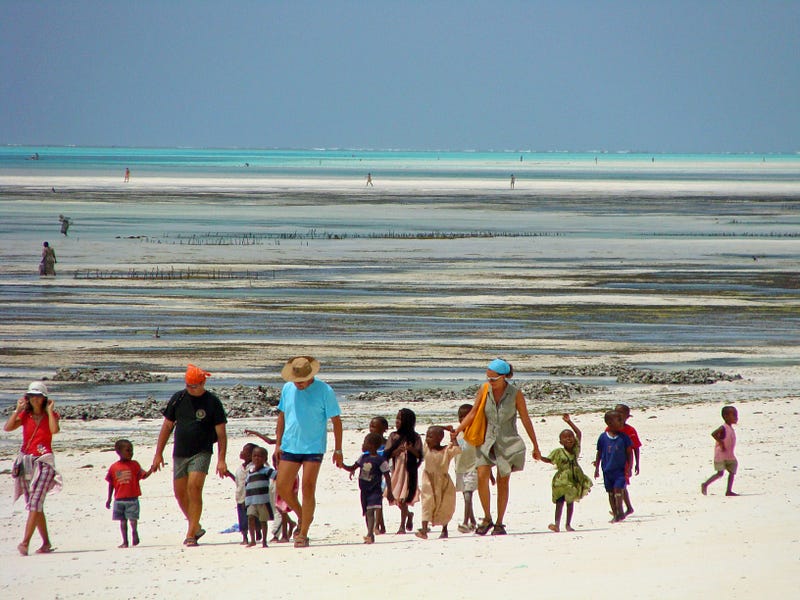
The accommodations were not what we were expecting — we had seen photos of a beautiful thatched hut hotel on a beach next to a turquoise-blue sea. But when we got there, the tide was out — way out!
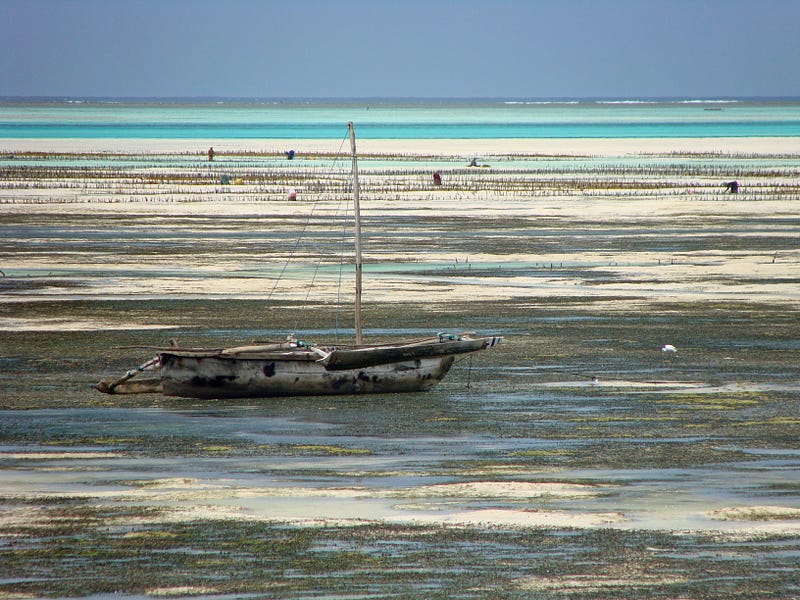
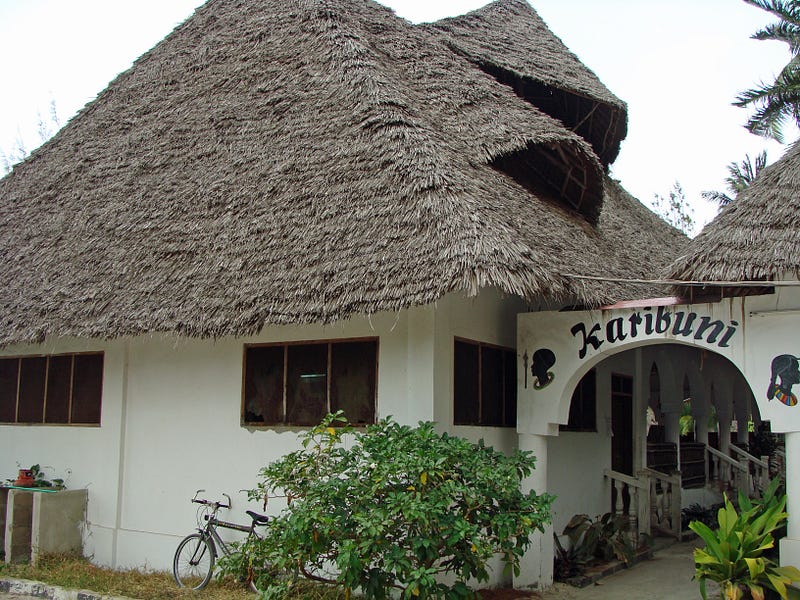
It looked like we would have to walk a mile to get to the surf. The hotel seemed more like a one-star at best. The washroom had a shower in the middle of it and a plastic bucket if you wanted to bathe. Turns out that was a favorite spot for mosquitos at night. While malaria is a problem throughout Africa, luckily for us, it’s rare on the island.
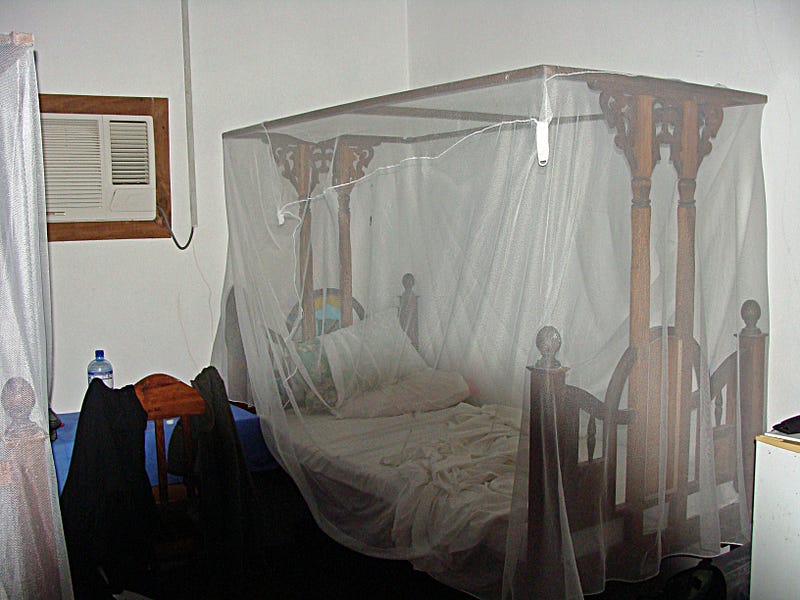
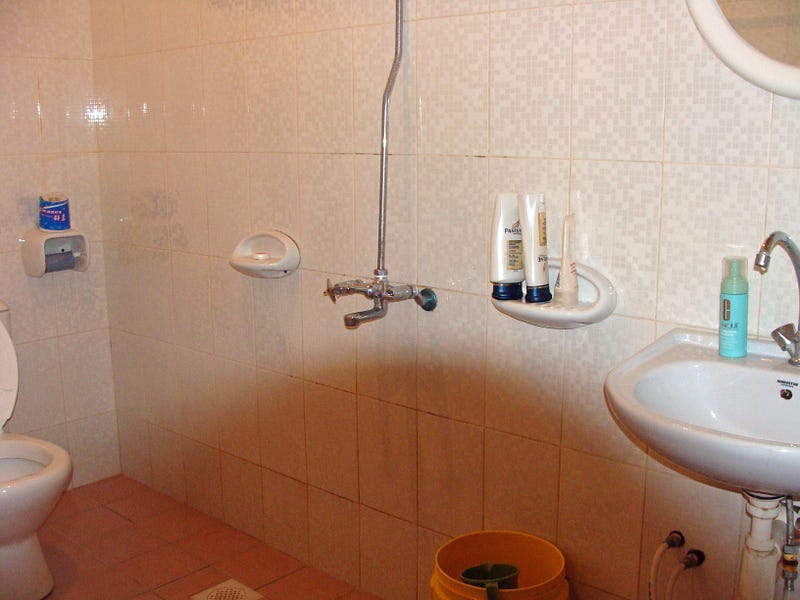
It certainly was not what we expected for $130 a night. But we decided to get over it, and as it turned out when the tide came in, it came right up to the hotel beach. The room was relatively clean; there was a solid bed (instead of sleeping on the rocks of Kilimanjaro or on a cot in a tent while on safari). There was (usually) some water pressure, and the area around the hotel was beautiful, especially the white sand beach.
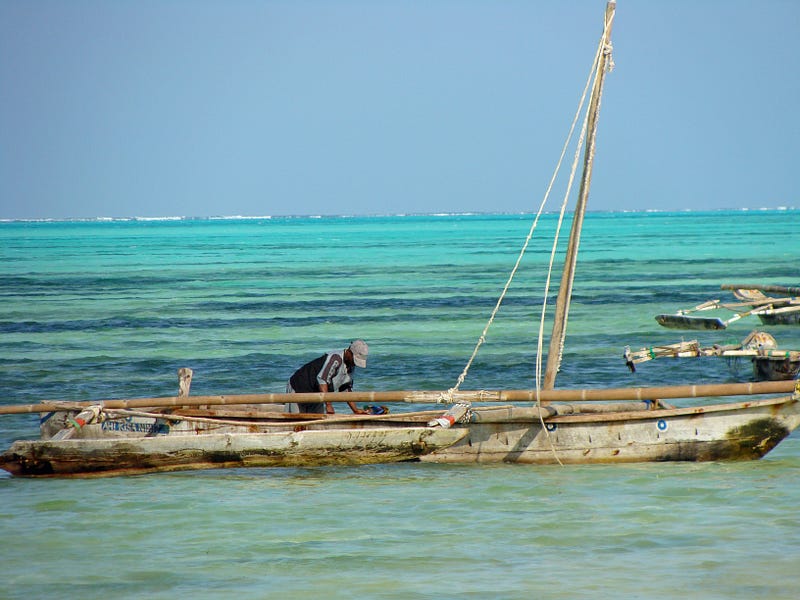
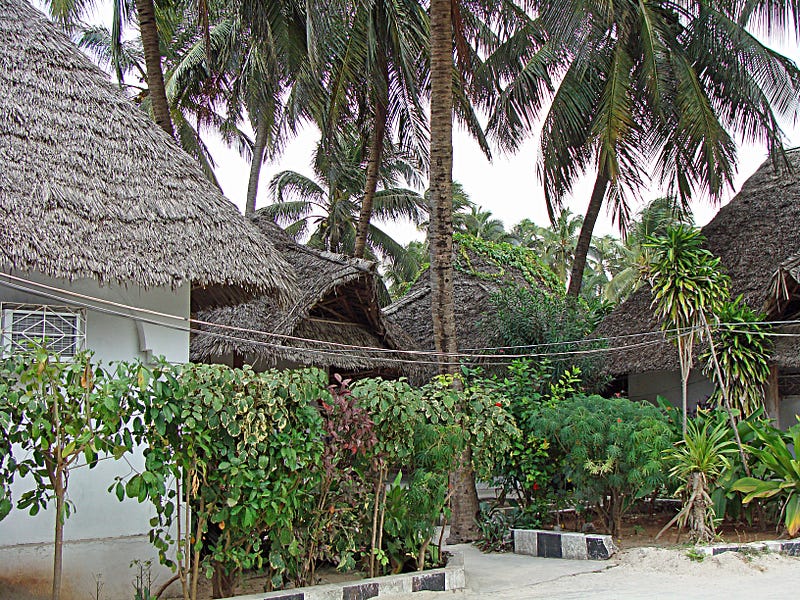
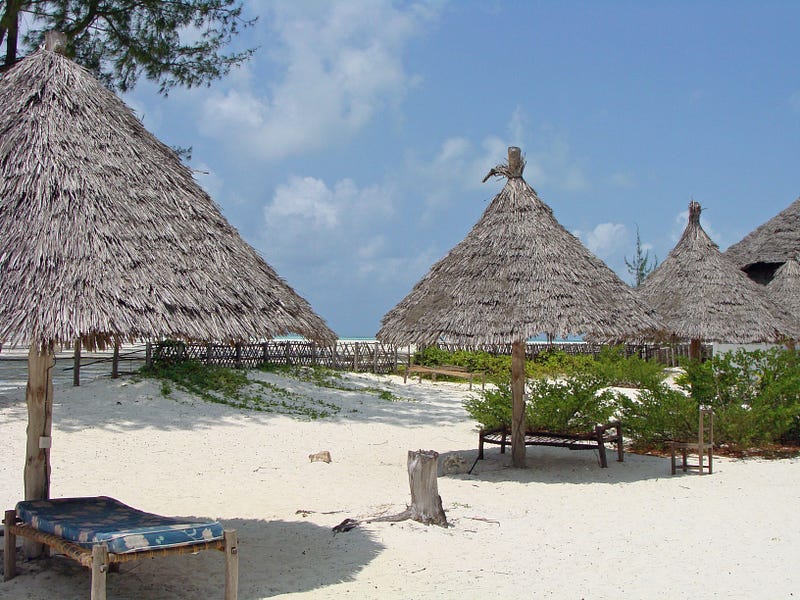
Jambiani is a fairly quiet beach area, although there were a lot of vendors. Women were offering beach massages. Masai men were selling jewelry on the beach (but I was told this was not anything a traditional Masai would consider doing). We also got the pitch to take their boat snorkeling or rent one of their beach bicycles (that you see riding back and forth along the beach all day).
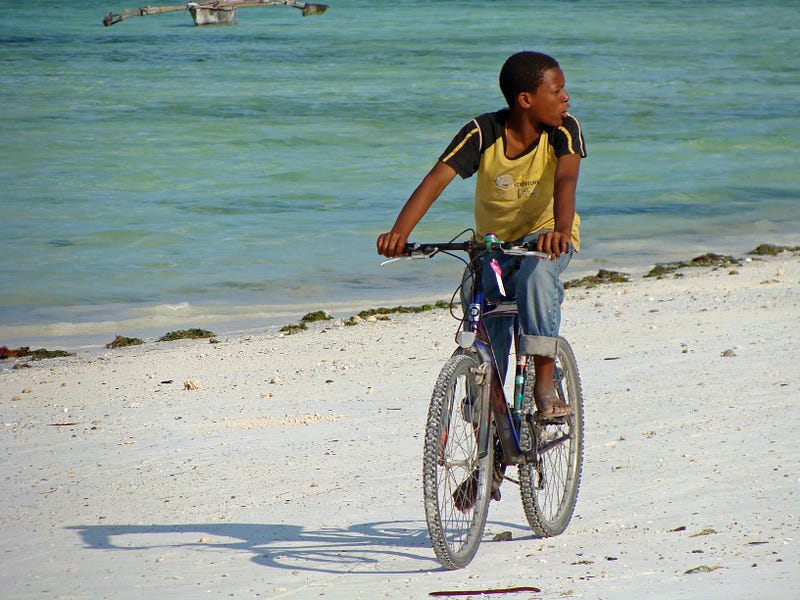
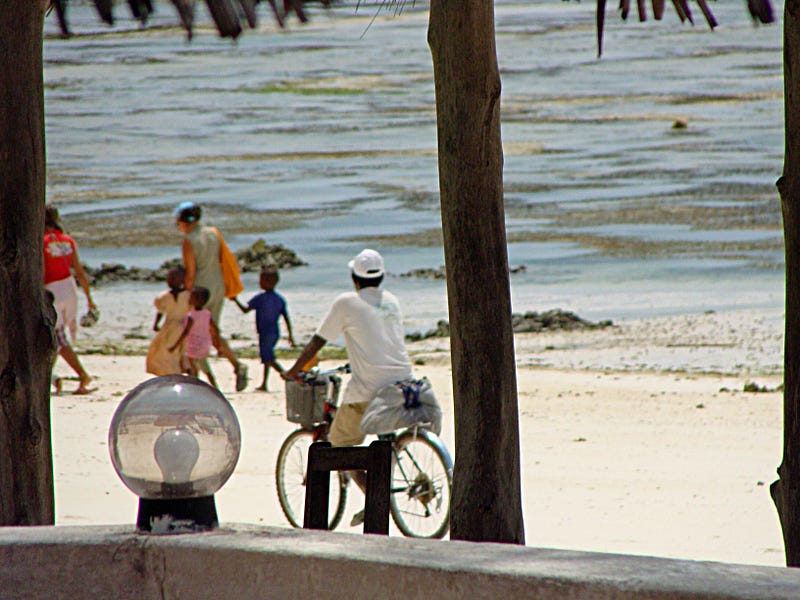
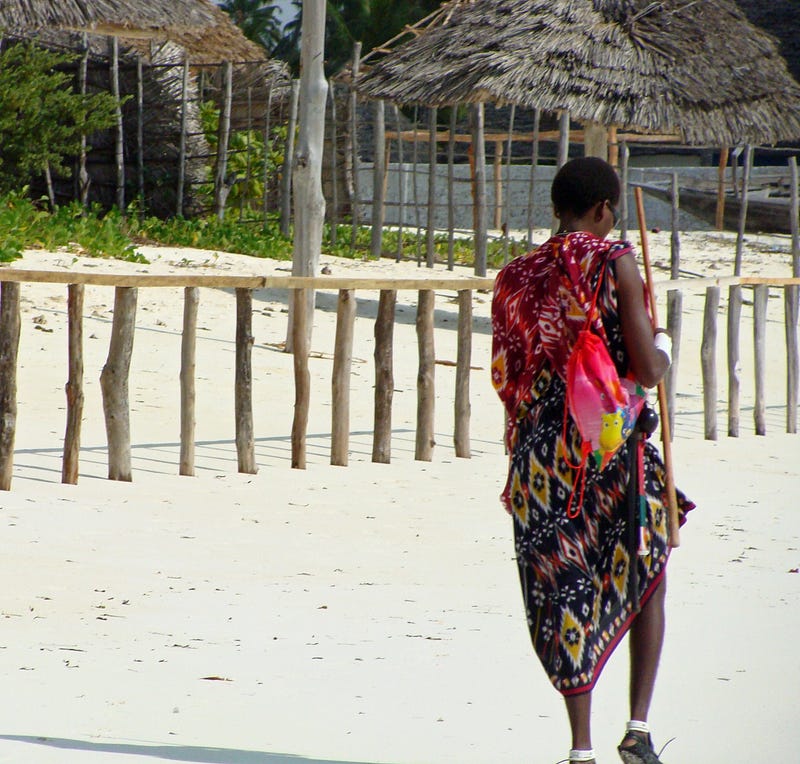
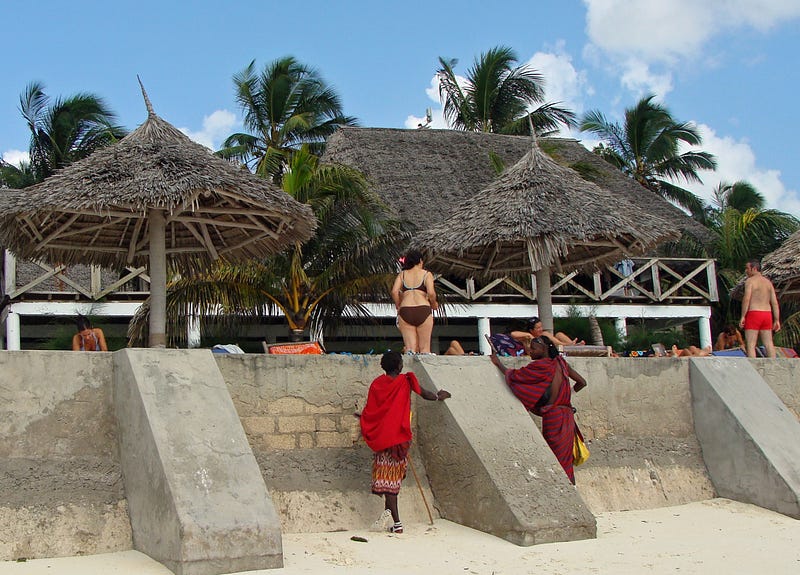
Some of the beach sellers would let us off the hook when we said we were not interested, but others were very persistent. They would often try to speak to us in Italian. Because so many Italians visit the island, they assume that if you ignore them when they speak English, you must be Italian.
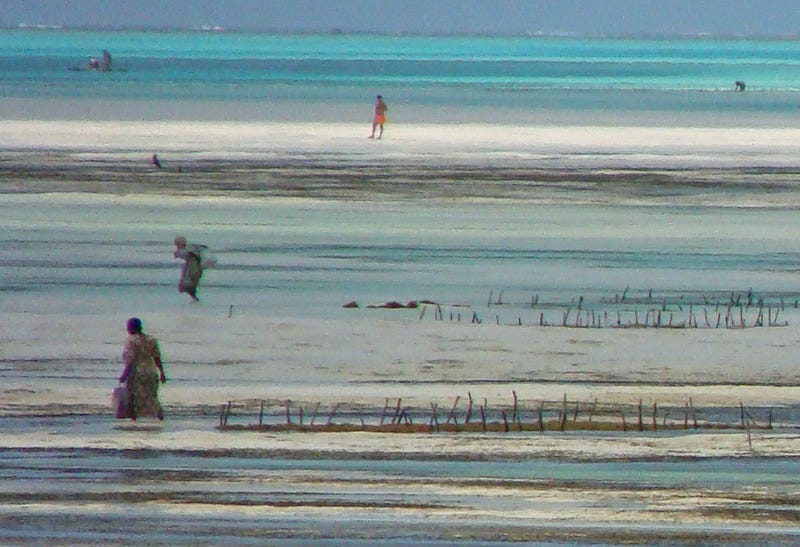
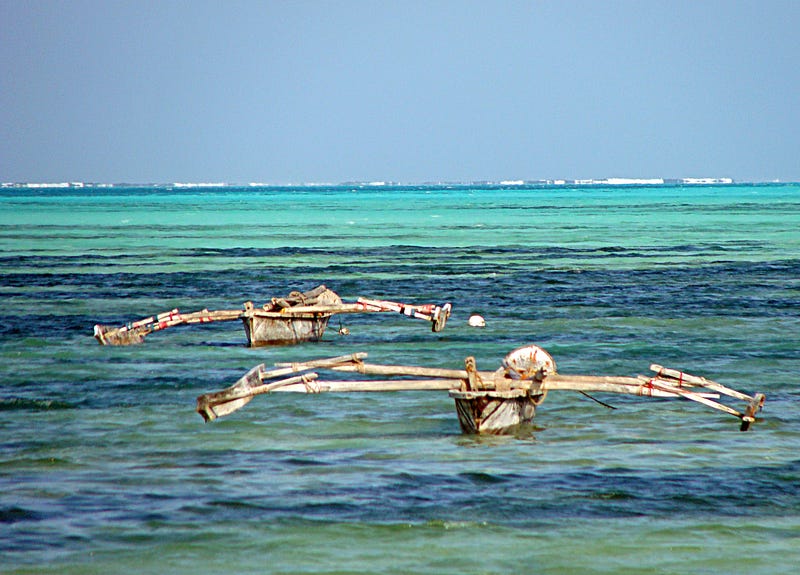
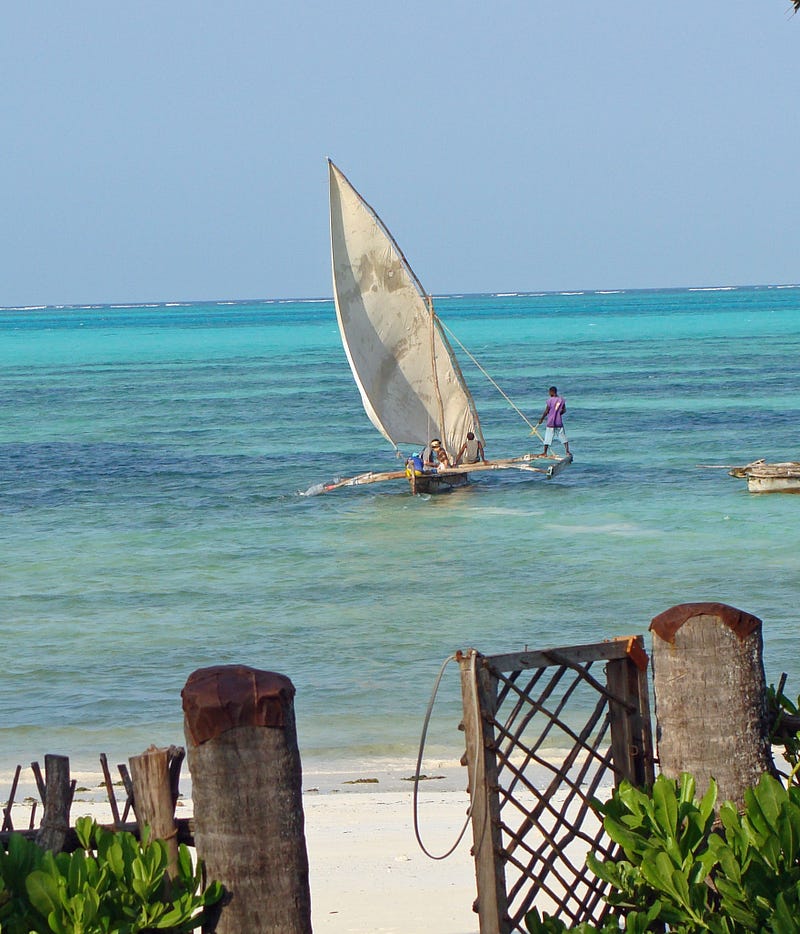
On our first stroll up the beach, we discovered that it was great for beach combing for shells, so that became our morning ritual each day. The boats just offshore were unique too, some looked like Klingon spaceships. We watched as a group of women walked out to the low tide area collecting sea urchins and seaweed.
There wasn’t a lot to do at night, which was okay after the trek up Kilimanjaro, so in the evening we would just sit out on the hotel bar deck overlooking the beach and have a glass of wine. As the sun set, a cool breeze picked up. You may be in Africa and on the equator but that doesn’t mean it doesn’t get cold, especially in the evening, so I was glad I had some warmer clothes with me.
After a relaxing morning at the beach, we hired a taxi van to take the group of six of us into town and to a spice plantation for a tour. The taxi trip cost us $120 USD for the entire day for all 6 of us (about 20 bucks each).
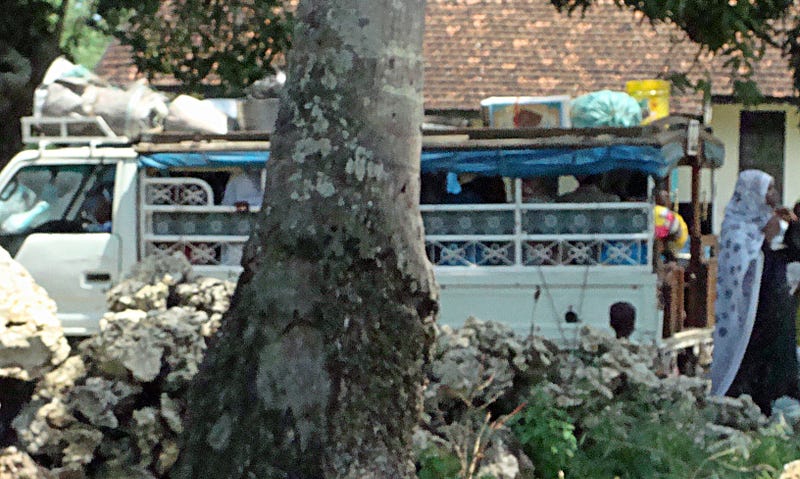
It was a terrifying ride, maneuvering through large groups of people on the narrow roads, that were barely 2 lanes wide. Our van had to dodge people wandering all along the road, crossing the streets, riding bikes, push carts, ox carts, and even cows.
Someone asked what side of the road they drive on in Zanzibar, and we were told it’s whatever side they can get past. I wonder how many people are killed on the roads every year. We passed through the ancient area of Stonetown, full of amazing ancient buildings, Islamic architecture, and carved doors, some of which have been intricately carved.
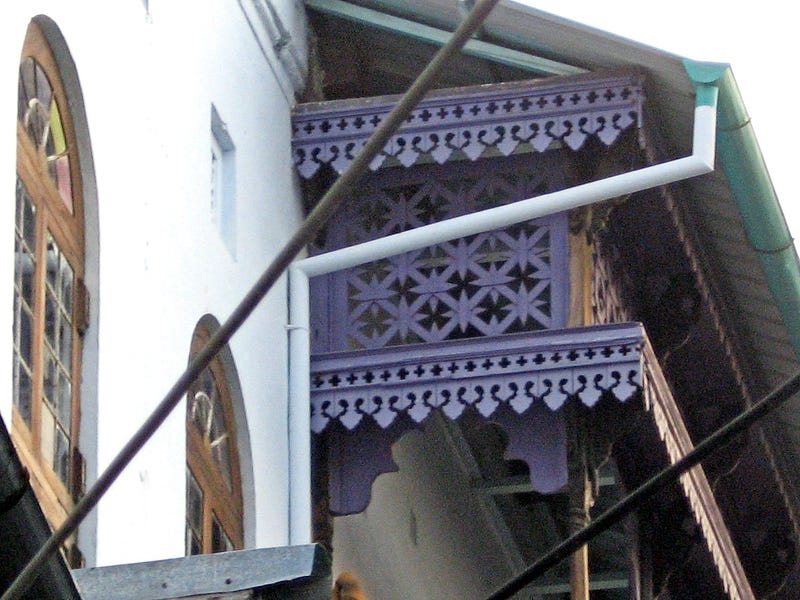
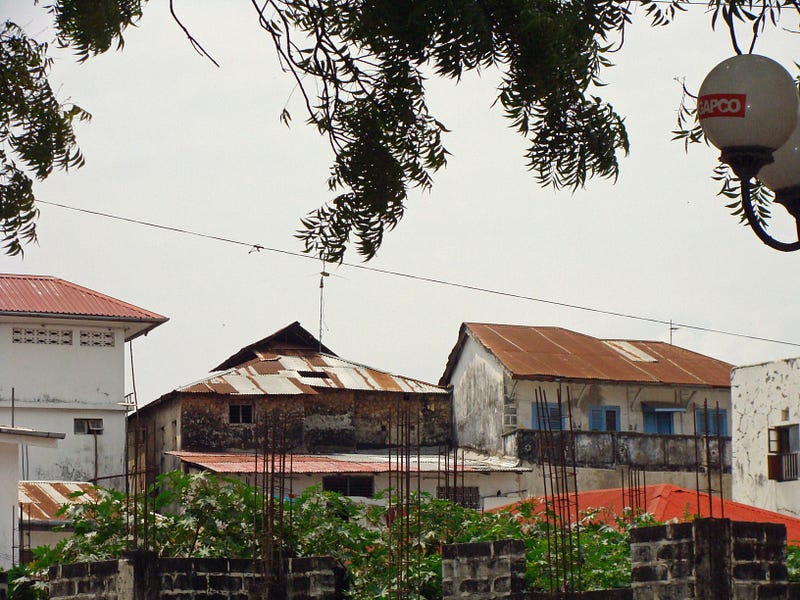
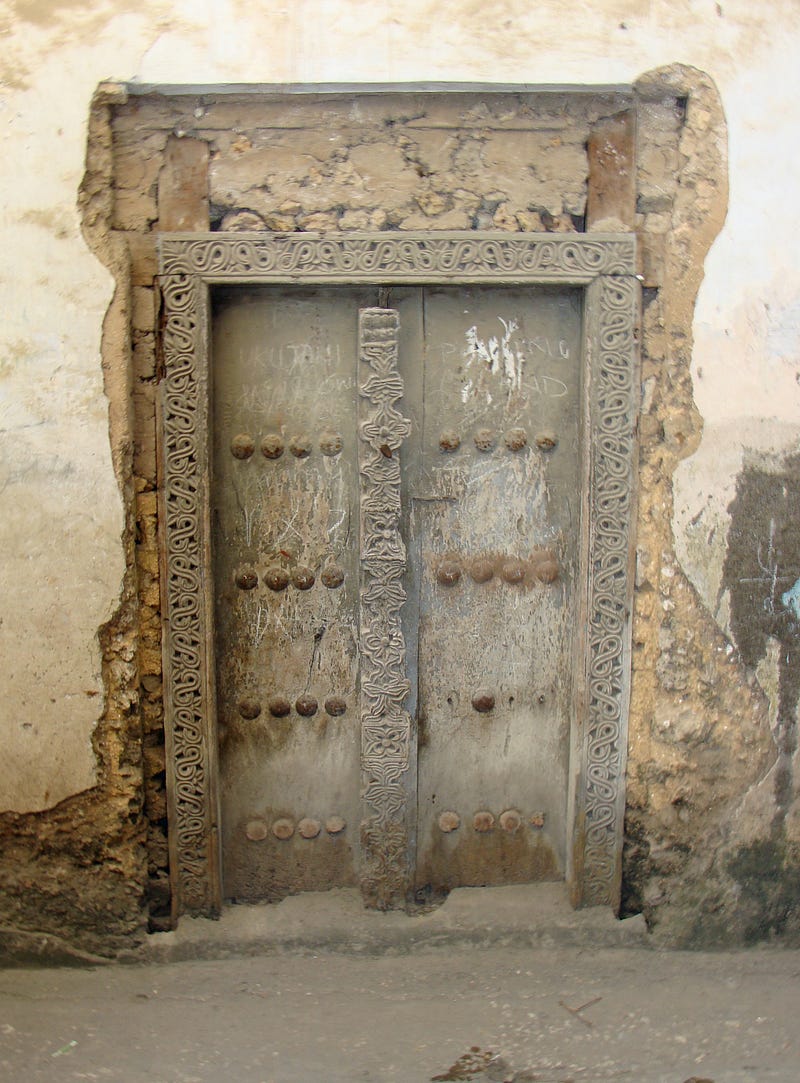
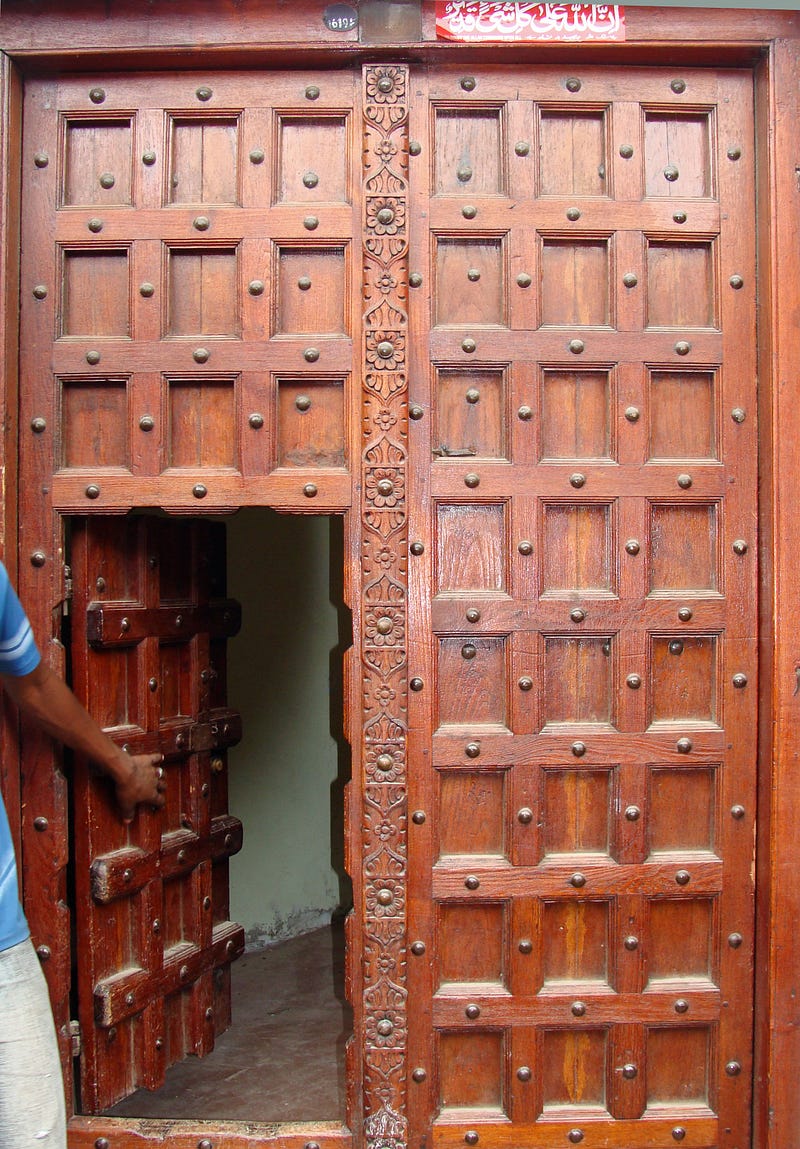
There are numerous spice plantations on the island of Zanzibar. We chose one that was family-owned, and our guide was none other than “Mister Spice.”
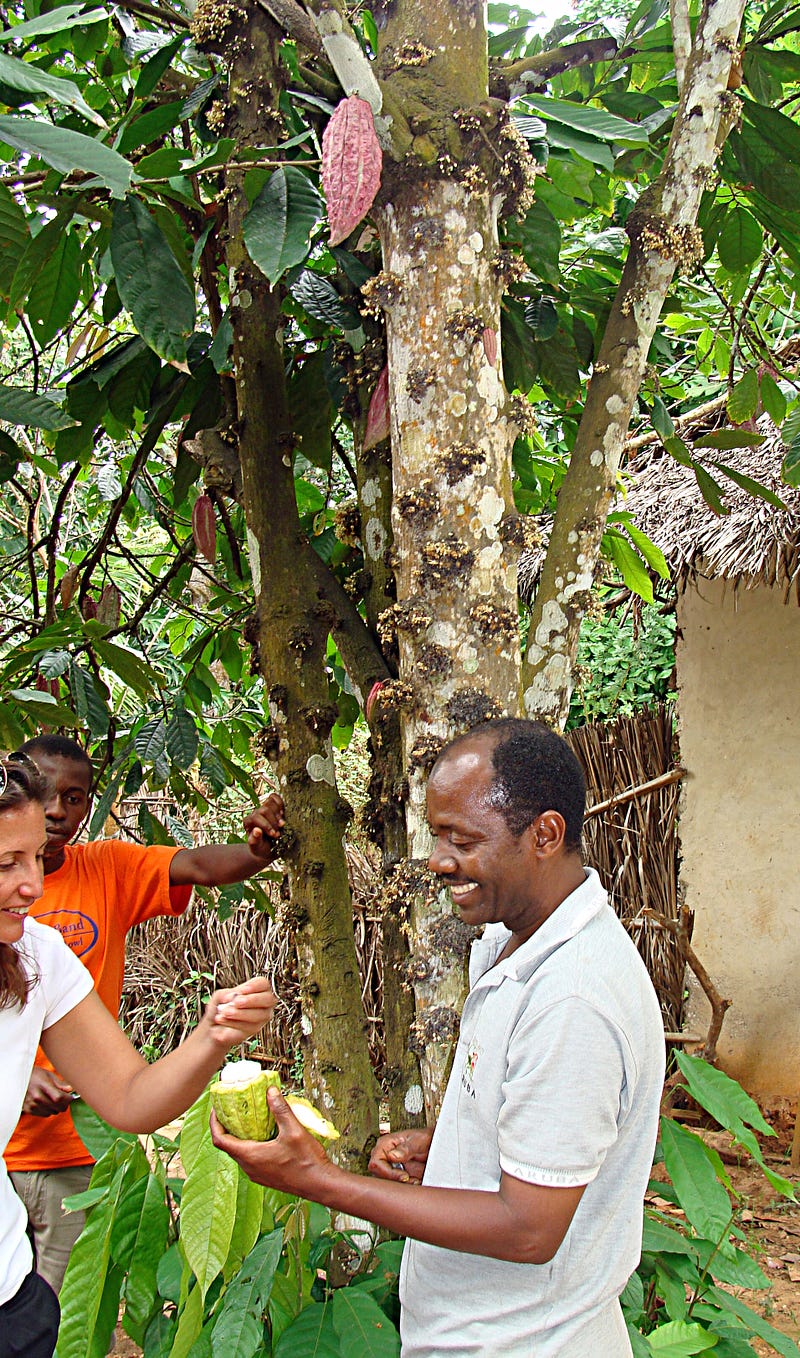
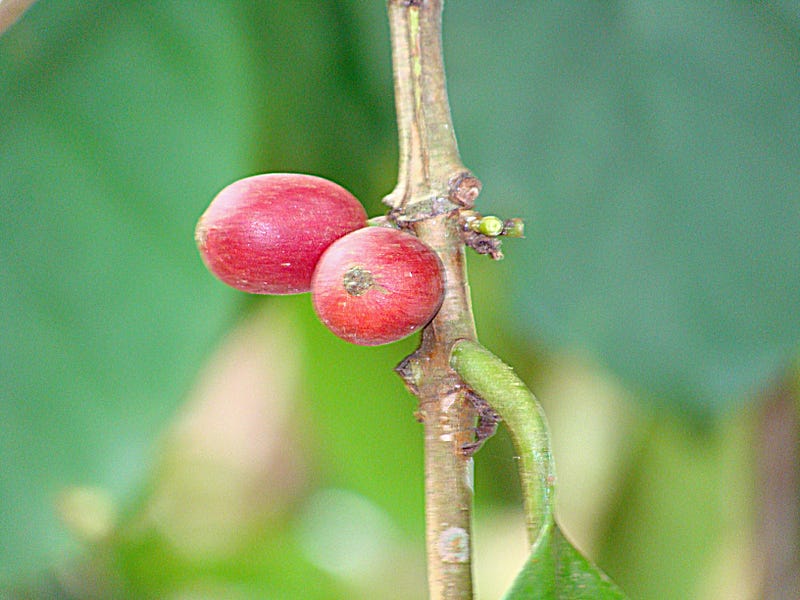
It was an amazing educational experience as we saw how exotic spices are grown and prepared. I was surprised at how interesting it really was. If you are a foodie at heart or just have an interest in where things come from, a spice tour shouldn’t be missed. Mr. Spice opened a cocoa nut and let each of us eat one of the slimy beans inside; hard to believe it would become rich chocolate after processing. We saw coffee beans and peppercorns straight off the plants.
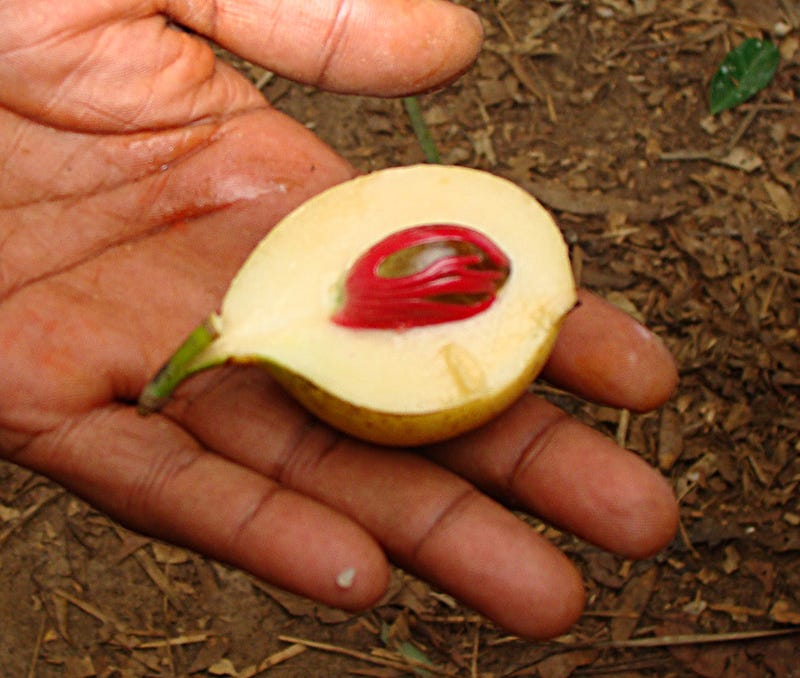
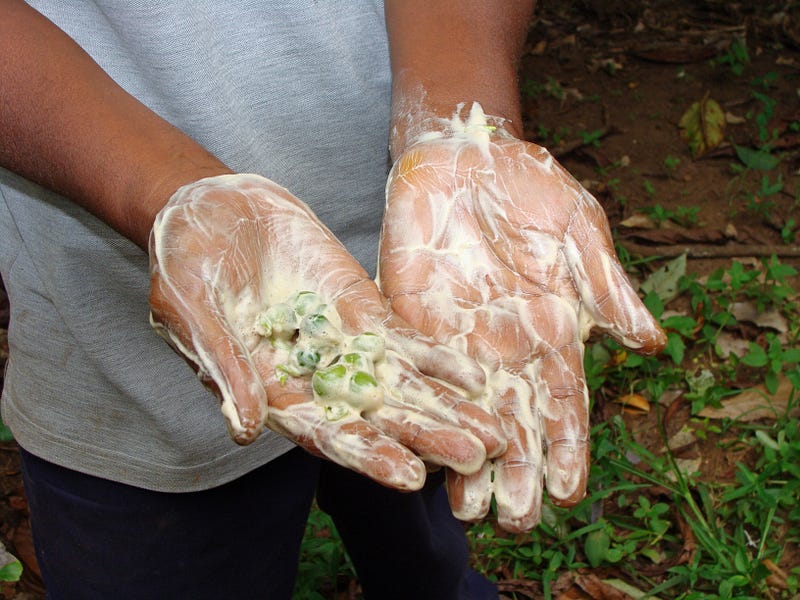
He opened up one pod to show us the beautiful ruby-red plastic spider of the mace flower as it wrapped itself around the nutmeg. He showed us soap berries that he crushed and added water to create a lathery soap. We were able to sample and smell the various spices and exotic fruits.
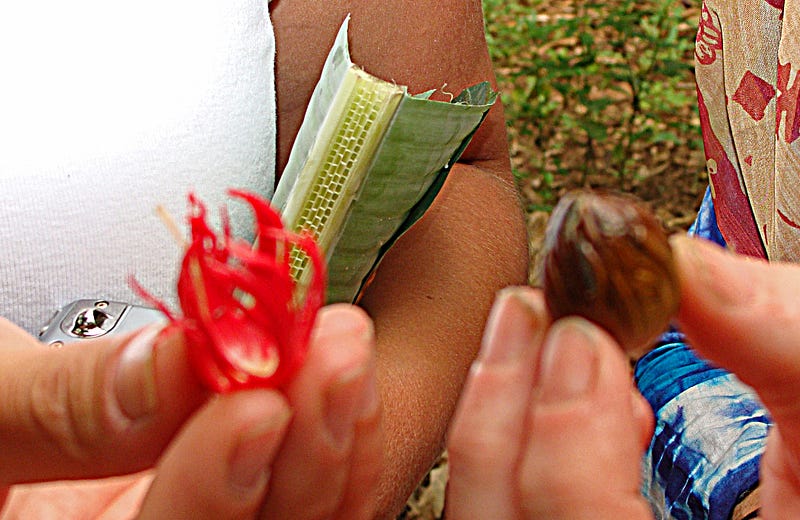
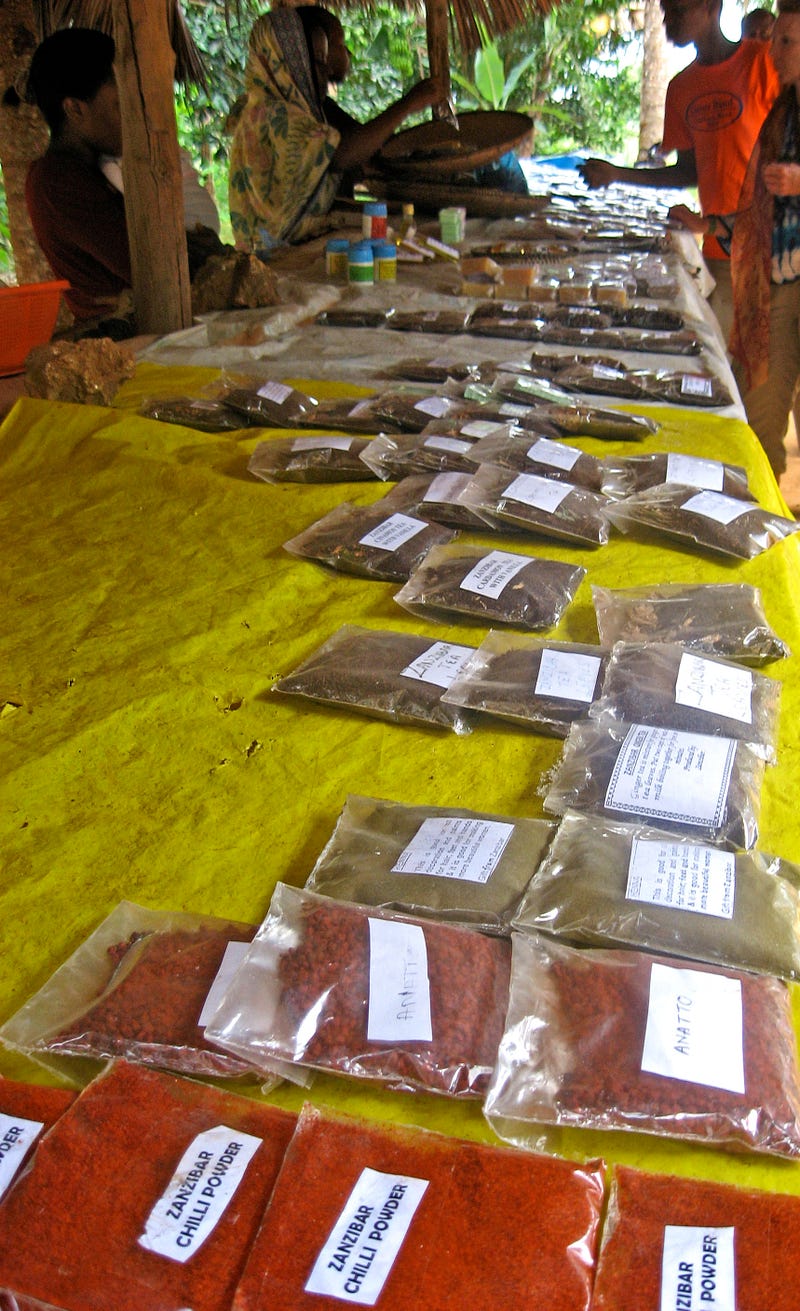
When the tour ended we were presented with a counter full of blended spices, perfume oils, soaps, coffees, and teas, all available to purchase. Our small group managed to spend $150 USD and the family was obviously very pleased. That is a lot of money in Zanzibar, more than double or triple a month’s salary for the average worker.
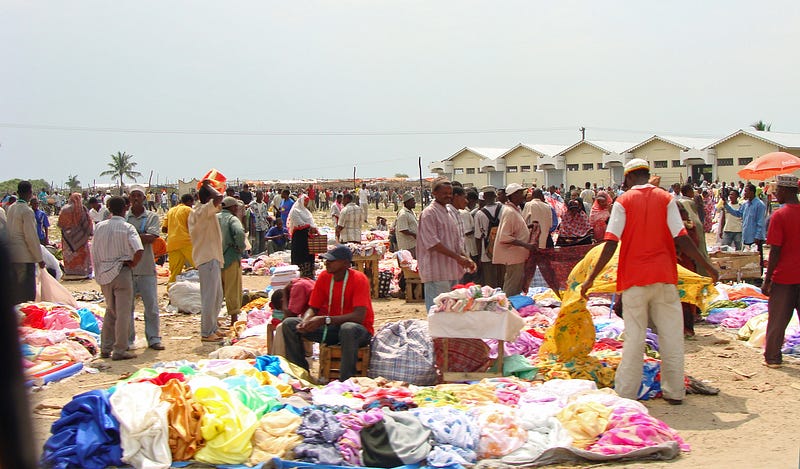
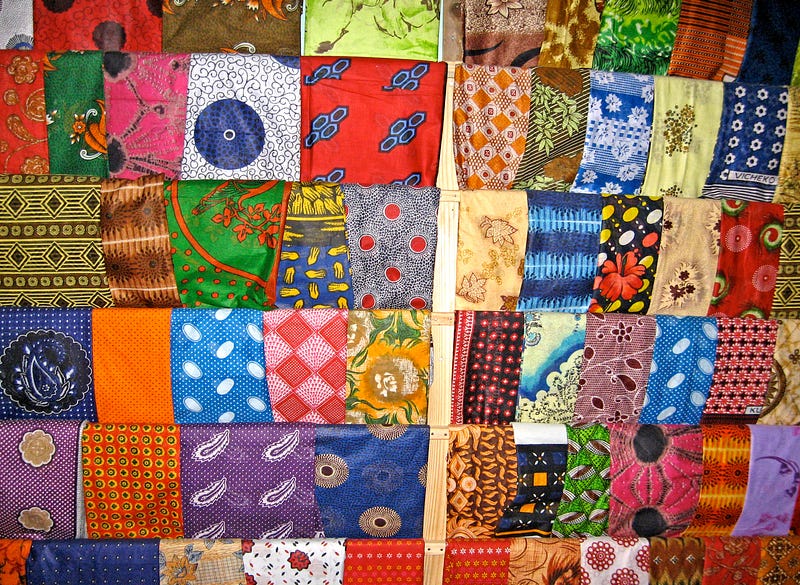
We headed back to Stonetown for some sightseeing, some bartering, and some photo-taking. There were huge markets set up for textiles while fish mongers were nearby cleaning the catch of the day.
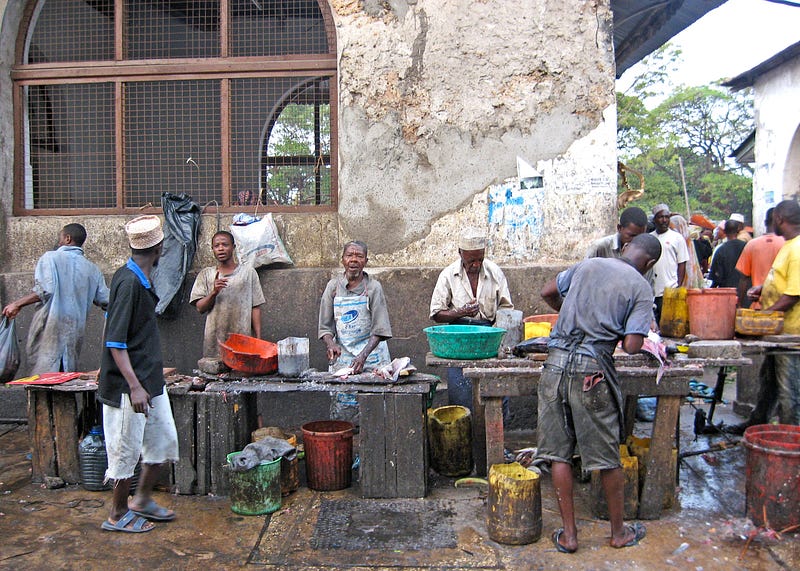
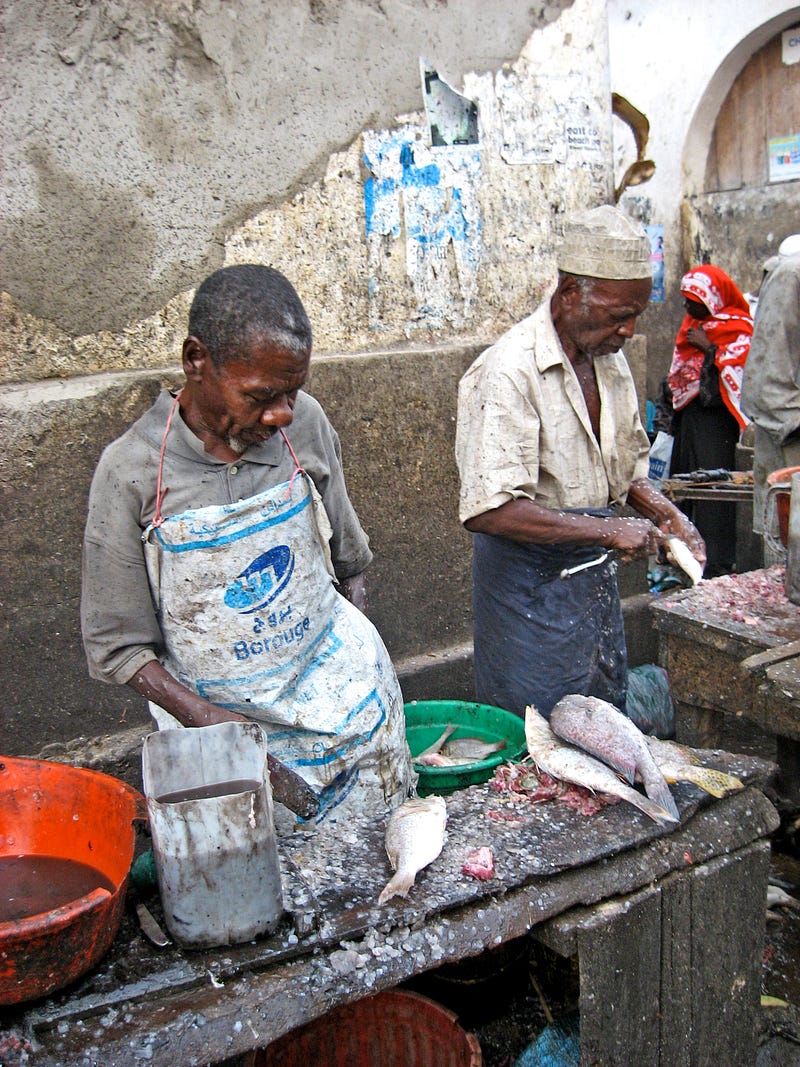
As we wandered the maze-like narrow alleyways, we had to jump out of the way of bicycles, motorcycles, and even cars, all trying to squeeze by on a road, no wider than a sidewalk.
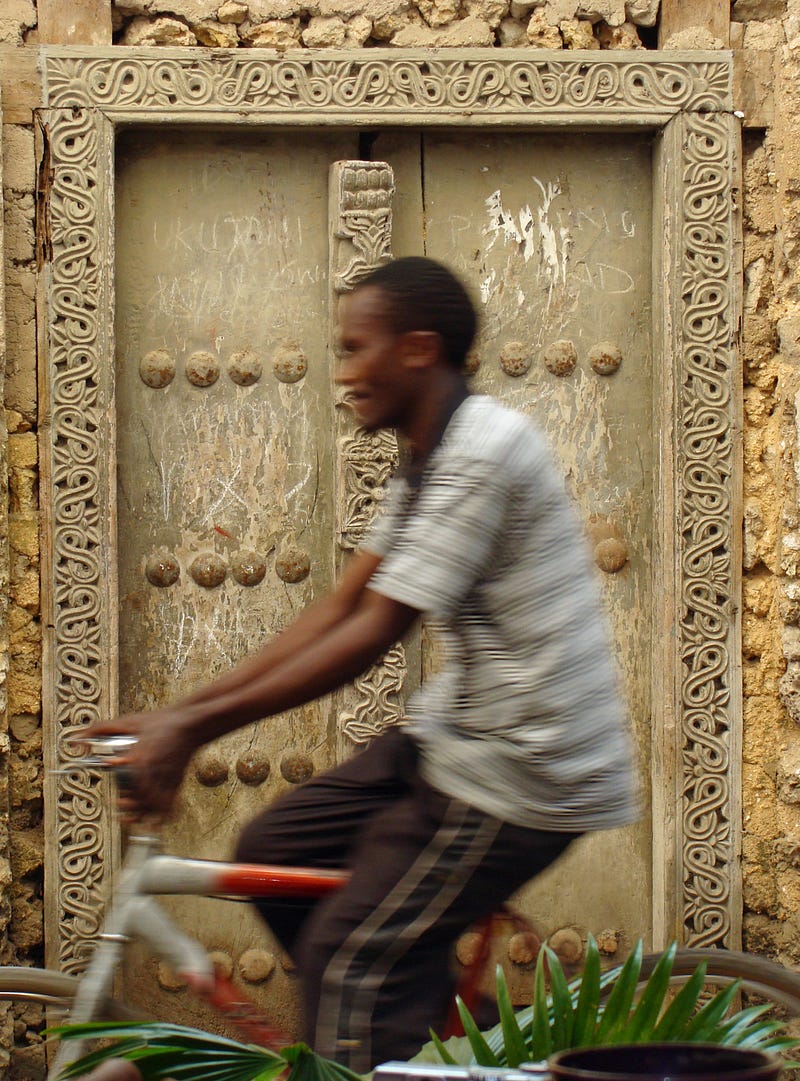
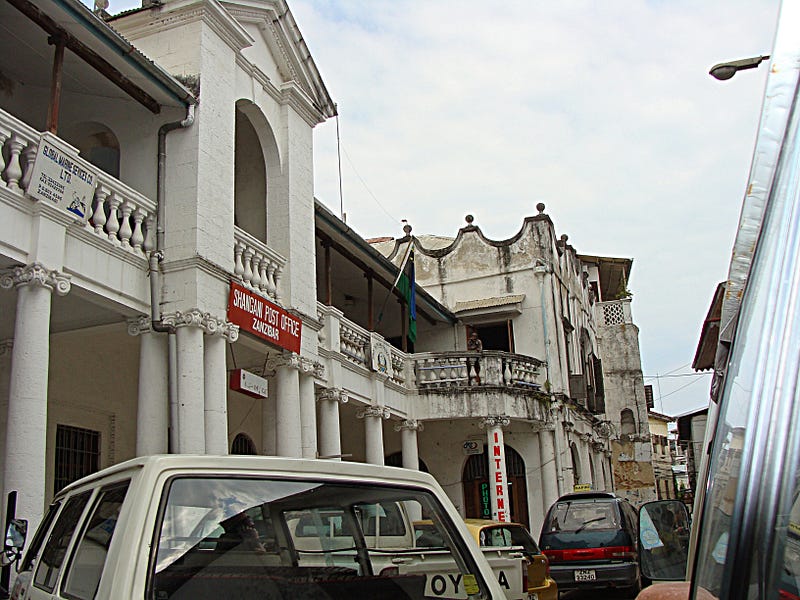
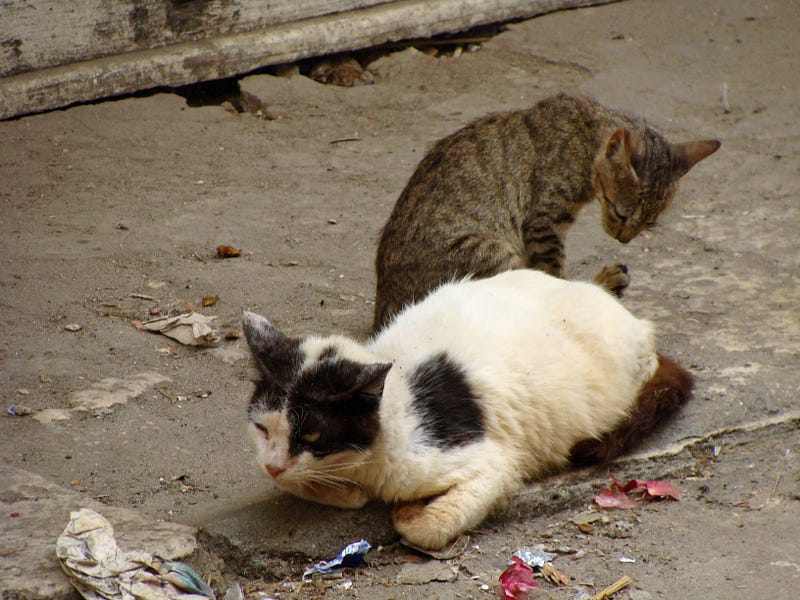
We saw stray cats, digging through the garbage on the sides of the road, for any scraps of food they could find. We were also told that the streets become open sewage channels when there is heavy rain.
I was disappointed that we missed going to the Mercury Bar, a tribute to Zanzibar’s most famous and controversial son, Freddie Mercury from Queen.
The island has a strange relationship with him. On one hand, they are proud of his international success but he is also looked down on for being gay. Homosexuality is still illegal in Zanzibar and Tanzania. Zanzibar has banned gay tourists and has a penalty of 25 years for men in gay relationships, and 7 years for lesbians. Like most Islamic areas, it’s a tough place to be LGBTQ.
On our last full day, we had a relaxing day, beachcombing and then tanning on the beach. We even got massages as we lay on wooden beds under the thatched umbrellas on the beach. The masseuses were always available, hanging around the area looking to earn their $4 for a half-hour massage. We wandered up the beach later in the afternoon.
We stopped by a teahouse run by a German couple, who served us spiced teas and pineapple cake. Because a couple of the women I was with had brought some clothes to give to orphans in the community, they wouldn’t let us pay for our snacks.
And it seems Zanzibar has one more surprise for departing tourists… they don’t want to let you go. At least that’s the impression I got after trying to get to our flight. At the “check-in counter,” everyone was standing out in the blazing hot sun, trying to jostle their way to the front of the haphazard line-ups to check-in.
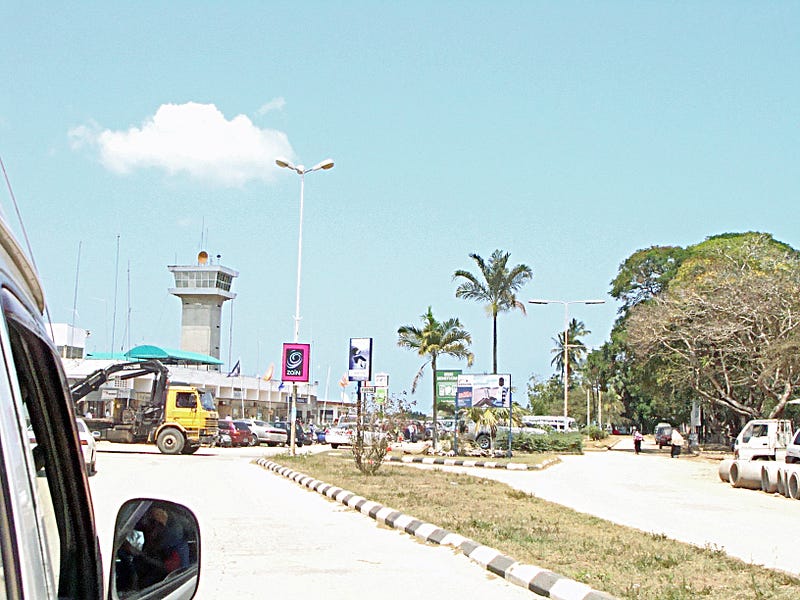
There were about 5 people in front of us when we arrived and it still ended up taking us about 75 minutes to get through. It was filled with pushing, shoving, and yelling. Once you get to the front, the agent takes your luggage and puts it on the other side of the counter, then takes your ticket and passport and goes into a small office to get your boarding pass and luggage tags. But everyone else shares the same office so it takes forever.
We finally got our ticket but then had to go through another entrance, trying to make our way to another counter where we had to pay $40 for an exit visa. Then we had to carry our luggage over to the screening area.
After watching the x-ray, the security guard said, “Seashells are forbidden, you can not take them” so I said, “no problem, just give me my suitcase and I will take them out”. So he says “Oh no my friend, I will let it go” which is followed by the punch line “won’t you give me a tip for doing you this favor?” Unfortunately, neither my travel companion nor I, had any US or Tanzanian cash left after paying for our visa. After the look he gave us, we were certain he would take off our luggage tags and send our bags to Timbuktu.
Our bags did make it out of Zanzibar, but got lost when we transferred planes in London, The luggage missed the flight, but it wasn’t because of anything the Tanzanian worker did.
Thank you for reading. For more of my favorite travel destinations, you can check out my list of stories:


