
Explore the Culinary Uses, Health Benefits, and Varieties of Basil
It’s more than just a topping on your pizza
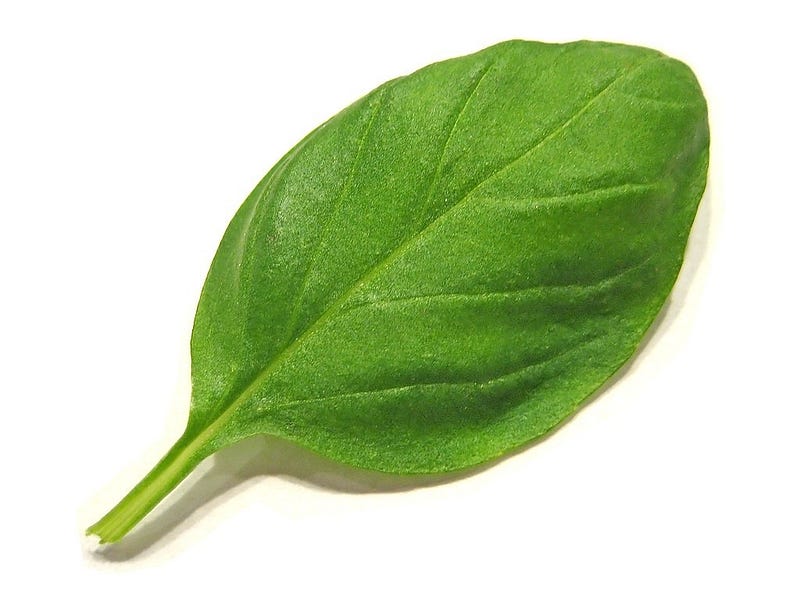
In this article, I will take you on a delicious journey to explore the culinary uses, health benefits, and varieties of this versatile herb.
With its distinct aroma and refreshing taste, basil has become a staple in kitchens around the globe. From Italian cuisines like pesto and Caprese salad to Thai curries and Vietnamese pho, this herb adds a delightful depth of flavor to a wide range of dishes. But basil isn’t just about taste; it also boasts an impressive array of health benefits. Packed with antioxidants, vitamins, and minerals, it supports digestion, promotes heart health, and even has anti-inflammatory properties.
Culinary Uses of Basil
Basil is a culinary superstar, lending its unique flavor to countless dishes. Its fresh and aromatic taste pairs well with a variety of ingredients and cuisines. One of the most popular uses of basil is in Italian cuisine, where it shines in dishes like pesto. In traditional Italian pesto, basil leaves are blended with pine nuts, garlic, Parmesan cheese, and olive oil, creating a vibrant and flavorful sauce that can be used in pasta, sandwiches, and more.
Basil also plays a key role in Thai cuisine, particularly in dishes like green curry and Pad Kra Pao. The combination of basil’s peppery and sweet flavor with the spiciness of Thai chili peppers creates a harmonious balance that tantalizes the taste buds. Additionally, basil leaves are often used as a garnish in Vietnamese pho, adding a fresh and aromatic element to the rich and flavorful broth.
Not limited to these cuisines, basil can be used in a variety of other dishes as well. It can be sprinkled on top of pizzas, added to salads, or even infused into cocktails for a refreshing twist. The options are endless when it comes to incorporating basil into your cooking, allowing you to experiment and create unique flavor combinations.
Health Benefits of Basil
Beyond its culinary uses, basil offers numerous health benefits thanks to its impressive nutritional profile. This herb is packed with antioxidants, which help protect the body against free radicals and oxidative stress. Additionally, basil contains essential vitamins and minerals, including vitamin K, vitamin A, iron, and calcium.
One of the notable health benefits of basil is its ability to support digestion. The natural compounds found in basil can help alleviate digestive issues such as bloating and indigestion. Basil also has anti-inflammatory properties, which can help reduce inflammation in the body and support overall health.
Furthermore, basil is known to promote heart health. It contains compounds that can help lower cholesterol levels and reduce the risk of heart disease. Incorporating basil into your diet can be a simple yet effective way to support cardiovascular health.
Varieties of Basil
Basil comes in various varieties, each with its own unique flavor profile and culinary uses. One of the most well-known varieties is Genovese basil, which is commonly used in Italian cuisine. Genovese basil has a sweet and slightly spicy flavor, making it perfect for pesto, pasta dishes, and Caprese salad.
If you’re looking to spice up your dishes, Thai basil is a great option. It has a distinct anise-like flavor with hints of mint and pepper. Thai basil is commonly used in Thai and Vietnamese cuisines, adding a delightful kick to curries, stir-fries, and noodle dishes.
Another interesting variety is holy basil, also known as Tulsi. Holy basil has a strong aroma and a slightly spicy taste. It is highly revered in Ayurvedic medicine for its medicinal properties and is often used to make herbal teas and supplements.
These are just a few examples of the many basil varieties available. Whether you prefer the classic flavors of Genovese basil or the unique taste of Thai or holy basil, there’s a basil variety to suit every palate.
Growing Basil at Home
Growing basil at home is a rewarding experience that allows you to have a fresh supply of this versatile herb right at your fingertips. Basil can be easily grown in containers or in your garden, making it accessible to both urban and rural dwellers.
To grow basil, start by selecting a sunny spot with well-draining soil. Basil thrives in warm temperatures and requires at least six hours of direct sunlight each day. Plant basil seeds or seedlings in the soil, spacing them about 10 to 12 inches apart. Keep the soil consistently moist, but avoid overwatering, as basil doesn’t like to sit in waterlogged soil.
Regularly prune your basil plants to encourage bushier growth and prevent them from flowering too soon. When the flowers appear, pinch them off to redirect the plant’s energy into leaf production. This will help prolong the harvest period and ensure a steady supply of fresh basil leaves.
Harvesting and Storing Basil
Harvesting basil at the right time is crucial to ensure optimal flavor and aroma. When the basil plants have grown to a decent size, you can start harvesting the leaves. Use a sharp pair of scissors or pruning shears to cut the stems just above a pair of leaves. This will encourage new growth and prevent the plant from becoming woody.
Freshly harvested basil can be used immediately or stored for later use. To store basil, gently wash the leaves, pat them dry, and place them in airtight containers or plastic bags. Alternatively, you can freeze basil leaves by blanching them quickly in boiling water, followed by submerging them in ice water to preserve their vibrant green color. Once frozen, transfer the basil leaves to freezer bags or containers.
Recipes Using Basil
Now that you’re familiar with the culinary uses and health benefits of basil, let’s dive into some delicious recipes that highlight this versatile herb.
- Caprese Salad: This classic Italian salad combines fresh basil leaves with juicy tomatoes, mozzarella cheese, and a drizzle of olive oil. It’s a simple yet flavorful dish that celebrates the beauty of basil.
- Thai Basil Chicken: In this popular Thai dish, basil leaves are stir-fried with chicken, garlic, chili peppers, and soy sauce. The result is a fragrant and spicy dish that pairs perfectly with steamed rice.
- Basil Pesto Pasta: This vibrant and aromatic pasta dish features a homemade pesto sauce made with fresh basil, pine nuts, garlic, Parmesan cheese, and olive oil. Toss the pesto sauce with your favorite pasta for a quick and flavorful meal.
These are just a few examples of the many recipes you can create using basil. Feel free to experiment and let your creativity shine in the kitchen!
Tips for Cooking with Basil
To make the most of your basil in the kitchen, here are some tips to keep in mind:
- Use fresh basil: Whenever possible, opt for fresh basil leaves instead of dried ones. Fresh basil has a more vibrant flavor and aroma, elevating the taste of your dishes.
- Add basil towards the end of cooking: Basil leaves are delicate and can lose their flavor when exposed to high heat for too long. To preserve their taste, add basil towards the end of cooking or as a garnish.
- Chop or tear basil leaves: When using basil in dishes like salads or pasta, it’s best to chop or tear the leaves instead of leaving them whole. This allows the flavors to blend more evenly.
- Pair basil with complementary ingredients: Basil pairs well with ingredients like tomatoes, garlic, lemon, and olive oil. Experiment with different flavor combinations to create dishes that truly shine.
Where to Buy Fresh Basil
If you don’t have the time or space to grow your own basil, you can easily find fresh basil at local grocery stores, farmers’ markets, or specialty food stores. Look for vibrant green leaves with no signs of wilting or discoloration. Organic options are also available for those who prefer pesticide-free herbs.
Additionally, many online retailers offer fresh basil that can be delivered right to your doorstep. This option allows you to enjoy fresh basil no matter where you live, making it convenient and accessible.
Conclusion
Basil is a culinary powerhouse that brings a depth of flavor and numerous health benefits to a wide range of dishes. From Italian classics to Thai delicacies, basil’s versatility knows no bounds. Its nutritional profile and medicinal properties make it a valuable addition to any diet.
Whether you choose to grow your own basil, experiment with different varieties, or simply enjoy the convenience of store-bought basil, make sure to savor the incredible flavors and benefits this herb has to offer. So, next time you’re in the kitchen, don’t forget to add a sprinkle of basil and elevate your culinary creations to new heights.
Thank you for taking the time to read my article. I hope you’ll consider following and subscribing so I can share other articles on trending topics, writing, and personal growth lessons I’m learning on this rollercoaster called life. It’s one hell of a ride.
I’m Desiree and it’s a pleasure to meet you!