
How to Grow and Harvest Fresh Herbs Indoors
Cultivating your indoor greenery
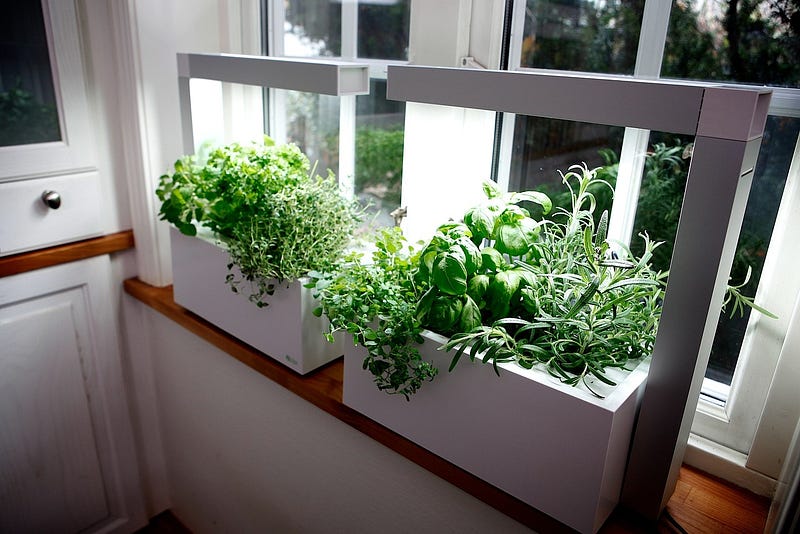
Are you looking to bring the joys of gardening indoors?
Growing herbs in your own home is a fantastic way to add freshness and flavor to your culinary creations while also creating a cozy and inviting atmosphere. In this article, we will explore a variety of herbs that are not only easy to grow indoors but also provide numerous health benefits. Whether you have a spacious kitchen or a small apartment, there are herbs suitable for every space. From aromatic basil and versatile parsley to soothing chamomile and vibrant mint, we will provide you with all the information you need to successfully cultivate these herbs in the comfort of your own home. So, get ready to embark on a rewarding journey of growing and enjoying your very own indoor herb garden. It’s time to bring nature’s flavors and healing properties into your living space!
Benefits of growing herbs indoors
Creating an indoor herb garden comes with a plethora of benefits. Not only do you get to enjoy the convenience of having fresh herbs at your fingertips, but you also get to experience the joy of gardening year-round. One of the major advantages of growing herbs indoors is that you have full control over the growing conditions. You can adjust the amount of sunlight, temperature, and humidity to suit the specific needs of each herb. Additionally, indoor herb gardens require less maintenance compared to outdoor gardens, making them perfect for busy individuals or those with limited gardening experience. Another great benefit is that indoor herbs can improve the air quality in your home by reducing toxins and releasing oxygen.
When it comes to health benefits, indoor herbs are packed with essential nutrients and antioxidants that can enhance your well-being. For example, basil is known for its anti-inflammatory properties and is rich in vitamin K, which supports healthy bones. Mint is great for digestion and can help alleviate symptoms of nausea and indigestion. Parsley is a powerhouse of vitamins and minerals, including vitamin C, vitamin K, and iron. These are just a few examples of the many health benefits that herbs can provide when grown indoors. So, not only do indoor herb gardens add beauty and fragrance to your home, but they also contribute to your overall health and wellness.
Best herbs to grow indoors
When it comes to choosing the best herbs to grow indoors, there are a few factors to consider. First and foremost, you want to select herbs that are well-suited for indoor growing conditions. Herbs that thrive in partial sunlight and can tolerate lower temperatures are ideal for indoor gardens. Here are some popular herbs that are known to thrive indoors:
1. Basil — Basil is an aromatic herb that adds a burst of flavor to various dishes. It is relatively easy to grow indoors and requires moderate sunlight. Regular pruning will encourage bushier growth and ensure a continuous supply of fresh leaves.
2. Parsley — Parsley is a versatile herb that can be used as a garnish or added to a variety of dishes. It prefers bright, indirect light and grows well in containers. Regular watering and well-draining soil are essential for parsley plants.
3. Mint — Mint is a refreshing herb that is perfect for teas, cocktails, and desserts. It grows well in both sunny and partially shaded areas. However, mint has a tendency to spread, so it’s best to grow it in a separate container to prevent it from taking over your other herbs.
4. Chives — Chives are a member of the onion family and add a mild onion flavor to dishes. They are easy to grow indoors and can tolerate low light conditions. Regular watering and well-draining soil are important for chive plants.
5. Rosemary — Rosemary is a fragrant herb that is commonly used in Mediterranean cuisine. It requires a sunny spot and well-draining soil. Regular pruning will help maintain the shape and encourage new growth.
6. Thyme — Thyme is a versatile herb that pairs well with a variety of dishes, including meats, vegetables, and soups. It prefers full sun but can tolerate some shade. Well-draining soil and moderate watering are essential for thyme plants.
These are just a few examples of herbs that can thrive indoors. Depending on your personal preferences and culinary needs, you can choose to grow a combination of these herbs or focus on one or two that you use the most in your cooking. The key is to provide the right growing conditions and care for each herb to ensure their success.
Choosing the right containers and soil for indoor herb gardening
Selecting the right containers and soil is crucial for the success of your indoor herb garden. When it comes to containers, there are a few factors to consider. First and foremost, the containers should have drainage holes to prevent water from pooling at the bottom and causing root rot. You can choose from a variety of containers, including ceramic pots, plastic containers, or even repurposed containers such as mason jars or tin cans. Just make sure they are clean and have proper drainage.
In terms of soil, using a well-draining potting mix is essential. Regular garden soil is not suitable for indoor herb gardening as it tends to become compacted and doesn’t provide the necessary drainage. Look for a potting mix that is specifically formulated for container gardening. These mixes usually contain a combination of peat moss, perlite, and vermiculite, which provide good drainage and aeration for the roots.
When it comes to choosing the right size of containers, it’s best to start with smaller pots and then repot the herbs as they grow. Most herbs prefer slightly crowded conditions, so choose a container that allows for some root growth but is not excessively large. This will prevent the soil from staying too wet and ensure that the herbs receive the right amount of moisture.
Essential tips for successful indoor herb gardening
While growing herbs indoors is relatively easy, there are a few essential tips that can help ensure the success of your indoor herb garden. Here are some key tips to keep in mind:
1. Provide adequate sunlight — Most herbs require at least 4–6 hours of sunlight per day. Place your herbs near a south-facing window or use artificial grow lights to supplement the sunlight.
2. Maintain the right temperature and humidity — Herbs generally prefer temperatures between 60–70°F (15–21°C). Avoid placing them near drafts or extreme temperature fluctuations. The humidity level should be around 40–50%. If the air is too dry, you can use a humidifier or place a tray of water near the herbs to increase the humidity.
3. Water your herbs properly — Overwatering is one of the most common mistakes in indoor herb gardening. Herbs prefer slightly dry conditions, so allow the top inch of soil to dry out before watering again. When watering, make sure to thoroughly moisten the soil until water drains out of the bottom of the container. Discard any excess water to prevent root rot.
4. Prune regularly — Regular pruning not only helps maintain the shape and appearance of your herbs but also encourages new growth. Pinch off the tips of the herbs to promote bushier growth and prevent them from becoming leggy.
5. Avoid overcrowding — While herbs prefer slightly crowded conditions, overcrowding can lead to poor air circulation, increased humidity, and the spread of diseases. Make sure to give each herb enough space to grow and thrive.
6. Rotate your herbs — To ensure even growth, rotate your herbs every few weeks. This will prevent them from leaning towards the light source and promote balanced growth.
By following these essential tips, you’ll be well on your way to growing a thriving indoor herb garden. Remember to observe your herbs closely and make adjustments as needed to provide the best possible growing conditions.
Watering and fertilizing indoor herbs
Proper watering and fertilizing are key to the health and growth of your indoor herbs. Here are some guidelines to ensure your herbs receive the right amount of water and nutrients:
1. Watering — As mentioned earlier, overwatering is a common mistake in indoor herb gardening. Herbs prefer slightly dry conditions, so it’s important to strike the right balance. Allow the top inch of soil to dry out before watering again. When watering, make sure to thoroughly moisten the soil until water drains out of the bottom of the container. Remember to discard any excess water to prevent root rot.
2. Fertilizing — Indoor herbs generally require less fertilizer compared to outdoor plants. A good rule of thumb is to fertilize your herbs once a month during the growing season. Use a balanced liquid fertilizer or a slow-release granular fertilizer specifically formulated for herbs. Follow the instructions on the fertilizer packaging for the correct dosage.
3. Organic options — If you prefer to use organic fertilizers, there are several options available. Compost tea, diluted fish emulsion, or seaweed extract are all natural fertilizers that can provide the necessary nutrients for your herbs. Just make sure to follow the instructions and avoid over-fertilizing, as this can lead to nutrient burn.
Remember to observe your herbs closely and adjust the watering and fertilizing schedule as needed. Each herb may have slightly different requirements, so it’s important to pay attention to their individual needs.
Harvesting and using your indoor herbs
One of the joys of growing herbs indoors is being able to harvest and use them fresh in your culinary creations. Here are some tips for harvesting and using your indoor herbs:
1. Harvesting — Most herbs can be harvested when they reach a height of 6–8 inches. To harvest, simply pinch off the top few inches of the stem, just above a leaf node. This will encourage bushier growth and ensure a continuous supply of fresh leaves. Avoid harvesting more than one-third of the plant at a time to allow for regrowth.
2. Using fresh herbs — Fresh herbs can be used in a variety of dishes, including salads, soups, sauces, and marinades. They add a burst of flavor and freshness to any recipe. Simply chop the leaves and add them to your favorite dishes.
3. Drying herbs — If you have an abundance of herbs and want to preserve them for later use, drying is a great option. To dry herbs, hang them upside down in a warm, well-ventilated area until they are completely dry. Once dry, store them in airtight containers away from light and heat.
4. Freezing herbs — Another option for preserving herbs is freezing. Chop the herbs and place them in ice cube trays, then fill with water or olive oil. Once frozen, transfer the herb cubes to freezer bags and store in the freezer. These herb cubes can be easily added to soups, stews, and other dishes.
Whether you choose to use your herbs fresh or preserve them for later use, the flavors and aromas will undoubtedly enhance your culinary adventures. Experiment with different combinations and let your creativity shine in the kitchen.
Common pests and diseases in indoor herb gardening
While indoor herb gardens are generally less prone to pests and diseases compared to outdoor gardens, it’s important to be aware of potential issues. Here are some common pests and diseases that can affect indoor herbs:
1. Aphids — Aphids are small insects that suck the sap from the leaves, causing them to curl and yellow. They can be controlled by spraying the affected herbs with a mixture of water and mild dish soap.
2. Whiteflies — Whiteflies are small, flying insects that feed on the undersides of the leaves. They can be controlled by spraying the affected herbs with neem oil or insecticidal soap.
3. Fungal diseases — Fungal diseases, such as powdery mildew and root rot, can occur in indoor herb gardens if the humidity is too high or the plants are overwatered. To prevent fungal diseases, make sure to provide adequate air circulation and avoid overwatering. If fungal diseases do occur, you can treat them with a fungicide specifically formulated for herbs.
4. Spider mites — Spider mites are tiny pests that feed on the leaves, causing them to appear speckled and discolored. They can be controlled by spraying the affected herbs with a mixture of water and neem oil.
5. Mealybugs — Mealybugs are small, white insects that feed on the leaves, causing them to appear sticky and covered in a white, cotton-like substance. They can be controlled by wiping the affected herbs with a cotton swab dipped in rubbing alcohol.
Regularly inspect your herbs for any signs of pests or diseases and take appropriate action as soon as possible. Quick intervention can prevent the spread of pests and diseases and ensure the health of your herbs.
Troubleshooting common issues in indoor herb gardening
Even with proper care, issues may arise in your indoor herb garden. Here are some common issues and troubleshooting tips:
1. Leggy growth — Leggy growth occurs when the herbs become tall and spindly with long stems and few leaves. This is usually a sign of insufficient light. Move your herbs to a brighter location or supplement the natural light with artificial grow lights.
2. Yellowing leaves — Yellowing leaves can be caused by overwatering, underwatering, or nutrient deficiencies. Make sure to water your herbs properly and provide the necessary nutrients through fertilization. If the soil is consistently moist and the leaves continue to yellow, it may be a sign of root rot. Repotting the herbs in fresh, well-draining soil can help alleviate this issue.
3. Wilting — Wilting can be caused by underwatering or high temperatures. Check the moisture level of the soil and adjust your watering schedule accordingly. If the temperature is too high, move your herbs to a cooler location or provide shade during the hottest part of the day.
4. Poor growth or no growth — Poor growth or lack of growth can be caused by various factors, including insufficient light, improper watering, or nutrient deficiencies. Evaluate the growing conditions of your herbs and make the necessary adjustments. If the herbs are not growing at all, it may be a sign of root damage or disease. Inspect the roots and take appropriate action, such as repotting or treating with a fungicide.
By troubleshooting and addressing these common issues, you can help your indoor herb garden thrive and flourish.
Conclusion
Growing herbs indoors is a rewarding and fulfilling experience. Not only do you get to enjoy fresh flavors and fragrances in your cooking, but you also reap the numerous health benefits that herbs provide. From basil and parsley
Thank you for taking the time to read my article. I hope you’ll consider following and subscribing so I can share other articles on trending topics, writing, and personal growth lessons I’m learning on this rollercoaster called life. It’s one hell of a ride.
I’m Desiree and it’s a pleasure to meet you!