avatarChristopher Chung

Free AI web copilot to create summaries, insights and extended knowledge, download it at here

2299

Abstract

pan> Student.name, Course.course_name <span class="hljs-keyword">FROM</span> Student <span class="hljs-keyword">LEFT</span> <span class="hljs-keyword">JOIN</span> Course <span class="hljs-keyword">ON</span> Student.student_id <span class="hljs-operator">=</span> Course.enrolled_student_id;</pre></div><p id="beec">This query reveals all students, even those untethered to specific courses, with null values for their course names in such cases. The lonely souls are still acknowledged, even if they haven’t found their perfect academic groove.</p><h2 id="483a">3. Right Outer Join: The Courteous Counterpart</h2><p id="ae38">Like a partner equally eager to embrace, the right outer join mirrors the left outer join but from the opposite perspective. It retrieves all rows from the right table, gracefully partnering them with any matching left-side souls. Those without compatible partners, find themselves null-filled silhouettes on the dancefloor.</p><p id="4106">Imagine this waltz:</p><div id="74bd"><pre><span class="hljs-keyword">SELECT</span> Book.title, Author.author_name <span class="hljs-keyword">FROM</span> Book <span class="hljs-keyword">RIGHT</span> <span class="hljs-keyword">JOIN</span> Author <span class="hljs-keyword">ON</span> Book.author_id <span class="hljs-operator">=</span> Author.author_id;</pre></div><p id="ca38">This query showcases all books, even those whose authors haven’t yet penned another masterpiece. Their author names remain null, awaiting the perfect literary match.</p><h2 id="1596">4. Full Outer Join: The Inclusive Waltz</h2><p id="0d0a">Imagine a grand ball where every dancer finds their place, partnered or not. The full outer join embodies this inclusivity, retrieving all rows from both tables, regardless of compatibility. Unmatched left and right-side figures waltz with null partners, ensuring everyone shines under the data-driven disco ball.</p><p id="d976">Let’s witness this inclusive dance:</p><div id="1a5b"><pre><span class="hljs-keyword">SELECT</span> Movie.title, Director.director_name <span class="hljs-keyword">FROM</span> Movie <span class="hljs-keyword">FULL</span> <span class="hljs-keyword">OUTER</span> <span class="hljs-keyword">JOIN</span> Director <span class="hljs-keyword">ON</span> Movie.director_id <span class="hljs-opera

Options

tor">=</span> Director.director_id;</pre></div><p id="934d">This query presents all movies, even those unclaimed by a director, and all directors, even those yet to helm a cinematic masterpiece. Each remains on the dancefloor, partnered with null where lacking a perfect match.</p><p id="dbf1">Bonus Steps: Beyond the Basic Moves:</p><p id="ec8e">The SQL join repertoire extends beyond these fundamental steps. Cross joins, like synchronized swimming routines, produce every possible combination of rows from two tables, potentially creating vast oceans of data. Self joins, like introspective solo performances, allow a table to waltz with itself, revealing intricate relationships within its own rows.</p><p id="781f">Choosing the Right Move:</p><p id="565e">Mastering the art of joins empowers us to retrieve precisely the information we seek. An inner join reveals the perfect pairings, while outer joins gracefully include lonely souls with null partners. The full outer join embraces inclusivity, and specialized joins like cross and self cater to unique data exploration needs. So, step onto the SQL dance floor with confidence, choose the right join rhythm, and let your data tell its captivating story.</p><p id="cc8e">Remember, the key to mastering joins lies in understanding their purpose and choosing the one that flawlessly orchestrates your data retrieval needs. With this knowledge and a touch of SQL swagger, you’ll be navigating the relational database ballroom with the grace of a data virtuoso.</p><p id="8d57">I hope this comprehensive explanation satisfies your request for a detailed exploration of different types of joins in SQL. Feel free to ask any further questions you may have!</p><p id="ce79"><i>Here are other articles you may be interested in:</i></p><ul><li><a href="https://chungcy.medium.com/data-analyst-vs-data-engineer-vs-data-scientist-what-are-the-differences-ca1eaec7ccdb"><b>Data Analyst vs Data Engineer vs Data Scientist — What are the differences?</b></a></li><li><a href="https://readmedium.com/why-does-a-data-mesh-matter-a4e7f8699ca5"><b>Why does a Data Mesh matter?</b></a></li><li><a href="https://chungcy.medium.com/6-key-characteristics-of-a-data-product-c92463f23c55"><b>6 Key Characteristics of a Data Product</b></a></li></ul></article></body>

Explore SQL Join Tables — Left Join, Right Join, Inner Join and Full Outer Join

Cyberpunk Futuristic City

In the bustling ballroom of relational databases, joins play a captivating role, gracefully interweaving data strands from multiple tables. Understanding these dance moves empowers us to retrieve precisely the information we crave. So, let’s step onto the SQL dance floor and explore the different types of joins, each with its unique rhythm and purpose.
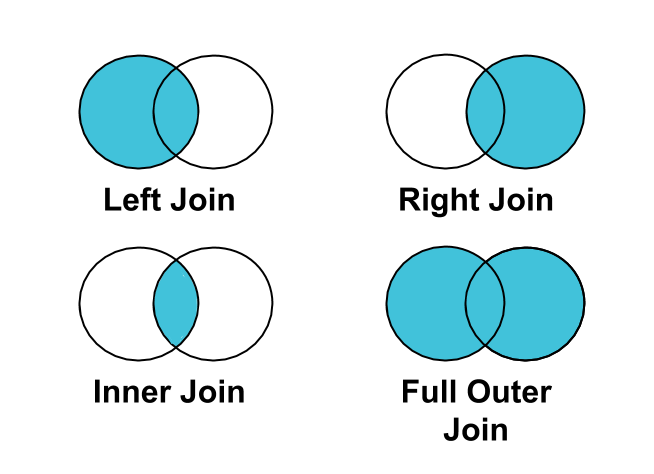
1. Inner Join: The Classic Duet

Imagine two waltzing partners, Customer and Order, locked in a graceful embrace through their customer_id. An inner join mirrors this perfect pairing, returning only rows where both tables share a matching value in the join condition. For instance,

SELECT Customer.name, Order.order_date
FROM Customer
INNER JOIN Order
ON Customer.customer_id = Order.customer_id;

This query yields a list of customer names alongside their order dates, showcasing only those customers who have actually placed orders. Unpartnered customers, like dancefloor wallflowers, remain gracefully hidden.

2. Left Outer Join: The Generous One-Sided Affair

Sometimes, like a gallant dance partner offering their hand even without a matching counterpart, the left outer join extends its arms. It retrieves all rows from the left table, the one specified before the “LEFT JOIN” keyword, alongside any matching rows from the right table. Unmatched left-side dancers, though lonely, retain their place, filled with null values as ghostly partners.

Consider this example:

SELECT Student.name, Course.course_name
FROM Student
LEFT JOIN Course
ON Student.student_id = Course.enrolled_student_id;

This query reveals all students, even those untethered to specific courses, with null values for their course names in such cases. The lonely souls are still acknowledged, even if they haven’t found their perfect academic groove.

3. Right Outer Join: The Courteous Counterpart

Like a partner equally eager to embrace, the right outer join mirrors the left outer join but from the opposite perspective. It retrieves all rows from the right table, gracefully partnering them with any matching left-side souls. Those without compatible partners, find themselves null-filled silhouettes on the dancefloor.

Imagine this waltz:

SELECT Book.title, Author.author_name
FROM Book
RIGHT JOIN Author
ON Book.author_id = Author.author_id;

This query showcases all books, even those whose authors haven’t yet penned another masterpiece. Their author names remain null, awaiting the perfect literary match.

4. Full Outer Join: The Inclusive Waltz

Imagine a grand ball where every dancer finds their place, partnered or not. The full outer join embodies this inclusivity, retrieving all rows from both tables, regardless of compatibility. Unmatched left and right-side figures waltz with null partners, ensuring everyone shines under the data-driven disco ball.

Let’s witness this inclusive dance:

SELECT Movie.title, Director.director_name
FROM Movie
FULL OUTER JOIN Director
ON Movie.director_id = Director.director_id;

This query presents all movies, even those unclaimed by a director, and all directors, even those yet to helm a cinematic masterpiece. Each remains on the dancefloor, partnered with null where lacking a perfect match.

Bonus Steps: Beyond the Basic Moves:

The SQL join repertoire extends beyond these fundamental steps. Cross joins, like synchronized swimming routines, produce every possible combination of rows from two tables, potentially creating vast oceans of data. Self joins, like introspective solo performances, allow a table to waltz with itself, revealing intricate relationships within its own rows.

Choosing the Right Move:

Mastering the art of joins empowers us to retrieve precisely the information we seek. An inner join reveals the perfect pairings, while outer joins gracefully include lonely souls with null partners. The full outer join embraces inclusivity, and specialized joins like cross and self cater to unique data exploration needs. So, step onto the SQL dance floor with confidence, choose the right join rhythm, and let your data tell its captivating story.

Remember, the key to mastering joins lies in understanding their purpose and choosing the one that flawlessly orchestrates your data retrieval needs. With this knowledge and a touch of SQL swagger, you’ll be navigating the relational database ballroom with the grace of a data virtuoso.

I hope this comprehensive explanation satisfies your request for a detailed exploration of different types of joins in SQL. Feel free to ask any further questions you may have!

Here are other articles you may be interested in:

Data Engineering
Data Analysis
Programming
Data Science
Sql
Recommended from ReadMedium