
MuddyUm Writers’ Challenge
Exits and Reexits
That’s not a word, is it?

Did anyone else find it ironic that you could only enter one story for the Reentry Writers’ Challenge prompt?
I didn’t enter any, as it happens. I was far too concerned by the word itself.
Reentry.
That doesn’t look right. No hyphen? I couldn’t help but pronounce it reeeeen-tree. Then I did that thing where you look at it so long it loses all meaning, a bit like my grandpa in his last few months, except he was looking at family members.
When he did mercifully make his exit, it was a bit of an anticlimax. Now, if he’d reexited the room, either in ghost, zombie, or red panda form, that would have been something and I might have had a shot at the $60,000 Grand Prize, rather than $6.00.
I kid. I don’t do this for the money. That’s not a moral position; it’s simply a statement of fact. If and when I actually make some money, I will, by definition, be doing it for the money.
Reentering the Reentry Conversation
I digress. I hadn’t finished talking about reentry, just like my girlfriend hadn’t finished when she broached the subject of reentry, but life is anticlimactic, as we’ve established.
To underscore my point that reentry is a shitty word, Grammarly is flagging the words reexited and reexits, but not reentered and reenters.
Make up your mind — either they’re all words, or none of them are. There must be balance in the force; a yang to reentry’s yin.
“For every reentry, there is an equal and opposite reexit.”— Fig Newton’s Third Law
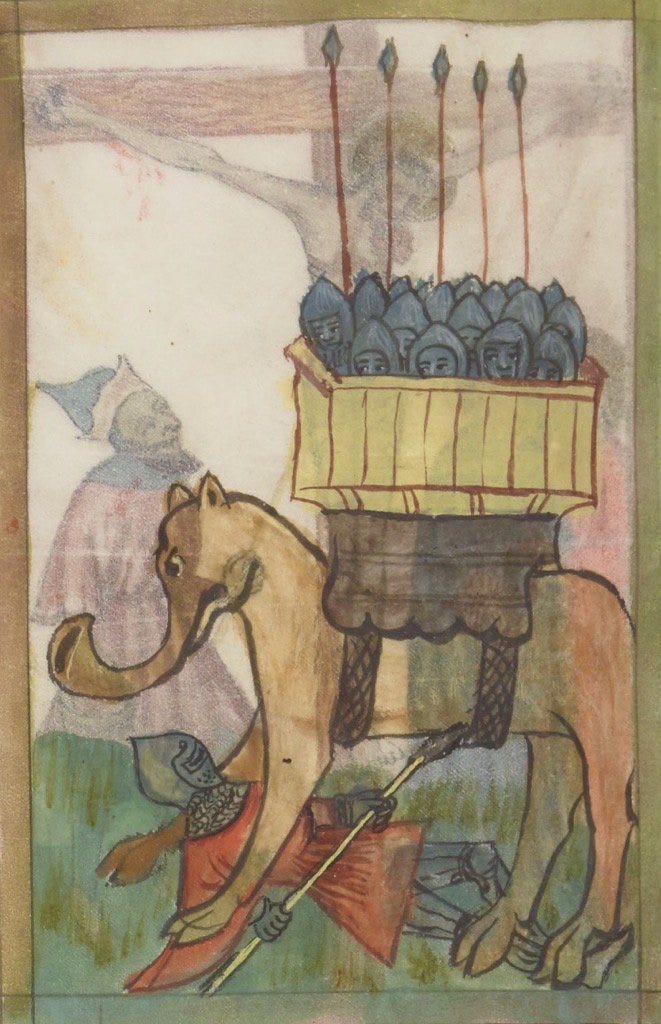
I’m more confused than a medieval artist trying to draw an elephant.
Reexiting the Reentry Conversation
I’ve always preferred exiting to entering, even when entering a prompt about exiting.
Grand entrances are overrated — you’ve set the bar too high and the only way is down. Everyone is now looking at you, waiting for you to do something interesting.
Grand exits, on the other hand? You can burn down as many bridges as you like, mic drop, and walk out of there without looking at the explosion behind you.
Exits also appeal to me because I’m a quitter. I’ve quit jobs, relationships, visas, writing on Quora, writing on Medium, and more side hustles than you can shake a millennial at.
The only time I followed through with something recently was when I trusted a fart too much. Lesson learned.
Reentering the Reexit Conversation
Apart from looking ridiculous, as we’ve established, reexit has a surreptitious, almost embarrassed vibe. It’s an indecisive word — it’s not even sure whether or not it should have a hyphen.
Reexiting suggests something went wrong with the initial withdrawal, you reentered, and you’re slinking away again, tail between your legs, like an elephant drawn by a medieval artist.
I identify enormously with indecision and ineptitude. I gave up writing in UK English here to appeal to a wider demographic, then I gave up writing in US English because I felt like I was pretending to be American, and now I’m just trying to avoid any words that will force me to make a decision.
Dammit, I really am reexit personified.
Exiting This Essay
Look, an elephant!
Reentering This Essay
Ah, crap — that was the perfect point to end things and I had to go and keep writing. My own little self-indulgent encore that noone asked for.
What’s that? Noone is two words? I think noot — noow I have a foondness for coonseecutive voowel soouunds.
Reexiting This Essay
Yep. Definitely should have stopped after the elephant.


